A roof can look old long before it has reached the end of its useful life. Dark algae streaks, moss along shaded edges, dry-looking shingles, and scattered granules in the gutter can make homeowners assume replacement is the only answer. In many cases, roof rejuvenation offers a more practical next step: clean the roof safely, assess its condition, and restore lost flexibility to qualifying asphalt shingles before small problems become a major expense.
For homeowners in Southern Westchester, that distinction matters. A roof replacement is a significant project, and replacing a roof that still has years of service left is not always the best use of your budget. The right maintenance plan can improve appearance, address damaging organic growth, and help preserve the shingles already protecting your home.
What Roof Rejuvenation Actually Does
Asphalt shingles are made with a fiberglass base, an asphalt layer, protective mineral granules, and oils that help the shingle remain flexible. Over years of sun exposure, wind, seasonal temperature swings, and rain, those oils gradually diminish. The shingles can begin to dry out, stiffen, curl at the edges, or become more vulnerable to cracking.
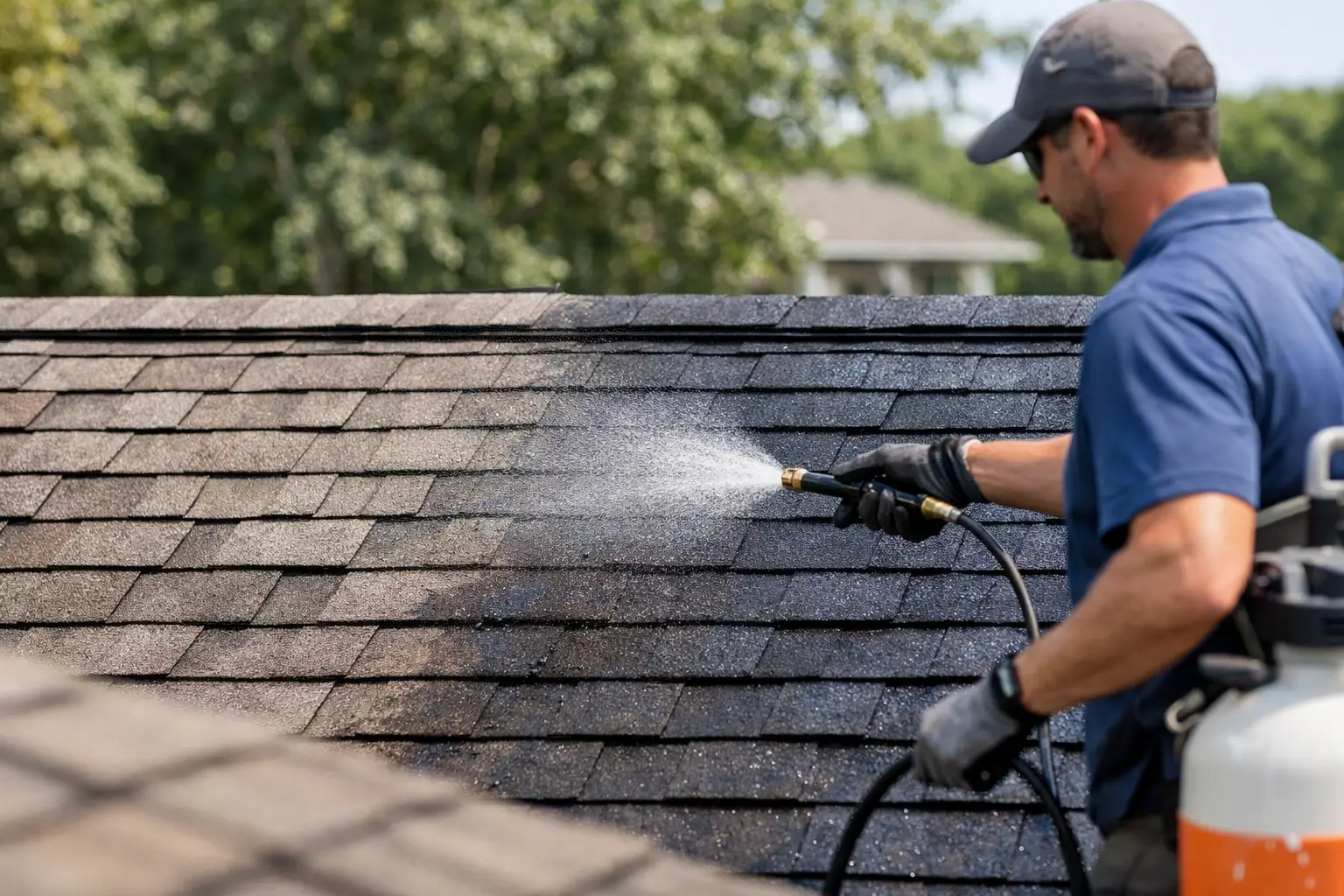
Roof rejuvenation is a preservation treatment designed for eligible asphalt-shingle roofs. After the roof is evaluated and cleaned as needed, a plant-based treatment is applied to replenish the oils that aging shingles have lost. Roof Rescue Southern Westchester uses a USDA Certified Biobased product formulated to penetrate the shingle surface and restore flexibility without the disruption and waste of a premature tear-off.
This is not paint, a coating that sits on top of the roof, or a shortcut for a failing roof. A legitimate rejuvenation service works with the existing shingles. Its goal is to help sound, aging shingles perform better for longer.
The most visible benefit is often a roof that looks more uniform and cared for. The more meaningful benefit is preventive: flexible shingles are better positioned to handle normal expansion, contraction, and weather exposure than shingles that have become dry and brittle.
Cleaning and Rejuvenation Solve Different Problems
Roof cleaning and roof rejuvenation are often discussed together, but they are not the same service.
A roof cleaning addresses biological growth and staining. Black streaks are commonly caused by algae, while green patches may indicate moss or lichen. These organisms hold moisture against the roof surface and can affect appearance, drainage, and shingle condition over time. Proper soft washing removes that growth without the aggressive force that can strip granules or damage shingles.
Rejuvenation addresses the aging process within the shingles themselves. It is typically considered after the roof has been inspected and any heavy growth has been removed. A clean roof also makes it easier to see the real condition of the shingles, flashing, vents, valleys, and other areas that deserve attention.
A homeowner may need cleaning only, rejuvenation only, or both. It depends on the roof’s age, the amount of organic growth, sun exposure, existing wear, and whether the shingles remain structurally sound. That is why a photo-documented assessment is more useful than guessing based on the roof’s appearance from the driveway.
When a Roof Is a Good Candidate
The best candidates are asphalt-shingle roofs that are aging but still fundamentally intact. They may look weathered, have minor curling or dryness, or be nearing the point when homeowners start planning for replacement. If the roof has a sound deck, no widespread shingle failure, and no active leak caused by end-of-life materials, preservation may be worth considering.
Several signs can point toward a roof that deserves an evaluation. The shingles may appear faded or dry rather than severely broken. You may notice algae staining, moss in shaded areas, or granules collecting in gutters at a level that calls for inspection. A roof that is roughly midway through its expected life can also be a strong candidate, especially when the goal is to avoid letting preventable deterioration accelerate.
Age alone does not decide eligibility. A 12-year-old roof under heavy tree cover can have different needs than a 20-year-old roof with strong sun exposure and clean drainage. Installation quality, attic ventilation, past repairs, storm history, and gutter performance all affect the recommendation.
When Rejuvenation Is Not the Right Answer
Honest roof care means knowing when preservation should not be sold. Rejuvenation cannot repair missing shingles, failed flashing, rotted roof decking, major storm damage, widespread exposed fiberglass, or chronic active leaks. It also cannot reverse severe granule loss or make a roof that has reached the end of its service life new again.
If replacement is the safer recommendation, it should be stated clearly. A treatment is valuable when it solves a real problem and extends usable life, not when it delays a necessary repair. Homeowners should be wary of anyone promising that every roof can be restored.
The Process Should Start With a Close Look
A responsible roof rejuvenation project begins with diagnostics, not a sales pitch. The roof should be reviewed for shingle condition, visible damage, organic growth, drainage concerns, and signs that repairs or replacement may be needed first. Photos are especially helpful because they let homeowners see conditions that are difficult to inspect safely from the ground.
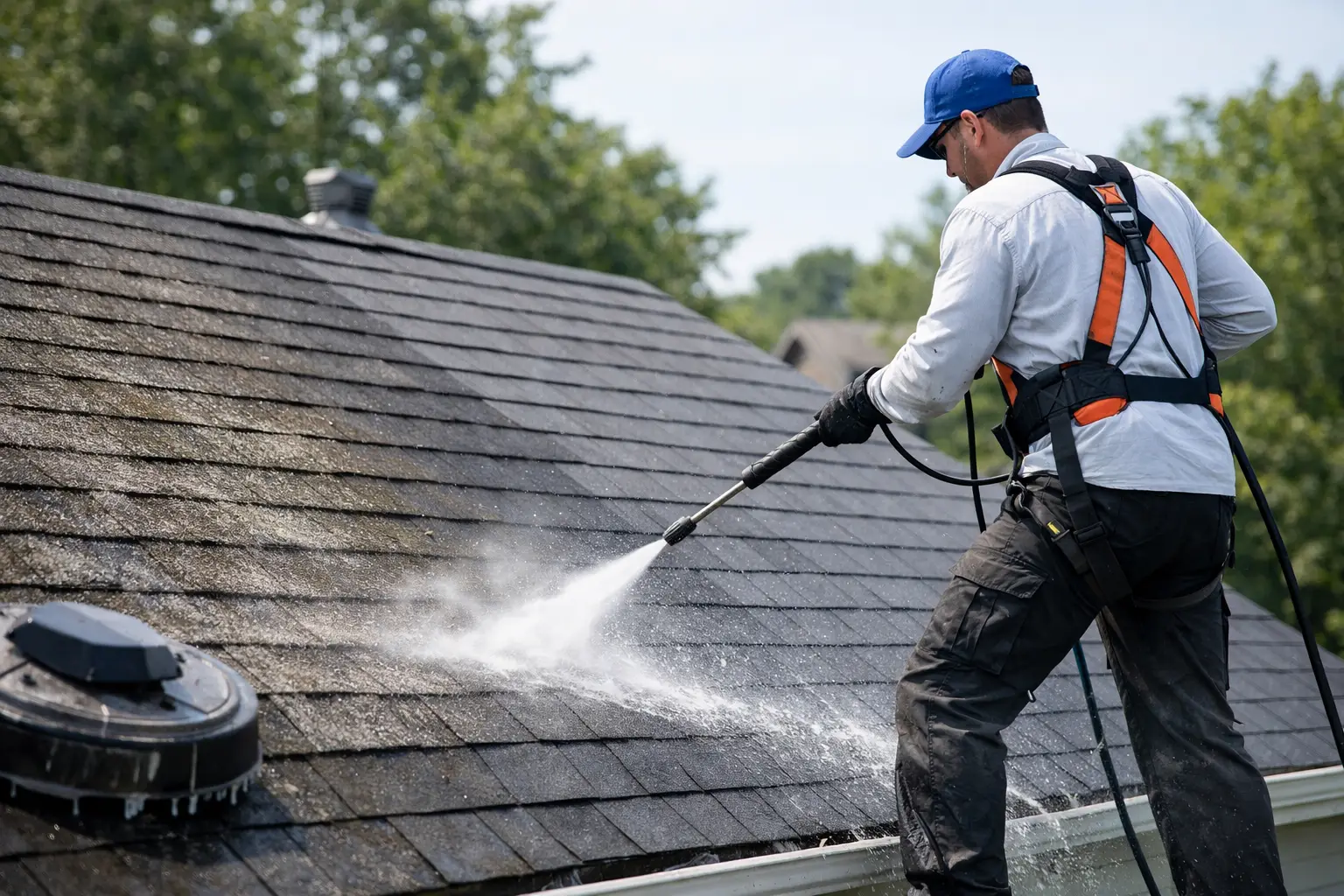
When cleaning is appropriate, a soft-wash method is used rather than high-pressure washing. Asphalt shingles are not built to withstand a pressure washer at close range. Excessive pressure can dislodge protective granules, force water under shingles, and shorten the life of the very roof you are trying to protect.
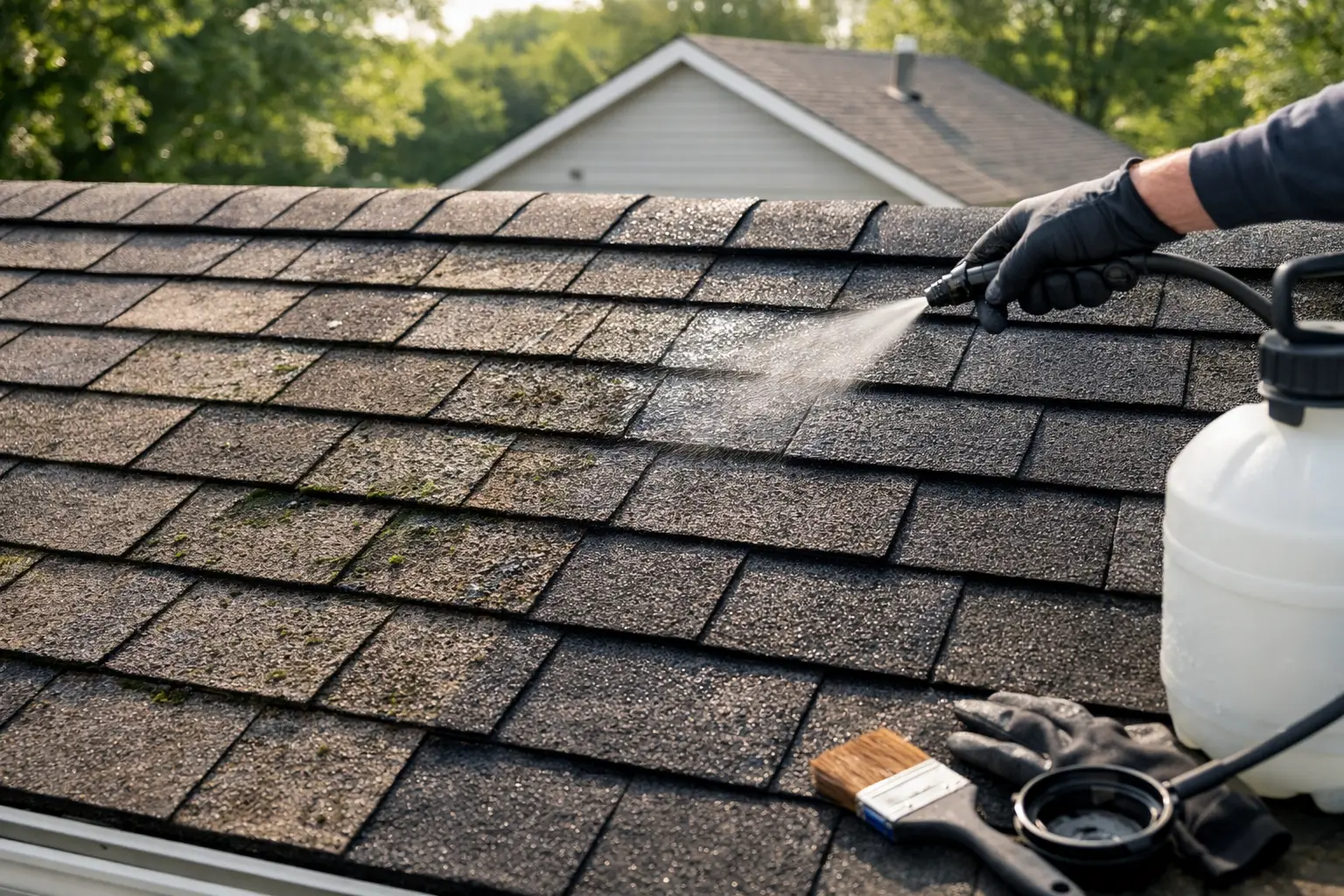
After preparation, the rejuvenating treatment is applied evenly to eligible shingles. The treatment needs suitable weather conditions so it can be applied and absorbed properly. Rain forecasts, surface temperature, roof moisture, and site safety all influence scheduling. A professional team should never rush a roof treatment just to keep a calendar date.
The roof is then documented again so the homeowner has a clear record of the work performed and the conditions observed. That record can be useful when planning future maintenance and budgeting for eventual replacement down the road.
The Savings Are Real, but They Are Not Automatic
One of the strongest reasons homeowners consider rejuvenation is cost. A properly qualified preservation treatment can cost at least 80% less than a full roof replacement. It also avoids the noise, debris, material disposal, and disruption that come with tearing off an existing roof.
Still, the value is not simply the price of the treatment. The value comes from gaining additional useful years from shingles that are otherwise sound. If a roof can be maintained safely rather than replaced prematurely, homeowners have more time to plan, save, and make replacement decisions on their own terms.
There are trade-offs. Rejuvenation does not provide the fresh warranty, new flashing system, or complete material reset that comes with replacement. A roof with serious defects may need repairs first, and some roofs will need replacement regardless of maintenance. The practical question is not, “Can this treatment make my roof last forever?” It is, “Is this roof in good enough condition for preservation to make financial and structural sense?”
Protect the Parts of the Roof System Around It
Shingles do not work alone. Clogged gutters can cause water to back up near roof edges. Overhanging limbs can keep portions of the roof damp and feed moss growth. Poor attic ventilation can add heat stress from below, while damaged flashing can create leaks that have nothing to do with the shingle surface.
That is why roof preservation works best as part of regular exterior maintenance. Keeping gutters clear, managing nearby vegetation, watching for storm damage, and addressing small repairs promptly all help protect the investment you make in the roof. For many homeowners, a recurring upkeep plan is easier than waiting for visible problems to pile up.
A Straight Answer Is the Best Starting Point
Your roof does not need to look perfect to be worth saving. It does need a clear, honest assessment from someone who can tell the difference between normal aging, treatable surface issues, repair needs, and true end-of-life failure.
Schedule your free roof assessment with a licensed and insured local team. A careful inspection can show whether roof rejuvenation is a sensible way to protect your shingles, improve your home’s appearance, and avoid spending replacement-level money before it is truly necessary.
continue reading
Related Posts
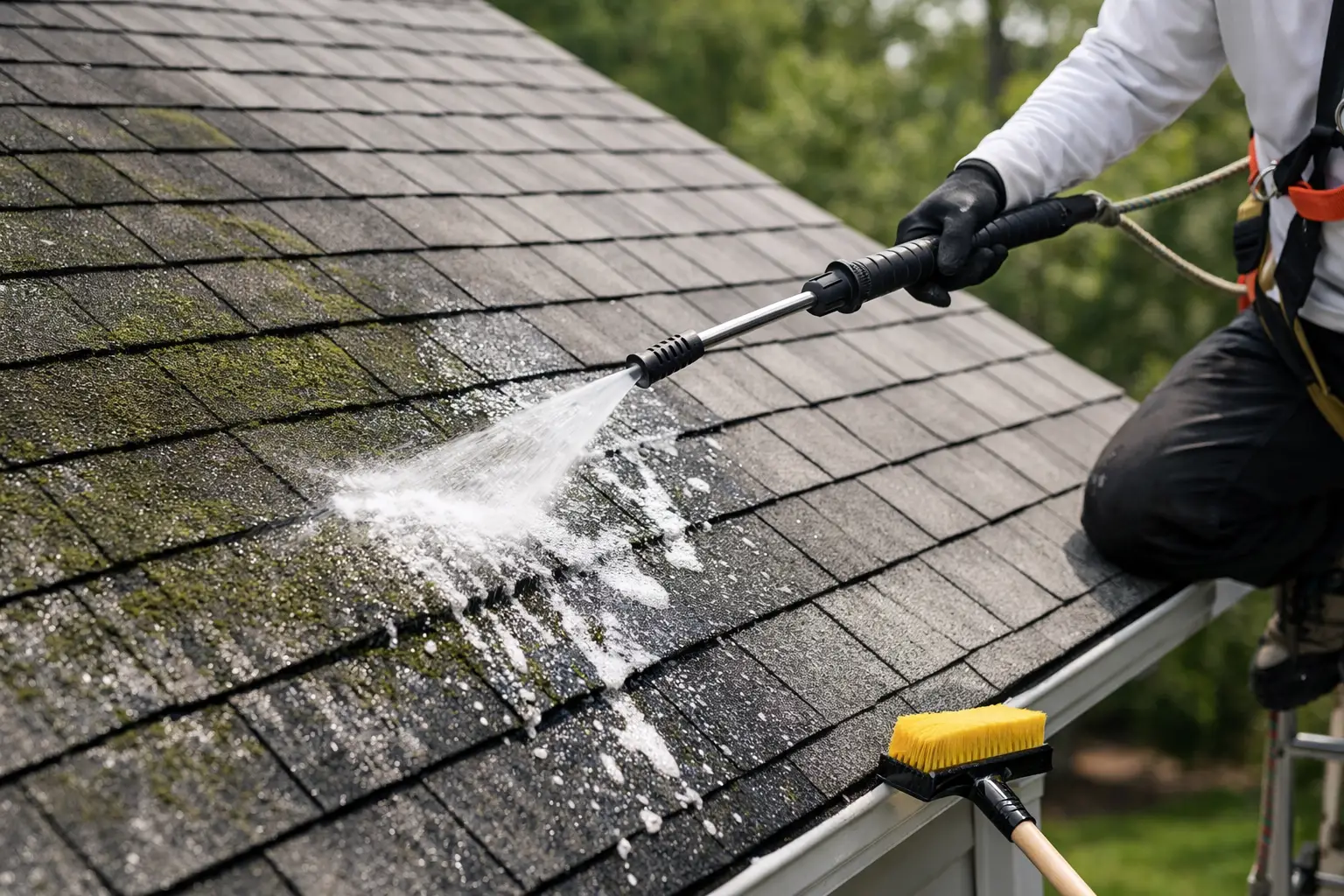
Learn how to remove algae from shingles safely, protect asphalt roofs, and avoid premature replacement with practical homeowner guidance in Westchester.
Roof cleaning removes algae, moss, and debris safely, helping Southern Westchester homeowners protect shingles, curb appeal, and roof life for years.
Learn how shingle preservation products can restore flexibility, slow roof aging, and help Westchester homeowners avoid premature replacement costs today.