
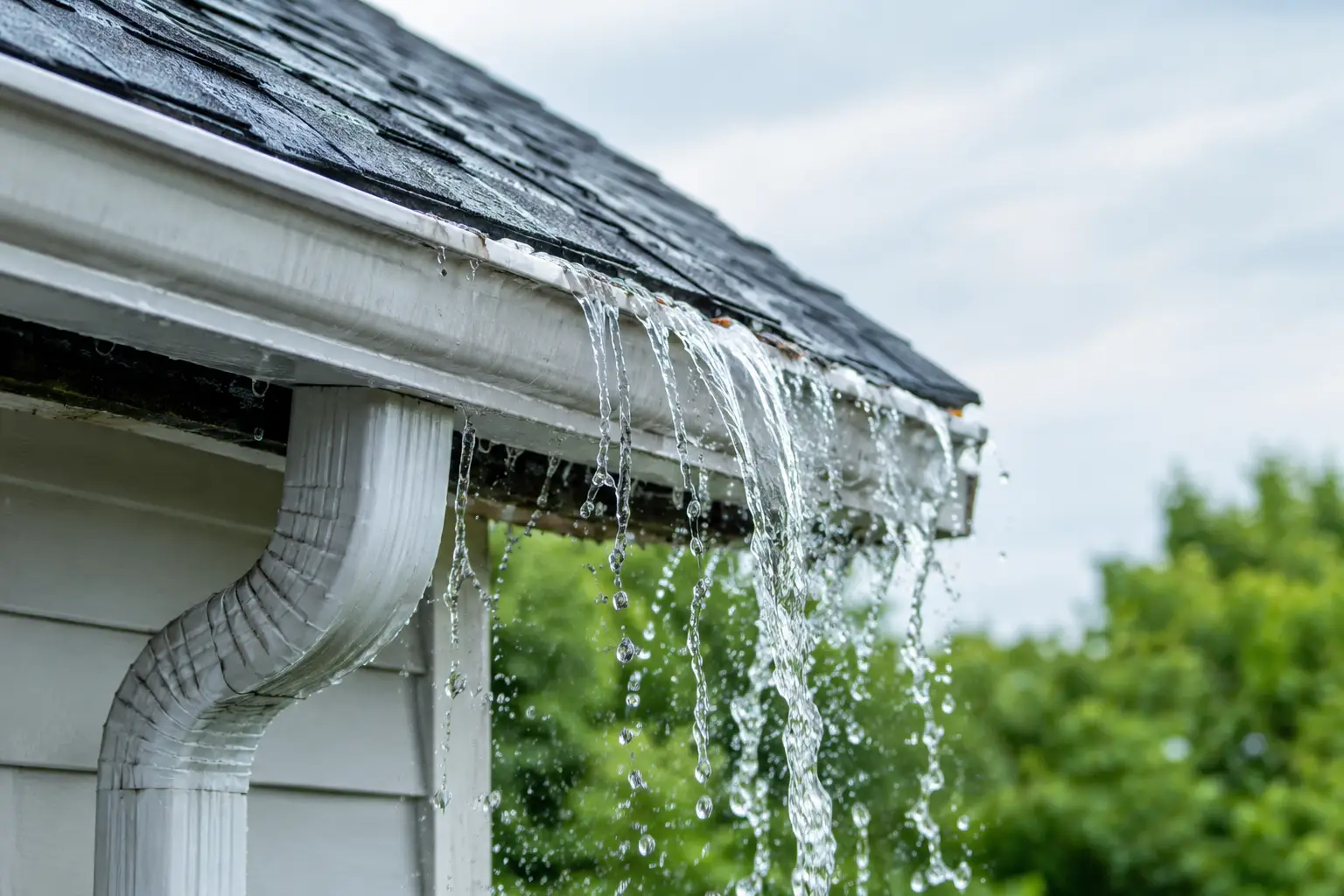
Water spilling over the front edge of a gutter is not just an untidy sight during a hard rain. The most common gutter overflow causes can put water where it does not belong: behind fascia boards, against siding, around the foundation, and into planting beds. For Southern Westchester homeowners, where mature trees and seasonal storms put steady pressure on exterior drainage, catching the reason early can prevent a small maintenance issue from becoming a repair project.
The Most Common Gutter Overflow Causes
Leaves, grit, and roof debris
A clogged gutter is the cause most homeowners expect, and it is still the leading problem. Leaves, maple seeds, twigs, shingle grit, and roofing moss collect in the trough. Over time, the debris forms a dense, wet layer that blocks water from reaching the downspout.
The trouble is not always visible from the ground. A gutter may look clear along its front edge while compacted debris is sitting at the bottom or packed inside the outlet to the downspout. Water then rises quickly during a storm and spills over the lowest point.
Trees are valuable parts of a Westchester property, but homes beneath oaks, maples, and pines often need more than one gutter cleaning per year. A spring cleanup and a late-fall cleanup are a sensible baseline. Properties with heavy tree cover may need an additional visit after major leaf drop or windstorms.
Blocked or undersized downspouts
A clean gutter still cannot drain if the downspout is obstructed. Debris often gathers at the top elbow, where the gutter outlet narrows, or at a bend farther down the pipe. Water can back up through the whole gutter run before the blockage is obvious.
In other cases, the downspout is simply too small for the roof area feeding it. This is especially common where an addition, porch roof, or dormer sends extra water into one section of gutter. During normal rain, the system may appear fine. During a fast-moving downpour, it cannot move water away quickly enough.
A professional inspection can determine whether cleaning is enough or whether adding a downspout, widening an outlet, or adjusting the drainage layout would be the better long-term fix. Bigger is not always necessary, but the system should match the roof’s drainage load.
Incorrect gutter pitch
Gutters need a subtle slope toward each downspout. If they are level, sagging, or pitched in the wrong direction, water pools instead of traveling out. Standing water adds weight, contributes to corrosion in older metal gutters, and becomes a breeding ground for debris buildup.
You may notice this problem on a dry day. Look for water lines, dark staining, or debris collected in one area of an otherwise clean gutter. After rain, listen for dripping from the same spot long after the rest of the system has stopped draining.
Correcting pitch requires more than pushing the gutter upward from a ladder. The hangers, fascia condition, outlet location, and entire run need to be considered. A poorly supported gutter can pull away again once it is filled with water and wet debris.
Loose hangers and sagging sections
Gutters are designed to carry moving water, not the heavy weight of standing water, leaf compost, ice, and snow. When fasteners loosen or fascia boards begin to deteriorate, the gutter can sag between hangers. That sag becomes a collection point, which makes the problem worse with every storm.
Overflow at a single low section often points to a support issue. You might also see a gutter line that looks wavy, a visible gap between the gutter and fascia, or water running behind the gutter instead of into it. Water behind the gutter deserves prompt attention because it can damage the wood that anchors the system.
Roof valleys sending too much water into one spot
Not all overflow begins inside the gutter. A roof valley concentrates rainwater from two roof planes into a narrow stream. If that stream hits the gutter with enough force, it can shoot past the trough, splash over the edge, or overwhelm a corner during heavy rain.
Valley overflow is common on homes with complex rooflines. It may also be worsened by loose or damaged shingles, moss buildup that changes the path of water, or a gutter installed too low beneath the valley. The solution might involve a splash guard, a gutter adjustment, or a closer look at the roof condition. It depends on how the water is moving, not just where it lands.
Ice and winter drainage issues
New York winters create a different kind of overflow. Ice can block a downspout, fill a gutter channel, or trap water at the roof edge. When melting snow has nowhere to go, it may spill over or refreeze. That repeated freeze-thaw cycle can strain gutters and contribute to ice dams along the roofline.
Gutters are only one part of winter roof performance. Attic insulation, ventilation, air leaks, roof snow conditions, and exterior drainage all play a role. Cleaning gutters before winter helps, but it will not solve an ice-dam issue caused by heat escaping from the home.
Warning Signs to Take Seriously
The best time to address an overflow problem is before you see water in a basement or damage on the siding. Watch the system during a steady rain from a safe spot on the ground. Water should enter the gutter, move toward the downspout, and discharge well away from the house.
Pay attention if you see water cascading over the gutter edge, dripping behind the gutter, pouring from a seam, or shooting out of a downspout joint. Peeling paint on fascia, dark stains on siding, soil erosion beneath downspouts, and mildew near the foundation are also signs that water has been misdirected for some time.
Never climb onto a wet roof or lean a ladder against a loose gutter to investigate. Gutters can fail under body weight, particularly when they are already carrying debris or standing water. A ground-level observation and a professional assessment are safer and usually more informative.
How to Fix Gutter Overflow Without Guesswork
Start by identifying whether the overflow occurs along the entire run or at one specific point. Overflow across a long section often suggests a widespread clog or inadequate capacity. A single trouble spot may point to a blocked outlet, failed hanger, seam leak, or roof valley issue.
Thorough gutter cleaning should include removing debris from the gutters, clearing downspouts, checking the outlets and elbows, and flushing the system to confirm water movement. Simply pulling visible leaves from the top is not enough if sediment remains at the bottom or a downspout is packed out of sight.
Once the system is clear, inspect its condition. Secure loose fasteners, repair damaged fascia before reattaching gutters, reseal leaking joints where appropriate, and correct sagging or poor pitch. Downspout extensions should carry water away from the foundation without creating a trip hazard or dumping water toward a neighbor’s property.
Gutter guards can reduce how much debris enters the system, especially on tree-lined lots, but they are not a maintenance-free promise. Fine grit, seed pods, roof granules, and debris on top of the guard can still affect drainage. The right guard depends on the roof, nearby trees, gutter condition, and the homeowner’s willingness to schedule periodic service.
Protect the Roof While You Protect the Gutters
Overflowing gutters and roof maintenance are closely connected. Moss, algae, and accumulated organic debris on an asphalt-shingle roof can hold moisture and interfere with normal water flow. That does not mean every stained roof needs replacement or aggressive pressure washing. In fact, high-pressure washing can damage shingles and dislodge protective granules.
A proper exterior assessment considers the full water path: the roof surface, valleys, gutters, downspouts, and the ground around the home. Roof Rescue Southern Westchester takes that practical approach, helping homeowners identify avoidable maintenance needs before they turn into expensive roof, fascia, siding, or foundation repairs.
If your gutters overflow only during unusually severe storms, the system may be functioning near its capacity rather than failing outright. But if water spills during ordinary rain, leaves persistent staining, or drains toward the house, it is time to have it evaluated. A clear, properly pitched gutter system protects far more than the edge of your roof – it helps protect the home you have worked hard to maintain.
continue reading
Related Posts
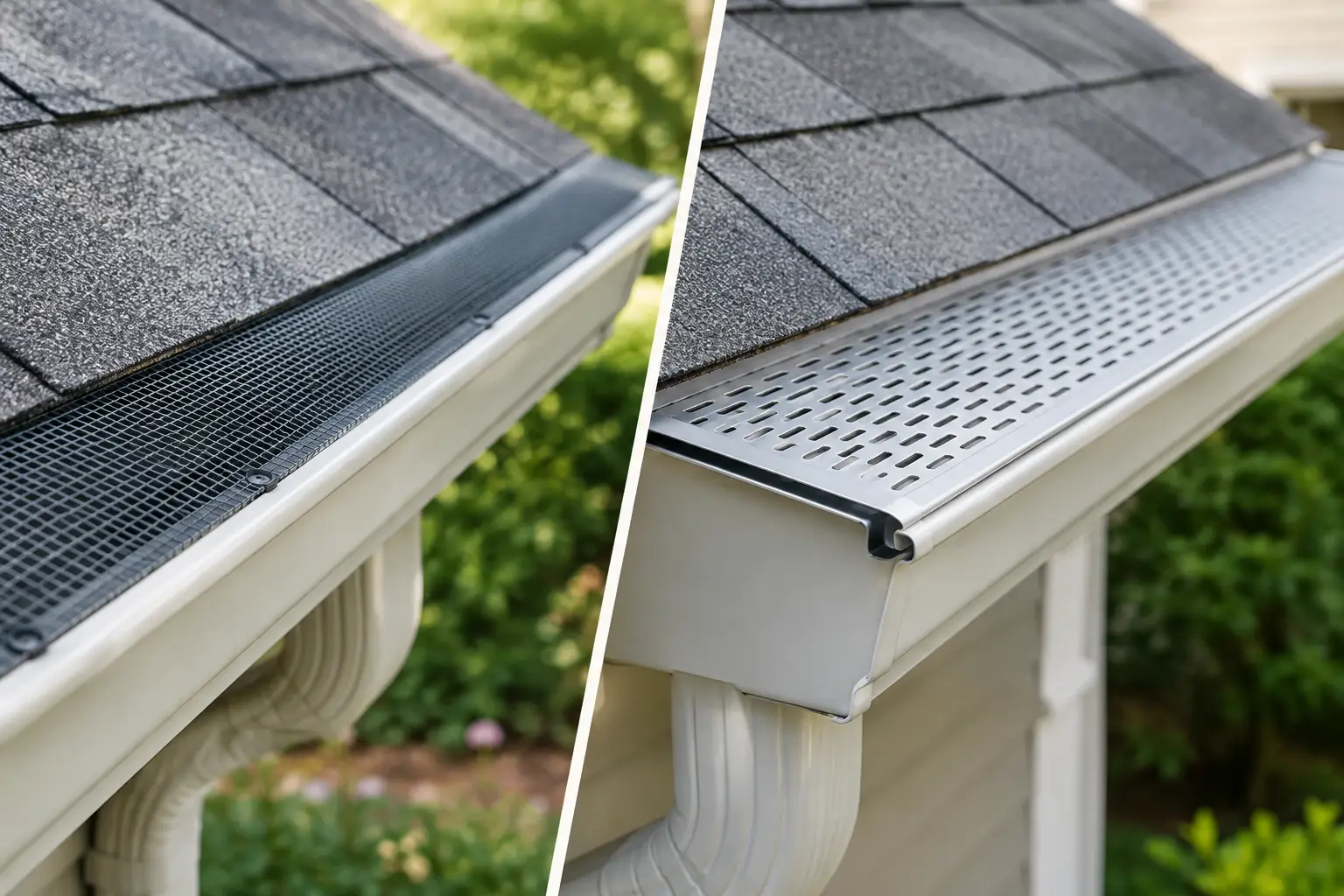
Comparing gutter screens versus guards? Learn which option fits Westchester homes, sheds leaves reliably, and reduces cleaning without trapping debris.
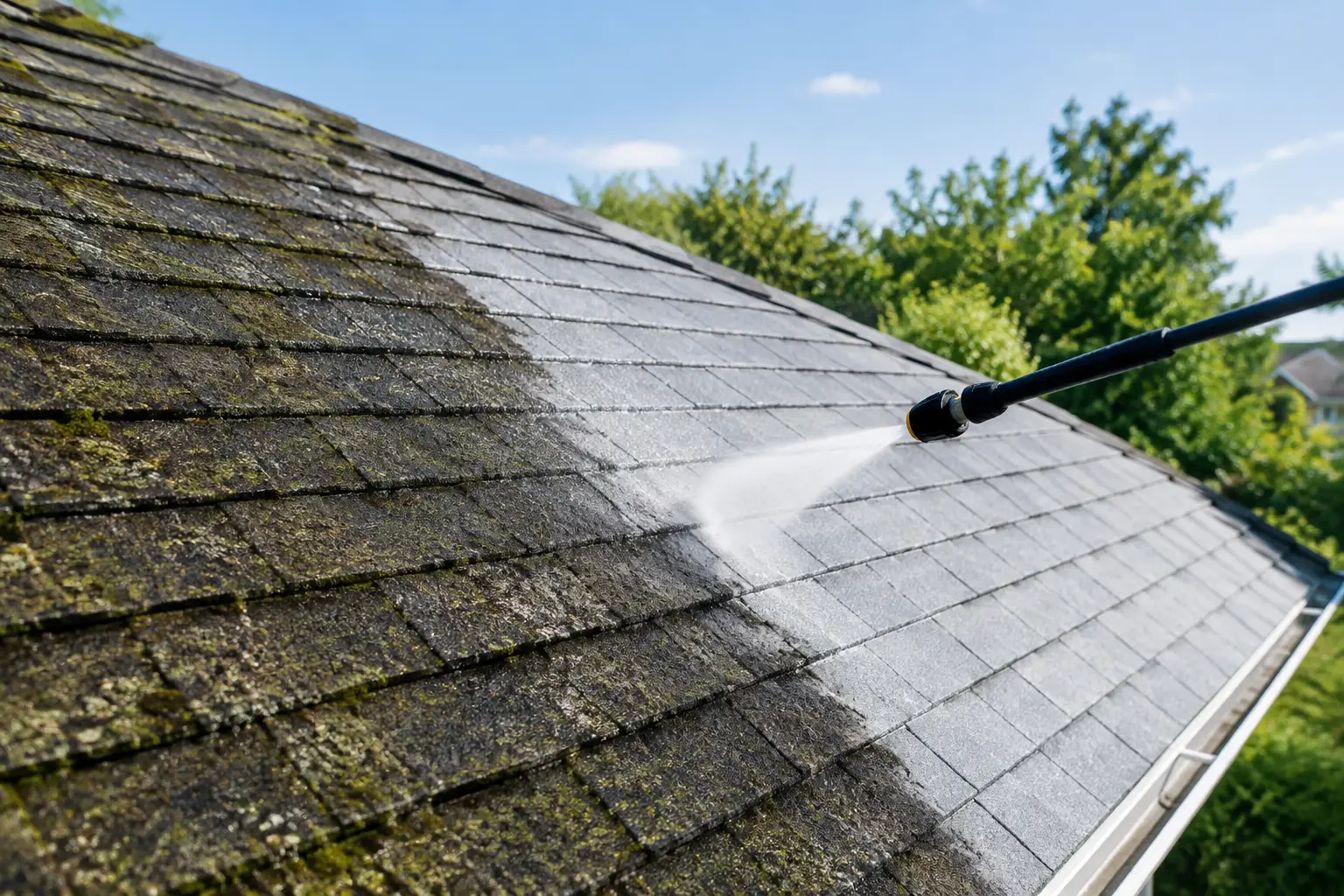
See what real roof cleaning results look like, how long they take, and why safe treatment can protect shingles and help avoid costly replacement bills.

Does soft washing kill mold? Learn how low-pressure cleaning removes exterior growth, when stains suggest damage, and how to protect your home safely.