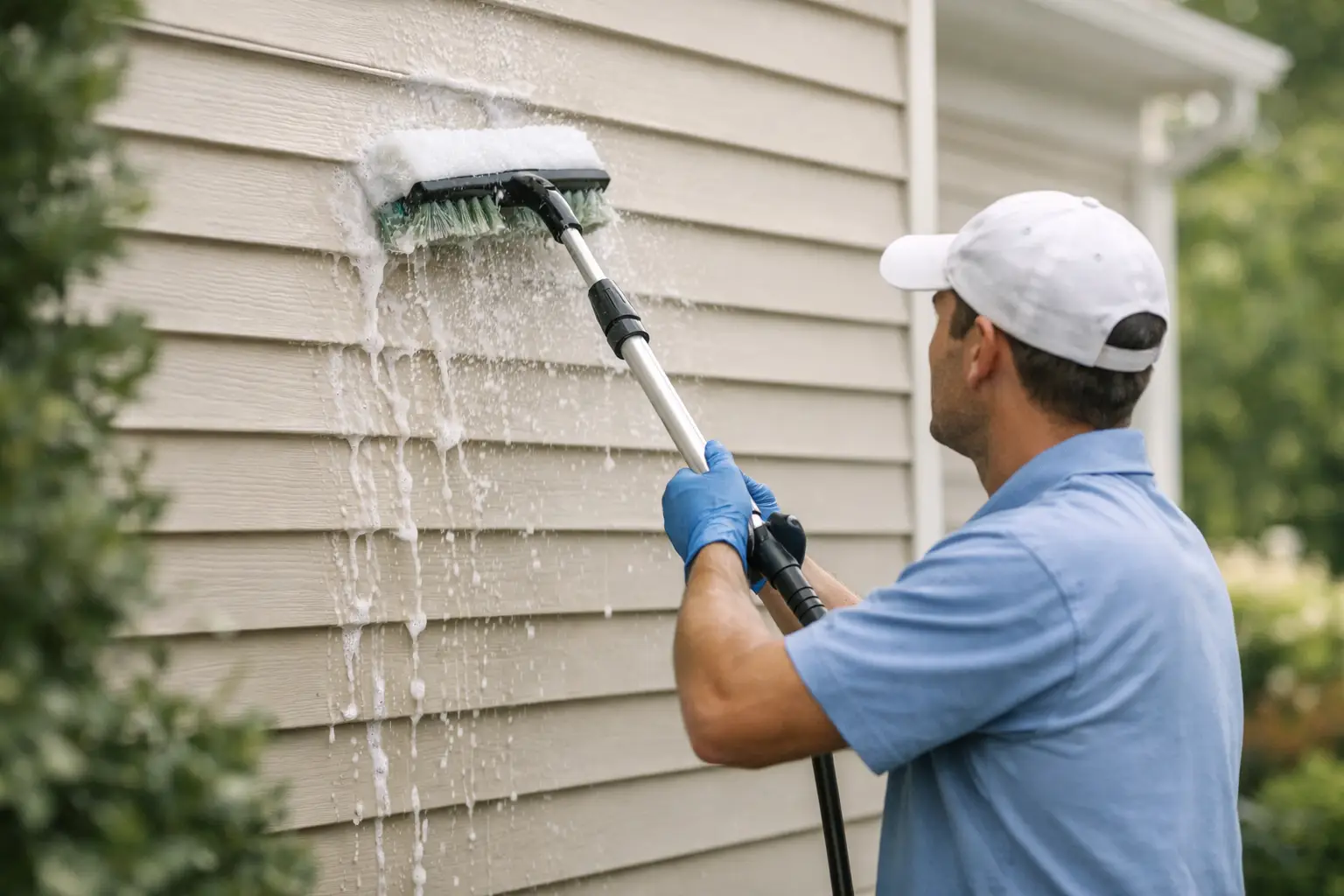
Dark green streaks along the north side of a home are not just a curb-appeal problem. They are usually algae, mildew, or organic buildup holding moisture against the surface. Learning how to soft wash siding helps homeowners remove that growth without the risk of forcing water behind panels, stripping paint, or damaging landscaping.
Soft washing uses a low-pressure application of a siding-safe cleaning solution, followed by a gentle rinse. The cleaning solution does the work, not blasting water at the house. That difference matters, especially on vinyl siding, painted wood, fiber cement, older trim, and homes with aging caulk around windows and doors.
What Soft Washing Does for Siding
Siding collects more than ordinary dust. In Westchester County, shaded areas and humid weather can encourage algae, mildew, pollen residue, and surface grime. These contaminants can make light-colored siding look dull, leave black or green staining, and create a neglected appearance even when the home is otherwise well maintained.
A proper soft wash breaks down that organic growth at its source. It is gentler than pressure washing, but it should not be confused with simply spraying the home with a garden hose. The right solution, dilution, dwell time, and rinse process all affect the result.
Soft washing is generally a good fit for vinyl siding and many painted exterior surfaces. It may not be the right approach for severely deteriorated wood, loose siding panels, failing paint, or areas where water intrusion is already a concern. Those conditions should be assessed before cleaning begins.
Before You Soft Wash Siding, Inspect the Exterior
Start with a careful walk-around. Look for loose panels, cracked siding, missing caulk, rotted trim, open gaps around utility penetrations, peeling paint, and damaged window seals. Cleaning will not fix those issues, and spraying water into an opening can make an existing problem worse.
Pay attention to oxidation as well. Older vinyl siding can develop a chalky film that transfers to your hand when touched. Aggressive scrubbing or a strong chemical mix can leave visible streaks on oxidized siding. In that case, test a small, inconspicuous area first and use the mildest effective approach.
Check the weather before scheduling the work. A calm, overcast day is ideal. Strong sun can dry cleaning solution too quickly, while high winds can carry overspray onto windows, neighboring properties, and plants. Avoid cleaning when freezing temperatures are expected, since rinse water can create hazardous surfaces and may not dry properly.
How to Soft Wash Siding Safely
The safest process is methodical. Rushing is where homeowners often damage plants, miss rinse areas, or apply too much pressure.
Protect plants, outdoor fixtures, and surrounding surfaces
Thoroughly wet shrubs, flower beds, grass, and nearby soil before applying any cleaning solution. Saturated plants are less likely to absorb runoff. Cover delicate plants only when necessary, and do not leave coverings on long enough to trap heat.
Close windows and doors, then check that screens are secure. Move patio furniture, grills, toys, and decorative items away from the wall. Turn off exterior electrical fixtures if appropriate and avoid directing water toward outlets, service panels, vents, or exposed wiring.
If your home uses a well, septic system, or has a pond near the work area, take extra care with product selection and runoff control. A professional should be able to explain what is being used and how landscaping will be protected before work starts.
Use low pressure and a siding-appropriate solution
A soft-wash system applies solution at low pressure. The goal is to coat the surface evenly, not drive liquid under the siding. Never use a narrow, high-pressure tip on siding. Even sturdy-looking vinyl can crack, warp, or loosen when hit with concentrated pressure. Water can also get behind lap siding and create moisture problems inside the wall assembly.
Use a cleaner specifically labeled for exterior siding and follow its directions for dilution and contact time. Stronger is not automatically better. A solution that is too concentrated can discolor paint, affect aluminum trim, harm plants, or leave uneven results. Different materials require different care, so do not assume one mix is suitable for every wall on the property.
Work in manageable sections, generally from the bottom upward when applying solution. This helps prevent dry streaks from forming as cleaner runs down the wall. Keep the surface wet while the product works, but do not allow solution to dry on siding, glass, trim, or painted surfaces.
Rinse gently and completely
After the proper dwell time, rinse with low pressure from the top down. This carries loosened dirt and cleaner away from the house in a controlled direction. Keep the spray angle pointed downward, following the overlap of the siding panels rather than forcing water up beneath them.
Rinse windows, trim, gutters, downspouts, and nearby masonry as you go. Then rinse the landscaping again. Do not assume rain will take care of this step. A complete rinse is one of the best protections for both the home and the plants around it.
Some stubborn staining may need a second light treatment rather than more pressure. If a stain does not improve after proper cleaning, it may be oxidation, paint failure, rust, tannin bleed, or another issue that washing will not solve.
Common Mistakes That Make Siding Cleaning Risky
The most common mistake is treating siding like a driveway. Concrete can tolerate far more pressure than vinyl, wood, or painted trim. A pressure washer may appear to clean faster, but the hidden cost can be water behind siding, damaged seals, etched surfaces, or a repair that was never part of the plan.
Another mistake is skipping plant protection. Even cleaners marketed as exterior-safe need to be used responsibly. Pre-wetting, controlled application, and thorough rinsing are not optional steps.
Homeowners also sometimes clean only the visibly stained wall. That can create an uneven finish, especially on older siding. When practical, clean full sections so the result looks consistent. If one side of the home has heavy algae because of shade or nearby trees, consider trimming back vegetation to improve airflow and sunlight exposure after cleaning.
Finally, do not clean over a problem you have not identified. Brown stains below a roof edge may be caused by gutter overflow. Dark vertical lines near a window may point to a leaking seal. A clean wall is helpful, but correcting the source keeps the staining from returning quickly.
When to Call a Professional for Soft Washing
DIY soft washing can make sense for a small, accessible section of siding in good condition. It becomes less practical when the home is two stories, the staining is widespread, landscaping is dense, or the exterior has delicate materials and questionable seals.
Professional service is also worthwhile when algae returns repeatedly. A trained exterior-maintenance team can look beyond the stain and identify contributing conditions such as clogged gutters, roof runoff, poor drainage, shaded areas, or failing caulk. That is the difference between cleaning a symptom and protecting the property.
For homeowners in Southern Westchester, Roof Rescue Southern Westchester approaches exterior cleaning with the same care it brings to roof preservation: assess first, use the appropriate method, protect the property, and avoid recommending work that is not needed. A clear assessment with photos can help you decide whether soft washing is the right answer or whether a repair should come first.
Keep Siding Cleaner Between Washes
Most homes do not need siding cleaned every year, though shaded or tree-covered properties may need attention more often. The right interval depends on the home’s exposure, landscaping, moisture conditions, and the type of siding.
Simple upkeep goes a long way. Keep gutters flowing so dirty overflow does not run down exterior walls. Clear leaves from roof edges and around downspouts. Trim branches that sit close to the house, and make sure sprinklers are not repeatedly soaking the same siding section.
A properly soft-washed exterior should look refreshed, not stressed. If you are unsure about the condition of your siding, caulk, gutters, or nearby roof areas, getting a straightforward professional assessment before cleaning can prevent a small maintenance task from becoming an avoidable repair.
continue reading
Related Posts
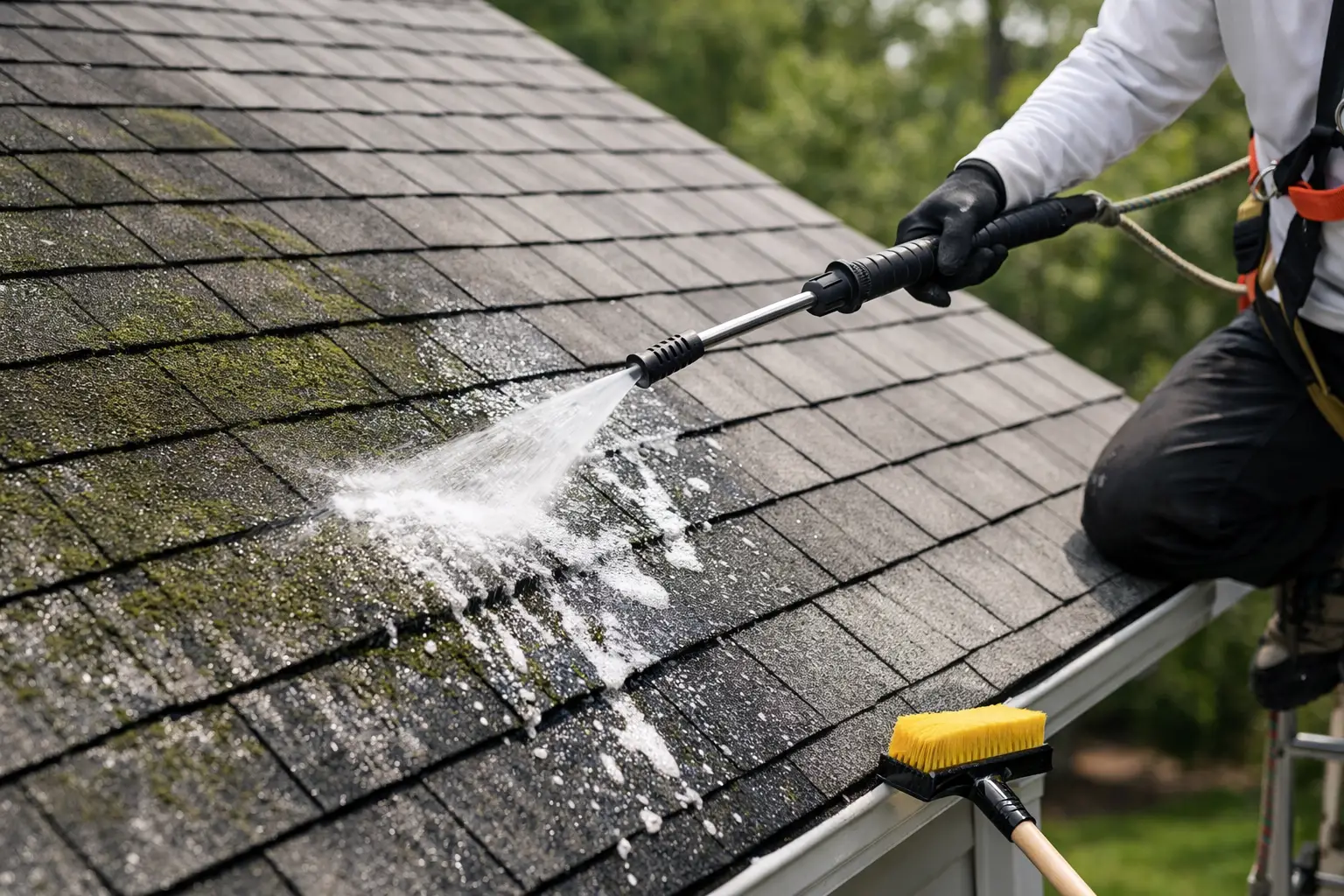
Learn how to remove algae from shingles safely, protect asphalt roofs, and avoid premature replacement with practical homeowner guidance in Westchester.
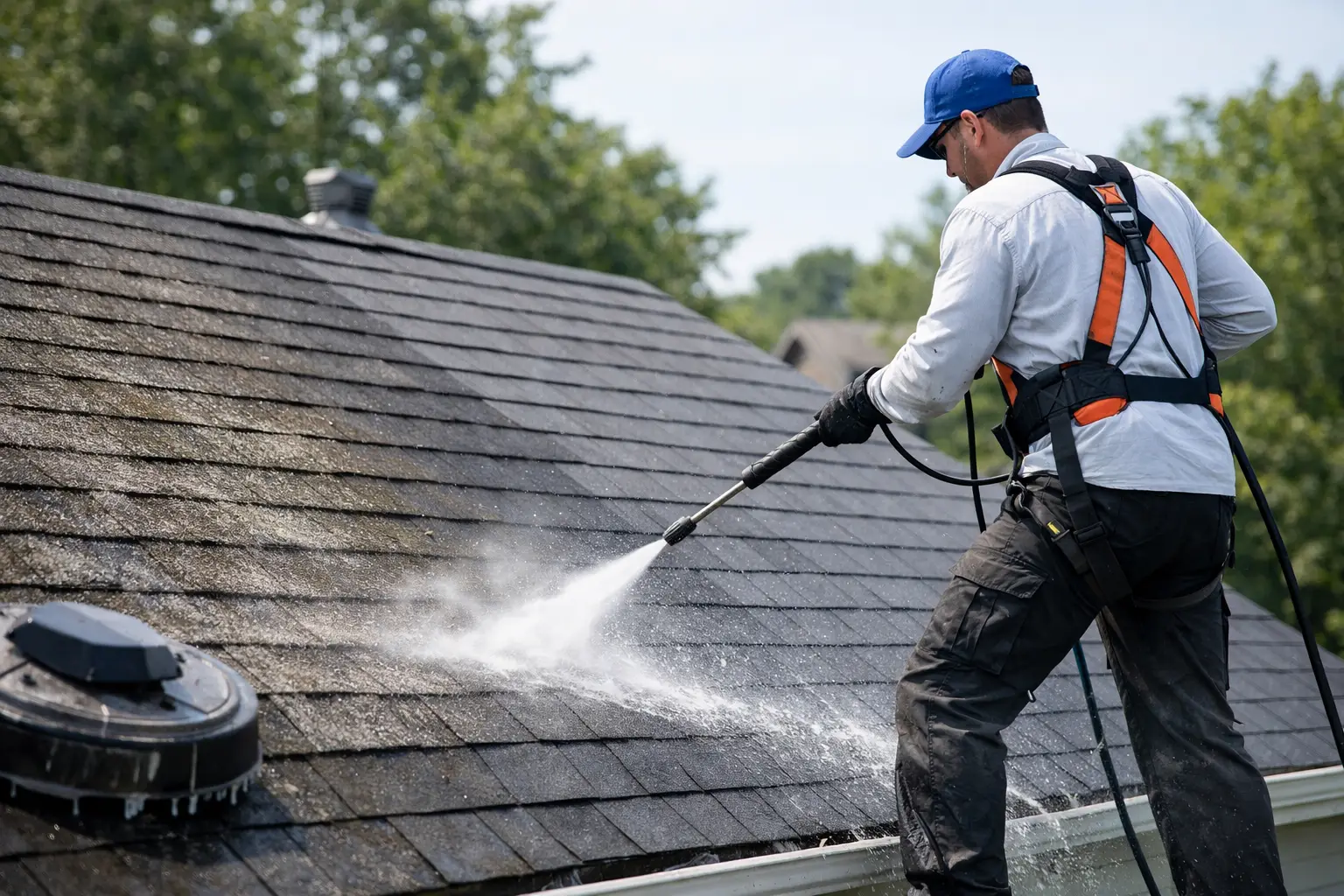
Roof cleaning removes algae, moss, and debris safely, helping Southern Westchester homeowners protect shingles, curb appeal, and roof life for years.
Learn how shingle preservation products can restore flexibility, slow roof aging, and help Westchester homeowners avoid premature replacement costs today.