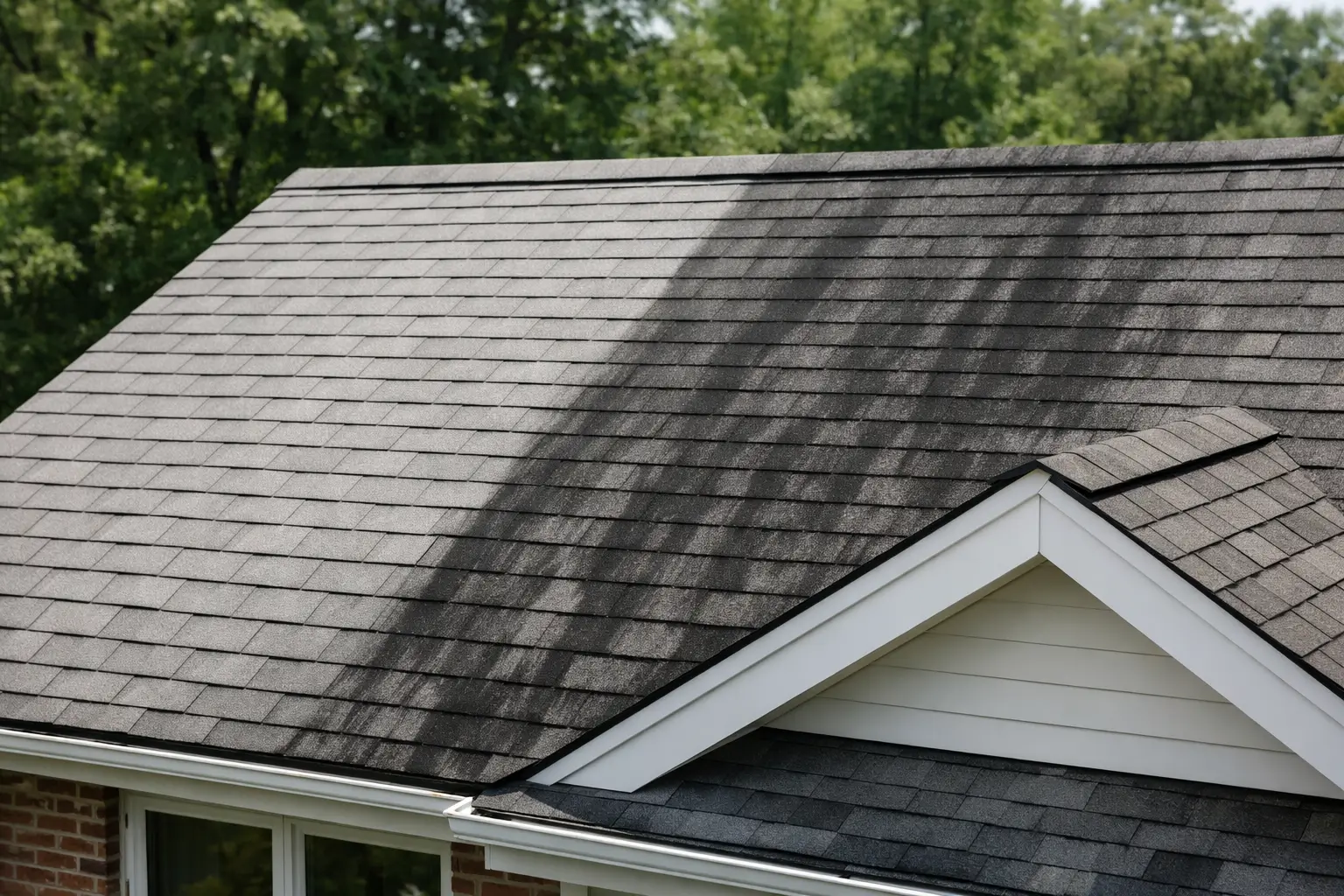
Those dark, trailing marks on an otherwise sound-looking roof are easy to mistake for dirt, age, or a roofing failure. In most cases, what causes roof black streaks is a living organism that thrives in the same damp, shaded conditions common around Southern Westchester homes. The good news is that black streaks do not automatically mean you need a new roof. They do mean your roof deserves a closer look before a cosmetic issue becomes a more expensive maintenance problem.
What Causes Roof Black Streaks?
The most common culprit is a type of blue-green algae called Gloeocapsa magma. Despite its name, this organism often looks black or dark brown from the ground. It settles onto asphalt shingles, absorbs moisture and nutrients, and spreads gradually across the roof surface.
As the algae grows, it creates the familiar streaked pattern that runs down the slope of the roof. Rain carries the algae’s dark protective coating downward, which is why the staining often begins as small spots and eventually resembles long black trails. The growth is especially visible on light-colored shingles, but it can affect almost any asphalt-shingle roof.
Algae does not arrive because a homeowner has done anything wrong. Its spores travel through the air and can settle on nearly any roof. Once conditions are favorable, the roof becomes a place where the organism can remain, spread, and hold moisture longer than a clean roof would.
Why asphalt shingles are a common target
Many asphalt shingles contain limestone-based filler. Algae can use the minerals in that filler as a food source. Add morning dew, humid summer weather, falling leaves, and reduced sunlight, and the conditions become even more favorable for growth.
This is one reason black streaks appear on roofs that are otherwise structurally sound. A roof may still be keeping water out while its surface is accumulating organic growth. Appearance matters for curb appeal, but the larger concern is what prolonged growth can do to the roof environment over time.
Why Black Streaks Are Worse on Some Homes
No two properties receive the same amount of sun, airflow, moisture, or tree debris. A home near mature trees or on a shaded street may develop visible algae sooner than a neighboring home with the same type of shingle.
North-facing roof slopes are often affected first because they receive less direct sun and dry more slowly. Areas below tree branches, near chimneys, or where leaves collect can also stay damp longer. Clogged gutters are another common contributor. When water cannot move cleanly through the gutter system, the roof edge can remain wet and collect debris.
Southern Westchester’s changing seasons can add to the problem. Spring pollen, summer humidity, autumn leaves, and winter moisture all create opportunities for organic material to build up. That does not mean every dark roof needs immediate treatment, but it does mean homeowners should not ignore a stain simply because it seems like a cosmetic concern.
Algae, moss, and lichen are not the same thing
Black streaking is usually algae. Moss is thicker, greener, and more noticeable because it forms clumps that can grow between or beneath shingle edges. Lichen often appears as flat, crusty green, gray, or white patches that bond tightly to the surface.
These organisms require different levels of care. Moss and lichen can be more concerning because they hold moisture against the shingles and may lift or disturb shingle edges as they grow. Scraping them away aggressively can remove protective granules, so a professional assessment is worthwhile before anyone starts brushing, pressure washing, or applying a store-bought cleaner.
Are Roof Black Streaks Damaging Your Shingles?
Algae staining is generally less destructive than moss or lichen, but it should still be treated as a maintenance signal. The growth can retain moisture and add heat-absorbing dark coverage to the roof surface. Over time, those conditions may contribute to faster wear, particularly on an older roof already dealing with ultraviolet exposure, granule loss, brittleness, or reduced shingle oils.
The degree of risk depends on the roof’s age and condition. A newer roof with light algae staining may mainly need safe cleaning and better debris control. A roof approaching the later part of its expected service life may need a more detailed evaluation for cracking, missing granules, lifted tabs, exposed fasteners, or soft areas around penetrations.
A responsible recommendation should separate staining from genuine roof failure. Black streaks alone are not proof that replacement is necessary. On the other hand, cleaning alone cannot repair shingles that are already brittle, severely worn, or leaking. Clear photos and an honest roof assessment help homeowners make the right call without being pushed toward unnecessary work.
What Not to Do About Roof Black Streaks
The instinct to blast the stains away with a pressure washer is understandable. It is also one of the quickest ways to shorten the life of an asphalt-shingle roof. High-pressure washing can dislodge the granules that protect shingles from sunlight and weather, force water beneath shingle tabs, and create an uneven appearance.
Avoid harsh scrubbing as well. A stiff brush can damage the shingle surface, especially when the roof is older or already showing granule loss. Walking on a steep, wet, or algae-covered roof also creates a serious fall risk. Roof work should never be treated like an ordinary weekend cleaning project.
Bleach-heavy products used without the right process can create another set of problems. They may harm landscaping, stain adjacent materials, or leave an uneven result if they are applied incorrectly. The goal is not simply to make the roof look lighter for a day. The goal is to remove the organic growth while protecting the shingles, surrounding plants, gutters, siding, and the people doing the work.
The Safe Way to Address Algae Streaks
Professional roof cleaning typically uses a low-pressure soft-wash approach designed for asphalt shingles. Instead of relying on force, the process uses properly applied cleaning solutions to treat algae and lift staining without stripping the roof surface. The roof should then be inspected for moss, lichen, damaged shingles, and drainage concerns that may be feeding the problem.
A careful service team will protect nearby landscaping, manage runoff, and avoid sending pressure under shingles. Results can vary based on the severity of the growth. Dark algae staining often improves quickly after treatment, while heavier moss or lichen may release more gradually so the shingles are not damaged in the removal process.
For roofs that are aging but still structurally viable, a preservation treatment may also be worth discussing after cleaning. Plant-based shingle rejuvenation products can help restore lost flexibility and oils in qualifying asphalt shingles. This is not a substitute for replacement when a roof has failed, but it can be a practical option for homeowners trying to extend the useful life of a roof that still has good remaining structure.
How to Reduce Future Black Streaks
You cannot eliminate every airborne algae spore, but you can make the roof less welcoming to growth. Keep gutters clear so water moves away from the roofline as intended. Remove heavy leaf buildup, especially in valleys and behind chimneys, where damp debris can remain after rain.
Trimming branches that heavily shade the roof can improve sunlight and airflow. The right amount of trimming depends on the tree, the property, and whether the branch presents a storm risk, so avoid over-pruning simply to chase a perfectly sunny roof. Regular exterior inspections are often more useful than waiting until stains have spread across an entire slope.
Some newer shingles use algae-resistant granules, often containing copper or zinc. These can slow future staining, but they are not a guarantee against growth. If your roof is in good condition, replacement solely to address algae is rarely the first or best answer.
When to Schedule a Roof Assessment
Schedule an assessment when black streaks are spreading quickly, moss is visible, gutters overflow, or you notice shingle debris in downspouts. It is also wise to have a roof checked if the staining appears alongside curling edges, bare spots, cracked shingles, or signs of a leak inside the home.
Roof Rescue Southern Westchester approaches these visits with prevention in mind. A proper assessment should explain whether your roof needs cleaning, preservation, repair, or simply continued observation. The right service protects the home you already have and helps avoid paying for replacement before it is truly necessary.
If the dark marks on your roof have been bothering you every time you pull into the driveway, do not assume the only answer is a new roof. Schedule your free roof assessment and get a clear, practical recommendation based on your shingles, your property, and the condition you can actually see.
continue reading
Related Posts
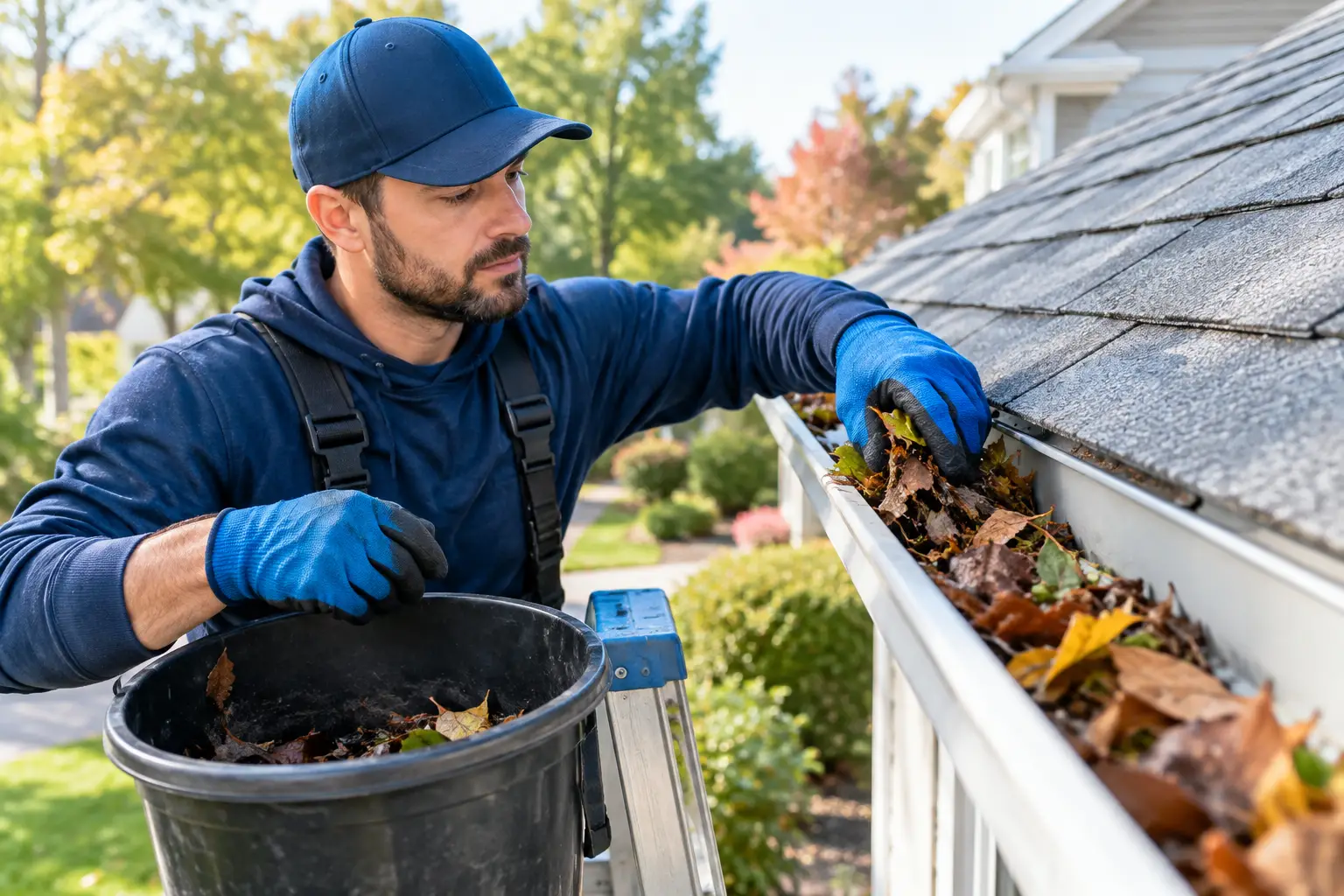
Scarsdale gutter cleaning reviews can reveal a lot. Learn which details point to safe, reliable service, fair pricing, and lasting protection for homes.
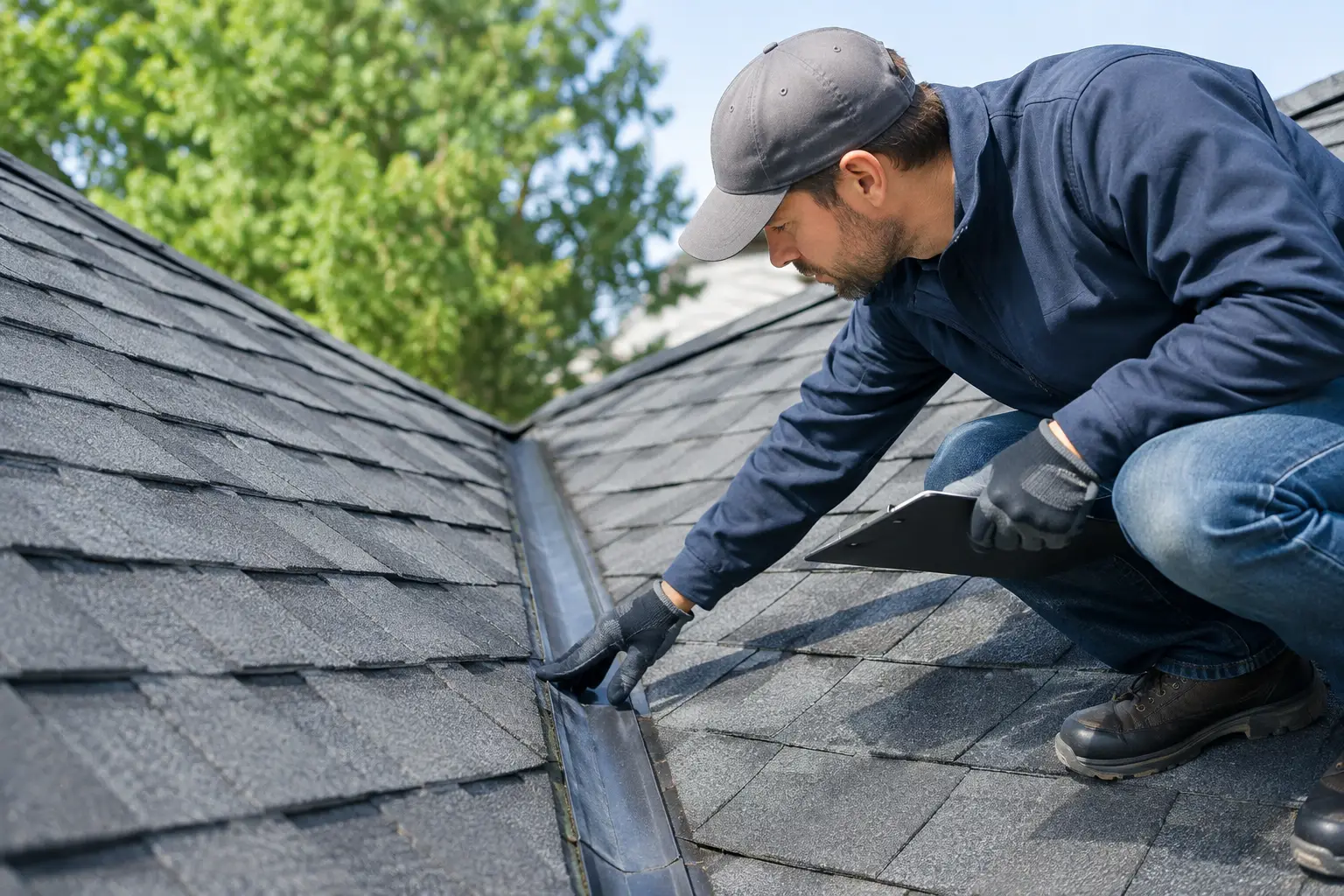
Learn how to maintain roof valleys safely, spot early trouble, protect shingles, and know when a Southern Westchester professional should step in today.
Roof restoration can clean, protect, and extend shingle life. Learn when maintenance makes sense and when replacement is the safer call for your home.