A driveway can look perfectly acceptable one season and start showing its age the next. Fading color, small cracks, rough patches, and oil stains are more than curb-appeal issues – they can be early signs that water, sun, and winter weather are gaining ground. If you are asking when should driveway be sealed, the best answer depends on the surface material, its age, its condition, and the weather forecast.
For homeowners in Southern Westchester, timing matters. Freeze-thaw cycles, road salt, snow removal, spring rain, and summer heat all put pressure on asphalt, concrete, and paver surfaces. A properly timed sealing service helps protect the investment you already have. Sealing too soon, over an unprepared surface, or in poor weather can create an uneven finish and leave the driveway vulnerable underneath.
When Should a Driveway Be Sealed?
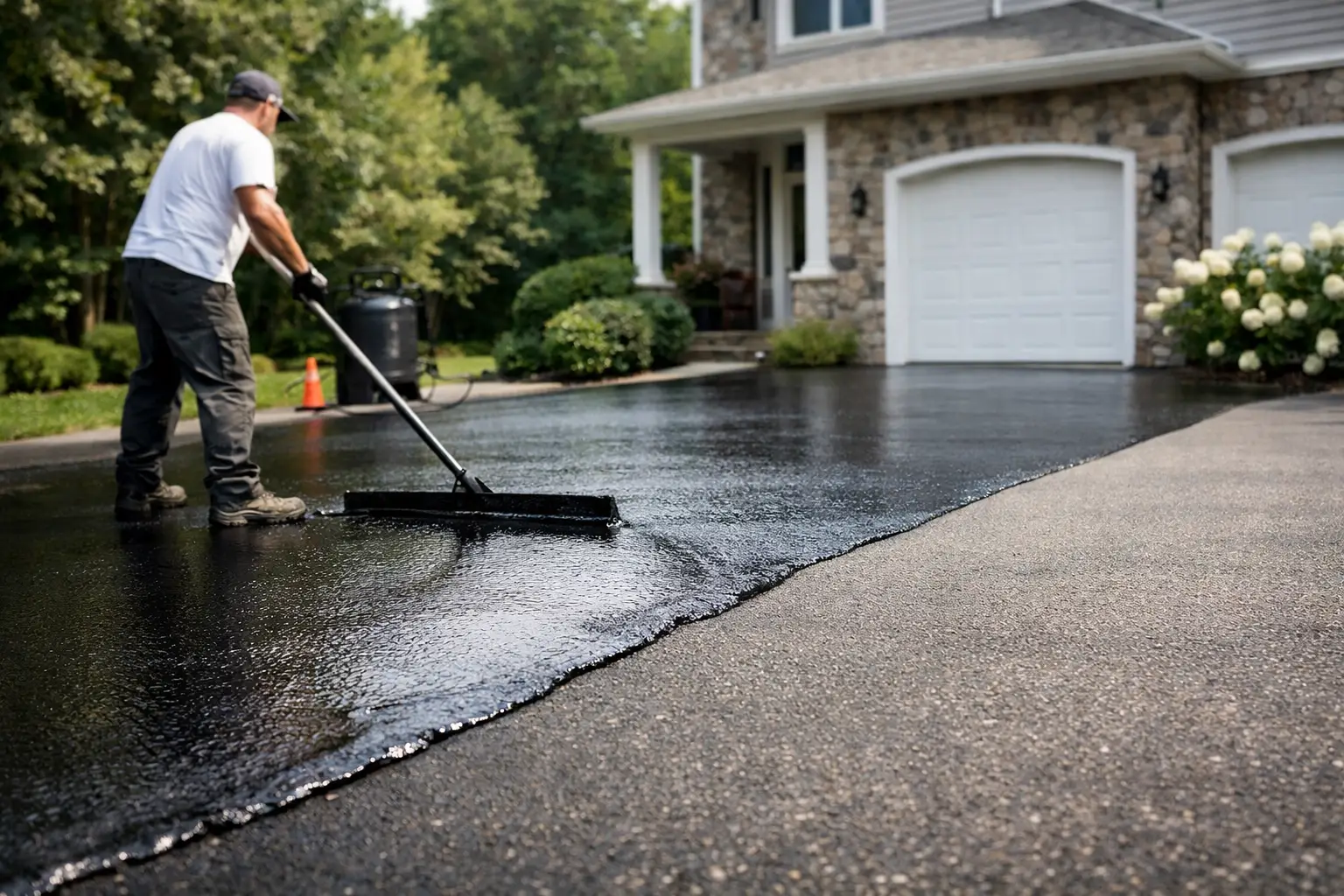
The best time to seal a driveway is when the surface is clean, dry, sound, and mild weather is expected for the application and curing period. For most asphalt driveways, that usually means late spring through early fall, when daytime temperatures are consistently above 50 degrees and rain is not in the immediate forecast.
A driveway should not be sealed simply because the calendar says it has been a few years. The condition of the surface comes first. Cracks need repair, weeds must be removed, oil spots need treatment, and dirt or algae should be cleaned away before any sealer goes down. Sealer is a protective coating, not a repair material. Applying it over active damage can hide a problem temporarily without stopping moisture from getting deeper into the driveway.
New Asphalt Needs Time to Cure
A newly installed asphalt driveway should generally cure for at least six months before sealing, and some installers recommend waiting closer to a year. Fresh asphalt contains oils that need time to harden and settle. Sealing it too early can trap those oils, interfere with curing, and reduce how well the coating adheres.
During the curing period, avoid parking in the same spot every day if possible, especially in hot weather. Heavy vehicles, kickstands, sharp turns, and concentrated weight can leave marks while the asphalt is still soft. Once the surface has cured, a professional inspection can determine whether it is ready for cleaning, crack repair, and sealing.
Concrete and Pavers Follow Different Rules
Concrete driveways typically need at least 28 days to cure before a compatible sealer is applied. Depending on the concrete mix, moisture levels, and product selected, waiting longer may be the right call. The concrete must be dry and free of surface contaminants, especially old coatings, efflorescence, mildew, and automotive fluids.
Pavers are different again. They may be sealed after installation once the base is stable, the joints are properly filled, and the surface is thoroughly cleaned and dry. Sealing can enrich paver color, reduce staining, and help stabilize joint sand, but the wrong product can leave a cloudy appearance or make the surface too slick. The right approach depends on the paver type, existing sealers, drainage, and the finish you want.
Signs Your Driveway Is Ready for Sealing
A driveway does not need to be severely deteriorated before it deserves attention. In fact, preventive maintenance is usually the more cost-effective choice. Watch for a dull, faded appearance, light surface wear, fine cracks, exposed aggregate in concrete, or water soaking in quickly rather than beading on the surface.
On asphalt, oxidation is a common warning sign. The surface changes from a rich black to gray, becomes dry or brittle-looking, and may begin developing small cracks. Ultraviolet exposure and water slowly remove the flexible oils that help asphalt withstand movement. A quality sealer helps slow that aging process, though it cannot reverse deep structural damage.
On concrete and pavers, dark staining, algae growth, color loss, and increased water absorption may signal that it is time to clean and protect the surface. In shaded areas around trees or near downspouts, organic growth can make a driveway look neglected and become slippery when wet. Cleaning and sealing can restore a more consistent appearance while making future maintenance easier.
Choose a Dry, Mild Weather Window
The right weather is just as important as the right product. Most driveway sealers need dry conditions before, during, and after application. A wet surface can prevent adhesion, while rain before the coating cures can cause streaks, washout, or a patchy finish.
Plan for at least 24 hours without rain after sealing, although some products and weather conditions require more time. Humidity, shade, cool nights, and poor air movement can slow curing. It is also wise to avoid sealing during extreme heat. A blazing hot driveway can cause a coating to dry too quickly, making it harder to apply evenly.
For a typical Westchester home, a clear late-spring, summer, or early-fall day is often ideal. The surface should be dry, temperatures should be within the product manufacturer’s recommended range, and overnight temperatures should remain safely above the minimum curing threshold. A professional crew will evaluate the actual conditions rather than relying on the date alone.
How Often Should You Seal a Driveway?
There is no responsible one-size-fits-all schedule. Traffic levels, drainage, tree cover, snow removal, surface age, and the prior coating all affect how often a driveway needs attention.
Asphalt driveways commonly benefit from sealing every two to three years after the initial cure period. A lightly used, well-drained driveway may last longer between applications, while a driveway exposed to frequent sun, vehicle traffic, plow wear, or standing water may need more regular care.
Concrete often needs resealing every two to five years, depending on the type of sealer and the conditions it faces. Pavers may need resealing every three to five years, though high-traffic areas, shaded locations, and surfaces exposed to deicing products may require earlier maintenance.
The goal is not to apply sealer as often as possible. Overapplication can build up layers, create peeling, or leave an unnatural sheen. The better approach is to inspect the surface, address the underlying condition, and use the right coating at the right interval.
Prepare the Surface Before Sealing
Good preparation is where a lasting result begins. Before sealing, the driveway should be cleaned thoroughly to remove dirt, leaf tannins, mildew, algae, tire marks, and loose material. Oil stains deserve special attention because they can keep a new coating from bonding properly.
Cracks should be evaluated and repaired before sealing. Small asphalt cracks may be filled to reduce water intrusion, but wide cracks, sunken sections, crumbling edges, and repeated puddling can point to base or drainage problems. Those issues should be addressed before placing a protective coating over the surface.
For concrete and pavers, cleaning needs to be matched to the material. Excessive pressure or harsh chemicals can damage joints, etch concrete, or disturb the paver surface. A careful cleaning process protects the driveway while creating a clean foundation for the sealer.
Do Not Seal a Driveway That Needs Major Repair
Sealing is a maintenance service, not a substitute for resurfacing, drainage correction, or replacement. If asphalt has alligator cracking, soft spots, extensive potholes, or widespread crumbling, the problem may be below the surface. Sealer will darken the driveway and improve appearance for a short time, but it will not restore its structural strength.
The same is true for severely spalled concrete, heaved slabs, large settlement cracks, or loose pavers caused by a failing base. An honest recommendation may be to repair part of the driveway first, improve water flow, or postpone sealing until the surface is ready. That approach protects your budget better than selling a coating that cannot solve the real problem.
Protect the Driveway After It Is Sealed
Once sealing is complete, follow the recommended cure time before walking or driving on the driveway. Many products can handle foot traffic sooner than vehicle traffic, but curing time changes with temperature and humidity. Keeping vehicles off the surface until it has fully cured helps prevent tire marks and uneven areas.
Afterward, keep the driveway clear of standing water, sweep away leaves and grit, and clean spills promptly. Be cautious with sharp metal shovels, aggressive snowplow blades, and deicing products that can wear down surfaces over time. Good drainage also matters. If downspouts empty onto the driveway or water pools in one area after rain, correcting that issue can add years to the surface.
A well-timed driveway sealing project is a practical form of prevention. It protects curb appeal, slows weather-related wear, and gives you a clearer picture of the repairs your property may need before they become more expensive. When the surface is clean, dry, properly repaired, and ready for the right coating, Roof Rescue Southern Westchester can help homeowners make that decision with straightforward recommendations and careful exterior care.
continue reading
Related Posts
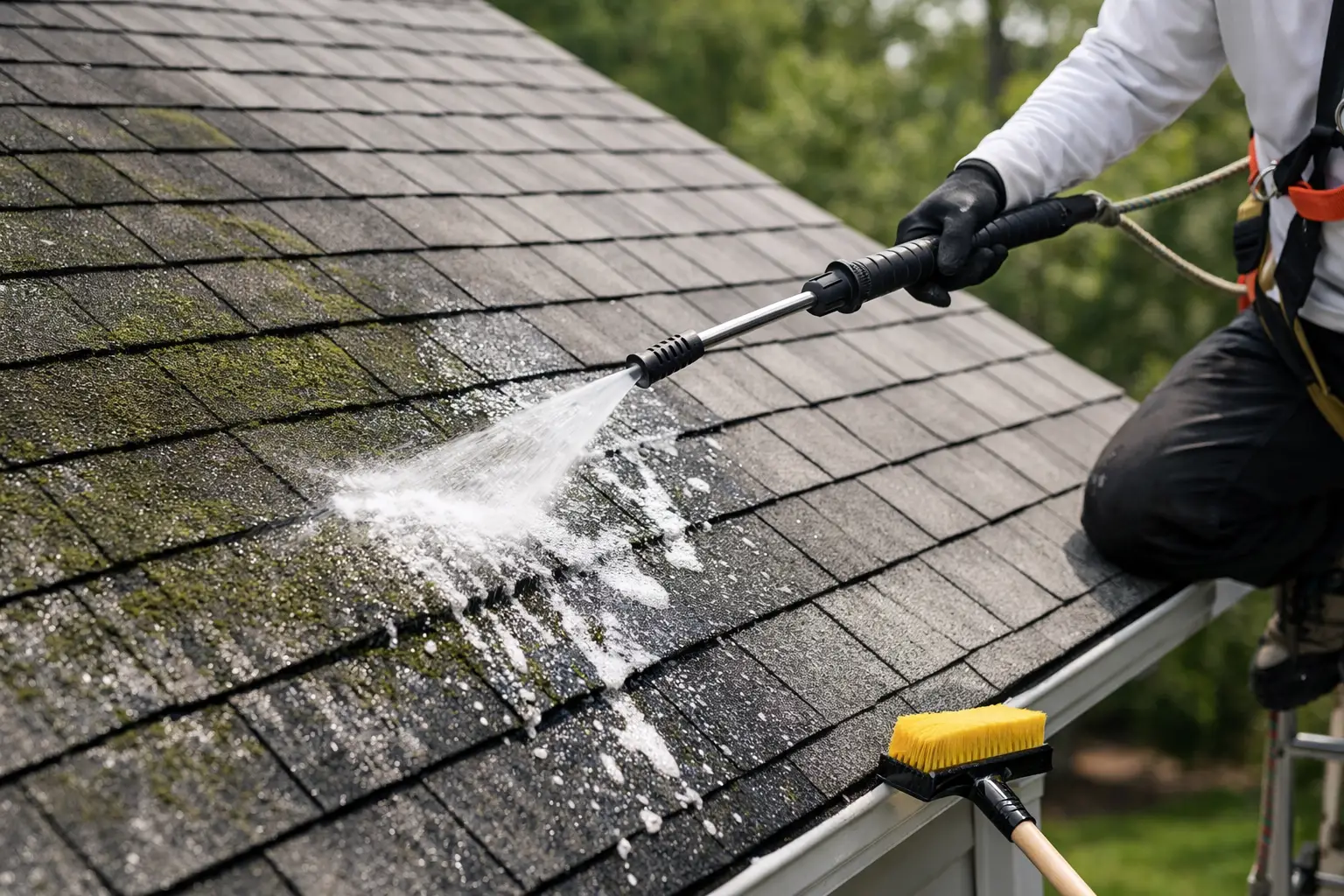
Learn how to remove algae from shingles safely, protect asphalt roofs, and avoid premature replacement with practical homeowner guidance in Westchester.
Roof cleaning removes algae, moss, and debris safely, helping Southern Westchester homeowners protect shingles, curb appeal, and roof life for years.
Learn how shingle preservation products can restore flexibility, slow roof aging, and help Westchester homeowners avoid premature replacement costs today.