
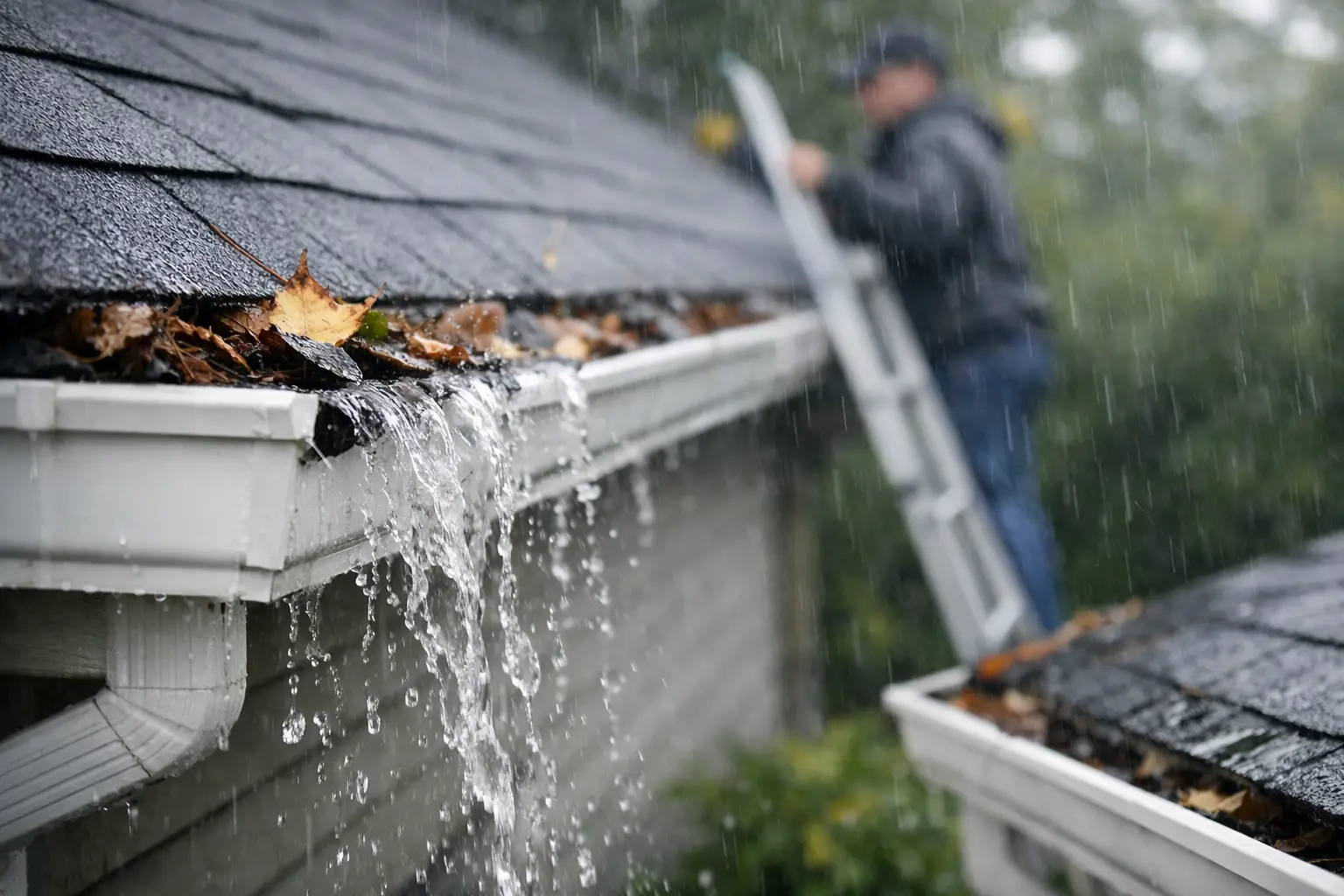
A gutter overflowing during a hard Westchester rainstorm is easy to dismiss as bad weather. But if water is spilling over the front edge, pouring behind the gutter, or cascading near your foundation, the system is not moving water where it should. Why do gutters overflow? Usually, the issue is a blockage, poor drainage setup, or a gutter that has begun to pull away from the roofline. Left alone, what looks like a small maintenance problem can create roof, siding, fascia, and foundation damage.
Why Do Gutters Overflow in the First Place?
Gutters have one basic job: collect roof runoff and direct it safely through downspouts and away from the home. Overflow happens when water enters faster than the system can carry it away or when something interrupts that path.
Heavy rainfall can expose the problem, but rain is rarely the root cause. A properly sized, clean, securely pitched gutter system should handle ordinary storms without sending sheets of water over the sides. If it does not, the right response is to identify where the flow is stopping rather than simply waiting for drier weather.
Leaves, shingle grit, and roof debris
Clogged gutters are the most common reason for overflow. Leaves are an obvious culprit, especially around mature trees, but they are not the only one. Small twigs, seed pods, pine needles, roof moss, and asphalt shingle granules can build a dense, muddy layer in the gutter channel.
That material traps water and becomes heavier over time. It can also encourage organic growth, which holds moisture against the gutter and makes future cleanings more difficult. A gutter may look clear from the ground while a packed layer of debris is blocking water at the bottom.
A blocked downspout
Even clean-looking gutters overflow when the downspout is clogged. Water fills the gutter, reaches the outlet, and has nowhere to go. It then rises until it spills over the nearest edge.
Downspout blockages often form at elbows, underground extensions, or the bottom of a vertical run where wet leaves compact. A quick check during a light rain can be revealing: if water is pooling in the gutter above the downspout or only trickling out at the bottom, there is likely an obstruction.
Incorrect slope or loose fasteners
Gutters need a subtle pitch toward each downspout. The slope is slight enough that it may not be visible from the yard, but it is essential. When a section sags or was installed without proper pitch, standing water collects instead of draining.
The added weight of water and debris can pull gutter hangers loose, making the sag worse. Eventually, the gutter may separate from the fascia board. Water can then run behind the gutter, where it wets the wood at the roof edge rather than flowing into the channel.
Water overshoots the gutter
Sometimes the gutter is clean, but roof runoff travels too quickly and shoots past it. This can happen on steep roofs, roofs with long rafter runs, or homes where the gutter is undersized for the roof area. It may also occur when the gutter sits too low or too far from the roof edge.
Overflow that occurs only in intense storms may point to capacity or placement rather than a basic clog. Larger gutters, additional downspouts, or adjustments to the existing installation may be appropriate. The best fix depends on the roof design and how water behaves in that particular area of the home.
The Direction of the Overflow Tells You Something
Where water is escaping provides useful clues. Water spilling over the front lip generally suggests a clogged gutter, blocked downspout, or capacity issue. Water running behind the gutter may indicate that the gutter is loose, incorrectly positioned, or missing a drip edge that guides water from the roof into the gutter.
Water pouring from one spot, especially around a corner or seam, may mean the gutter has separated or developed a leak. A seam leak is often manageable when caught early, but it should not be ignored. Repeated runoff against siding, trim, and masonry can stain surfaces and allow moisture into places that should remain dry.
Pay attention to where water lands, too. Overflow near entryways creates slippery walkways. Runoff that saturates planting beds can wash away mulch and soil. When it repeatedly collects next to the foundation, it can increase moisture pressure around basement walls and contribute to drainage problems below grade.
What Overflowing Gutters Can Do to Your Home
A single overflow during an exceptional storm is not necessarily an emergency. A recurring pattern is different. Gutters sit at the intersection of the roof, exterior walls, and drainage system, so a problem there can affect several parts of the property at once.
At the roofline, trapped water can wet the fascia and soffit. Wood rot may develop behind gutters long before it is visible from the ground. If water backs up beneath shingles during cold weather, freeze-thaw conditions can add to the risk of ice dams and roof-edge damage.
Along the walls, dirty overflow leaves streaks on siding and can worsen peeling paint or deteriorated trim. On the ground, runoff can erode landscaping and move toward the foundation instead of away from it. These are avoidable repairs, which is why routine gutter care is much less expensive than waiting for visible damage.
How to Fix an Overflowing Gutter Safely
The correct repair starts with a clear diagnosis. Cleaning is often part of the solution, but it is not always the whole solution. A professional should remove debris from the gutter channel and downspouts, then verify that water can flow freely through the entire system.
Next, inspect the pitch, hangers, seams, end caps, and fascia condition. If the gutter is holding standing water after cleaning, it may need to be resecured and re-pitched. If water overshoots in specific sections, installation height, roof geometry, and gutter capacity should be evaluated before replacing parts at random.
Homeowners can safely watch for warning signs from the ground: plants growing from gutters, visible sagging, water stains under the roof edge, overflowing during moderate rain, or downspouts that do not discharge water. Avoid leaning ladders directly against gutters or attempting high roof-edge work without the right equipment. A gutter full of wet debris is heavier and less stable than it appears.
Do Gutter Guards Stop Overflow?
Gutter guards can reduce the amount of leaves and large debris entering the system, but they are not a guaranteed cure for every overflow problem. A guard will not correct a blocked underground drain, a poorly sloped gutter, loose hangers, or an undersized system.
Performance also depends on the guard style and the debris around the home. Fine mesh options can work well around small leaves and shingle grit, while some designs may require occasional surface cleaning to keep water flowing into the gutter. The right approach is to match the guard and installation method to the roofline, surrounding trees, and drainage layout.
For many homeowners, a properly installed guard paired with periodic inspection offers a practical middle ground. It can reduce cleaning frequency without creating false confidence that the gutter system never needs attention again.
A Maintenance Schedule That Fits Southern Westchester Homes
Most homes benefit from gutter cleaning at least twice a year: once after spring seed drop and once after the main fall leaf season. Properties beneath heavy tree cover, particularly with pine needles or oak leaves, may need more frequent service. A roof with moss, algae buildup, or loose shingle granules can also send more material into gutters.
It is wise to inspect the system after major storms as well. You do not need to climb a ladder to do that. Walk the property and look for wet fascia, fresh soil erosion, siding streaks, standing water in landscaping, or a downspout that is not moving water away from the house.
At Roof Rescue Southern Westchester, we approach gutter concerns as part of the home’s larger exterior drainage picture. A clear gutter matters, but so do the roof conditions creating debris, the integrity of the roof edge, and the path water takes once it reaches the ground. A straightforward inspection can separate a routine cleaning need from a repair that deserves prompt attention.
The next time rainwater spills where it should not, take a photo and note the exact location. That small detail can help identify whether your home needs cleaning, a downspout repair, a slope adjustment, or a more complete drainage solution before the next storm puts the problem to work.
continue reading
Related Posts
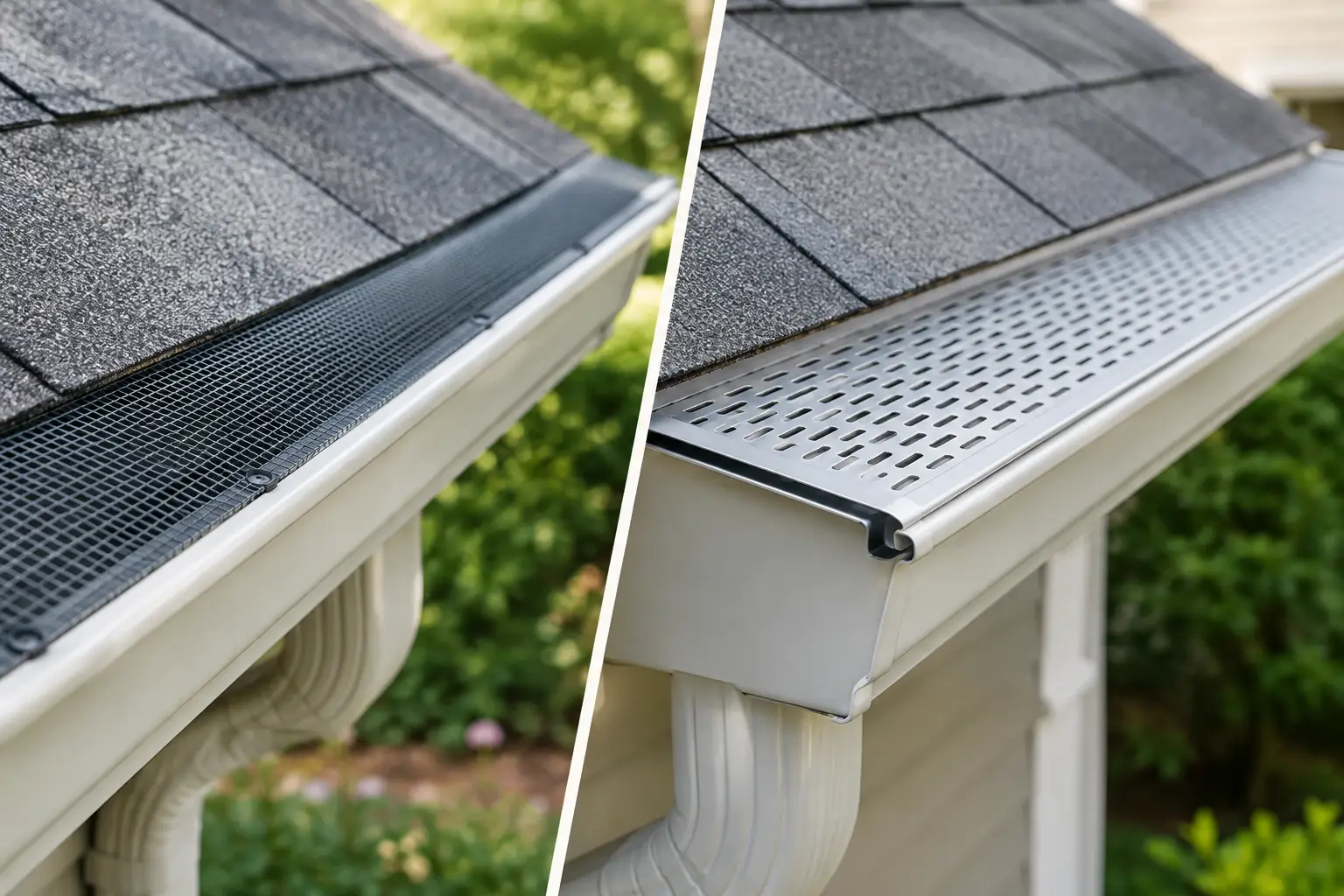
Comparing gutter screens versus guards? Learn which option fits Westchester homes, sheds leaves reliably, and reduces cleaning without trapping debris.
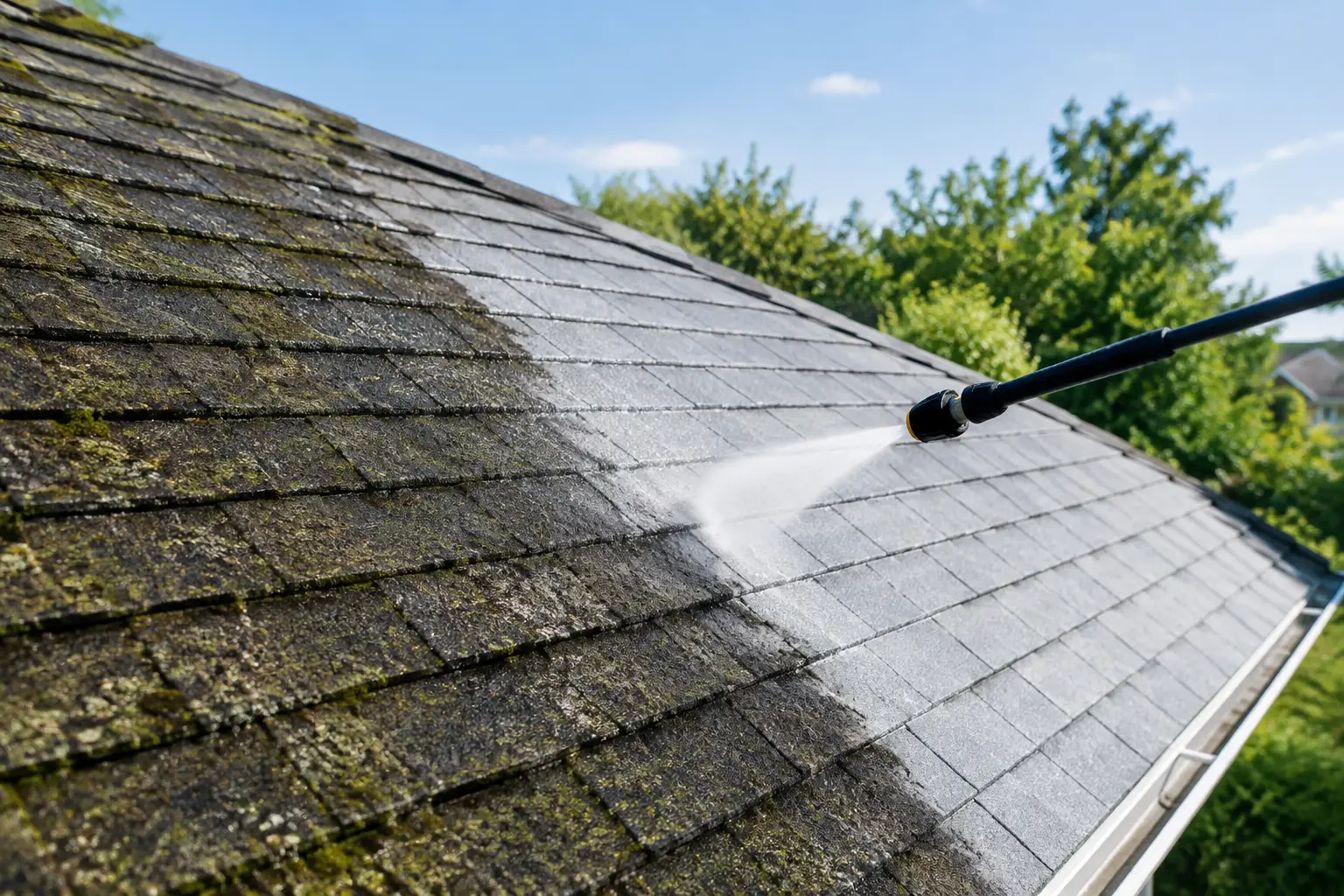
See what real roof cleaning results look like, how long they take, and why safe treatment can protect shingles and help avoid costly replacement bills.
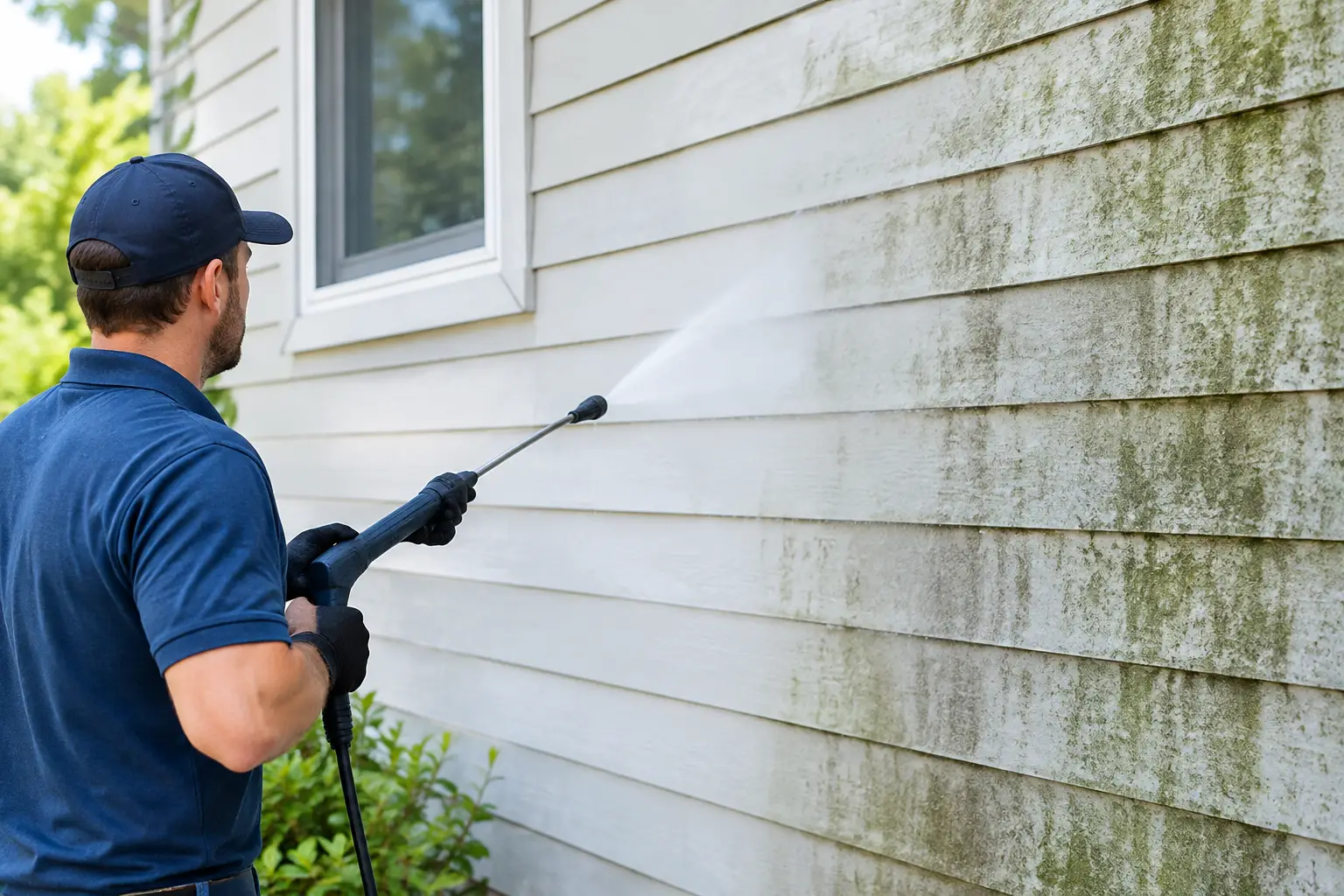
Does soft washing kill mold? Learn how low-pressure cleaning removes exterior growth, when stains suggest damage, and how to protect your home safely.