A gutter can look clear from the ground and still be one heavy rain away from overflowing at the roofline. In Southern Westchester, mature trees, spring pollen, summer storms, and fall leaf drop can fill an unprotected gutter quickly. So, are gutter guards worth it? For many homeowners, yes – but only when the guard matches the home, the surrounding trees, and the condition of the existing gutter system.
Gutter guards are not a substitute for every maintenance task. They are a practical way to reduce debris buildup, limit clogs, and make routine gutter care safer and less frequent. The best results come from a properly sized, securely installed guard on gutters that already have the correct pitch, drainage, and downspout capacity.
What Gutter Guards Actually Do
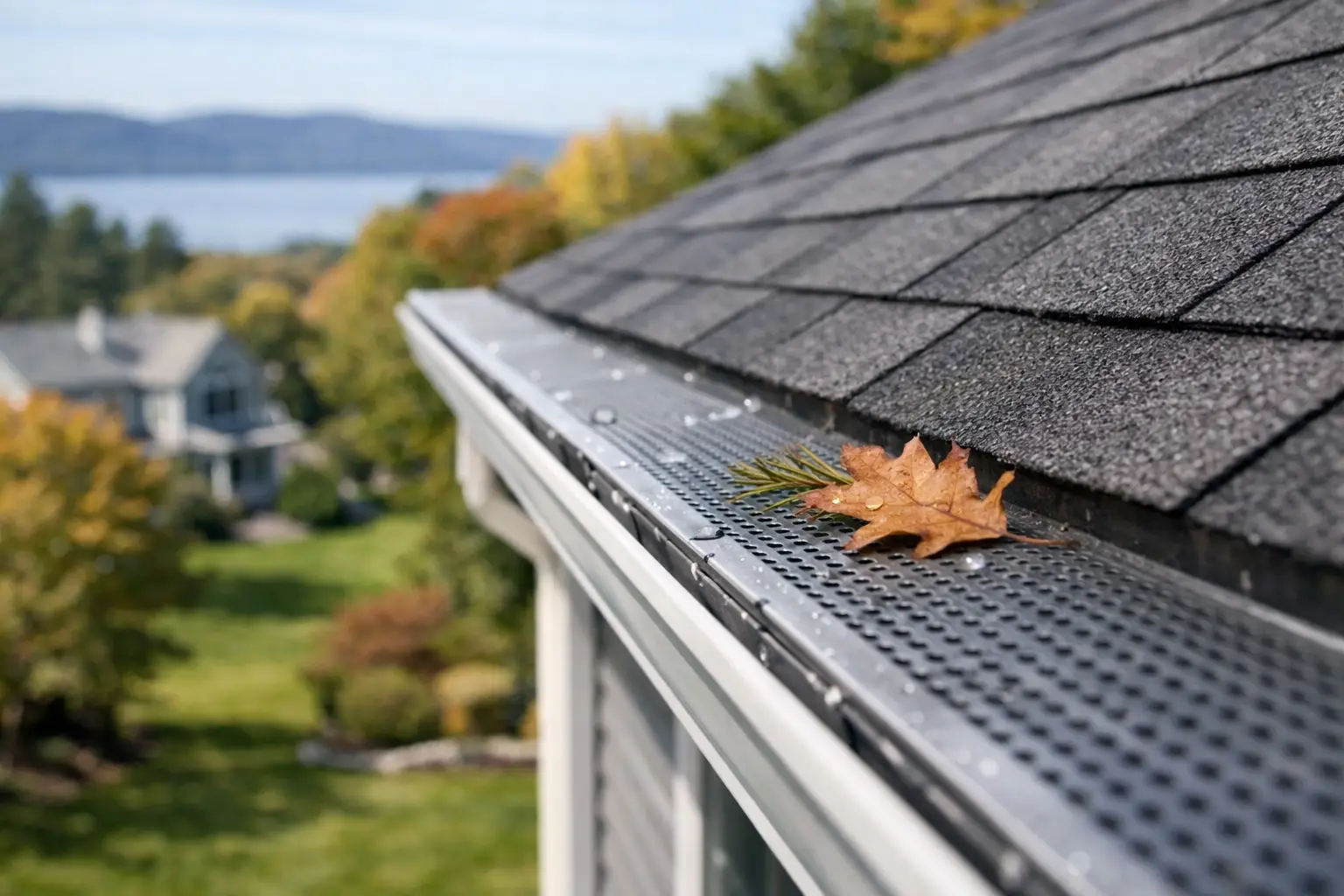
Gutter guards cover or filter the top of the gutter so large debris stays outside while rainwater enters the channel. Depending on the design, they may use fine stainless-steel mesh, a curved surface that guides water into the gutter, or a more open screen that blocks leaves and twigs.
Their main job is simple: keep the gutter and downspout flowing. When water cannot move away from the roof edge, it may spill over the gutter, soak landscaping, stain siding, flood walkways, or collect near the foundation. During freezing weather, trapped water can contribute to ice buildup along the eaves.
For homes with asphalt-shingle roofs, overflow can also keep fascia boards, soffits, and the lower roof edge wet longer than they should be. That does not mean every wet fascia board is caused by a clogged gutter, but it is one of the first places a maintenance professional should check.
Are Gutter Guards Worth It? Start With Your Property
The value of gutter guards depends less on the product name and more on your home’s exposure to debris. A house beneath large oaks, maples, pines, or sweetgums typically gets a stronger return than a home with few nearby trees. Pine needles, seed pods, roof grit, and small leaf fragments are especially relevant because they can defeat wide, basic screens.
They are also often worthwhile for homeowners who do not want to climb ladders several times a year. Gutter cleaning involves more than scooping leaves. A proper service checks for loose hangers, standing water, separated seams, blocked downspouts, and signs that water has been washing behind the gutter. Guards reduce how often that work is needed, even though they do not eliminate inspections.
A good installation may make sense if your property has four or more of these conditions:
- Trees overhang or sit close to the roofline.
- Gutters clog at least once or twice each year.
- Downspouts regularly back up during hard rain.
- The home has difficult roof access, steep sections, or multiple stories.
- You have seen overflow marks, eroded mulch, wet foundation areas, or staining below gutters.
If the gutters rarely collect debris, are easy to reach, and already receive simple annual cleaning, guards may be more of a convenience purchase than a necessary investment. There is nothing wrong with that, but it is better to make the decision with clear expectations.
The Benefits Homeowners Notice First
The immediate benefit is fewer clogs. Instead of gutters filling with wet leaves that form a dam at the downspout, most large debris remains on top of the guard where wind and normal drying can help clear it. This can reduce the number of cleanings needed over the year and lower the chance of finding a blockage after it has already caused an overflow.
The second benefit is protection against avoidable water problems. When gutters work as intended, roof runoff is directed away from the house. That helps protect foundation plantings, walkways, siding, trim, and the soil around the home. In communities such as Scarsdale, Rye, Larchmont, and New Rochelle, where many properties have mature landscaping and close tree coverage, this can be a meaningful advantage.
There is a safety benefit as well. Fewer gutter cleanings generally mean fewer trips up a ladder. Homeowners should not have to balance on a wet roof edge or reach across a ladder to deal with a predictable debris problem. A guard system does not make ladder work unnecessary, but it can make maintenance more manageable.
The Trade-Offs: Guards Are Not Maintenance-Free
The biggest misconception is that gutter guards never need attention. Fine debris, pollen, shingle granules, and roof moss can settle on top of guards over time. A mesh guard may need to be brushed or rinsed periodically so water can enter freely. Guards can also collect debris in roof valleys, where water carries leaves and grit toward one concentrated area.
Installation quality matters just as much as the guard itself. A guard installed with poor pitch, loose fasteners, or an awkward connection to the roof edge can create problems rather than prevent them. Water may overshoot the gutter in a heavy storm, especially if the guard profile is not suited to the roof pitch or the gutter is undersized for the amount of runoff.
Homeowners should also be cautious about any installation approach that compromises the roof system. Fastening methods, flashing details, and shingle edges deserve careful attention. No gutter upgrade is worth creating a roofing concern. A qualified contractor should inspect the roof edge and gutters before recommending a product, not simply cover a system that is already pulling away from the fascia.
Choosing the Right Type of Gutter Guard
Fine micro-mesh guards are often a strong choice for homes surrounded by small leaves, pine needles, and granular debris. Their tighter openings filter more material than a wide screen, though they can require occasional surface cleaning. For many suburban properties, that trade-off is worthwhile.
More open screen guards can be effective and budget-friendly where the main concern is large leaves and twigs. They are not always the best answer under pine trees or where small seed debris is common. Reverse-curve guards can shed leaves well, but their performance depends heavily on correct installation and the volume of water coming off the roof during intense rain.
The right recommendation should account for tree type, roof pitch, gutter size, downspout placement, and the condition of the fascia. It should also consider whether algae, moss, or accumulated roof debris are contributing to gutter buildup. Treating the visible symptom without addressing the source can leave the homeowner paying for repeat cleanup.
Repair and Cleaning Should Come Before Installation
Gutter guards cannot correct sagging gutters, crushed downspouts, bad slope, leaking joints, or rotted fascia boards. If water is standing in the gutter after a dry day, the system needs attention before it is covered. The same goes for gutters that overflow because they are too small or have too few downspouts for the roof area.
A proper preparation process begins with cleaning the channels and flushing the downspouts. From there, the installer should secure loose sections, correct obvious pitch issues, check the roof edge, and make sure water is being directed away from the foundation. This is the kind of practical diagnosis that prevents a guard installation from becoming an expensive cover-up.
For homes with roof staining, moss, or heavy organic growth, safe roof cleaning can also play a role. Leaves and organic debris on the roof eventually travel into the gutters. Removing that buildup with the right low-pressure methods helps protect shingles and gives the new guard system a cleaner starting point.
How to Decide if the Cost Makes Sense
Think about gutter guards as a prevention expense, not a product that pays for itself in every situation. Compare the cost of installation with your current cleaning frequency, the difficulty of access, and the consequences of one serious overflow. If you hire for repeated cleanings, have large trees near the house, or have already dealt with water spilling near the foundation, guards can be a sensible long-term improvement.
If your gutters are simple to access and only need cleaning once a year, professional cleaning and inspection may be the better value. An honest recommendation should leave room for that answer. Home maintenance works best when the solution fits the problem instead of when every problem gets the same upgrade.
Before approving installation, ask how the guards handle pine needles and fine debris, whether gutter repairs are included or separate, how the installer protects the roof edge, and what periodic maintenance will still be needed. Clear answers are a good sign that the contractor is focused on performance, not just the sale.
A well-maintained gutter system is quiet protection: water moves where it should, landscaping stays in place, and the roof edge is not constantly soaked. If you are seeing recurring clogs or overflow, Roof Rescue Southern Westchester can assess the full system and help you decide whether cleaning, repair, or gutter guards are the sensible next step. Schedule Your Free Roof Assessment before the next hard rain turns a small maintenance issue into a repair.
continue reading
Related Posts
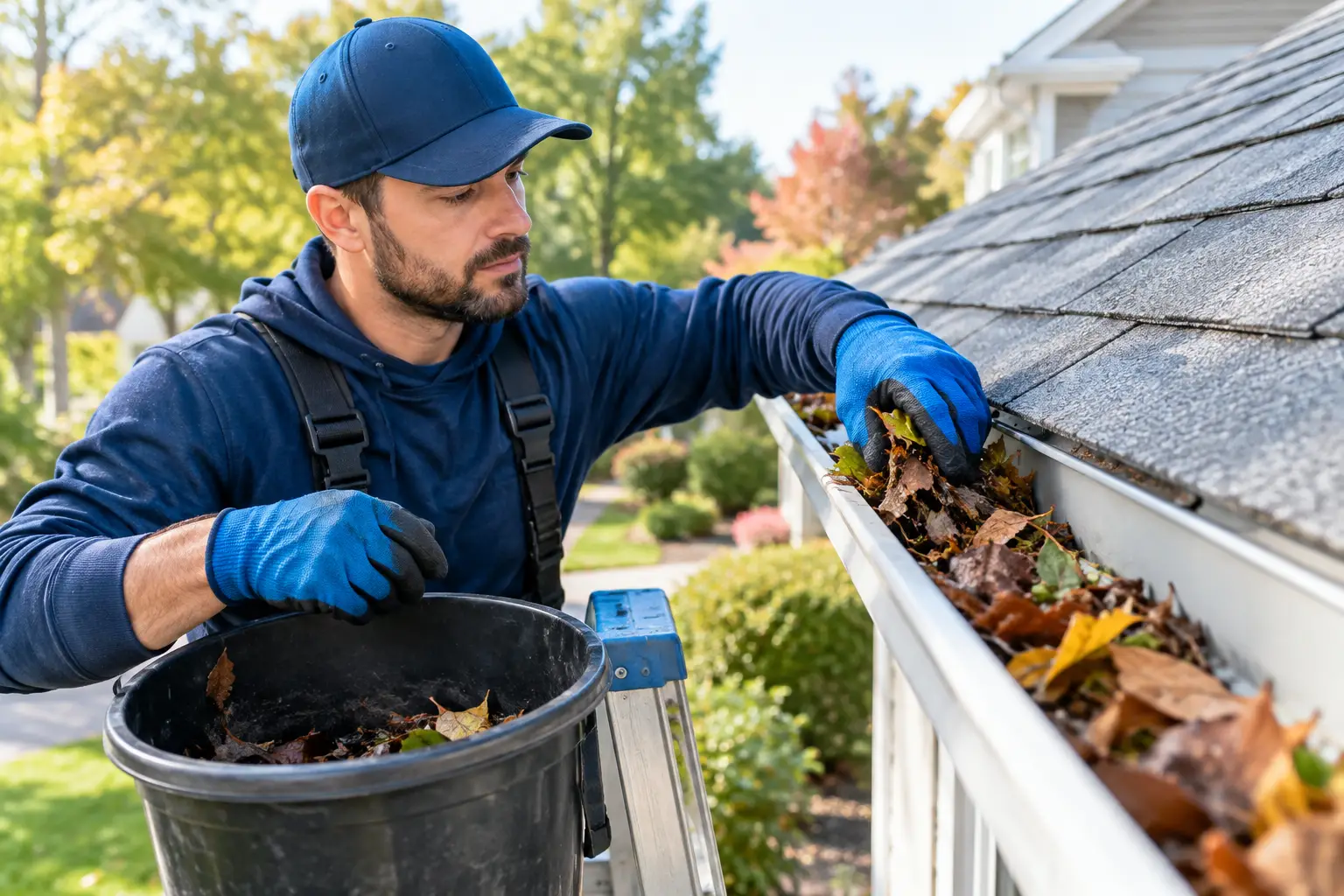
Scarsdale gutter cleaning reviews can reveal a lot. Learn which details point to safe, reliable service, fair pricing, and lasting protection for homes.

Learn how to maintain roof valleys safely, spot early trouble, protect shingles, and know when a Southern Westchester professional should step in today.

Roof restoration can clean, protect, and extend shingle life. Learn when maintenance makes sense and when replacement is the safer call for your home.