A patch of green moss can make a home look tucked into the woods, but it does not belong on an asphalt-shingle roof. Homeowners often ask, can moss damage shingles if the roof is not leaking? The answer is yes. Moss can create conditions that shorten shingle life long before a stain or a small roof problem turns into an interior repair.
In Southern Westchester, mature trees, damp seasons, shaded roof slopes, and falling debris create an ideal environment for moss, algae, and lichen. Catching that growth early is one practical way to protect a roof investment and avoid paying for replacement before it is truly necessary.
How Moss Damages Asphalt Shingles
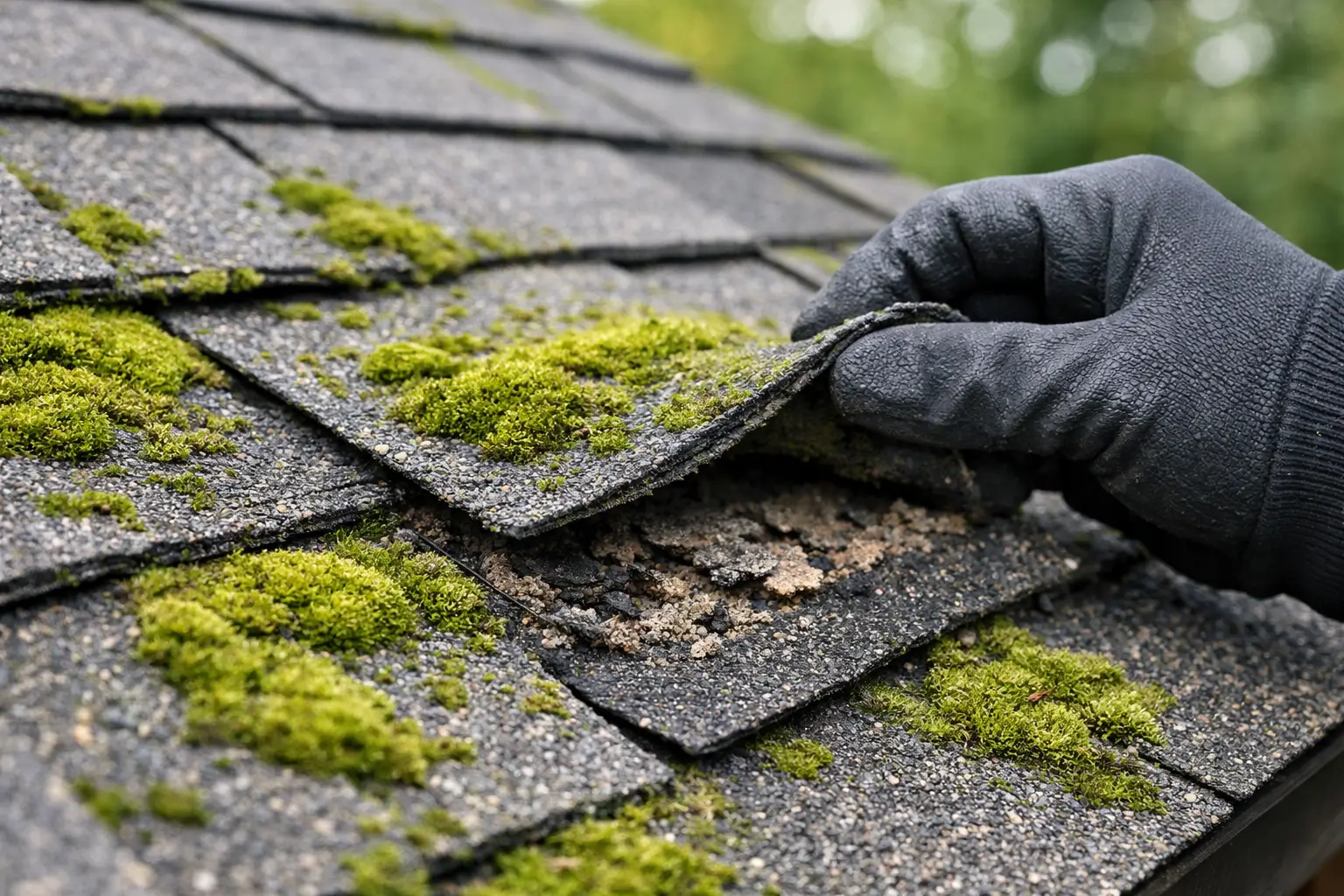
Moss is not just a surface stain. It is a living plant that holds water like a sponge. Its rootlike structures attach to the shingle surface, while its dense growth keeps the roof underneath damp longer after rain, snow, or morning dew.
As moisture stays in place, moss can work its way beneath shingle edges. In heavier growth, it can push tabs upward and interrupt the way shingles overlap. Those overlaps are designed to shed water downhill. When their edges are lifted or remain wet for extended periods, wind-driven rain has a better path to reach the vulnerable areas beneath.
The damage is usually gradual, which is why it is easy to overlook. A roof may still appear sound from the ground while moss is holding moisture against the shingles, encouraging deterioration at the edges and weakening the protective surface over time.
Moss Can Speed Up Granule Loss
Asphalt shingles rely on embedded mineral granules for protection from sunlight, weather, and physical wear. Aggressive scrubbing, walking carelessly on the roof, or blasting moss with high-pressure water can dislodge those granules. But leaving thick moss in place also creates a problem because it keeps the roof wet and makes the surface more vulnerable to wear.
Granules naturally loosen as a roof ages. A few in the gutters are not automatically a crisis. However, bare-looking patches, heavy granule accumulation, cracking, curling, and moss growth on the same roof deserve a closer look. Those signs together may mean the shingles are losing their ability to protect the home as intended.
Shingle Edges Are Especially Vulnerable
Moss often begins where debris collects: near valleys, behind chimneys, around dormers, beneath overhanging branches, and along shaded lower roof sections. These are the same areas where water flow can already be slower.
As moss thickens, it can form a mat that catches more leaves and grit. That buildup holds additional moisture and may prevent water from moving freely toward the gutters. The concern is not that every small patch will immediately cause a leak. The concern is that the roof is being exposed to avoidable, repeated moisture stress in locations that already need to shed water reliably.
When Moss Is a Maintenance Issue and When It Is a Roof Issue
Not every roof with moss needs replacement. In many cases, the roof structure and shingles are still serviceable, and careful cleaning can remove the growth before it causes more trouble. A professional assessment should separate a cleanable roof from one that has reached the end of its useful life.
The condition of the shingles matters. A roof with localized moss but intact granules, flexible tabs, and no widespread cracking may be a strong candidate for cleaning and preservation. On the other hand, a roof with brittle shingles, advanced curling, exposed fiberglass mat, or recurring leaks may need a roofing contractor’s evaluation before any cleaning is considered.
Age matters too, but it is not the only factor. Two roofs installed in the same year can age very differently. The home surrounded by trees with a north-facing roof slope may experience far more organic growth than a sunny, open property. Maintenance history, attic ventilation, gutter performance, and past storm exposure all affect the right recommendation.
Why Pressure Washing Is the Wrong Approach for Shingles
A roof should not be treated like a driveway. High-pressure washing can strip protective granules, force water under shingle tabs, and create damage that was not there before the cleaning started. It may make a roof look better quickly, but the short-term cosmetic improvement is not worth compromising the material.
The safer approach is a low-pressure roof-cleaning process designed for asphalt shingles. The treatment should address organic growth without abrasive scrubbing or forceful water pressure. Moss may not disappear in one dramatic instant. After treatment, it can loosen and release gradually with weather exposure. That slower result is often the safer result for the roof.
A trained technician should also evaluate how and where it is safe to walk, protect nearby landscaping, and inspect the areas where moss tends to return. The goal is not simply to make the roof look clean from the street. It is to remove damaging growth while protecting the shingles that remain.
What Homeowners Can Do Before Moss Takes Hold
Moss prevention starts with moisture management. Keep gutters clear so rainwater can move off the roof, and remove loose branches and leaf buildup from roof surfaces when it can be done safely. Trimming back branches that heavily shade the roof can allow more sunlight and airflow to reach damp areas.
Avoid climbing onto the roof to scrape moss off with a brush or tool. Aside from the fall risk, scraping can tear shingle edges and remove granules. If growth is visible from the ground, a photo-documented professional inspection is usually the better first step.
It also helps to watch for changes after wet weather. Dark streaking may indicate algae, while raised green clumps usually point to moss. White or pale green, crusty growth can be lichen, which often attaches more firmly and may require a particularly careful treatment plan. These organisms are different, but all can signal that a section of the roof is staying damp too long.
Can Moss Damage Shingles Enough to Cause Leaks?
Moss alone does not guarantee a leak. Many roofs have early moss growth for years without an immediate water intrusion. But it raises the odds of trouble by trapping moisture, lifting tabs, gathering debris, and keeping shingle surfaces from drying normally.
Leaks often result from several issues working together. For example, a shaded valley may collect moss and leaves, while a clogged gutter slows drainage and aging shingles have begun to lose granules. By the time water appears on a ceiling, the underlying roof area may have been under stress for a long time.
That is why early maintenance is usually more affordable than waiting. Removing organic growth and correcting drainage issues can help preserve a roof that still has useful life left. It can also provide a clearer view of the shingles, flashings, valleys, and penetrations that need attention.
Cleaning and Preservation: A Practical Long-Term Plan
After a safe roof cleaning, some asphalt-shingle roofs may qualify for a plant-based preservation treatment. These treatments are intended to help replenish the oils that shingles lose through age and UV exposure, improving flexibility and extending serviceable life when the roof is otherwise in suitable condition.
This is not a shortcut for a roof that has failed, and a trustworthy contractor should never present it that way. Preservation works best as part of a maintenance plan for eligible shingles, following an honest inspection. For a homeowner facing the cost of a premature roof replacement, it can be a practical option worth discussing.
Roof Rescue Southern Westchester uses a USDA Certified Biobased shingle rejuvenation product for qualifying asphalt-shingle roofs and starts with the condition of the roof, not a one-size-fits-all sales pitch. If replacement is the safer choice, that should be stated plainly. If cleaning and preservation can responsibly extend the roof’s life, homeowners deserve to know that too.
When to Schedule an Assessment
Schedule an assessment if moss is spreading beyond a small isolated patch, shingle edges look raised, debris repeatedly collects in valleys, or granules are showing up heavily in gutters. It is also wise to have the roof checked if you see interior water staining, even if the moss seems minor.
A good assessment should identify the source of the moisture, document the roof’s condition with photos, and explain whether cleaning, repair, preservation, or replacement is the most responsible next move. The best time to address moss is while it is still a maintenance problem – before it gets the chance to become a roofing expense.
continue reading
Related Posts
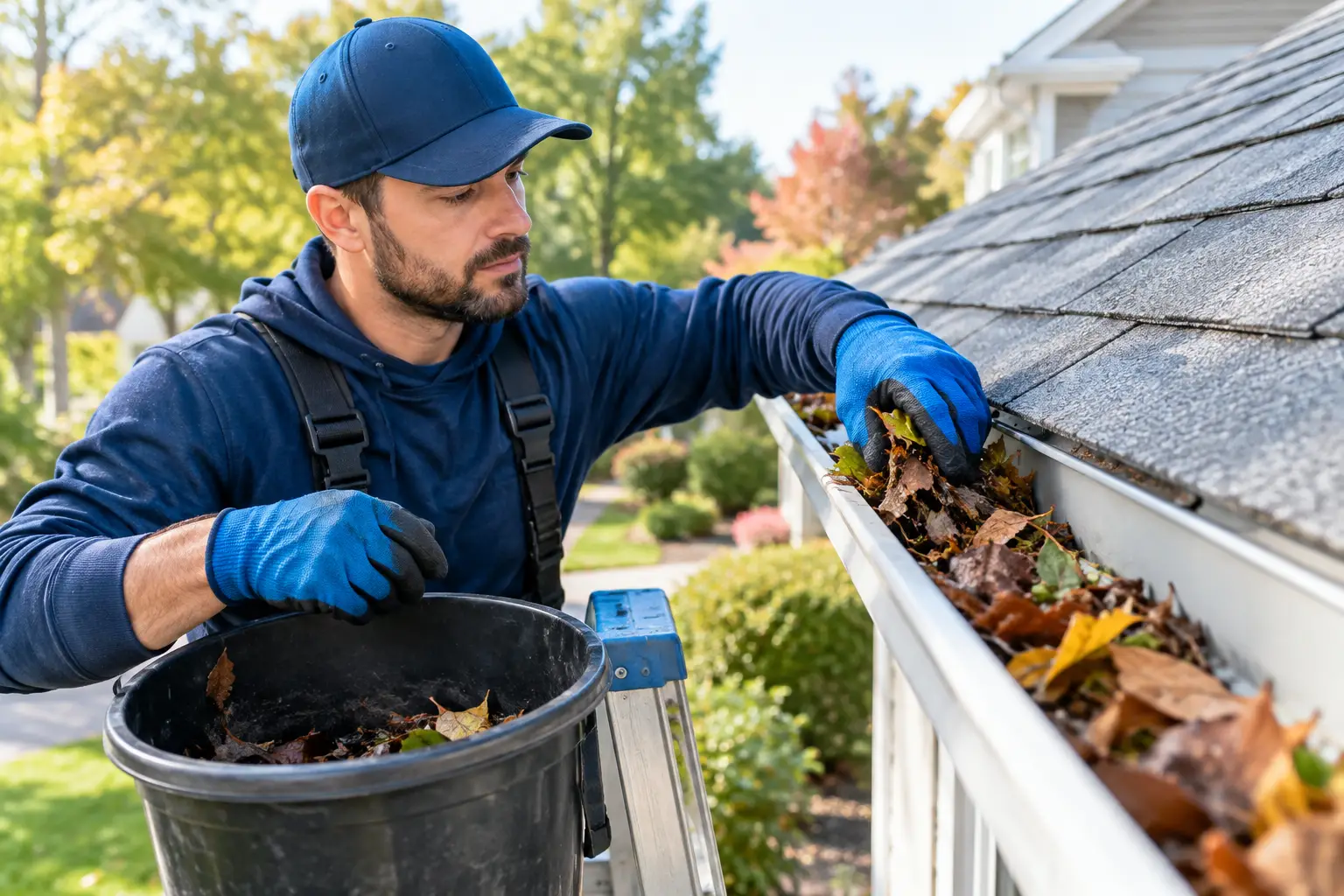
Scarsdale gutter cleaning reviews can reveal a lot. Learn which details point to safe, reliable service, fair pricing, and lasting protection for homes.
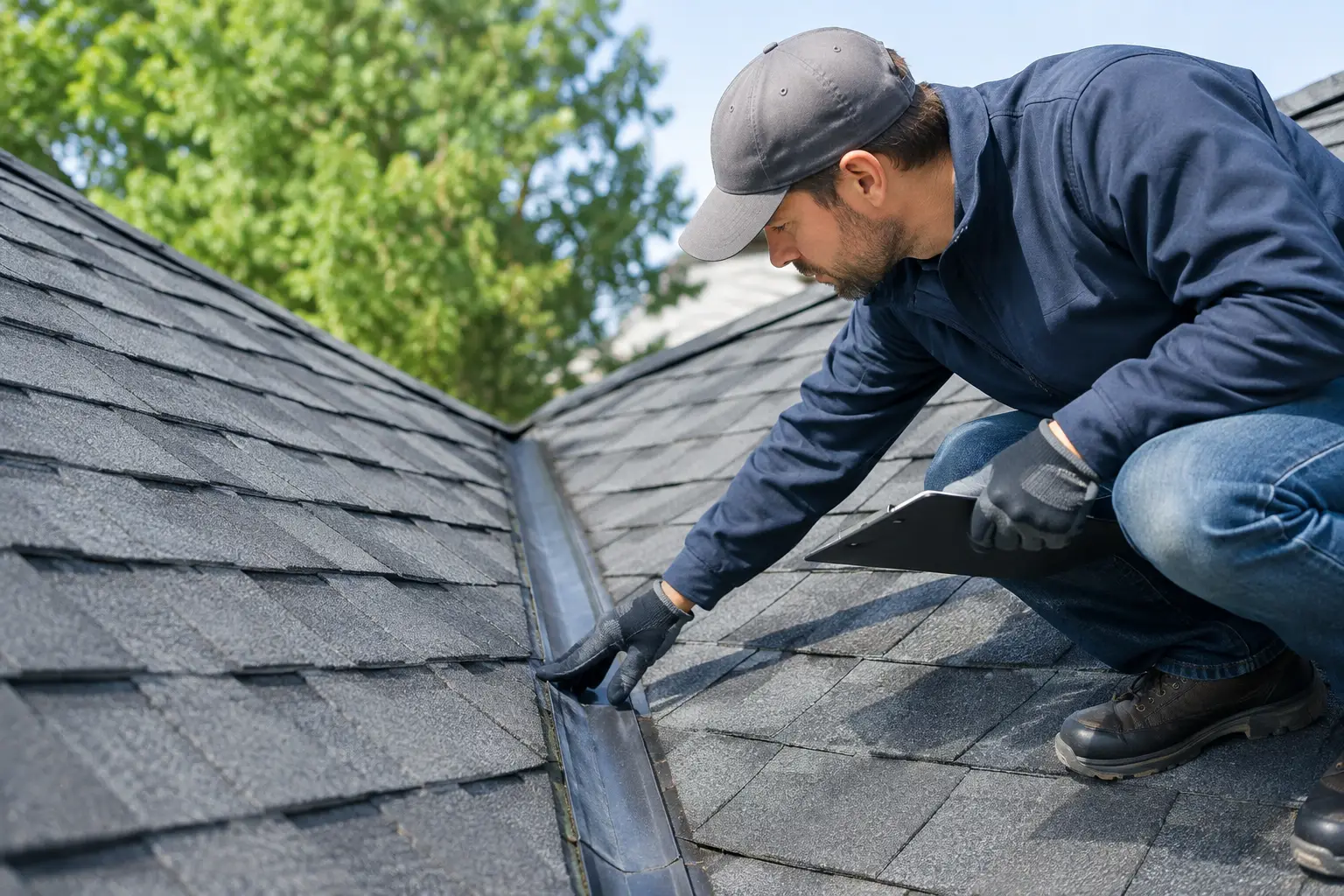
Learn how to maintain roof valleys safely, spot early trouble, protect shingles, and know when a Southern Westchester professional should step in today.

Roof restoration can clean, protect, and extend shingle life. Learn when maintenance makes sense and when replacement is the safer call for your home.