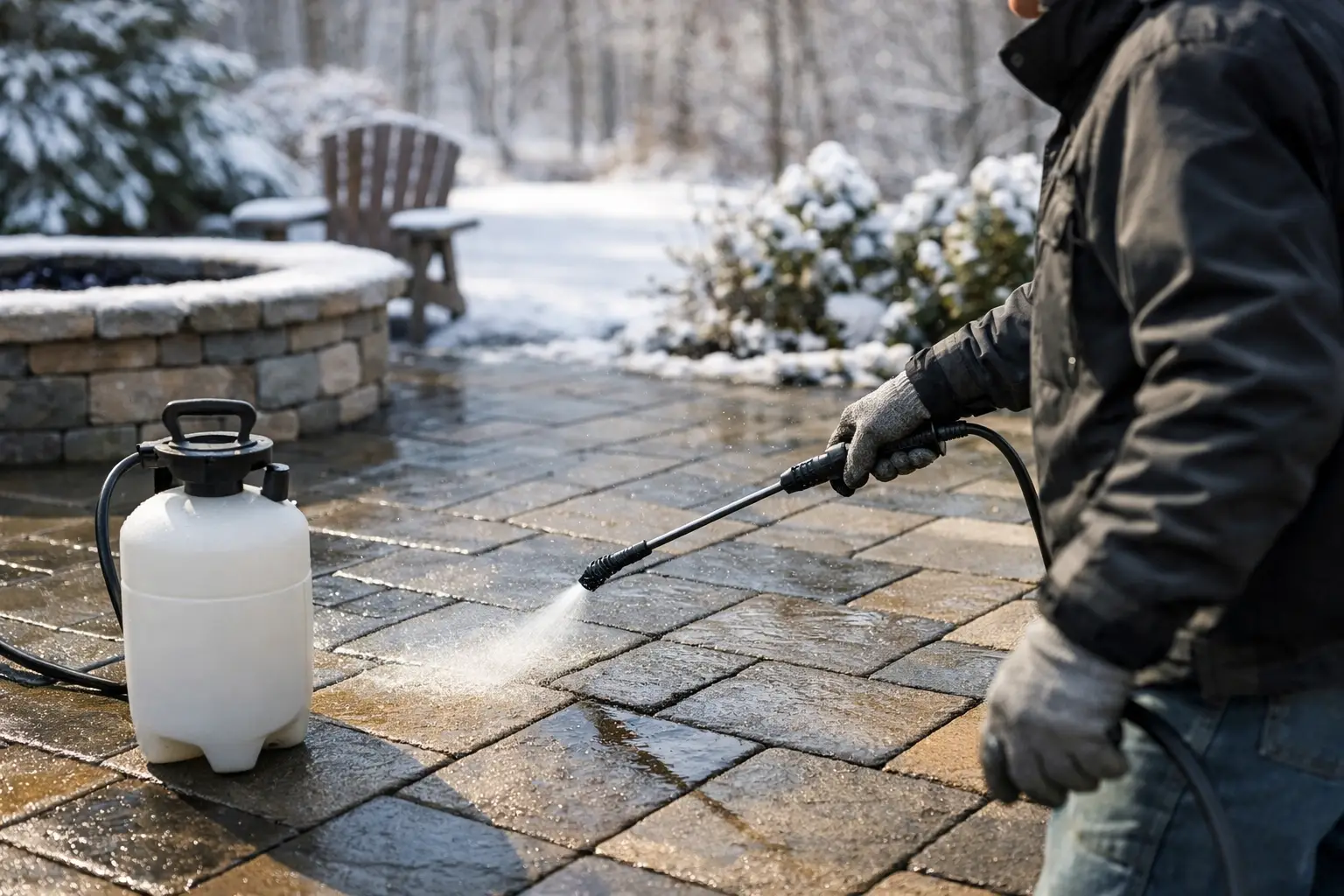
A paver patio or driveway can look clean and ready for protection on a crisp winter day, but the calendar alone does not decide whether sealing is safe. Can pavers be sealed in winter? Sometimes, yes – but only when the surface, air temperature, forecast, and sealer all meet the right conditions. Applying sealer outside of those conditions can leave homeowners with a cloudy, blotchy, peeling, or tacky finish that costs more to correct than waiting for a proper weather window.
For homeowners in Southern Westchester, winter weather creates a particular challenge. A 52-degree afternoon can follow a freezing night, and shaded areas may stay damp or cold long after the rest of the property appears dry. Good paver sealing is not about rushing to finish a project. It is about protecting the surface so the investment holds up through the seasons.
Can Pavers Be Sealed in Winter Safely?
Pavers can be sealed in winter when temperatures are within the sealer manufacturer’s approved range, the pavers are fully dry, and there is enough dry, above-freezing weather for the product to cure. Those are firm requirements, not minor preferences.
Many standard paver sealers need both air and surface temperatures of at least 50 degrees Fahrenheit during application and for a period afterward. Some specialty products are formulated for cooler weather, but even those have specific minimum temperature, humidity, and cure-time requirements. Using a cold-weather sealer does not make it safe to apply over frost, damp joints, or a surface that will freeze overnight.
The paver itself matters more than the reading on a phone weather app. Concrete pavers absorb and hold the cold, especially after several chilly days. A driveway in full sun may feel warm by midday, while a north-facing walkway or patio near the house can remain too cold to seal. An experienced contractor checks the actual surface temperature and moisture condition before beginning work.
Why Cold Weather Creates Problems for Paver Sealer
Paver sealer needs time to penetrate, bond, and cure. Cold temperatures slow that process. If the product cannot cure correctly, it may stay soft, turn milky, develop uneven sheen, or fail to adhere as intended.
Moisture is the other major concern. Pavers and joint sand can look dry while still holding moisture below the surface. When that moisture becomes trapped under a sealer, it can create whitening or haziness. In severe cases, it can contribute to premature coating failure when freeze-thaw cycles begin.
A sudden freeze is especially risky. Water expands as it freezes, and paver systems naturally move slightly over time. Sealing before the materials are stable and dry can lock in problems rather than prevent them. The result may be flaking sealer, disrupted joint sand, or an inconsistent finish that takes stripping and resealing to repair.
This is why a responsible recommendation may be to wait, even if a homeowner is eager to protect a newly cleaned patio. A few days of patience is usually far less expensive than fixing a failed coating.
The Winter Conditions That Need to Be Right
The best winter sealing days are usually mild, dry stretches with stable temperatures rather than one unusually warm afternoon. A suitable window should provide enough time for cleaning, drying, application, and curing before rain, snow, frost, or freezing temperatures arrive.
Surface dryness comes first. Pavers should be free of rainwater, snow, ice, frost, and morning dew. If the area was recently pressure washed, it needs sufficient drying time. That can take longer in winter because lower temperatures, shorter daylight hours, and limited sun exposure slow evaporation.
Temperature stability comes next. Check not only the daytime high but also the overnight low and the forecast for the full cure period. A day that reaches 55 degrees is not necessarily appropriate if temperatures are expected to drop below freezing that night. The correct threshold and cure time depend on the exact sealer being used, so product instructions should always guide the decision.
Finally, consider sun and shade. Open, south-facing paver areas often dry faster than walkways under trees, beside retaining walls, or along the shaded side of a home. One property may have areas that can be sealed and others that should wait.
Cleaning and Joint Sand Must Be Complete First
Sealing is not a shortcut for a dirty or unstable paver surface. Before sealer goes down, the pavers should be cleaned carefully to remove dirt, algae, moss, leaf staining, and other contaminants. In Westchester, organic growth is common in damp, shaded areas and can make a beautiful patio or driveway look neglected.
Cleaning also reveals the condition of the pavers. Cracked units, sunken areas, loose edging, and damaged joints should be addressed before sealing. Sealer can improve appearance and help resist stains, but it cannot correct drainage issues or structural movement.
If polymeric sand is being installed or refreshed between the pavers, it must be placed and activated according to its manufacturer requirements. The sand needs adequate time to set before sealing begins. Applying sealer too early can interfere with the joint material or cause the surface to haze.
A proper process takes the full paver system into account: the condition of the surface, the joints, the drainage, the weather, and the type of protection being applied. That is how a driveway or patio gets a finish that looks good and performs as expected.
When Waiting Until Spring Is the Better Call
There is no prize for sealing pavers in December if conditions are marginal. Waiting until spring is often the smarter choice when overnight freezes are common, the pavers remain damp, or the forecast cannot provide a dependable curing window.
Spring generally provides more reliable temperatures and longer drying periods. It also gives a contractor the opportunity to remove winter grime, salt residue, and organic growth before applying protection. For homeowners planning outdoor entertaining or putting a property on the market, spring sealing can refresh curb appeal at the right time.
That said, spring weather has its own risks. Rainy stretches and pollen can affect scheduling, while summer heat can cause some sealers to flash-dry too quickly. The best time is not simply a season. It is a weather window that matches the sealer and the condition of the pavers.
Choosing the Right Sealer Matters
Not every paver sealer does the same job. Some are designed to provide a natural, low-sheen appearance, while others deepen color and create a wet-look finish. Certain products focus on repelling water and stains, while others are intended to stabilize joint sand or enhance color.
The right choice depends on the paver material, the amount of sun and traffic the area receives, and the finish the homeowner wants. A driveway needs a product suited to vehicle traffic. A pool deck or entry walkway may require particular attention to slip resistance. On older pavers, the condition of any existing sealer must be assessed before a new product is applied.
This is another reason winter projects require care. Cooler temperatures can make application less forgiving, and a sealer that performs well in ideal weather may not be appropriate for a late-season application. Manufacturer directions should never be treated as optional.
A Practical Decision for Your Property
If your pavers are clean, fully dry, structurally sound, and a stable mild-weather window is available, winter sealing may be possible. If there is frost in the forecast, recent moisture, lingering shade, or uncertainty about curing conditions, waiting is the protective choice.
Roof Rescue Southern Westchester approaches exterior maintenance with the same principle used for roofs, gutters, and concrete: do the work when it will genuinely protect the home, not just when the schedule says it is time. A clear assessment can determine whether your pavers are ready now or whether a spring service will deliver the better result.
A well-timed sealing project helps preserve the appearance of your patio, walkway, or driveway and makes future cleaning easier. When winter conditions are questionable, protect your investment by giving the surface the time and weather it needs to cure correctly.
continue reading
Related Posts
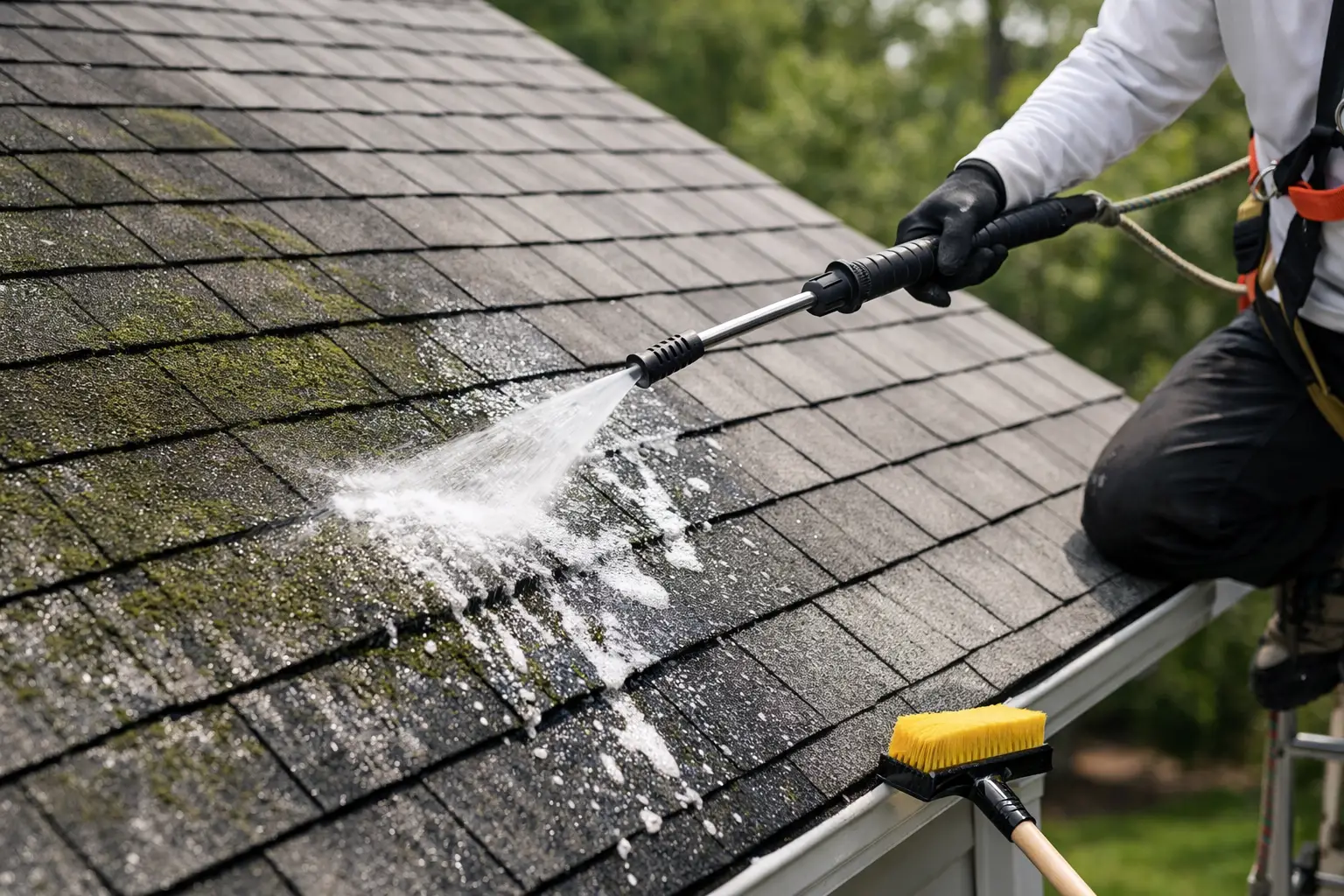
Learn how to remove algae from shingles safely, protect asphalt roofs, and avoid premature replacement with practical homeowner guidance in Westchester.
Roof cleaning removes algae, moss, and debris safely, helping Southern Westchester homeowners protect shingles, curb appeal, and roof life for years.
Learn how shingle preservation products can restore flexibility, slow roof aging, and help Westchester homeowners avoid premature replacement costs today.