A roof rarely fails all at once. More often, it starts with black algae streaks, moss along the shaded side, clogged gutters after a storm, or shingles that look dry and worn before their time. Consistent roof maintenance gives homeowners a chance to address those warning signs while the roof can still be protected – not after a small issue has become a replacement-sized expense.
For asphalt-shingle homes in Southern Westchester, the combination of tree cover, humid summers, freeze-thaw weather, and wind-driven debris creates real wear over the years. A sound maintenance plan is not about making an older roof look new for a weekend. It is about identifying what is affecting the shingles, water flow, and surrounding exterior, then using the right service for the roof’s actual condition.
What Roof Maintenance Protects Against
Asphalt shingles are designed to shed water and withstand sun exposure, but they need their protective granules and flexibility to do that job. Organic growth, trapped moisture, and unchecked debris can all work against those protections.
The dark streaking commonly seen on roofs is often algae. It can make a roof look neglected, but the concern is more than curb appeal. Algae holds moisture and can create an environment where moss takes hold. Moss is more aggressive because it can grow beneath shingle edges, lift them slightly, and keep the roof surface wet longer after rain or snow.
Debris creates another problem. Leaves, twigs, and seed pods collect in roof valleys, behind chimneys, and around skylights. They slow drainage and hold moisture against the roof. When the same debris fills gutters and downspouts, water may back up at the roof edge, overflow onto siding, or pool near the foundation.
Then there is normal aging. Sunlight gradually dries the oils in asphalt shingles. Over time, shingles can lose flexibility, show cracking, and shed granules. Maintenance cannot repair a roof that has reached the end of its service life, and a trustworthy contractor should say so plainly. But on an eligible roof with aging yet intact shingles, cleaning and preservation may help extend usable life at a fraction of replacement cost.
A Practical Roof Maintenance Plan for Westchester Homes
There is no single calendar that fits every property. A heavily wooded home in Scarsdale or Larchmont may need more frequent attention than a home with open exposure and little tree cover. Still, most homeowners benefit from a professional check at least once a year, with an additional look after major wind, snow, or heavy-rain events.
Start with a safe visual assessment
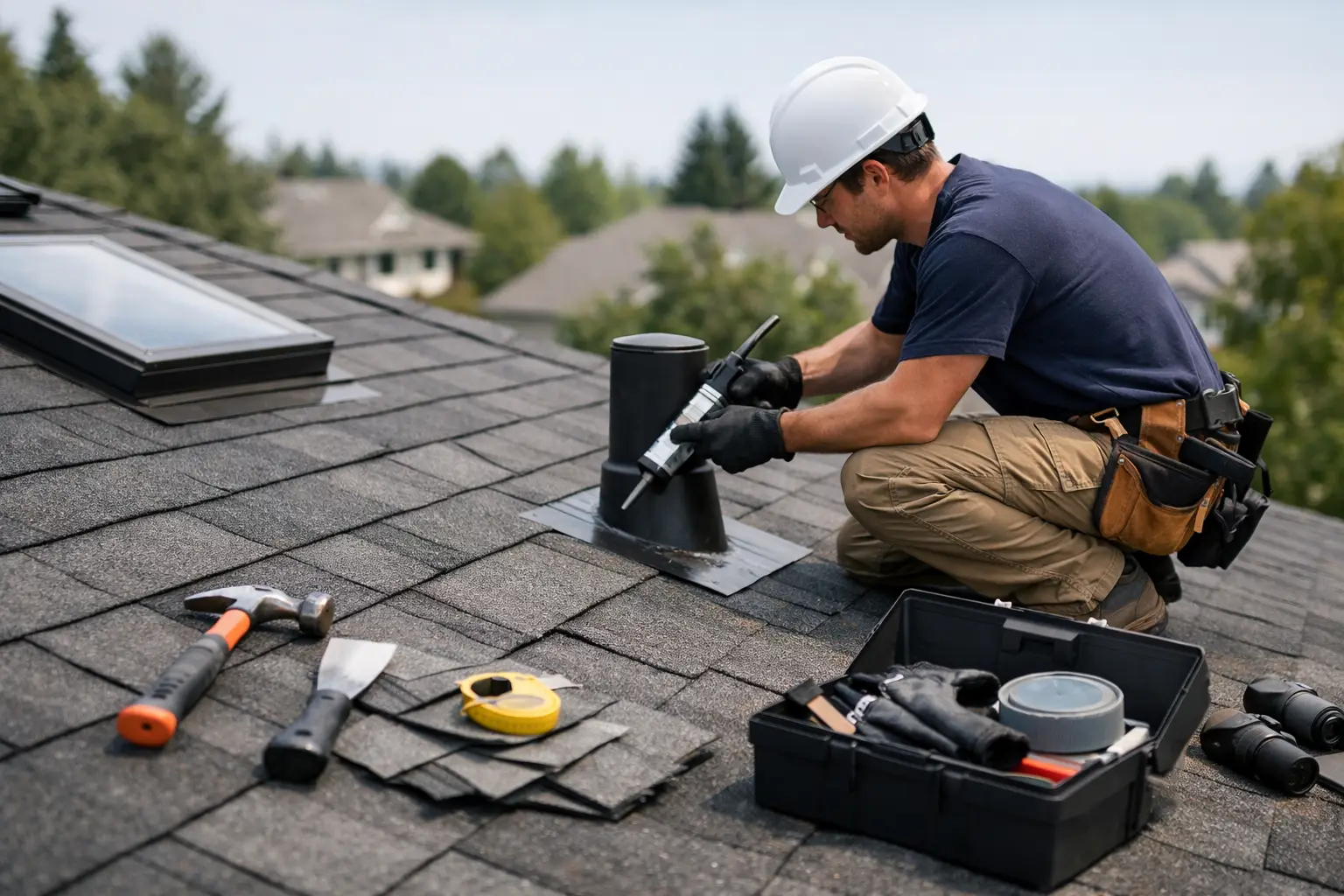
A roof inspection should begin from the ground and, when appropriate, with safe access by trained professionals. Homeowners can look for obvious changes such as streaking, moss, missing or curled shingles, debris in valleys, loose flashing, and overflowing gutters. Binoculars can help, but climbing onto a roof to investigate is usually not worth the risk.
A useful assessment goes beyond spotting stains. It looks at the pattern of growth, roof pitch, shaded areas, gutter condition, exposed fasteners, chimney or vent flashing, and the amount of granular wear. Photos help homeowners understand what is happening without relying on vague recommendations or pressure to buy a service they may not need.
Keep water moving away from the roof
Gutters are part of roof protection, not a separate cosmetic chore. When they are blocked, water cannot move through the system as designed. That can contribute to rotted fascia boards, ice buildup during cold weather, landscape erosion, and water intrusion around the roof edge.
Gutter cleaning is especially worthwhile after fall leaf drop and before winter weather arrives. Homes surrounded by mature trees may need a second cleaning during the growing season. Gutter guards can reduce recurring buildup, but they are not maintenance-free. The right guard depends on roofline, tree debris, gutter condition, and how water moves across the property.
Remove algae and moss the right way
Roof cleaning is not the place for high-pressure washing. Excessive pressure can dislodge protective granules, damage shingles, and force water where it does not belong. The safer approach for asphalt shingles is a controlled soft-wash process designed to treat organic growth without abrasive force.
The goal is to address the cause of staining and moss rather than merely blast the surface clean. Results may vary depending on the age of the growth, weather, roof slope, and surrounding shade. In some cases, treated organic material releases gradually over time as rain washes it away. That is normal and preferable to damaging a roof for an instant visual result.
Consider shingle preservation when the roof qualifies
Some roofs look tired because shingles have lost oils and flexibility, not because they are structurally beyond help. A plant-based shingle preservation treatment can be a practical option for qualifying asphalt-shingle roofs that are aging but still sound.
Roof Rescue Southern Westchester uses a USDA Certified Biobased treatment designed to replenish shingle flexibility and help reduce the effects of drying and UV exposure. It is not a cover-up for leaks, major granule loss, failing flashing, or shingles that are already brittle and severely damaged. It is a preservation service, and it works best when a clear inspection shows that preservation is the responsible recommendation.
That distinction matters. Replacement is necessary when the roof can no longer reliably protect the home. But if the roof is a viable candidate for cleaning and treatment, proactive care can cost at least 80% less than a full replacement while helping delay a major project.
Signs It Is Time to Call for an Assessment
Homeowners do not need to wait for a ceiling stain to take roof care seriously. Visible algae streaks, moss, lichen, recurring gutter overflow, shingle curling, bare-looking patches, and debris-packed valleys all justify a closer look. So does a roof that is approaching the age when neighbors with similar homes are beginning to replace theirs.
A professional assessment can also clarify whether a concern is localized or widespread. One damaged shingle near a vent is different from broad granule loss across several slopes. A small flashing repair is different from an active leak caused by failed underlayment. Accurate diagnosis protects both the home and the homeowner’s budget.
Be cautious with anyone who promises every roof can be restored. Good roof maintenance includes knowing its limits. If replacement is the safer choice, that should be explained with clear evidence. If cleaning, gutter service, a minor repair, or preservation is enough, homeowners deserve that honest option as well.
Small Habits That Support a Longer-Lasting Roof
Homeowners can make maintenance easier between professional visits. Trim back limbs that rub against the roof or drop heavy debris, while keeping safe distance from power lines. Watch for water overflowing during rain, and clear loose debris from the ground around downspout exits so drainage can move away from the foundation.
Inside the home, check the attic occasionally for damp insulation, musty odors, daylight around roof penetrations, or signs of poor ventilation. These do not always mean there is a roof leak, but they are useful clues. Attic moisture and heat can shorten shingle life from below, just as sun and weather wear shingles from above.
Documenting changes is also smart. A quick set of photos after a severe storm, or notes about when a stain first appeared, can make it easier to identify whether a problem is growing. Maintenance decisions are better when they are based on conditions over time instead of a single glance.
Why Prevention Is Usually the Better Investment
The most expensive roof problem is often the one that was visible for years but never addressed. Organic growth, drainage issues, and aging shingles do not always create an emergency immediately. That slow pace can make them easy to postpone. Yet water and moisture rarely improve a building material by being left alone.
A planned approach lets homeowners prioritize. Perhaps the immediate need is gutter cleaning and soft washing. Perhaps the roof is clean but needs a closer review of flashing. Perhaps the shingles qualify for preservation, making it possible to protect the home and postpone replacement. The right answer depends on the roof in front of you, not on a one-size-fits-all sales pitch.
If your roof is showing its age, schedule a free roof assessment before the next season of leaves, rain, and snow adds to the problem. A straightforward diagnosis now can help you make a calm, informed decision while you still have options.
continue reading
Related Posts
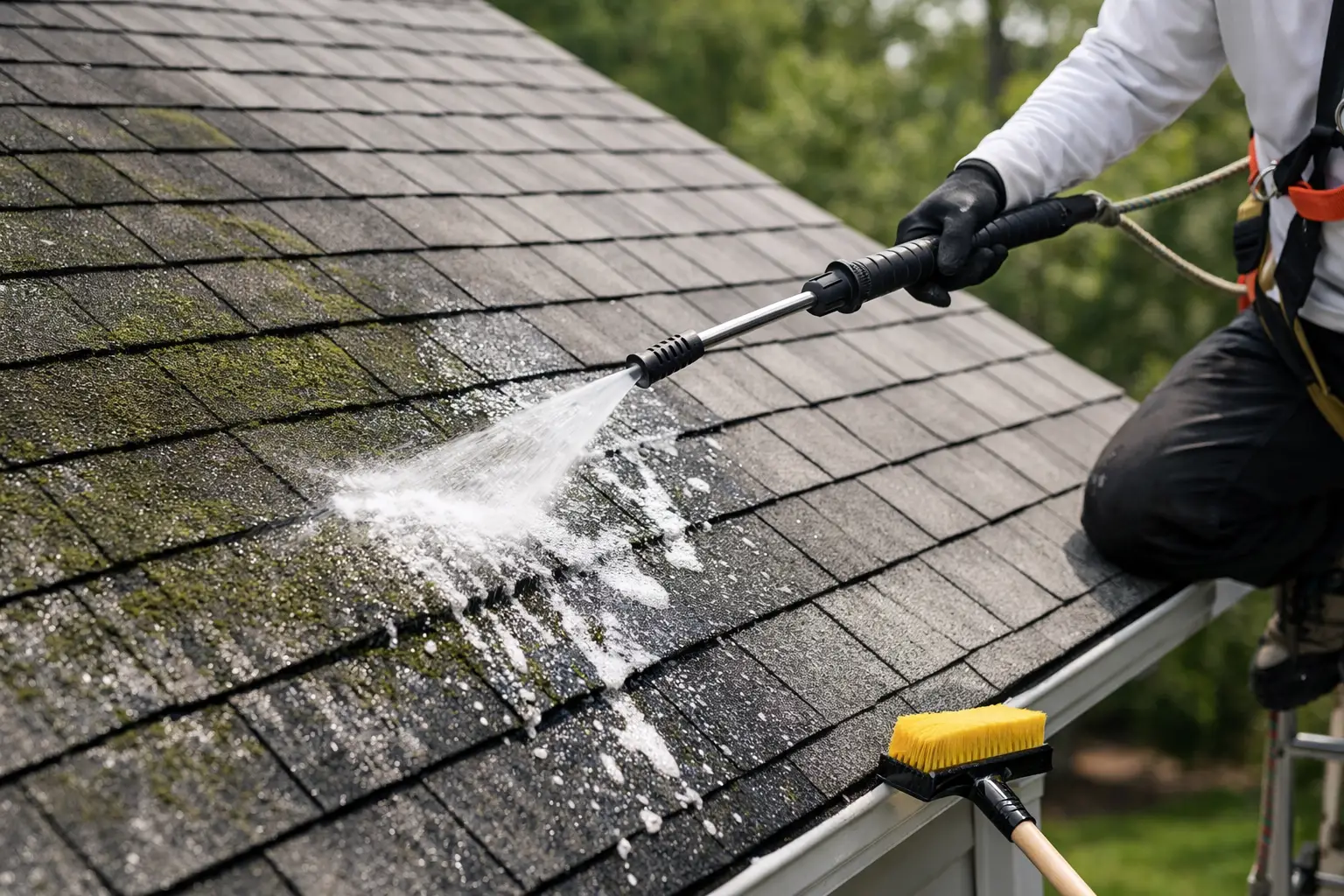
Learn how to remove algae from shingles safely, protect asphalt roofs, and avoid premature replacement with practical homeowner guidance in Westchester.
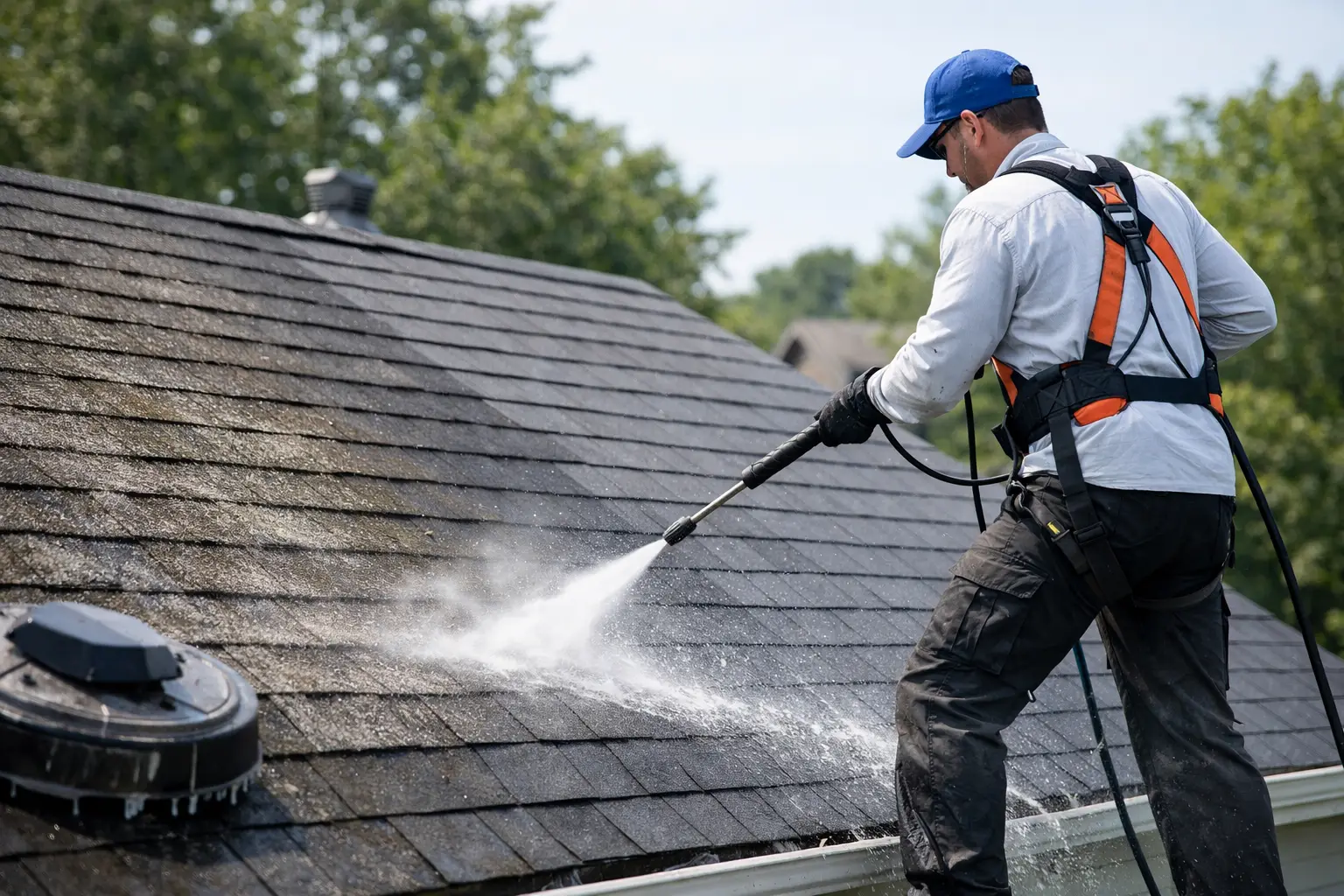
Roof cleaning removes algae, moss, and debris safely, helping Southern Westchester homeowners protect shingles, curb appeal, and roof life for years.
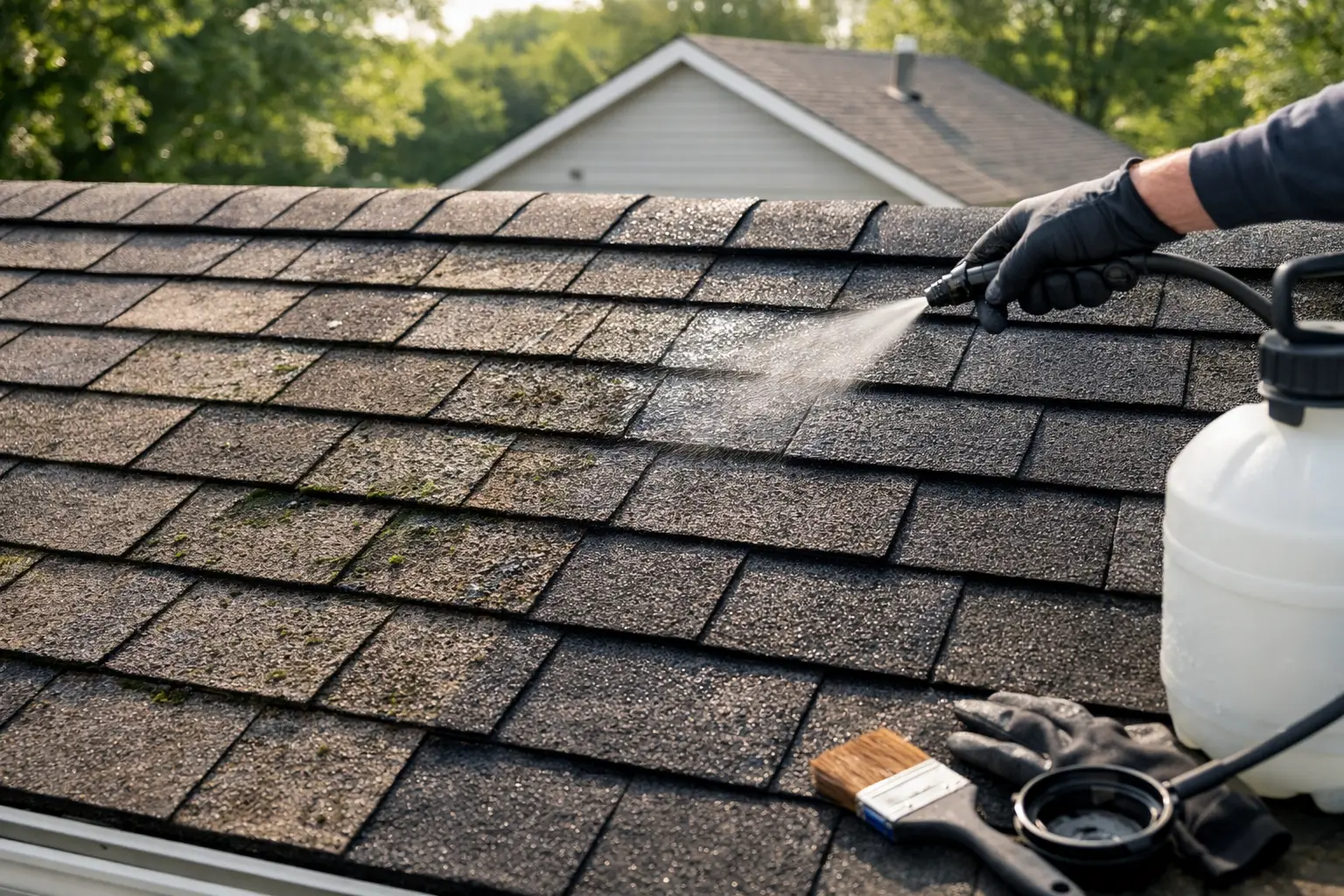
Learn how shingle preservation products can restore flexibility, slow roof aging, and help Westchester homeowners avoid premature replacement costs today.