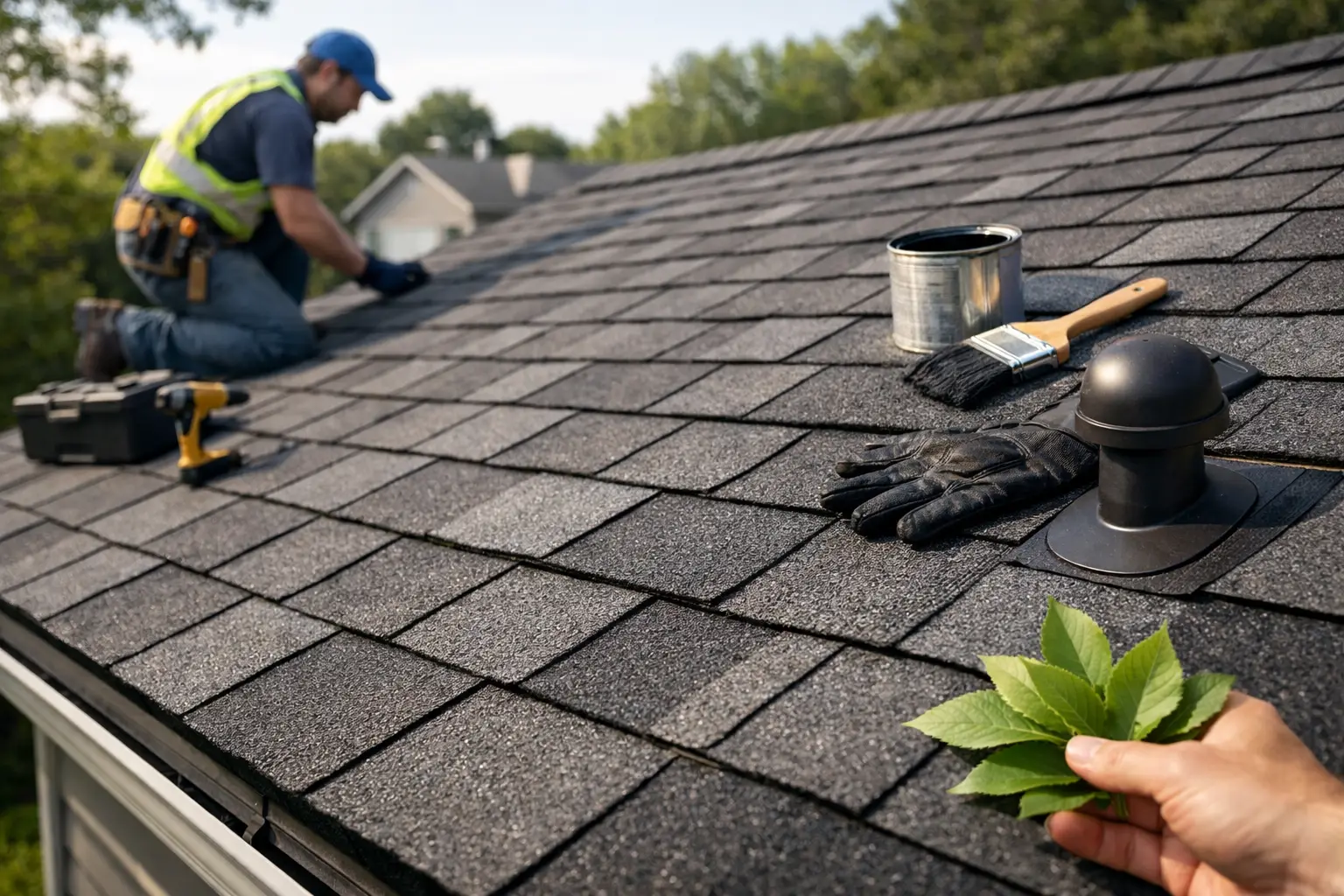
A black streak across an asphalt roof can look like a curb-appeal problem. In many cases, it is also a maintenance signal. To extend asphalt roof lifespan, homeowners need to address the moisture, organic growth, debris, and sun exposure that gradually wear shingles down long before a leak appears inside.
For Southern Westchester homeowners, that work is especially worthwhile. A roof replacement is one of the largest expenses attached to a home, yet many roofs are replaced early because small, correctable problems were allowed to build up. Preventive care cannot make a failing roof new again, but it can help a sound roof continue doing its job for longer.
1. Keep algae, moss, and lichen from taking hold
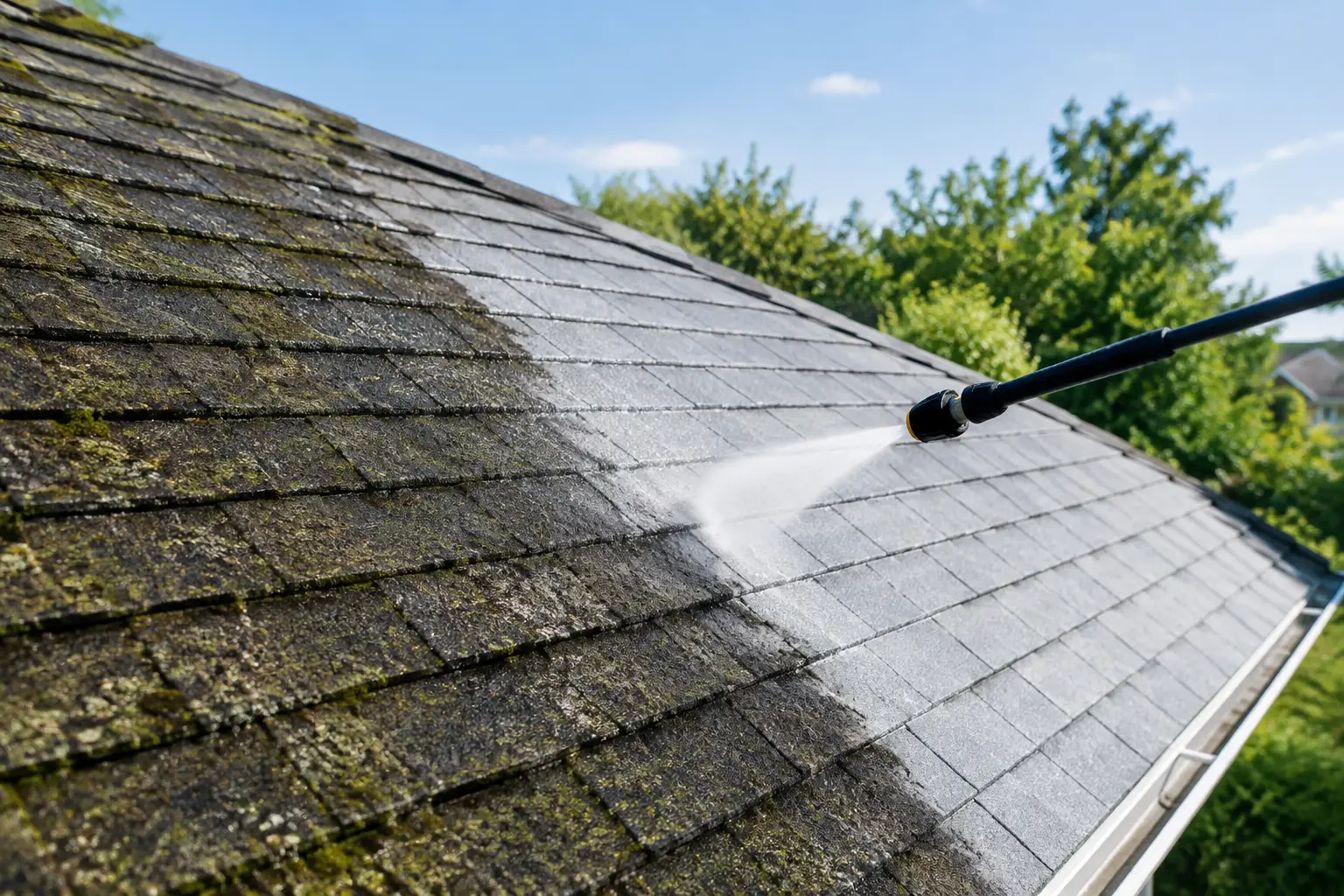
Those dark roof stains are commonly caused by algae. While algae itself may not immediately destroy shingles, it holds moisture on the roof surface and can make the roof run warmer in the sun. Moss and lichen are more concerning because they can grow beneath shingle edges, retain water, and interfere with proper drainage.
The right response is not aggressive pressure washing. High pressure can dislodge protective granules, lift shingle edges, and shorten the roof’s useful life. A professional soft-wash approach uses an appropriate cleaning solution and controlled application to remove organic growth without blasting the roof surface.
Timing matters. Treating light staining early is usually simpler than waiting until moss has formed thick mats along shaded roof sections. North-facing slopes, tree-covered areas, and sections beneath overhanging branches deserve extra attention.
2. Make gutter cleaning part of roof maintenance
Your gutters do more than keep water from pouring over the edge of the roof. They move rainwater away from the fascia, soffits, siding, foundation, and landscaping. When gutters clog with leaves, shingle granules, or seed pods, water can back up at the roof edge.
That standing water creates the conditions asphalt shingles do not handle well over time: repeated saturation, freeze-thaw stress, and decay around roof-edge materials. In Westchester County, fall leaf drop and winter weather make this a recurring concern.
Clean gutters at least twice a year in many homes, typically after spring pollen and seed debris and again after most leaves have fallen. Homes surrounded by mature trees may need more frequent service. Gutter guards can reduce routine buildup, but they still need occasional inspection and cleaning.
3. Trim branches that shade and scrape the roof
A mature tree can add value and comfort to a property, so the goal is not to clear-cut the yard. The goal is to give the roof room to dry after rain and protect it from physical damage.
Branches that touch or nearly touch the roof can scrape shingles during wind events. They also drop leaves, twigs, acorns, and moisture-holding debris into valleys and gutters. Heavy shade slows drying, which gives moss and algae a more favorable environment.
A qualified tree professional can identify branches that should be pruned without harming the tree. Once the roof has better airflow and less debris, cleaning and preservation efforts tend to last longer.
4. Inspect the roof after storms and before winter
Roof damage is not always obvious from the driveway. Wind may loosen a shingle tab. A falling branch may crack or puncture a shingle. Flashing around a chimney, vent, skylight, or wall connection can shift just enough to let water in later.
A professional inspection gives homeowners a clear picture of roof condition without guessing or climbing onto the roof themselves. For asphalt shingles, look for signs such as curling edges, missing tabs, exposed nail heads, excessive granules in gutters, cracked shingles, deteriorated pipe boots, and damaged flashing.
Not every issue requires replacement. A localized repair may be appropriate when the roof is otherwise in good condition. On the other hand, widespread cracking, major granule loss, soft decking, repeated leaks, or shingles near the end of their service life may mean preservation is no longer the right recommendation. Honest diagnostics protect your budget better than a one-size-fits-all sales pitch.
5. Remove roof debris without damaging shingles
Leaves and branches collect in roof valleys, behind chimneys, near dormers, and along low-slope transitions. Left in place, that debris acts like a sponge. It slows drainage and keeps shingle surfaces wet, particularly after a long stretch of rain.
Debris removal should be gentle. Avoid metal rakes, hard scraping, or dragging tools across the roof. Those methods can remove granules and weaken the asphalt layer beneath them. Homeowners should also avoid walking on a roof unless they have the right training and safety equipment. A wet, steep, or aging shingle roof is not a safe place for a do-it-yourself project.
6. Consider shingle preservation when the roof qualifies
As asphalt shingles age, heat and ultraviolet exposure gradually dry the oils within the shingle. The material can become less flexible, making it more vulnerable to cracking and granule loss. This is often where a qualified preservation treatment may help.
Plant-based shingle rejuvenation treatments are designed for roofs that remain structurally sound but are showing age-related drying. Roof Rescue Southern Westchester uses a USDA Certified Biobased product intended to help restore flexibility and support ongoing shingle performance. It is not a cover-up for leaks, missing shingles, rotten decking, or a roof that has already reached failure.
That distinction matters. A responsible assessment should determine whether the roof is a candidate before any treatment is recommended. When it is, preservation can be a practical alternative to premature replacement and may cost substantially less than installing a new roof.
7. Build a simple annual roof-care routine
The best way to extend an asphalt roof lifespan is to catch change early. You do not need to become a roofing expert, but a regular visual check from the ground can prevent a small issue from becoming an expensive surprise.
A useful annual routine includes these five checks:
- Look for new dark streaks, moss, or debris after wet seasons.
- Check gutters and downspouts for clogs, overflow marks, and excess shingle granules.
- Walk around the home after major storms and note fallen branches or visible shingle damage.
- Inspect the attic for water staining, damp insulation, musty odors, or daylight around penetrations.
- Schedule a professional roof assessment if the roof is aging, staining is spreading, or anything looks different.
Documenting the roof with photos each year can be helpful, especially for homeowners planning to sell or tracking the condition of an older roof. A clear record makes it easier to see whether a stain, curl, or damaged area is stable or getting worse.
When maintenance cannot extend roof life
Maintenance works best before water has entered the roof system. If you see interior ceiling stains, active drips, sagging roof areas, widespread shingle failure, or extensive storm damage, treat the issue as a repair priority. Cleaning or preservation should never delay necessary repairs.
Likewise, do not judge roof condition by age alone. Some roofs age faster because of shade, poor drainage, ventilation issues, storm exposure, or prior installation problems. Others remain good candidates for cleaning and preservation longer than expected. The condition of the shingles, flashing, roof deck, and drainage system tells the real story.
A well-maintained roof is rarely about one dramatic service. It is the result of steady attention: keep it clean, let it drain, address damage early, and get a straightforward professional opinion before a small warning sign becomes a replacement decision.
continue reading
Related Posts
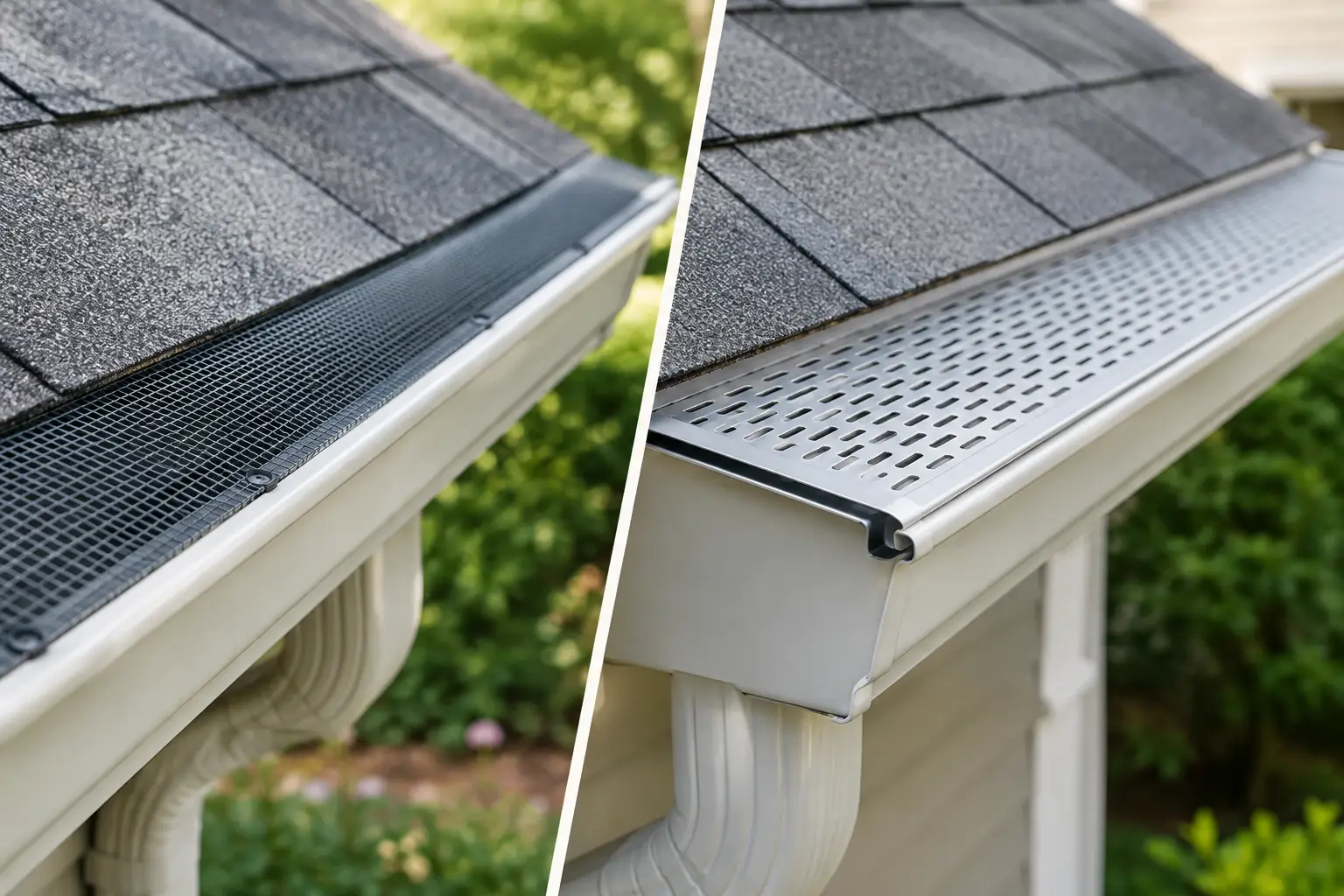
Comparing gutter screens versus guards? Learn which option fits Westchester homes, sheds leaves reliably, and reduces cleaning without trapping debris.
See what real roof cleaning results look like, how long they take, and why safe treatment can protect shingles and help avoid costly replacement bills.
Does soft washing kill mold? Learn how low-pressure cleaning removes exterior growth, when stains suggest damage, and how to protect your home safely.