A green patch on an asphalt-shingle roof can look harmless from the driveway. But moss holds moisture against the roof surface, spreads into shaded areas, and can work its way beneath shingle edges over time. Effective roof moss prevention is less about making a roof look perfect and more about protecting the shingles, drainage, and investment underneath.
For homeowners in Southern Westchester, moss is a familiar issue. Mature trees, damp spring and fall weather, leaf buildup, and north-facing roof slopes create conditions where organic growth can take hold. The good news is that moss problems are often preventable when they are addressed before shingles begin lifting, cracking, or losing protective granules.
Why Moss Is More Than a Cosmetic Roof Problem
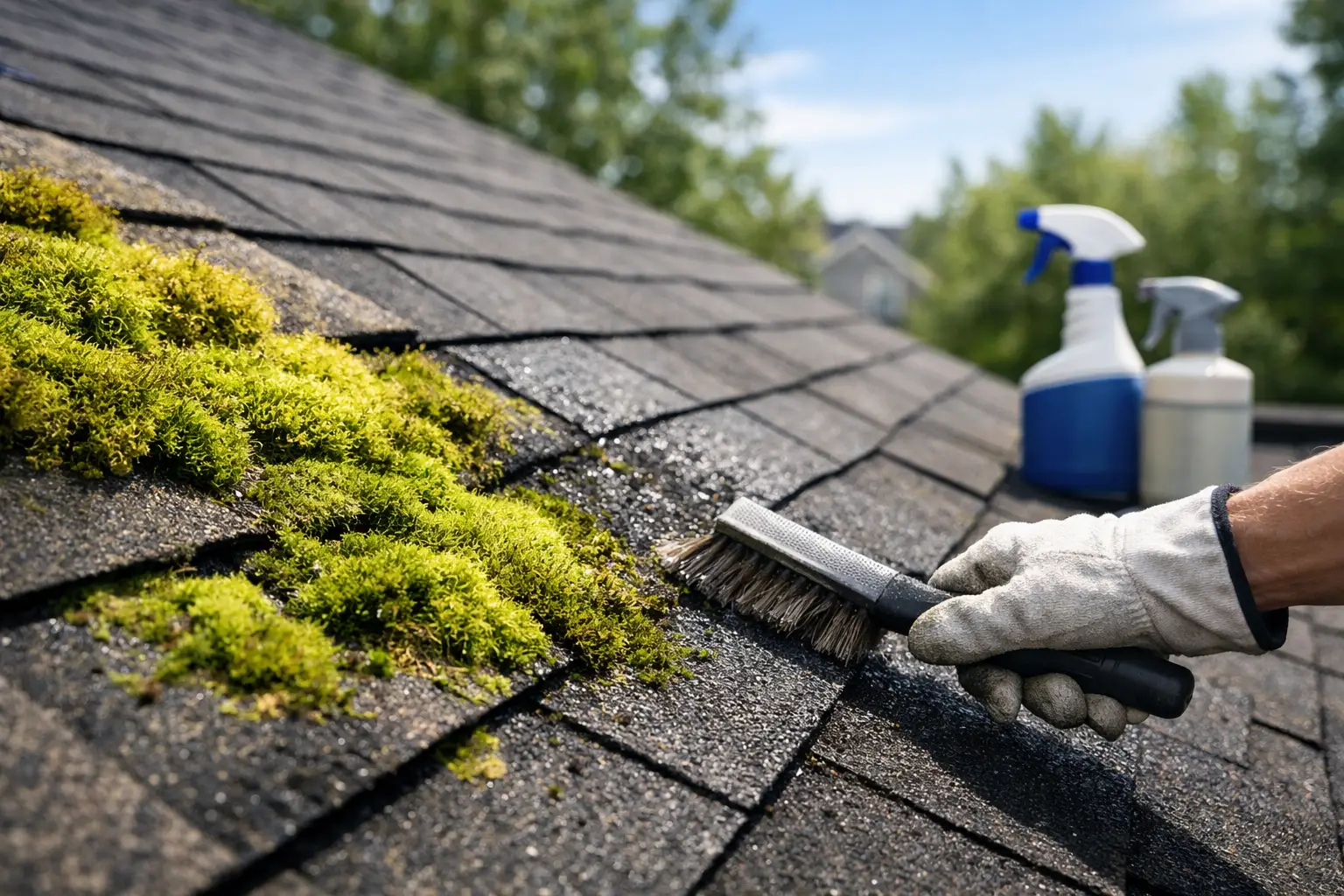
Moss is a small plant that absorbs and retains water. Unlike dark roof algae, which often appears as broad black streaking, moss has a thicker, fuzzy or clumped texture. It commonly grows along lower roof sections, near valleys, beneath overhanging branches, and around areas where leaves collect.
When moss remains on a roof, it keeps shingles damp long after rain has stopped. Repeated moisture exposure can accelerate normal aging, especially on older asphalt shingles. As moss thickens, its root-like structures can also push at shingle edges and create places for water, debris, and ice to collect.
That does not mean every small spot of moss requires a new roof. It does mean the roof deserves a closer look. A professional assessment can distinguish surface growth on otherwise sound shingles from moss that is contributing to deterioration, granule loss, curled edges, or drainage problems.
Roof Moss Prevention Starts With a Dry, Clear Roof
Moss needs moisture, shade, and a surface where debris can sit undisturbed. Remove one or more of those conditions, and growth becomes much less likely to return.
Keep Gutters and Roof Edges Clear
Clogged gutters are one of the most common contributors to moss growth. When water cannot move freely through the gutter system, it can back up near the roof edge. Wet leaves and sediment then create a moisture-rich layer where moss can establish itself.
Gutter cleaning is especially valuable after heavy leaf fall and before winter. Homeowners should also watch for water spilling over gutter edges during rain, plant growth coming out of downspouts, or dark staining along the fascia. Those signs often point to a drainage issue that needs attention before it affects the roof.
Gutter guards can reduce the amount of debris entering the system, but they are not maintenance-free. The right guard depends on the roofline, nearby trees, and the type of debris around the property. A good recommendation should be based on the home, not a one-size-fits-all product pitch.
Trim Back Overhanging Branches
Trees add beauty and privacy to a Westchester property, but branches directly above the roof create several maintenance challenges. They block sunlight, drop leaves and twigs, and can scrape shingles during windy weather. A roof that stays shaded and littered with organic debris is a natural home for moss.
Proper pruning allows more sunlight and airflow to reach the roof. It also limits the volume of debris that needs to be removed from valleys and gutters. Branches should not be cut carelessly, particularly near power lines or large limbs. When professional tree work is needed, it is worth treating it as part of a larger roof-protection plan.
Remove Leaf Debris Before It Breaks Down
Leaves do not need to fill an entire roof to cause trouble. A small pile caught in a valley or behind a chimney can hold water against shingles for weeks. As the material breaks down, it creates a damp organic layer that supports moss, algae, and lichen growth.
This is why roof debris should be removed with a method appropriate for asphalt shingles. Aggressive brushing, scraping, or walking unnecessarily across a roof can cause damage of its own. The goal is to clear debris without loosening granules or stressing vulnerable shingle areas.
Use the Right Cleaning Method for Asphalt Shingles
One of the costliest mistakes homeowners make is treating a roof like a driveway. Pressure washing may be effective on concrete or certain hard exterior surfaces, but high pressure does not belong on asphalt shingles. It can strip away granules, force water beneath shingles, and shorten the roof’s useful life.
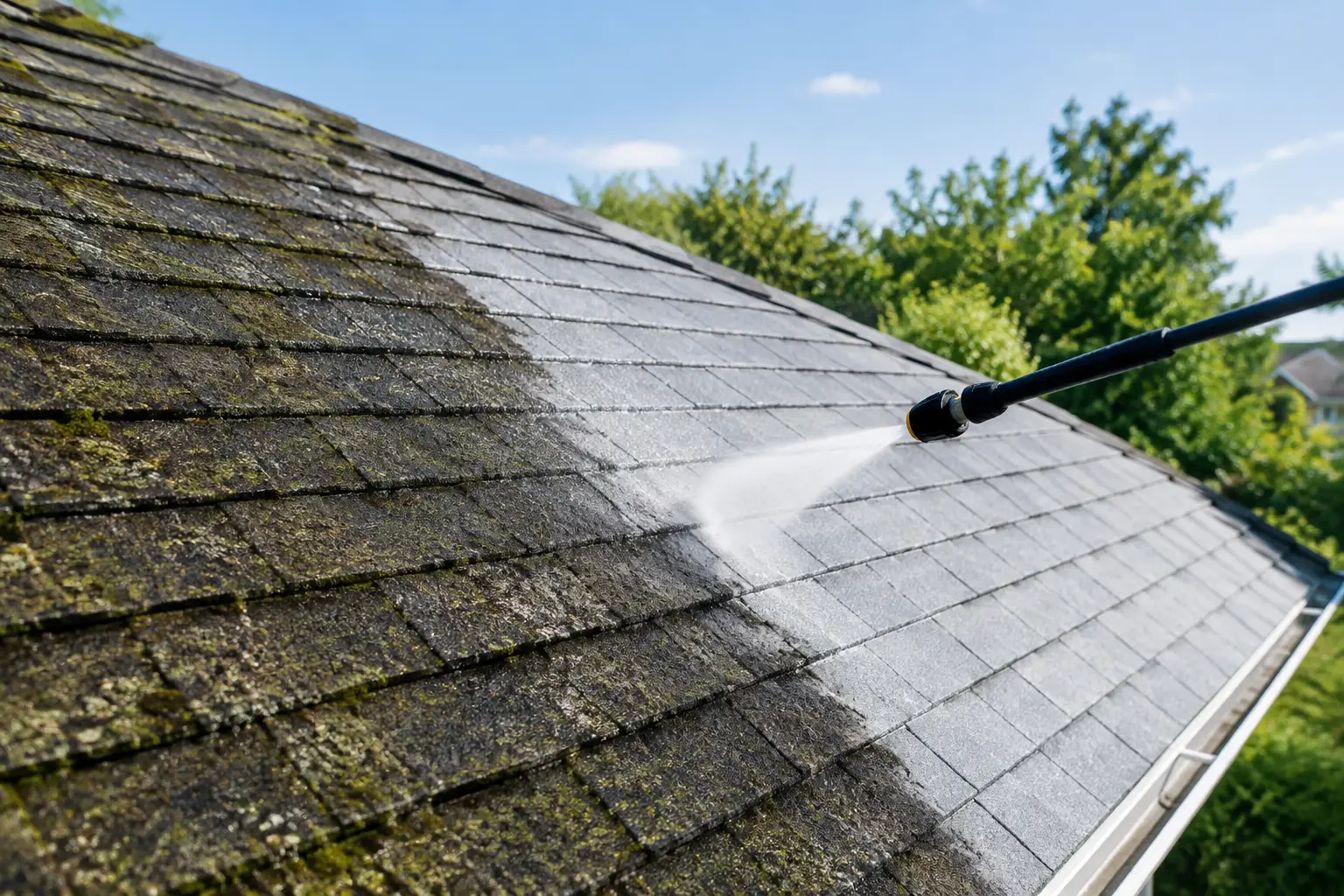
For moss and organic staining, a properly performed soft-wash approach is the safer choice. This process uses low pressure and roof-appropriate cleaning solutions to treat growth rather than blast it off. Moss may not always disappear instantly, especially if it is thick and established. In many cases, treatment kills the growth so it releases gradually with weather exposure, avoiding unnecessary abrasion to the shingles.
The right process depends on roof age, pitch, shingle condition, landscaping, and the extent of growth. Plants around the home should be protected, runoff should be managed carefully, and the roof should be inspected for existing damage before cleaning begins. If shingles are already brittle, severely curled, or near the end of their life, cleaning alone may not be the right answer.
Preserve Shingles Before They Become a Replacement Project
Moss prevention is one part of roof maintenance. Another is recognizing that asphalt shingles gradually lose protective oils as they age under sun, rain, temperature swings, and normal wear. As those oils diminish, shingles can become less flexible and more prone to cracking or granule loss.
For qualifying roofs, a plant-based shingle preservation treatment can help restore flexibility and slow further drying. Roof Rescue Southern Westchester uses a USDA Certified Biobased treatment designed for asphalt shingles that are still structurally serviceable. It is not a coating that hides problems, and it is not a substitute for repair when a roof is leaking or failing. It is a preventive option for homeowners who want to get more usable life from a roof before considering replacement.
This distinction matters. A trustworthy roof recommendation should never force a cleaning, preservation treatment, or replacement onto every home. Some roofs need targeted repairs. Others benefit from cleaning and ongoing upkeep. And roofs with widespread failure may require replacement planning. Clear photos and an honest condition assessment help homeowners make that decision with confidence.
A Practical Roof Moss Prevention Schedule
A roof does not need constant attention, but it does benefit from regular observation. Walk around the property after major storms and look from the ground for branches, gutter overflow, debris in valleys, dark streaking, or green growth along shaded slopes. Binoculars can help, but there is no need to climb onto the roof for a routine check.
A professional inspection once a year is a sensible baseline for many homes. Properties with dense tree cover, heavy shade, or recurring gutter clogs may need seasonal upkeep instead. Spring is a good time to identify winter moisture damage, while late fall is often the right time to remove leaves and prepare drainage for freezing conditions.
Pay particular attention after a long wet period. Moss can spread faster than many homeowners expect when a roof remains shaded and damp. Addressing a small patch early is usually simpler and less expensive than waiting until growth covers multiple roof sections.
When to Call for a Professional Roof Assessment
Call for an assessment if you see moss spreading across shingles, shingle edges lifting near growth, repeated gutter overflow, or debris that cannot be safely reached from the ground. Water stains in the attic, missing shingles, and visible granules accumulating in gutters also deserve prompt attention.
The best next step is not automatically a replacement estimate. It is a careful diagnosis of what is happening on the roof, what can be maintained, and what needs repair. A photo-documented inspection gives homeowners a clear view of conditions they cannot safely see for themselves.
A clean, dry roof is easier to protect than a neglected one. Schedule a free roof assessment before the next season of shade, leaves, and rain gives moss another place to grow.
continue reading
Related Posts
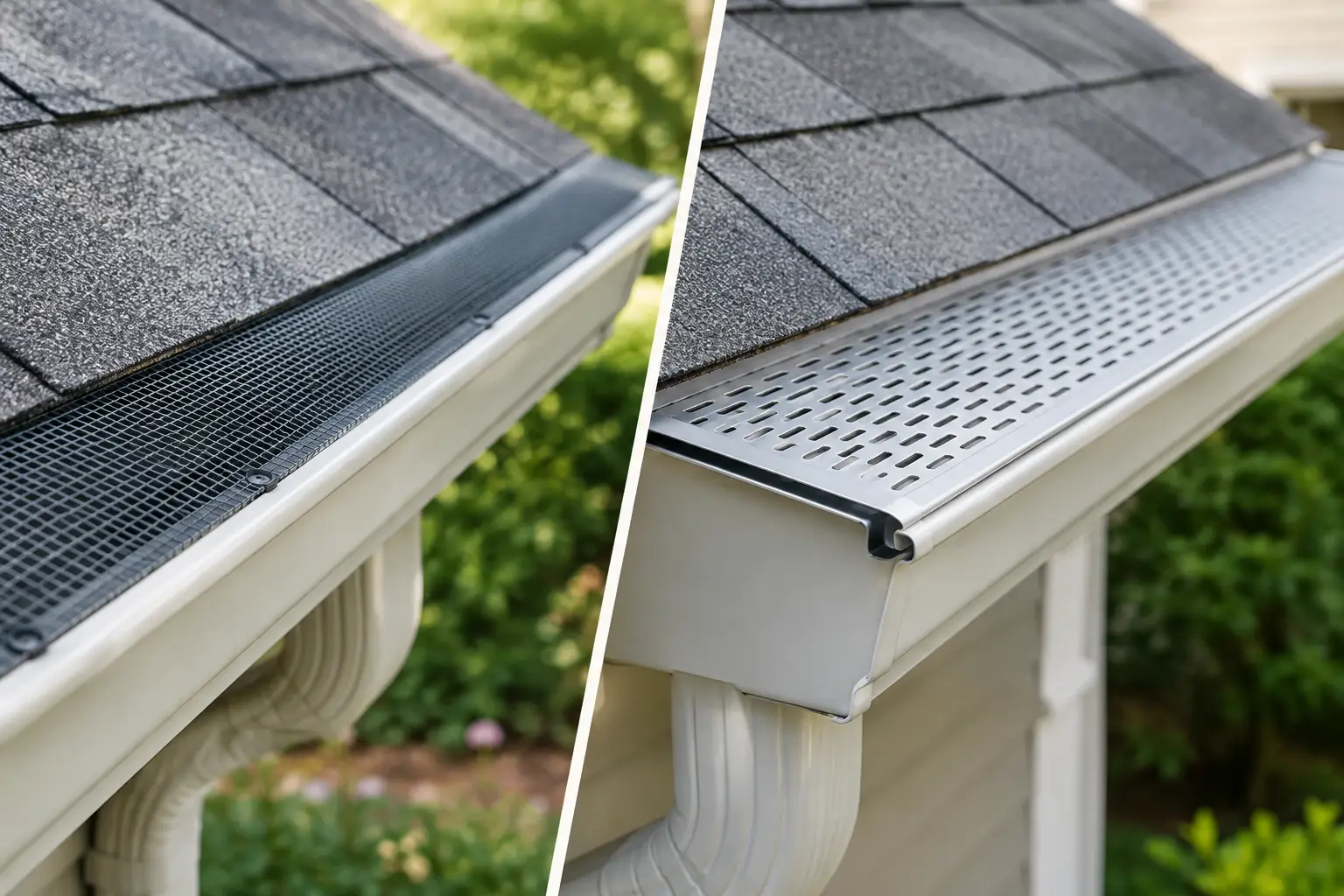
Comparing gutter screens versus guards? Learn which option fits Westchester homes, sheds leaves reliably, and reduces cleaning without trapping debris.
See what real roof cleaning results look like, how long they take, and why safe treatment can protect shingles and help avoid costly replacement bills.
Does soft washing kill mold? Learn how low-pressure cleaning removes exterior growth, when stains suggest damage, and how to protect your home safely.