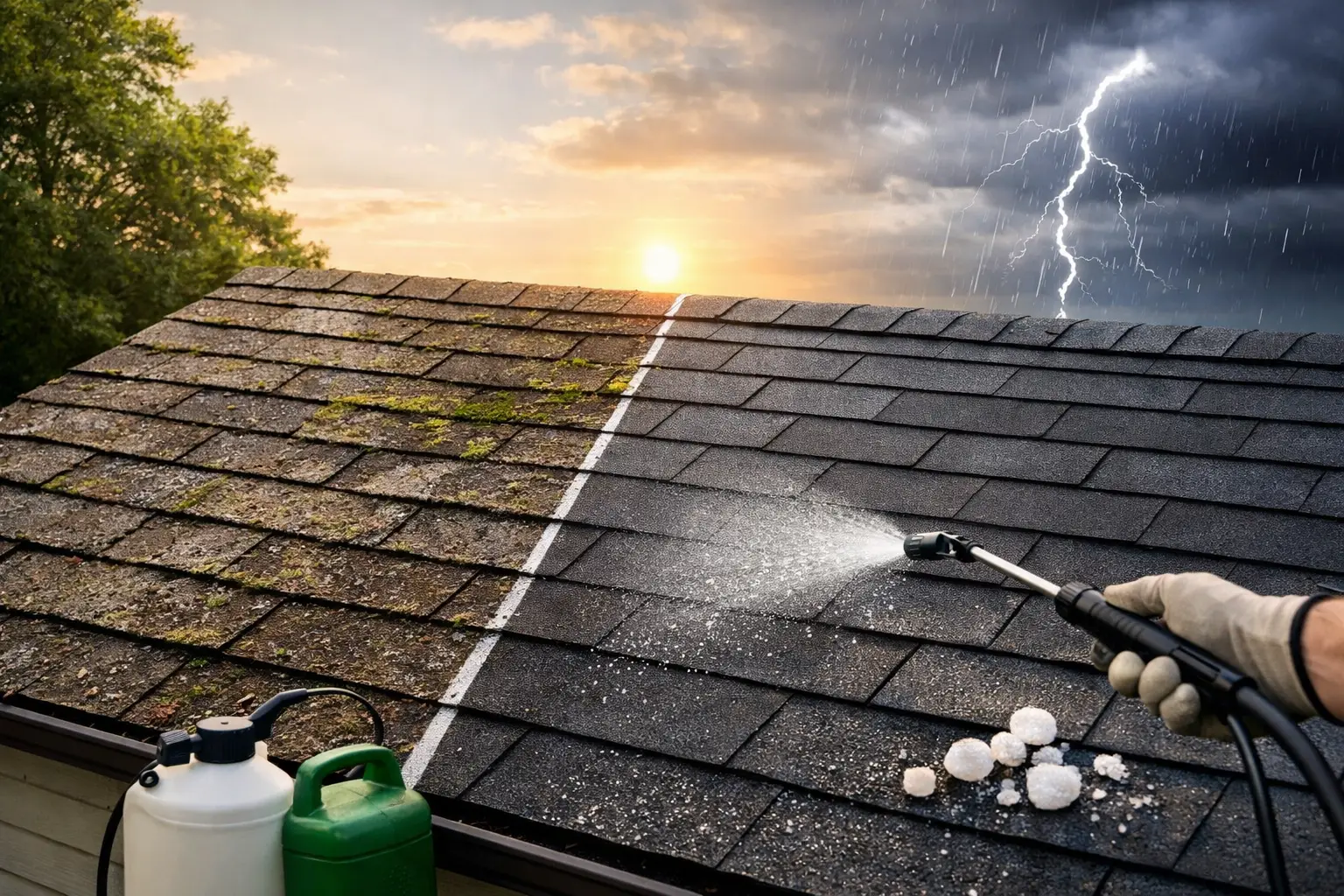
A dark roof streak can look like a cosmetic issue from the driveway. Up close, it may be algae holding moisture on the shingle surface, moss lifting shingle edges, or evidence that years of weather exposure are catching up with the roof. Roof treatment longevity matters because the right maintenance plan can help a serviceable asphalt-shingle roof stay serviceable longer – while the wrong approach can waste money or, worse, damage the shingles.
For homeowners in Southern Westchester, the practical question is not simply, “How long will a treatment last?” It is whether the roof is still a good candidate for cleaning and preservation, what is causing its deterioration, and what maintenance will protect the results. A professional assessment should answer those questions plainly, without treating every roof as a replacement job.
What Roof Treatment Longevity Really Depends On
There is no single lifespan for every roof treatment. A treatment’s staying power depends on the roof’s age, the condition of the shingles, the type and amount of organic growth, sun exposure, tree cover, drainage, and the work completed before treatment is applied.
A roof with intact shingles and widespread dark algae staining may respond very well to a safe soft-wash process and a preservation treatment. A roof with extensive cracking, curled tabs, missing shingles, exposed fiberglass mat, or active leaks needs a different conversation. Cleaning cannot replace missing material, and preservation products cannot correct a failing roof system.
That distinction protects homeowners from overspending in either direction. Replacing a roof that is still structurally sound can be an unnecessary capital expense. Applying a treatment to a roof that has reached the end of its usable life is not a responsible recommendation, either.
The condition of the shingles comes first
Asphalt shingles rely on protective granules and flexible asphalt oils to resist sun, rain, temperature changes, and daily wear. Over time, ultraviolet exposure and weather can dry the shingle surface. Granules loosen, edges become brittle, and small cracks can develop.
A qualified roof assessment looks beyond staining. It considers granule loss, shingle flexibility, nail pops, flashing condition, damaged areas, and whether water is moving properly off the roof. When the basic shingle structure remains sound, a plant-based shingle preservation treatment may help replenish lost oils and improve flexibility. When it does not, a homeowner deserves clear documentation and an honest repair or replacement recommendation.
Cleaning quality affects how long results hold
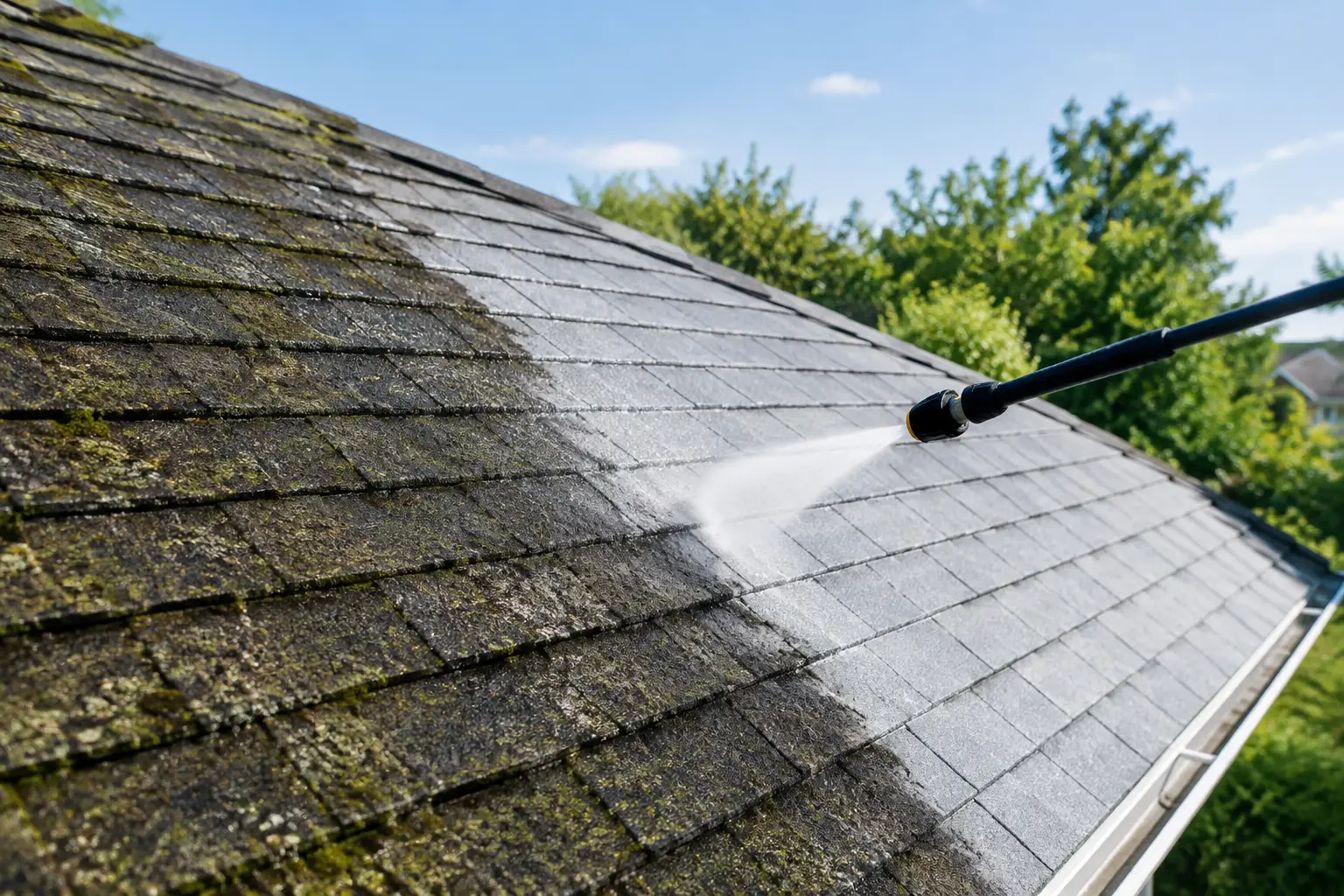
The roof must be cleaned correctly before preservation can do its best work. Algae, lichen, moss, dirt, and leaf debris create a barrier between the shingle surface and any treatment. They can also trap moisture, which encourages more organic growth and leaves the roof looking aged well before its time.
Pressure washing is not the answer for asphalt shingles. High pressure can dislodge granules and shorten roof life. A proper roof wash uses a controlled, roof-safe soft-wash approach that addresses organic growth without blasting the shingle surface. The goal is to clean effectively while protecting the roofing material beneath it.
How Long Can a Roof Preservation Treatment Last?
A preservation treatment is not permanent, but it should be viewed as part of a maintenance strategy rather than a one-time cosmetic fix. The visible improvement after a roof wash can be immediate, while the longer-term protection of a shingle rejuvenation treatment depends on exposure and roof condition.
Roofs under heavy tree cover usually need closer monitoring than roofs in open sun. Falling leaves, shade, damp conditions, and limited airflow create a favorable environment for algae and moss. A home near mature trees in Scarsdale, Rye, or Larchmont may need more regular attention than a home with an open, well-drained roofline.
The treatment itself also matters. Roof Rescue Southern Westchester uses a USDA Certified Biobased shingle rejuvenation product designed to help restore flexibility to aging asphalt shingles. For qualified roofs, this type of preservation can cost substantially less than replacement – often at least 80% less – while helping homeowners get more useful life from their existing shingles.
That is not a promise that every roof will last a certain number of additional years. It is a practical option for roofs that are aging but not yet failing. The best expectations come from an in-person assessment, photographs of the roof’s condition, and a plan based on the home’s actual exposure.
The Maintenance Issues That Shorten Treatment Life
Most roof treatments are not defeated by one major event. They lose effectiveness when small maintenance problems are allowed to repeat year after year. Clogged gutters, overhanging branches, poor roof drainage, and neglected debris are common examples.
Gutters deserve special attention. When gutters overflow, water can back up at the roof edge and keep shingles damp longer than they should be. Wet leaf debris can sit in valleys, against chimneys, and behind dormers. Those areas become natural starting points for moss and algae growth.
Homeowners can help protect their results by keeping gutters clear, trimming back branches that scrape the roof or block sunlight, and watching for recurring piles of leaves in roof valleys. If you notice new dark streaks, moss patches, lifted shingles, or water spilling over gutters, address it early. Minor exterior maintenance is usually far less costly than waiting for visible roof damage or interior water stains.
Weather and seasonal timing matter
Westchester roofs face a wide range of conditions: humid summers, leaf-heavy autumns, freezing winter temperatures, spring rain, and occasional severe storms. Each season places a different demand on the roof.
Spring and fall are often useful times for inspection because they reveal what winter weather or summer growth has left behind. After a major storm, a visual check from the ground can identify missing shingles, fallen limbs, or clogged gutters. There is no need to climb onto the roof. Roof surfaces can be slippery, and unnecessary foot traffic can damage shingles or put homeowners at risk.
A professional can determine whether conditions are appropriate for cleaning or treatment. Temperature, rain forecasts, roof dryness, and the type of service being performed all affect timing. Good work is not rushed simply to fit a calendar date.
When Treatment Is the Smart Choice – and When It Is Not
Roof preservation is most valuable when it is preventive. It makes sense for an asphalt-shingle roof that is weathered, stained, or beginning to lose flexibility but still has sound shingles and no significant system failure. It can also be a strong choice for homeowners preparing to sell, improving curb appeal, or trying to delay a major expense responsibly.
It is not the right answer for every roof. Active leaks, major storm damage, widespread missing granules, severely curled shingles, or a roof near the end of its functional life may require repair or replacement. A trustworthy contractor should be comfortable saying so.
Be cautious of anyone who provides a guaranteed roof-life extension without inspecting the roof, or who recommends high-pressure washing for shingles. Likewise, avoid treating a roof solely because it looks dark from the street. Dark staining is often algae, but the full condition of the roof determines whether cleaning, preservation, repair, or replacement is the sensible next step.
A Practical Plan for Longer-Lasting Results
The most dependable approach begins with a documented roof assessment. Photos help homeowners see the same conditions the technician sees, including algae growth, moss, damaged shingles, debris accumulation, and drainage concerns. From there, the recommendation should be specific: clean the roof, treat qualifying shingles, repair isolated issues, improve gutter performance, or plan for replacement if the roof no longer has enough sound material to protect the home.
After service, keep an eye on the roofline from the ground and make exterior upkeep routine rather than reactive. Annual gutter cleaning, seasonal checks after storms, and prompt removal of heavy debris can protect both the roof and the investment made in treatment.
A roof does not need to look brand new to be worth protecting. It needs to be structurally sound, properly maintained, and evaluated honestly. Schedule your free roof assessment to find out whether your shingles are good candidates for cleaning and preservation – and make the next decision based on the condition of your home, not a sales pitch.
continue reading
Related Posts
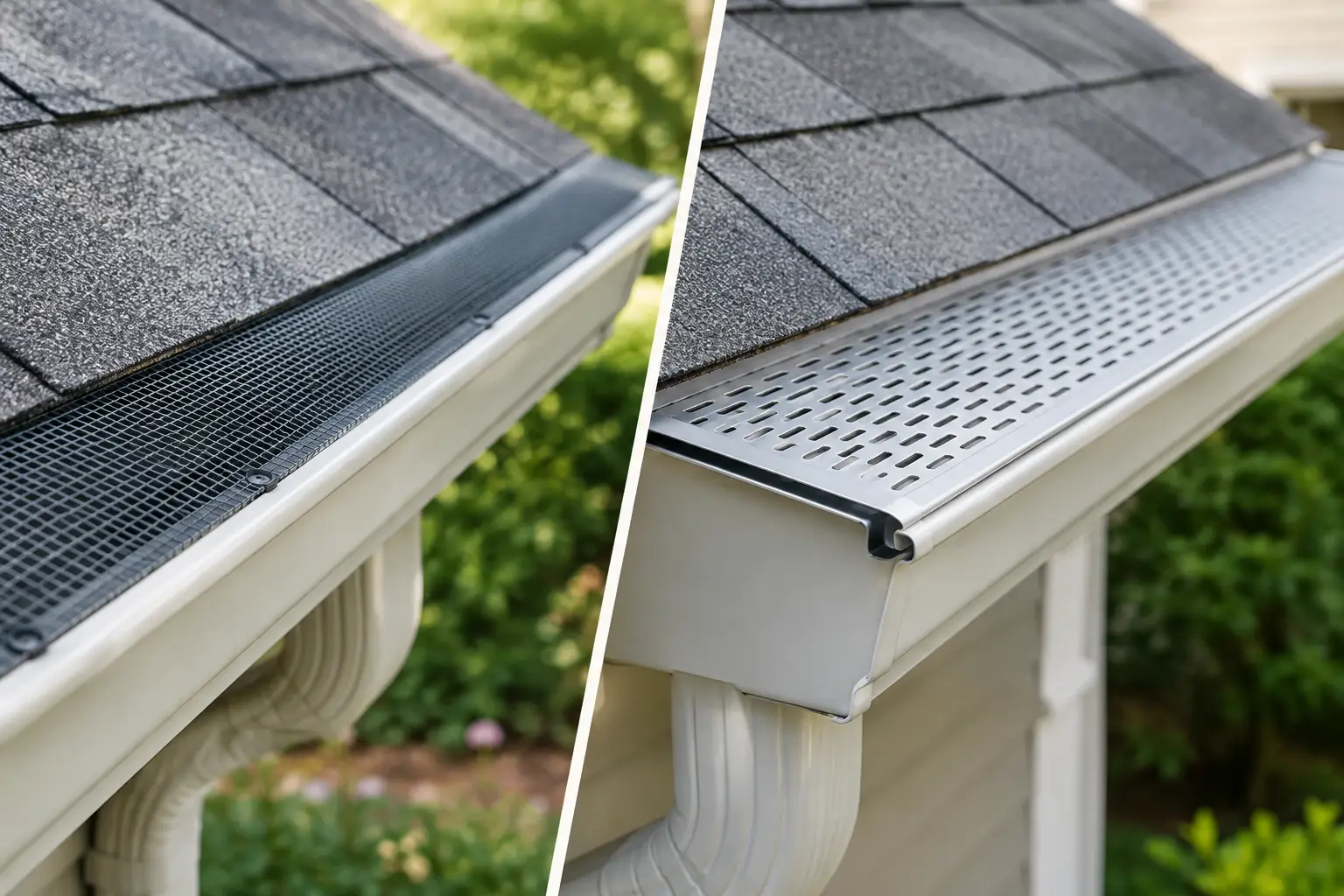
Comparing gutter screens versus guards? Learn which option fits Westchester homes, sheds leaves reliably, and reduces cleaning without trapping debris.
See what real roof cleaning results look like, how long they take, and why safe treatment can protect shingles and help avoid costly replacement bills.
Does soft washing kill mold? Learn how low-pressure cleaning removes exterior growth, when stains suggest damage, and how to protect your home safely.