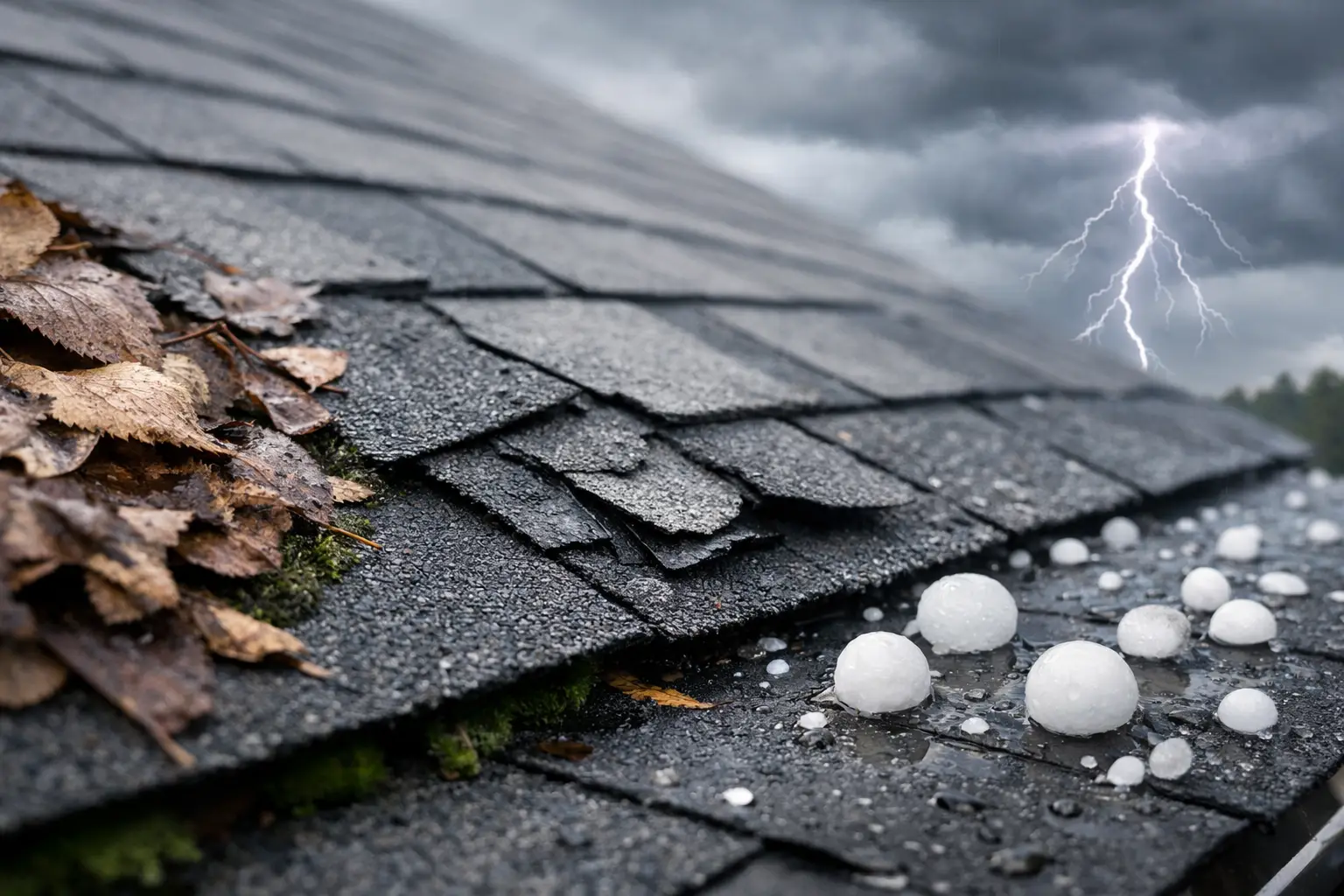
A dark streak near the roof peak, a patch of moss by the chimney, or a gutter that overflows in a hard rain can look like separate chores. On an asphalt-shingle roof, they can be connected signs of ongoing wear. The most common asphalt shingle threats are not always dramatic storm damage. They are often slow, preventable conditions that hold moisture, strip protective granules, and age a roof faster than it should.
For homeowners in Southern Westchester, where tree cover, humidity, seasonal storms, and winter freeze-thaw cycles all put pressure on exterior surfaces, catching these issues early can make a meaningful difference. The goal is not to sell a roof replacement before it is necessary. It is to understand what is affecting the roof, address it safely, and preserve the shingles that are still serviceable.
The Asphalt Shingle Threats Homeowners Miss
Algae stains are more than a curb-appeal issue
Those black or dark brown streaks are commonly caused by algae. The growth often begins where shade lingers or where moisture dries slowly, then spreads down the roof in visible trails. It may not create an immediate leak, but it can make a roof look much older than it is and create a persistently damp surface.
The right response is not blasting the roof with a pressure washer. High pressure can loosen granules, damage shingle edges, and force water where it does not belong. A professional soft-wash approach is designed to treat organic growth while protecting the roofing material. Results and timing depend on the roof’s age, pitch, shade exposure, and condition, but cleaning early is generally easier than waiting until staining has covered large sections.
Moss can lift shingles and retain water
Moss is more concerning than surface staining because it has structure. It grows in clumps, holds water against the roof, and can work under the lower edges of shingles. As it expands, it may lift shingles enough to interfere with normal water shedding.
Pulling moss off by hand is tempting, especially when it is visible from the ground. That can do more harm than good on an aging roof. Dry, brittle shingles may tear, and aggressive scraping can remove granules that help shield the asphalt layer from sunlight. Moss removal needs a measured process that treats the growth and lets it release without unnecessary abrasion.
Clogged gutters turn a drainage problem into a roof problem
Gutters do not sit on the roof, but they directly affect it. When leaves, twigs, shingle grit, and other debris block the gutter or downspout, rainwater can back up along the roof edge. That repeated moisture exposure can affect fascia boards, soffits, and the lower courses of shingles.
In winter, standing water near the eaves can contribute to ice buildup. In warmer months, wet debris attracts organic growth and pests. Regular gutter cleaning is basic preventive maintenance, but it is especially valuable for homes near mature trees in areas like Scarsdale, Rye, and Larchmont. If cleaning is becoming a constant task, properly selected gutter guards may reduce the debris load, though they still need occasional inspection and maintenance.
Sunlight, heat, and lost shingle flexibility
Asphalt shingles rely on protective granules and oils to stay flexible. Years of ultraviolet exposure and heat gradually break down that protection. The warning signs can include a faded appearance, exposed or thinning granule coverage, curling edges, cracking, and brittleness.
No cleaning service can reverse every form of age-related deterioration, and preservation treatment is not a substitute for a roof that has failed. However, a qualifying roof with dry, weathered shingles may benefit from a plant-based shingle preservation treatment intended to restore flexibility and help reduce further drying. Roof Rescue Southern Westchester uses a USDA Certified Biobased treatment for suitable asphalt-shingle roofs, offering homeowners a practical option that can cost far less than premature replacement.
The key word is suitable. A roof with widespread leaks, major missing shingles, structural concerns, or shingles at the end of their usable life needs an honest assessment, not a cosmetic solution.
Why Small Problems Become Expensive
An asphalt roof is a system. Shingles shed water, underlayment provides a secondary layer of protection, flashing seals vulnerable transitions, ventilation manages attic heat and moisture, and gutters move water away from the edge. When one part is neglected, the strain can spread to another.
For example, algae and moss are often worse on shaded roof slopes. The same shade may keep leaves wet in the gutter longer. If the gutter overflows, water repeatedly reaches the roof edge and trim. At the same time, poor attic ventilation can make the roof deck hotter in summer, accelerating shingle aging from below. None of these conditions automatically means a roof is failing, but together they can shorten its useful service life.
Granule loss deserves particular attention. Some loose granules are normal, especially on a newer roof after installation or after severe weather. But heavy accumulation in gutters, bare-looking shingle areas, and a rough, patchy roof surface can signal deterioration. Granules protect the asphalt from UV exposure. Once that protection is significantly reduced, shingles can age more quickly and become less resilient.
What a Responsible Roof Assessment Should Look For
A useful assessment starts with facts, not a sales pitch. It should consider roof age, visible staining, moss coverage, shingle condition, flashing details, gutter performance, drainage patterns, and obvious storm damage. Photos are helpful because they let homeowners see what is happening in areas that are difficult or unsafe to inspect from the ground.
A professional should also distinguish between maintenance needs and replacement-level concerns. Cleaning may be appropriate for a roof that is structurally sound but covered in algae. A preservation treatment may be worth considering when shingles are dry and aging but still intact. Repairs or replacement may be the right recommendation when there is active water intrusion, extensive cracking, missing material, or compromised flashing.
That distinction protects homeowners from two costly mistakes: replacing a roof that could have been maintained, or spending money to clean and preserve a roof that is already beyond recovery.
Safe Maintenance Is Not the Same as Aggressive Cleaning
Roof work carries real safety risks, and asphalt shingles are not designed to tolerate every cleaning method. Walking on a roof can scuff granules and crack brittle shingles. Pressure washing can create immediate damage even if the roof looks cleaner afterward. Harsh or poorly applied chemicals can harm landscaping, siding, or nearby surfaces.
A careful roof-care plan uses low-pressure application methods, appropriate treatment solutions, controlled runoff, and protection for plants and exterior features. Weather matters, too. Treatments should not be applied during conditions that prevent proper performance, such as heavy rain, extreme wind, or temperatures outside the recommended range.
Homeowners can help between service visits by keeping overhanging branches trimmed back, watching for gutter overflow, and checking the attic after major storms for signs of moisture. What homeowners should not do is climb onto a steep, wet, or visibly aging roof to investigate a stain. A ground-level observation and professional evaluation are safer choices.
When to Act on Roof Threats
Do not wait for a ceiling stain to take roof maintenance seriously. Schedule an assessment when dark streaks become noticeable, moss appears in clusters, gutters overflow, shingle edges curl, or a storm leaves debris on the roof. Late spring and fall are natural times to inspect because they follow the conditions that encourage growth and clog gutters, but a visible change at any time of year is worth checking.
A well-maintained asphalt roof will still age. Preventive care cannot promise to erase storm damage, installation defects, or decades of normal wear. What it can do is remove damaging organic growth, improve drainage, identify trouble before it spreads, and help eligible shingles retain useful flexibility for longer.
Your roof protects everything underneath it. Treating a few dark streaks, a moss patch, or an overflowing gutter as an early maintenance signal may be one of the simplest ways to avoid a much larger expense later. Schedule your free roof assessment when you are ready for clear answers and a recommendation based on what your roof actually needs.
continue reading
Related Posts
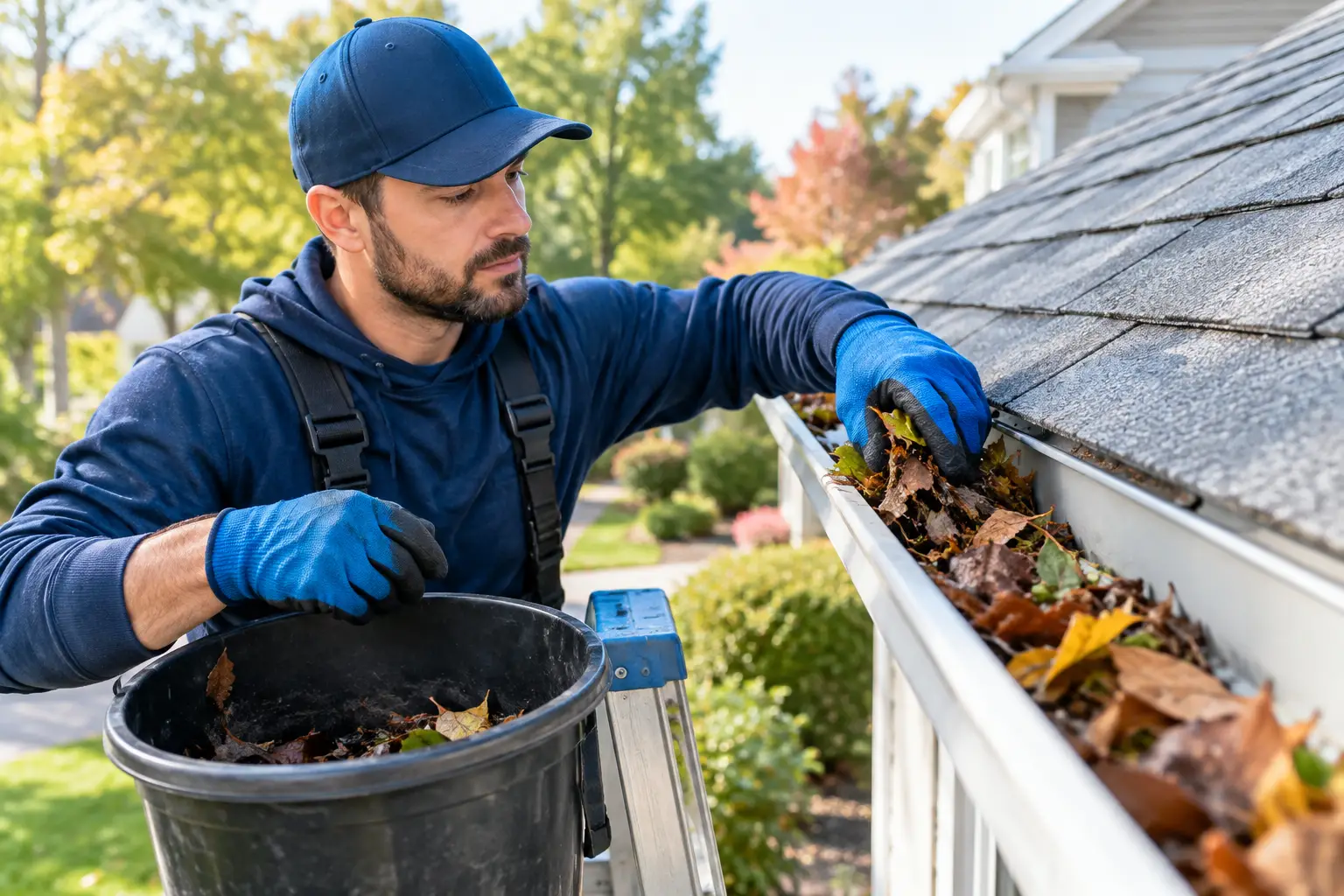
Scarsdale gutter cleaning reviews can reveal a lot. Learn which details point to safe, reliable service, fair pricing, and lasting protection for homes.
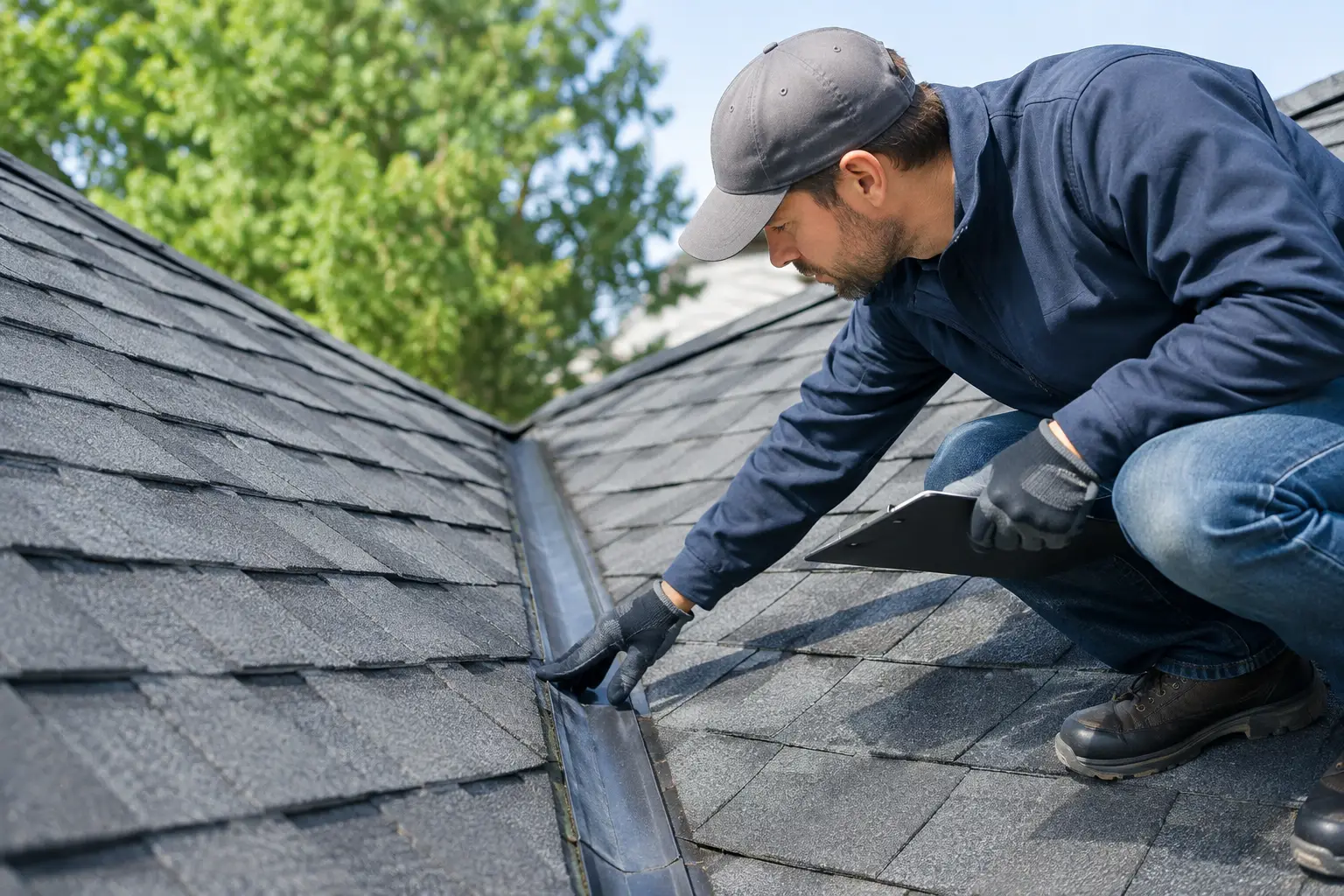
Learn how to maintain roof valleys safely, spot early trouble, protect shingles, and know when a Southern Westchester professional should step in today.

Roof restoration can clean, protect, and extend shingle life. Learn when maintenance makes sense and when replacement is the safer call for your home.