A black-streaked roof, green siding, or slippery patio can make a well-kept home look neglected fast. But choosing between soft wash versus pressure wash is not simply a question of which method looks stronger. The right choice depends on the surface, the type of buildup, and how to remove it without creating a more expensive problem.
For Southern Westchester homeowners, moisture, tree cover, and seasonal weather create ideal conditions for algae, moss, mildew, and lichen. Those contaminants do more than affect curb appeal. On the wrong surface, an aggressive cleaning method can strip protective material, force water where it does not belong, or shorten the life of an already aging exterior.
The Difference Between Soft Washing and Pressure Washing
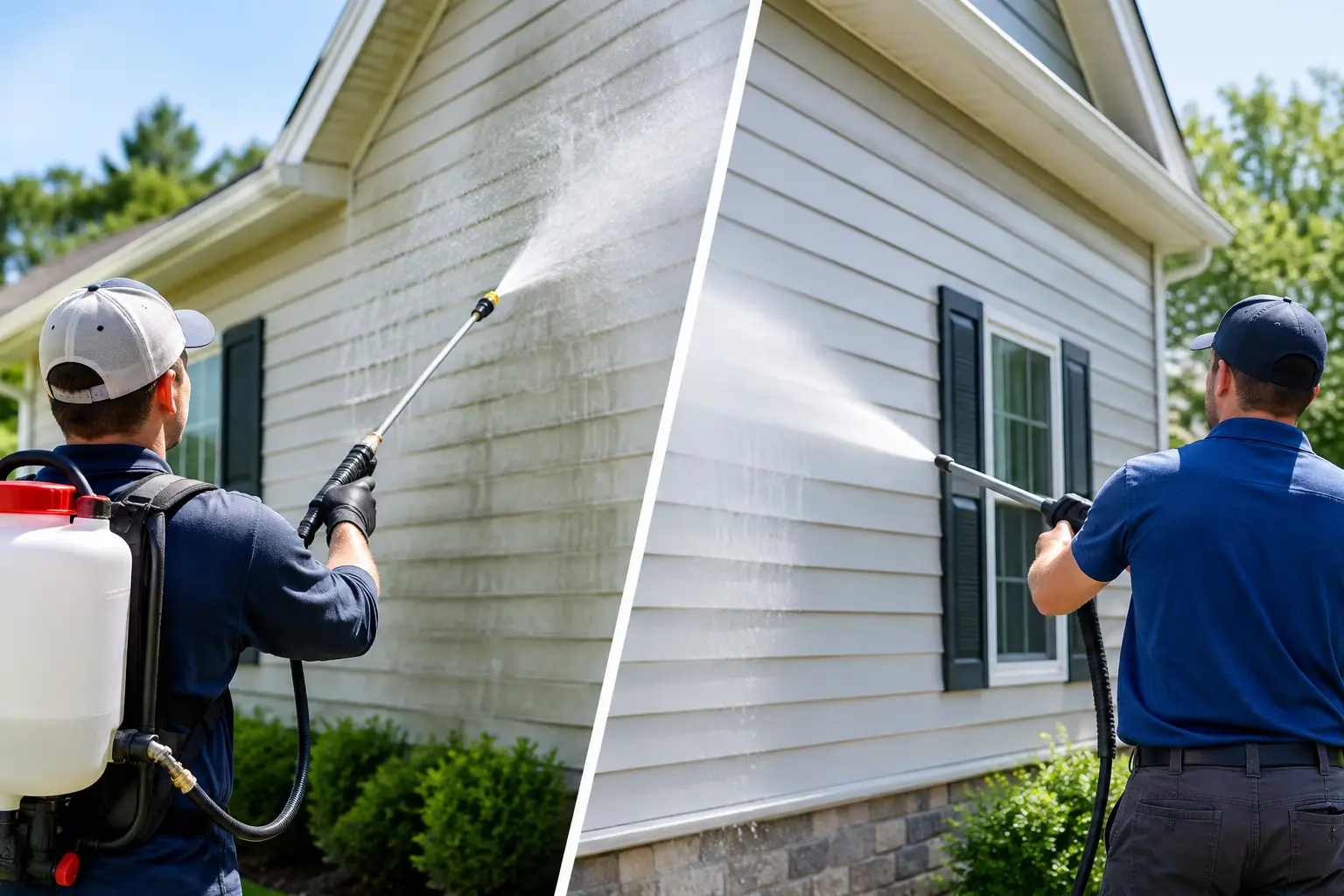
Pressure washing uses a high-pressure stream of water to physically remove dirt, loose surface material, stains, and buildup. It is effective when a hard, durable surface needs a thorough reset. The pressure is adjusted based on the job, but the cleaning action comes primarily from the force of the water.
Soft washing works differently. It uses low-pressure application and a cleaning solution chosen to treat organic growth at its source. The solution breaks down algae, moss, mildew, and other biological contaminants, then the surface is rinsed gently. The goal is not to blast growth away. It is to kill and release it while protecting the material underneath.
Think of pressure washing as a mechanical cleaning method and soft washing as a treatment-based method. Both have a place in responsible exterior maintenance. The mistake is treating them as interchangeable.
When Soft Washing Is the Safer Choice
Soft washing is usually the right approach for surfaces that can be damaged by high pressure or that have growth embedded beneath the surface. This is especially true for asphalt-shingle roofs.
Asphalt-Shingle Roofs
A roof should not be pressure washed. High-pressure water can dislodge protective granules, lift shingle edges, damage seals, and drive water beneath the roofing system. Even if a pressure-washed roof looks cleaner immediately, the damage may not be obvious until premature wear, leaks, or granule loss appear later.
Dark roof streaks are commonly caused by algae, while raised green patches may be moss or lichen. These organisms hold moisture against shingles and can contribute to deterioration over time. A professional soft wash treats the growth without the abrasive force that can harm the roof.
Cleaning is also an opportunity to assess the roof’s overall condition. If shingles are dry, brittle, cracking, or losing oils, cleaning alone may not address the full issue. For qualifying asphalt-shingle roofs, a plant-based, USDA Certified Biobased preservation treatment may help restore flexibility and extend usable life at a fraction of replacement cost. A clear assessment should always come before a recommendation.
Siding, Trim, and Painted Surfaces
Vinyl siding, painted wood, composite trim, stucco, and certain older exterior finishes often respond well to soft washing. Mildew and algae can settle into seams, textured surfaces, and shaded areas where a hard spray may cause more trouble than it solves.
Too much pressure can force water behind siding, chip paint, scar softer wood, or leave visible wand marks. Soft washing allows the cleaning solution time to work so contaminants can be rinsed away with controlled water pressure.
Delicate Outdoor Features
Soft washing is also a smart choice around screened enclosures, awnings, fences, outdoor furniture, and areas with fragile landscaping. It is not automatically risk-free – cleaning solutions must be mixed and applied correctly, and surrounding plants should be protected and rinsed. A careful crew plans for runoff, covers or pre-wets sensitive areas as needed, and never treats landscaping as an afterthought.
When Pressure Washing Makes Sense
Pressure washing is valuable when the surface is hard enough to handle it and the main issue is compacted dirt, loose debris, or ground-in staining. It is commonly used for concrete driveways, sidewalks, patios, retaining walls, and some pavers.
Concrete and Driveways
Concrete collects tire marks, road grime, salt residue, leaf stains, and algae. In shaded areas, it can become slick underfoot. Controlled pressure washing can remove this buildup efficiently and restore a cleaner, brighter appearance.
The key word is controlled. Concrete is durable, but it is not indestructible. Excessive pressure, poor technique, or holding a nozzle too close can leave lines, etching, or uneven color. Older or damaged concrete deserves extra care because cracks and weakened areas may require a gentler approach.
Pavers and Hardscape
Patios and walkways made from pavers often benefit from pressure washing, particularly when moss and dirt have collected between joints. However, the job does not end once the surface looks clean. High pressure can remove joint sand, expose loose pavers, or disturb edge restraints.
For that reason, paver cleaning may need to be followed by re-sanding and, when appropriate, sealing. Sealing can help reduce staining, simplify future maintenance, and improve the finished appearance. It depends on the paver type, prior coatings, drainage, and the homeowner’s goals.
Decks and Wood Surfaces
Wood is where many do-it-yourself pressure-washing jobs go wrong. A deck may look tough, but high pressure can fur the grain, gouge boards, or leave a patchy finish that needs sanding and refinishing.
Some wood surfaces can be cleaned with carefully reduced pressure and the right technique. Others are better served by soft washing or a low-pressure cleaning process. The age of the wood, the condition of its stain or sealant, and the species of lumber all matter.
Soft Wash Versus Pressure Wash: A Surface-by-Surface View
For roofs, soft washing is the clear choice. For siding, soft washing is usually safer and more effective against organic growth. For concrete, sidewalks, and many driveways, pressure washing is often the practical option. For pavers, a combination of treatment, measured pressure, and restoration of joint material may be needed.
The visible stain does not tell the whole story. Black streaks on a roof, green growth on vinyl, and algae on concrete may look similar from the curb, but each surface has a different tolerance for water force. A professional recommendation should account for material, age, existing damage, drainage, nearby plants, and the cause of the staining.
Why Removing Growth Matters Beyond Appearance
Organic growth thrives where shade and moisture linger. That is common around mature trees, north-facing roof slopes, damp walkways, and gutters that are not draining properly. If the underlying moisture issue is not addressed, the growth will return sooner than homeowners expect.
On a roof, moss can retain water and lift around shingle edges as it spreads. On walkways, algae can create a slip hazard. On siding, mildew can leave staining and signal that an area is staying damp. Cleaning removes the immediate problem, while practical maintenance helps reduce the conditions that feed it.
That may mean trimming back overhanging limbs, improving drainage, keeping gutters clear, or scheduling periodic exterior care before stains become heavy. Preventive work is usually simpler and less costly than waiting until damage is visible.
Questions to Ask Before Any Exterior Cleaning
Before hiring a contractor, ask what cleaning method they recommend and why. The answer should be specific to your property, not a one-size-fits-all promise. Ask whether they are licensed and insured, how they protect landscaping, whether they inspect for existing damage, and what results are realistic for the age and condition of the surface.
Be cautious of anyone who recommends high-pressure roof cleaning or promises that every stain will disappear instantly. Some discoloration may be permanent, especially on aged materials. Honest service means explaining that difference before work begins, not after.
At Roof Rescue Southern Westchester, the focus is on diagnosing the surface first, documenting concerns clearly, and recommending the least aggressive method that will do the job right. A clean exterior should not come at the cost of a shortened roof life, damaged siding, or scarred hardscape.
When you see staining or growth, do not assume the strongest stream of water is the answer. Schedule a free roof or exterior assessment, get a clear explanation of what is on the surface, and choose the method that protects the home you have worked hard to maintain.
continue reading
Related Posts
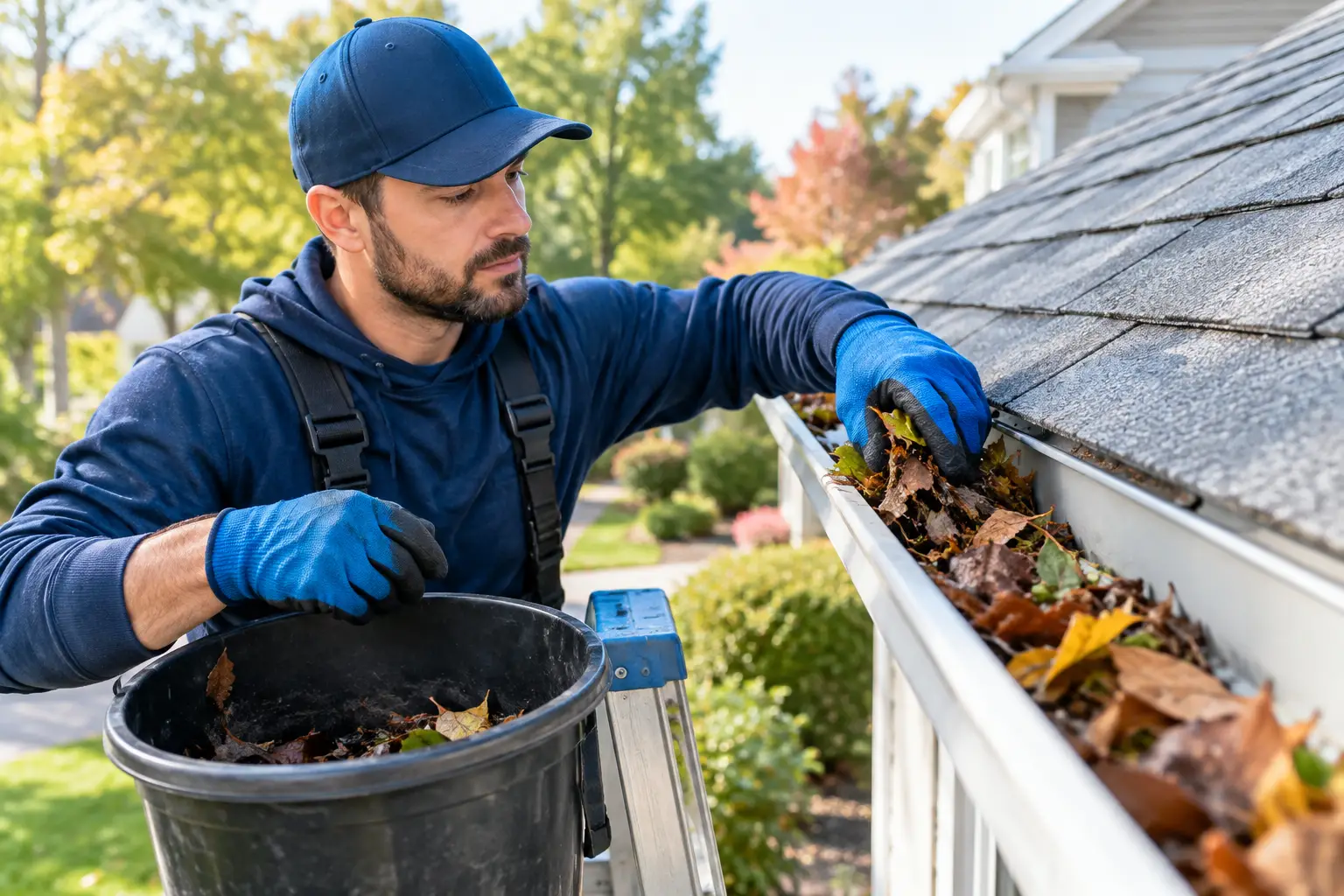
Scarsdale gutter cleaning reviews can reveal a lot. Learn which details point to safe, reliable service, fair pricing, and lasting protection for homes.
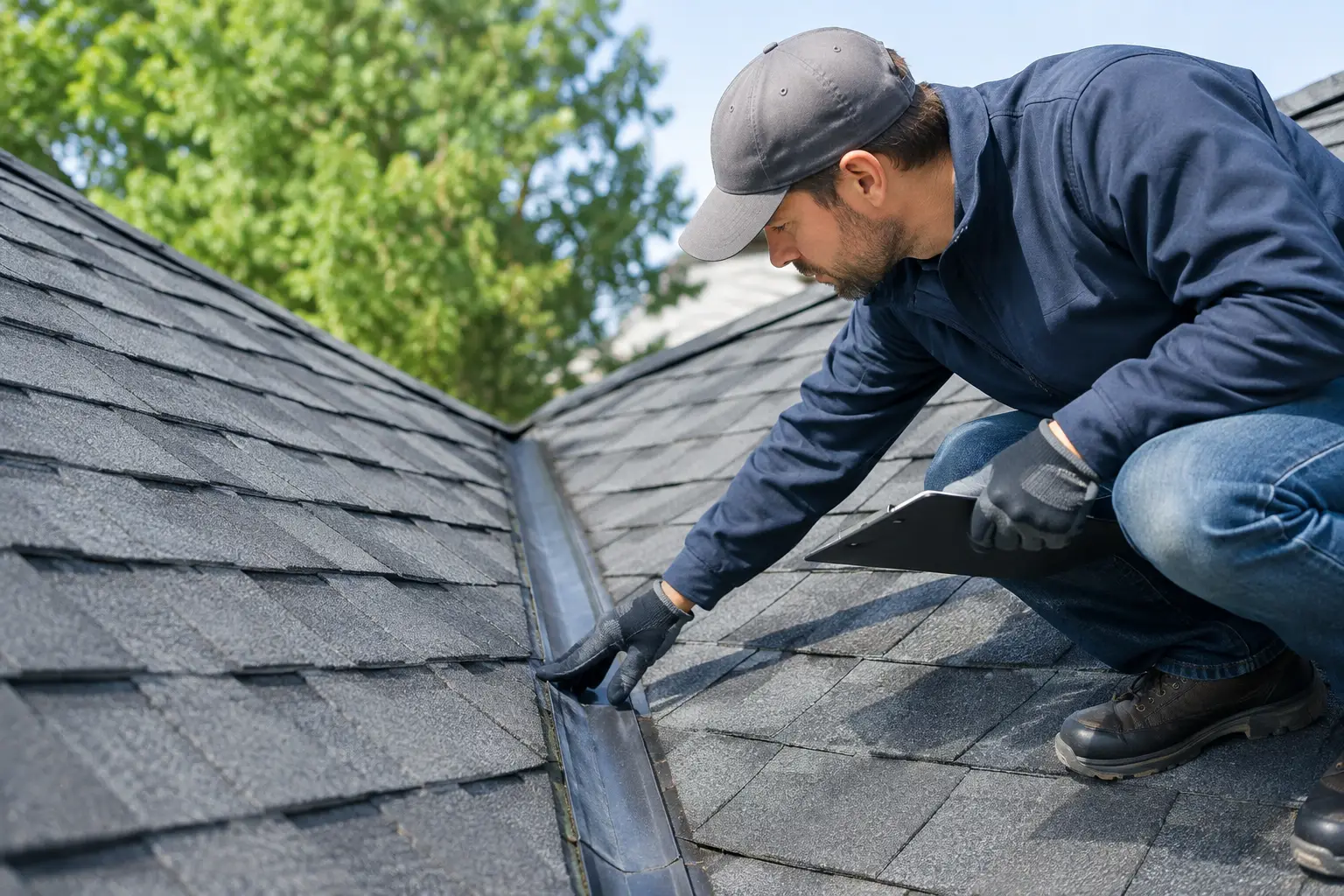
Learn how to maintain roof valleys safely, spot early trouble, protect shingles, and know when a Southern Westchester professional should step in today.

Roof restoration can clean, protect, and extend shingle life. Learn when maintenance makes sense and when replacement is the safer call for your home.