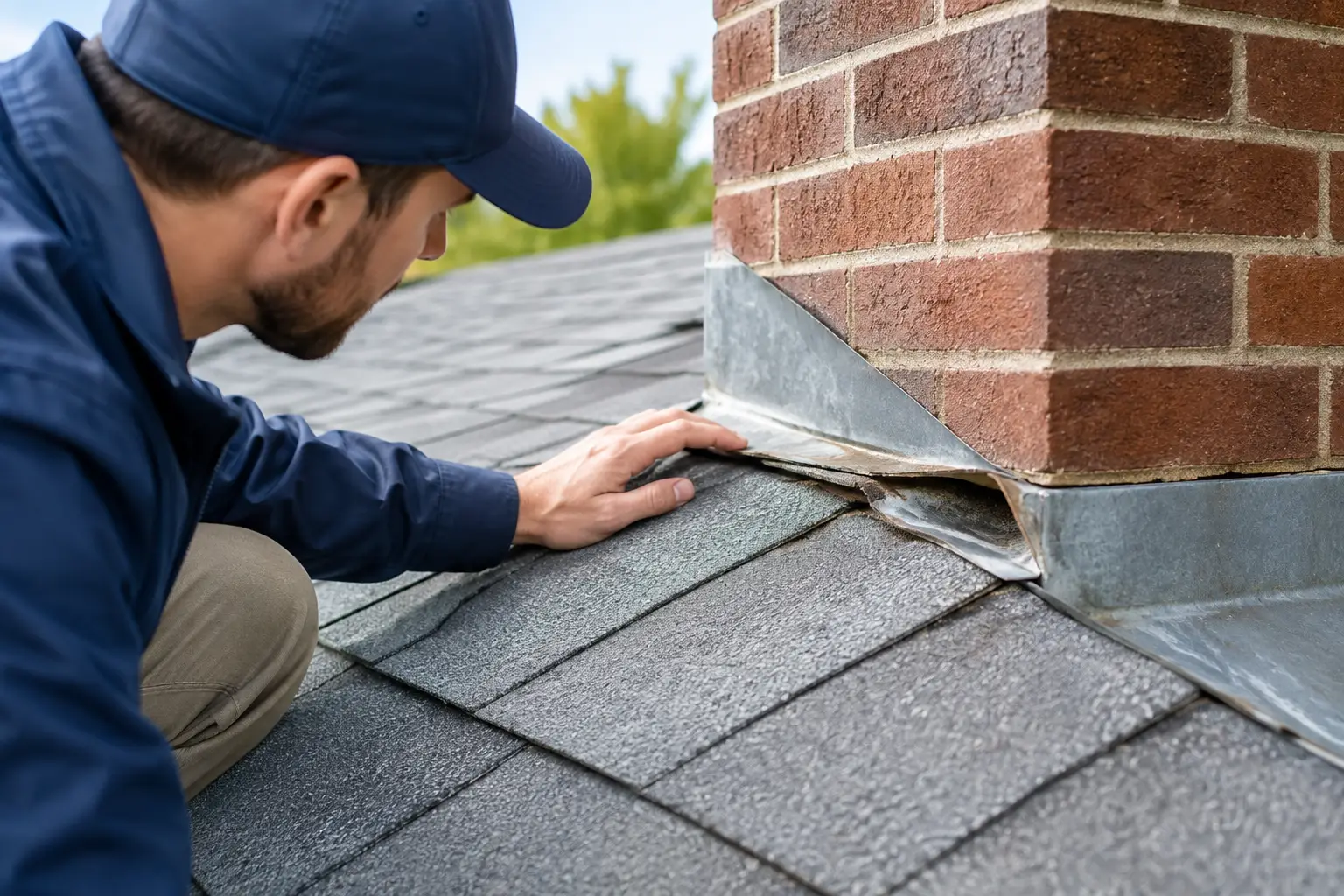
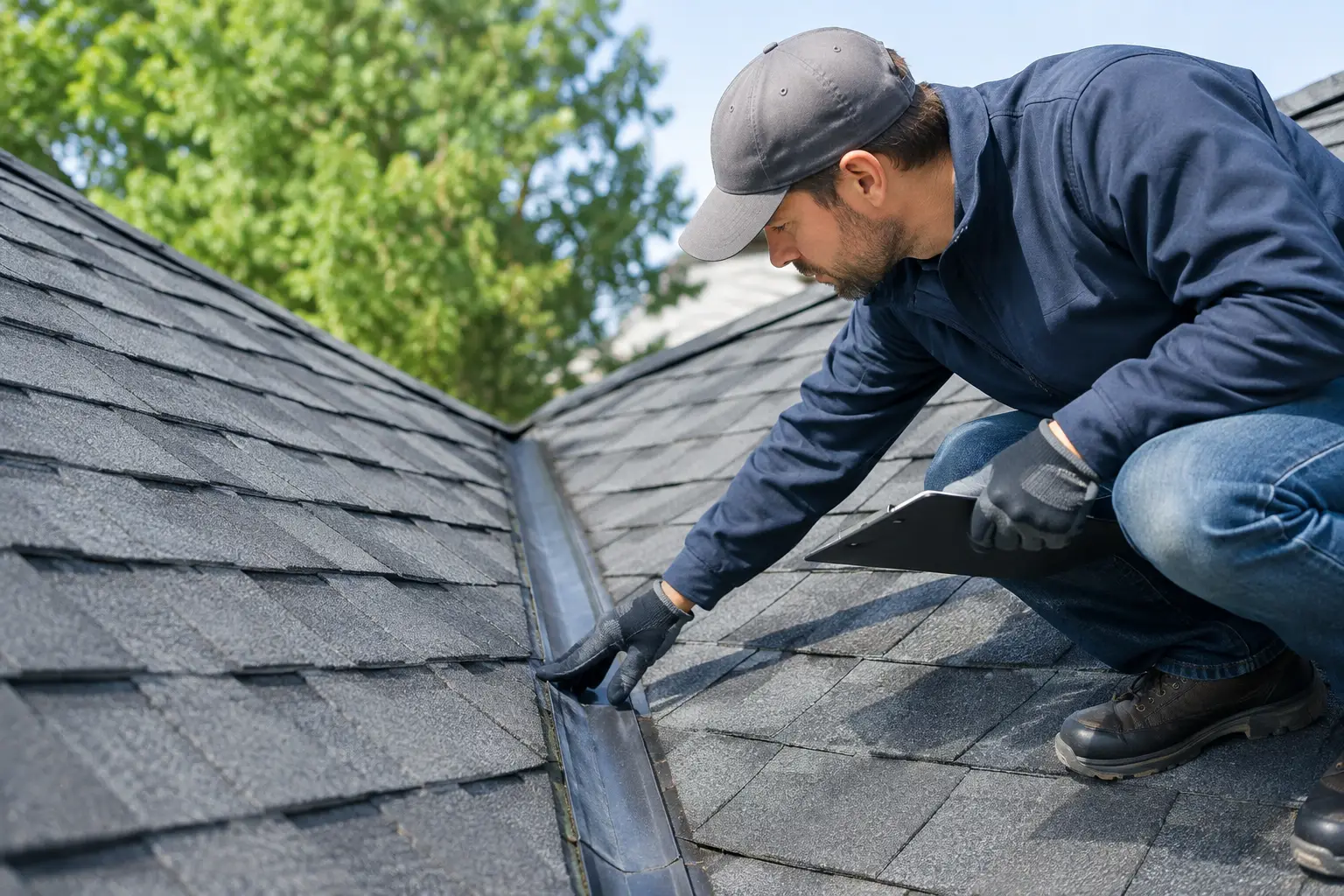
A roof leak does not always start with a missing shingle. Often, the weak point is the thin metal material around a chimney, vent pipe, skylight, wall, or roof valley. Homeowners asking what damages roof flashing are asking the right question, because flashing is one of the roof’s most important defenses against water intrusion.
Flashing is designed to direct rainwater away from the vulnerable places where roofing materials meet. When it bends, separates, rusts, or loses its seal, water can work beneath shingles and into roof decking, insulation, ceilings, and walls. Catching trouble early is usually a manageable repair. Waiting until a ceiling stain appears can turn a small flashing issue into a much larger restoration project.
Why Roof Flashing Fails
Roof flashing has a demanding job in Southern Westchester. It is exposed to summer heat, winter freeze-thaw cycles, wind-driven rain, snow, falling branches, and the natural movement of a home over time. Even quality flashing will need inspection and occasional maintenance.
The type of flashing matters, too. Aluminum, galvanized steel, copper, and lead all perform differently. Aluminum is common and lightweight, but it can corrode when it comes into contact with incompatible materials. Galvanized steel is durable but may rust after its protective coating wears away. Copper can last for decades, though it is typically more expensive. The right repair depends on the roof material, the location of the flashing, and the extent of the damage.
What Damages Roof Flashing Most Often?
Age, weather, and temperature changes
Metal expands in heat and contracts in cold. Over many seasons, that movement can loosen fasteners, widen small gaps, and strain the sealant that connects flashing to masonry, siding, or roofing materials. In Westchester County, winter conditions can be especially tough on flashing around chimneys and valleys, where snow and ice can hold moisture against the roof.
Freeze-thaw cycles also affect the materials next to flashing. Brick mortar can crack, wood trim can swell and shrink, and asphalt shingles can become brittle with age. Flashing may still look intact from the ground while the seal around it has begun to fail.
Rust and corrosion
Rust is one of the clearest signs that galvanized steel flashing is nearing the point of failure. Surface discoloration does not always mean there is an immediate leak, but pitting, flaking metal, pinholes, and soft spots deserve prompt attention. Once corrosion creates an opening, water can get behind the flashing instead of being directed over it.
Corrosion can also occur when different metals are installed together improperly. For example, runoff from copper may react with certain nearby materials. Fasteners matter as well. Using the wrong nail or screw can lead to premature corrosion at the very points meant to hold the flashing secure.
Cracked, dried-out, or missing sealant
Roofing cement and caulk are sometimes used to reinforce flashing details, but they are not permanent fixes. Sun exposure eventually dries sealant out. It can crack, pull away from the metal, or become brittle enough to break when the roof moves.
A thick line of black roofing cement around a chimney may hide a problem rather than solve one. Proper flashing is designed to shed water through overlapping materials. Sealant can be useful as a secondary defense in the right location, but relying on it alone often leads to repeat leaks.
Storm damage and falling debris
High winds can lift shingles near flashing, bend exposed metal edges, or dislodge counterflashing around a chimney. Tree limbs can dent or puncture flashing, while accumulated leaves and twigs can trap moisture in roof valleys. Heavy snow and ice can also push against vulnerable areas, particularly on older roofs.
After a major storm, do not assume the roof is fine just because no shingles are visible in the yard. A small lifted edge around a vent or chimney can admit water during the next wind-driven rain. A professional visual assessment can identify damage that is difficult to see safely from the ground.
Improper installation or past repairs
Poor installation is a common reason flashing fails before the rest of the roof. Step flashing along a sidewall should be woven correctly with each course of shingles. Chimney flashing should be integrated with the roofing system and protected by properly installed counterflashing. Vent boots must fit the pipe and be secured without creating unnecessary holes in the roof.
Problems arise when flashing is nailed in the wrong place, installed over deteriorated shingles, covered with too much sealant, or patched without correcting the underlying water path. A quick repair may stop a drip temporarily, but it can make future diagnosis harder if water is still getting behind the materials.
Clogged gutters and poor drainage
Gutters do not directly cause every flashing failure, but they can make water problems worse. When gutters overflow, water can run back toward the roof edge and saturate fascia boards, soffits, and the lower courses of shingles. In valleys, backed-up leaves can hold water against flashing and speed up corrosion.
Regular gutter cleaning is one of the simplest ways to reduce avoidable moisture exposure. If a gutter repeatedly clogs or overflows, the issue may be its pitch, size, downspout capacity, or nearby tree coverage. The best solution depends on the property rather than a one-size-fits-all product recommendation.
Moss, algae, and trapped moisture
Algae staining is usually a cosmetic concern at first, but moss is different. Moss can retain moisture, grow beneath shingle edges, and keep roof surfaces wet longer after rain. When it builds up near flashing, valleys, or chimneys, it can contribute to material deterioration and interfere with water flow.
Aggressive pressure washing can cause more harm than good on an asphalt-shingle roof. It may strip protective granules, lift shingle edges, and disturb older flashing. A roof-specific soft washing approach and appropriate treatment can remove organic growth without using damaging pressure.
Animal activity and foot traffic
Squirrels, birds, raccoons, and other animals can pull at loose materials or create openings around roof penetrations. Damage is more likely when flashing or nearby shingles are already aging. Foot traffic can also bend flashing or crack brittle shingles, especially around skylights, vents, and chimneys.
That does not mean nobody should ever walk on a roof. It means inspections and repairs should be performed carefully, with the right safety practices and a clear reason for accessing a specific area.
Signs Your Flashing May Need Attention
A flashing problem can remain hidden until water has already traveled some distance inside the roof system. Watch for these warning signs, especially after storms or during periods of heavy rain:
- Brown ceiling spots, peeling paint, or damp walls near a chimney, skylight, or exterior wall
- Visible rust, bent metal, separated seams, or cracked sealant around roof penetrations
- Loose, curling, or missing shingles next to chimneys, vents, valleys, and sidewalls
- Moss, leaf buildup, or standing water in valleys and behind chimney areas
- Drips in the attic, wet insulation, or a musty smell near the roof deck
A leak location indoors does not always match the point where water entered. Water can travel along rafters, decking, pipes, or insulation before becoming visible. That is why a careful exterior and attic inspection is more useful than simply applying sealant where the stain appears.
Repair, Replace, or Monitor?
Not every flashing issue requires a major roofing project. A small gap in sound flashing may only need a targeted repair. Loose counterflashing at a chimney may be reset and sealed correctly. A damaged vent boot may be replaced without disturbing the rest of the roof.
Replacement becomes more likely when metal is deeply rusted, punctured, improperly integrated with shingles, or damaged across several areas. If shingles around the flashing are brittle, losing granules, or near the end of their service life, replacing the flashing alone may not be the most practical long-term choice. The goal should be to correct the source of the water problem, not just make it less visible.
For asphalt-shingle roofs that are structurally sound but showing age-related dryness, granule loss, or organic growth, preservation work may help extend usable roof life. Cleaning and a plant-based shingle rejuvenation treatment cannot repair failed flashing or rotten decking, but they can be part of a practical maintenance plan when the roof qualifies.
Protect Flashing Before It Becomes a Leak
The most effective approach is routine observation and early action. Keep gutters and valleys clear, trim branches that rub on the roof, and inspect visible flashing from the ground after severe weather. Avoid coating questionable areas with repeated layers of tar, which can conceal deterioration and redirect water where it does not belong.
When a concern appears, photos and a straightforward inspection can help separate a simple maintenance issue from a repair that should not wait. Roof Rescue Southern Westchester provides homeowner-focused assessments designed to identify what is happening on the roof without pressure to replace materials that can still be maintained.
A little attention around chimneys, vents, skylights, and valleys can protect far more than the metal itself. It helps keep water outside, where it belongs, and gives you the chance to address a small issue before it becomes an expensive interruption inside your home.
continue reading
Related Posts
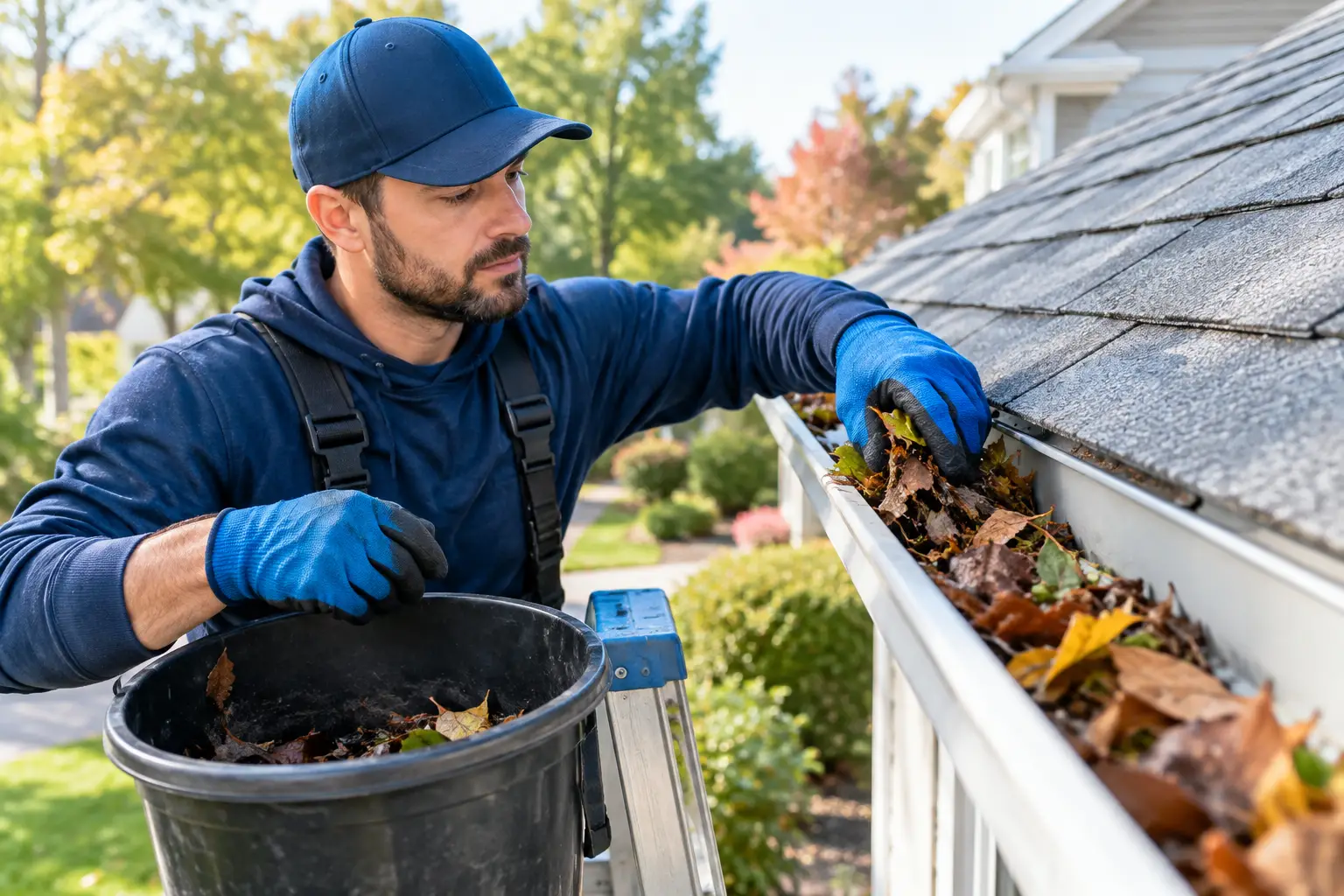
Scarsdale gutter cleaning reviews can reveal a lot. Learn which details point to safe, reliable service, fair pricing, and lasting protection for homes.
Learn how to maintain roof valleys safely, spot early trouble, protect shingles, and know when a Southern Westchester professional should step in today.

Roof restoration can clean, protect, and extend shingle life. Learn when maintenance makes sense and when replacement is the safer call for your home.