A heavy Westchester rainstorm can send hundreds of gallons of water across a typical roof in a short time. Roof drainage protection is what directs that water safely away from shingles, fascia boards, siding, foundations, and walkways instead of letting it find the weakest point in the system.
When drainage is working, most homeowners barely notice it. When it is not, the clues are often visible: water spilling over gutter edges, dark staining on siding, mulch washed out of beds, puddles near the foundation, or icicles forming where they should not. These may look like minor exterior issues, but repeated water exposure can lead to rot, leaks, masonry deterioration, and expensive repairs that could have been avoided with practical maintenance.
Why roof drainage protection matters
Your roof is designed to shed water, but it cannot finish the job alone. Gutters collect runoff at the roof edge, downspouts carry it down, and extensions or underground drains move it away from the house. Every part has to remain clear, properly pitched, and securely attached.
In Southern Westchester, drainage systems contend with spring pollen, summer storms, falling leaves, acorns, winter snow, and freeze-thaw cycles. A gutter that is only partly blocked may still handle a light shower. During a downpour, though, water can back up beneath the roof edge or pour over the front of the gutter. That overflow saturates the fascia board behind it and sends water directly down the exterior walls.
The biggest risk is not always a dramatic leak. It is the slow, repeated wetting of materials that were meant to dry between storms. Wood trim begins to soften, paint peels, fasteners loosen, and organic debris holds moisture against the roofline. Over time, those small problems can become a much larger repair conversation.
Start with the complete path of the water
Effective roof drainage protection begins by following water from the ridge of the roof to the ground. If any section interrupts that path, the system needs attention.
Keep gutters open and correctly pitched
Gutters need a slight slope toward the downspout so water does not stand inside them after rain. Standing water adds weight, encourages corrosion in older metal gutters, and creates a place for leaves and roof grit to collect. Sagging sections can also pull away from the fascia, creating a gap where runoff slips behind the gutter instead of into it.
Clogs are not limited to visible leaves. Roof granules, pine needles, seed pods, small branches, and decomposing organic matter can form a dense blockage at the outlet. A gutter may look clear from the ground while the downspout opening is nearly sealed.
Homeowners should be cautious about climbing ladders or walking on roofs, particularly when surfaces are wet or uneven. A professional cleaning and inspection can identify blocked outlets, loose hangers, failing seams, and areas where the gutter line is no longer draining as designed.
Make sure downspouts discharge far enough away
A clear gutter still fails if the downspout drops water at the base of the foundation. As a general rule, runoff should be directed several feet away from the house, onto ground that slopes away from the structure. The exact setup depends on the lot, landscaping, neighboring properties, and local drainage conditions.
Short downspouts often create a concentrated stream that erodes soil and overwhelms planting beds. If the ground near your foundation stays damp, if water enters a basement or crawlspace, or if soil is washing away, an extension, splash block, or properly designed underground drainage solution may be appropriate. The right answer depends on where the water can safely go. Simply moving it from one low spot to another does not solve the problem.
Protect the roof edge and flashing
The roof edge is where shingles, underlayment, drip edge, fascia, gutters, and flashing all meet. Water that cannot enter a clogged gutter may travel backward at this vulnerable transition. In cold weather, ice buildup can worsen the problem by preventing normal runoff and forcing meltwater into places it does not belong.
Roof cleaning also plays a role here. Moss, algae, lichen, and leaf buildup can retain moisture and interfere with the way water moves across shingles. These organisms should be treated with roof-safe methods rather than aggressive pressure washing, which can strip protective granules from asphalt shingles. A clean roof surface helps water shed properly while preserving the material beneath it.
Warning signs that deserve a closer look
A drainage problem is not always obvious during dry weather. After the next steady rain, take a walk around the property and look for water behavior, not just visible debris. You may see overflow at corners, water running behind gutters, downspouts that barely discharge, or a concentrated stream cutting through the lawn.
Pay attention to these signs as well:
- Water stains, peeling paint, or soft wood around fascia and soffits
- Gutter sections that sag, pull away, or hold water after the storm
- Dark algae streaks or moss near roof edges and valleys
- Eroded soil, washed-out mulch, or pooling water beside the foundation
- Basement dampness or musty odors after prolonged rain
- Icicles or recurring ice buildup along a gutter line in winter
One sign does not always mean the same repair. For example, an overflowing gutter may be clogged, undersized for a steep or large roof section, improperly pitched, or receiving an unusually heavy volume of runoff from a valley. A proper assessment separates the simple fixes from the conditions that call for repair or a drainage redesign.
Gutter guards can help, but they are not maintenance-free
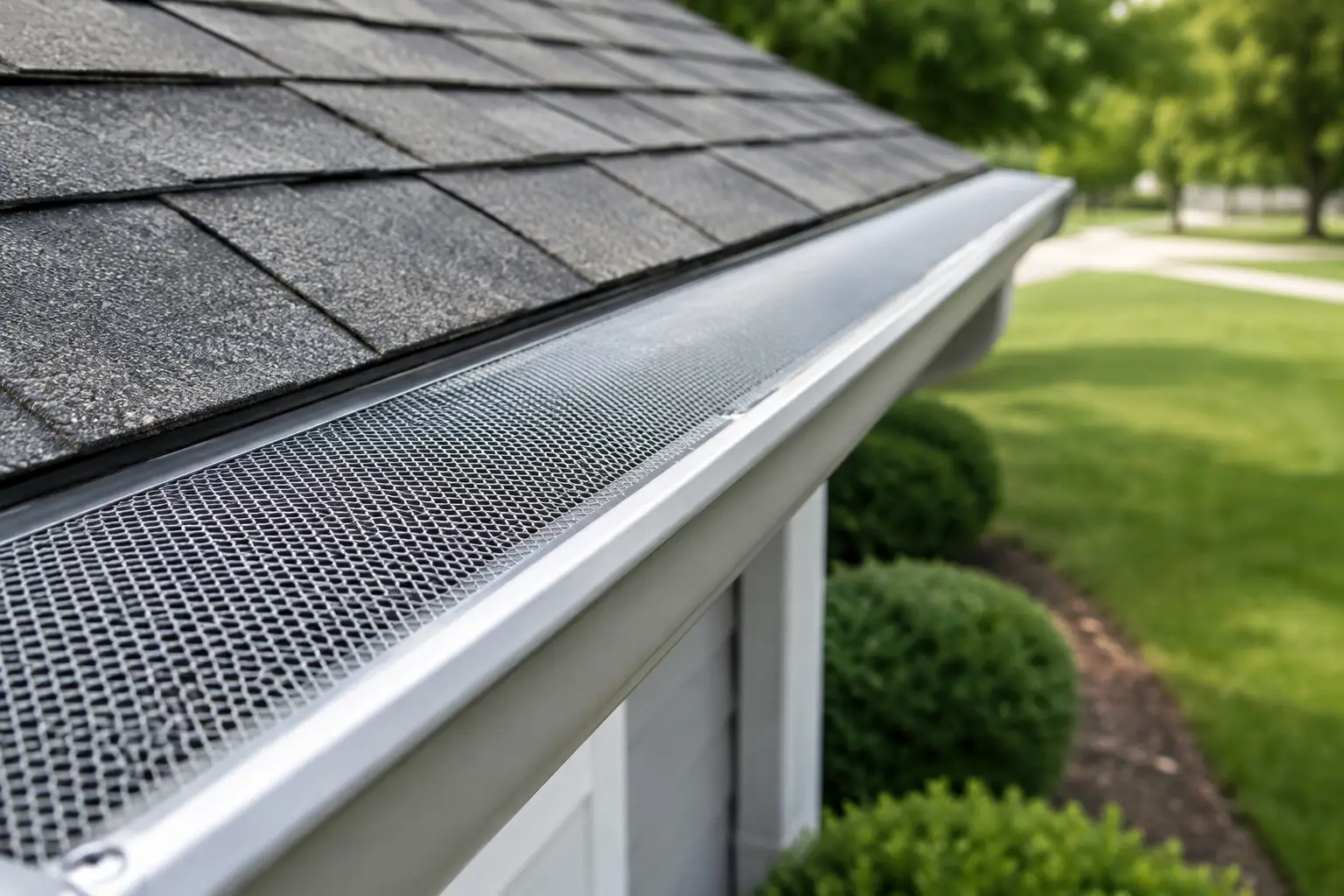
Gutter guards are a useful part of roof drainage protection for many homes, especially properties surrounded by mature trees. They reduce the amount of leaves and large debris entering the trough, which can make cleaning safer and less frequent. They are not a substitute for inspection, however.
Fine debris, shingle grit, pollen, and roof sediment can still accumulate over time. Some guard styles can also allow debris to rest on top, where it needs to be brushed away to keep water flowing into the gutter. The best choice depends on the roof pitch, tree cover, gutter condition, and type of debris around the home.
Before installing guards, it makes sense to correct loose gutters, improper slope, damaged seams, and undersized or poorly placed downspouts. Covering an existing drainage issue will not make it disappear. A sound system first, then the right guard for the property, delivers the better long-term result.
Build drainage care into seasonal maintenance
For most homes, gutters should be checked at least twice each year: once after spring debris has fallen and again after the main autumn leaf drop. Homes beneath heavy tree cover may need more frequent service. It is also wise to inspect the system after a major storm, especially if branches or visible debris have landed on the roof.
Seasonal care should include removing debris, flushing gutter runs and downspouts, checking that outlets flow freely, and confirming that extensions still direct water away from the home. Inspect the roofline for algae, moss, damaged shingles, and areas where debris collects in valleys. These are practical steps that help prevent water from lingering where it should not.
If your roof has aging shingles, visible organic growth, or early signs of dryness and granule loss, drainage maintenance can be paired with a professional roof assessment. Roof Rescue Southern Westchester uses clear diagnostics and photos to help homeowners understand what is happening before recommending cleaning, preservation treatment, repair, or simply routine upkeep.
Do not wait for a ceiling stain
A ceiling stain is often the moment homeowners realize water has become a problem, but the drainage system may have been signaling trouble for months. Overflow, saturated trim, runoff near the foundation, and debris-filled valleys are earlier opportunities to act while the fix is usually simpler.
Treat your gutter and roofline as one protective system. Keep water moving, keep organic debris from holding moisture in place, and address small changes before the next hard rain turns them into damage. A free roof and drainage assessment can provide the clear, no-pressure information needed to protect the home you have worked hard to maintain.
continue reading
Related Posts
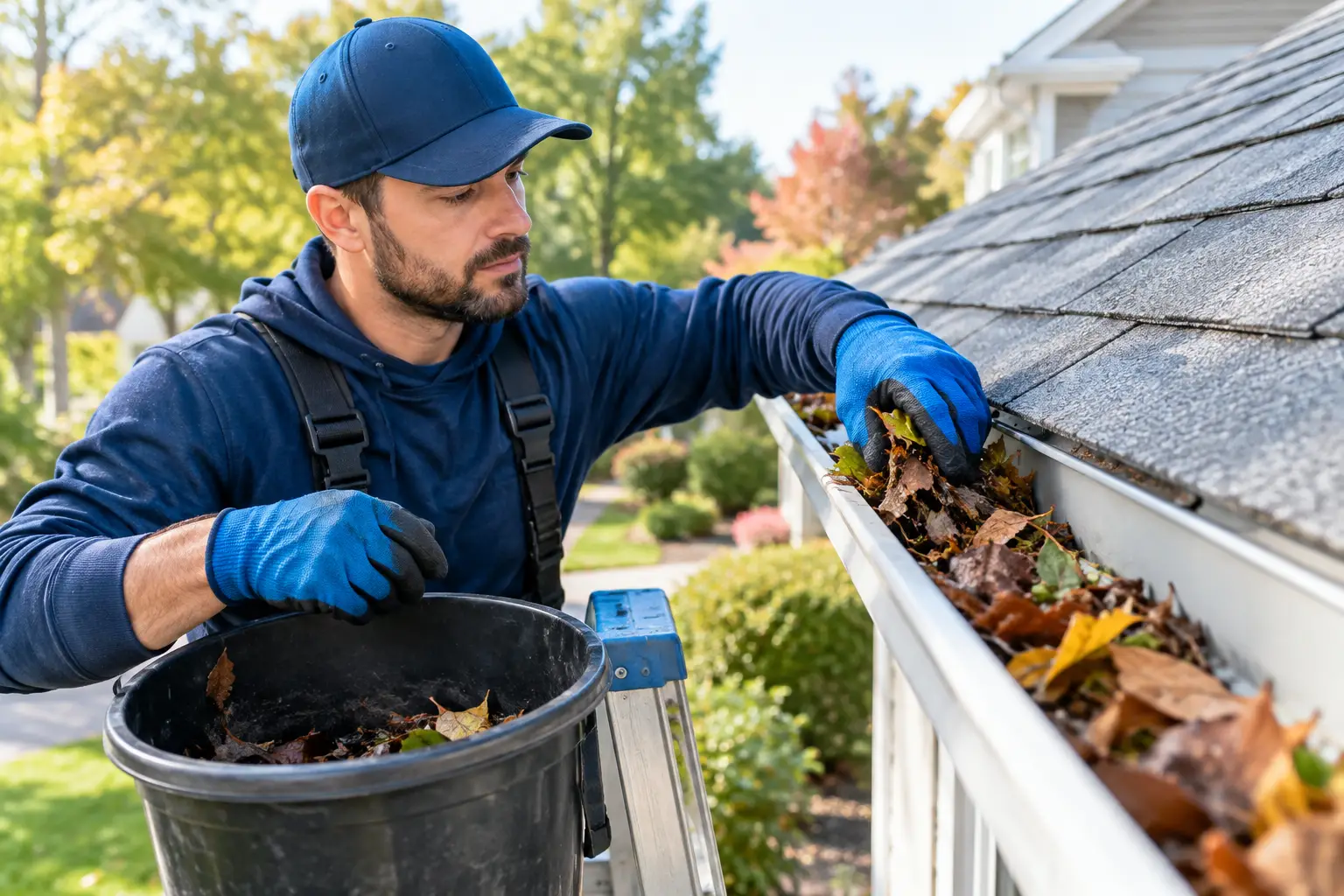
Scarsdale gutter cleaning reviews can reveal a lot. Learn which details point to safe, reliable service, fair pricing, and lasting protection for homes.

Learn how to maintain roof valleys safely, spot early trouble, protect shingles, and know when a Southern Westchester professional should step in today.

Roof restoration can clean, protect, and extend shingle life. Learn when maintenance makes sense and when replacement is the safer call for your home.