A black-streaked roof, green siding, or slippery patio can make a well-kept home look neglected fast. But choosing the wrong cleaning method can turn a cosmetic issue into damaged shingles, etched concrete, stripped paint, or stressed landscaping. When homeowners weigh power washing versus soft washing, the right answer depends on the surface, the type of buildup, and the condition of the material underneath.
For homes in Southern Westchester, moisture, shade, tree cover, pollen, and seasonal temperature swings create ideal conditions for algae, moss, mildew, and embedded grime. Cleaning is not just about making a property look better. Done correctly, it helps protect the surfaces you have already invested in.
Power Washing Versus Soft Washing: The Core Difference
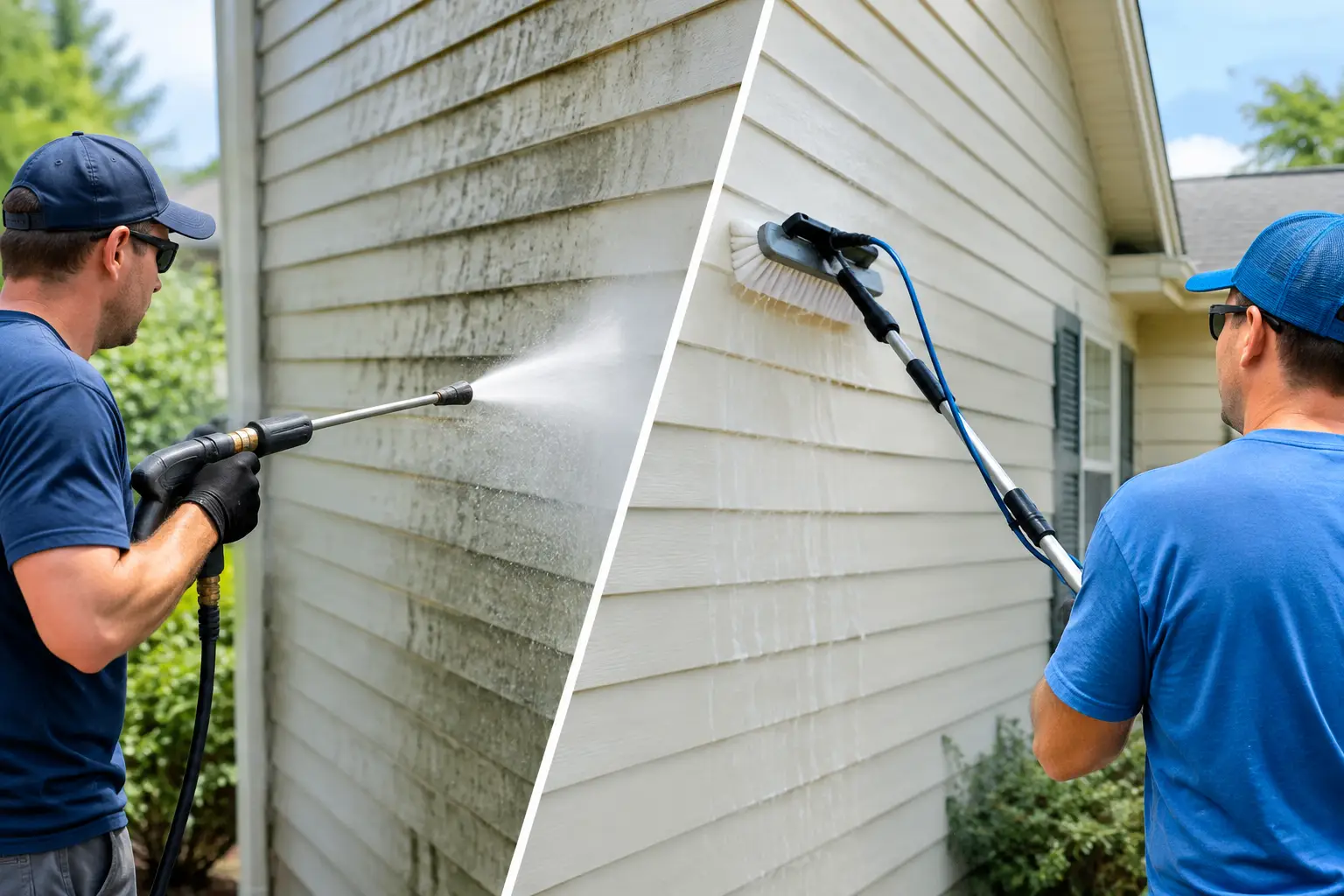
Power washing uses water delivered at high pressure to physically break loose and rinse away surface dirt, mud, salt residue, loose paint, and other durable buildup. The force is the primary cleaning tool. Depending on the equipment and setting, power washing may also use heated water, although many homeowners use the term interchangeably with pressure washing.
Soft washing uses low-pressure water combined with a cleaning solution selected for the surface and contaminant. Instead of blasting growth away, the treatment addresses what is causing stains and discoloration, then a gentle rinse carries away the residue. The pressure is closer to that of a strong garden hose than a pressure washer.
Neither method is automatically better. Power washing is highly effective on tough, hard surfaces that can tolerate pressure. Soft washing is the safer choice for many delicate or coated exterior materials, especially asphalt shingles, painted surfaces, vinyl siding, and wood in good condition.
When Power Washing Makes Sense
High-pressure cleaning has a legitimate role in exterior maintenance. It can restore surfaces where compacted dirt and ground-in stains need mechanical force to release. A properly trained technician adjusts pressure, distance, nozzle angle, and cleaning technique to the material being cleaned.
Concrete, driveways, and some pavers
Concrete driveways, sidewalks, patios, and certain paver installations are often good candidates for power washing. These surfaces collect vehicle residue, mud, mildew, and seasonal grime that a low-pressure rinse may not remove efficiently. Cleaning can also improve traction where algae has made a walkway slick.
Even here, care matters. Excessive pressure can leave visible wand marks, chip weak concrete, wash out paver joint sand, or force water beneath poorly set pavers. Older concrete, cracked surfaces, and decorative finishes need a more cautious approach. After cleaning, sealing may help reduce future staining and make routine maintenance easier.
Durable masonry and hardscape features
Brick, stone, and masonry can sometimes be pressure washed, but material condition determines the safe method. Sound masonry may tolerate moderate pressure. Mortar that is crumbling, spalling brick, soft stone, and aged surfaces require a gentler plan. Cleaning should never come at the expense of the surface itself.
When Soft Washing Is the Safer Choice
Soft washing is designed for surfaces that need to be cleaned without the risk of high-pressure impact. It is particularly useful when biological growth is the main problem. Algae, mildew, moss, and lichen do not simply sit on top of a surface like loose dirt. They can hold moisture and continue spreading if they are only partially removed.
Asphalt-shingle roofs
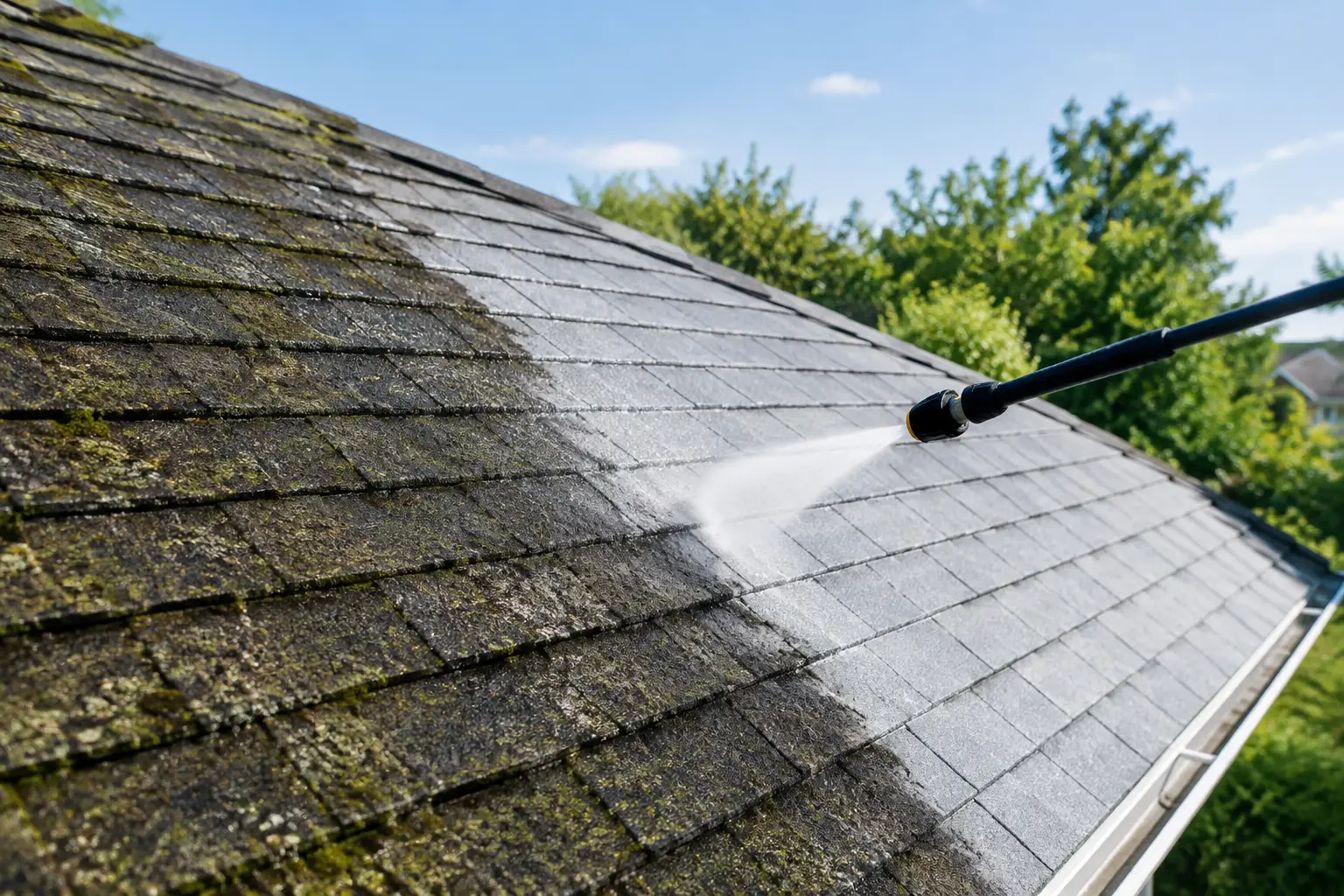
An asphalt-shingle roof should not be power washed. High pressure can dislodge protective granules, lift or crack shingles, force water under roofing materials, and shorten the roof’s usable life. A roof may look cleaner immediately after aggressive washing, but the hidden damage can be costly.
Black roof streaks are commonly caused by algae. Moss and lichen may also appear on shaded roof sections. A professional soft-wash process treats the growth at low pressure, allowing the solution to do the work without scouring the shingle surface. This approach is about protecting the roof as much as improving its appearance.
For roofs showing age-related drying, cracking, or lost flexibility, cleaning may be only one part of the conversation. A qualified inspection can help determine whether a plant-based shingle preservation treatment is appropriate. In the right situation, a USDA Certified Biobased treatment can help restore lost oils and support shingle flexibility for far less than premature replacement. It is not a substitute for a roof with major failure, missing shingles, or active leaks, but it can be a practical maintenance option for an eligible roof.
Siding, trim, and painted surfaces
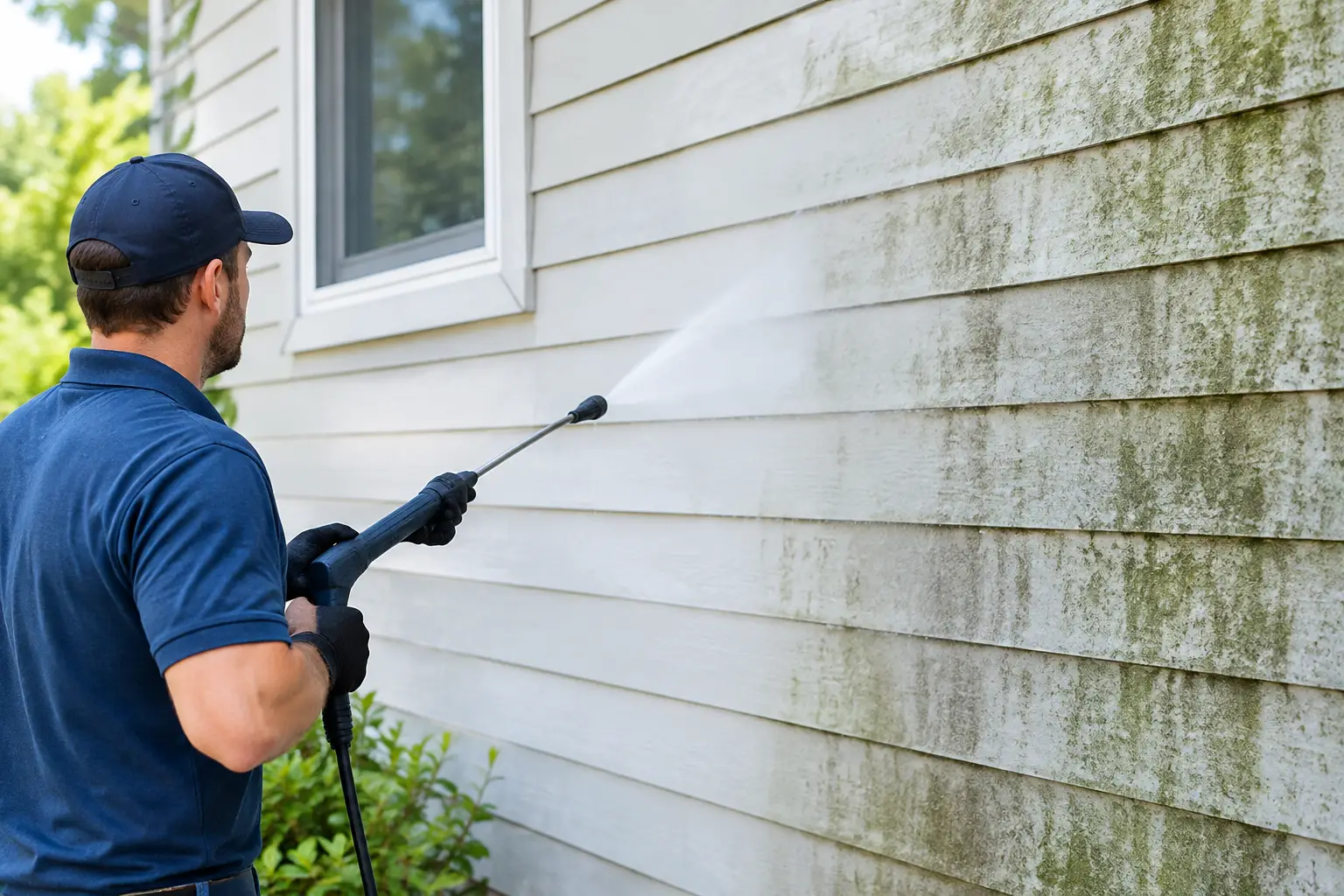
Vinyl siding, painted wood, fiber cement, soffits, and exterior trim often respond well to soft washing. High pressure can drive water behind siding, remove loose paint, gouge wood fibers, and damage window seals or caulking. Soft washing removes organic staining while using controlled pressure that respects the material.
Paint that is already peeling or wood that is rotted will still need repair. Cleaning reveals a surface’s actual condition, which is useful, but no washing method can repair existing deterioration.
Decks, fences, and delicate exterior details
Wood decks and fences are especially easy to damage with an inexperienced pressure-washing approach. Too much pressure can create fuzzy wood fibers, strip finishes unevenly, and leave permanent marks. Low-pressure cleaning, followed by the appropriate rinse and drying time, is often the better starting point.
Soft washing also helps protect screens, light fixtures, decorative stone, and areas near planting beds. Any exterior cleaning project should include preparation to wet, protect, and rinse nearby vegetation as needed.
Why the Type of Stain Matters
The visible stain does not always tell the whole story. Dirt may wash away with pressure. Organic growth needs to be treated so it is not merely spread around or left rooted in the surface. Rust, oil, efflorescence, irrigation stains, and paint each require different products and techniques.
That is why a one-method approach is rarely the best choice. A contractor who treats every surface with maximum pressure may get quick visual results, but speed is not the same as proper care. The best method is the least aggressive one that safely delivers the needed result.
Common Mistakes Homeowners Should Avoid
Renting a pressure washer can seem straightforward, but the risk rises quickly when settings, nozzles, and cleaning agents are not matched to the surface. The most common mistake is using high pressure on a roof, siding, wood, or older masonry because the stain looks stubborn.
Another mistake is cleaning only what is visible. Moss near roof edges, algae under shingles, clogged gutters, and runoff issues can all contribute to recurring staining. If the underlying moisture condition is not addressed, growth may return sooner than expected.
Finally, avoid treating cleaning as purely cosmetic. A roof covered in algae or moss deserves an assessment, particularly if it is approaching the age when homeowners begin considering replacement. Clear photos and an honest diagnosis help separate a cleanable, preservable roof from one that needs repair or replacement planning.
Choosing the Right Service for Your Home
Start with the surface. Hard, stable concrete may benefit from controlled power washing. Roofs, siding, painted trim, and many wood surfaces generally call for soft washing. Then consider the condition of the material, the kind of stain, drainage patterns, and nearby plants.
A careful exterior-maintenance provider should explain the method before work begins, identify any risks, and avoid pressuring you into services your home does not need. At Roof Rescue Southern Westchester, that means treating a home like our own: using the right approach, documenting what we find, and focusing on preventive care that can help avoid larger expenses later.
If stains, moss, or grime are making you question your roof or exterior surfaces, a free assessment can give you a clear next step. The goal is not to make every surface look new at any cost. It is to clean and protect what can be maintained, identify what needs attention, and help your home keep doing its job for years to come.
continue reading
Related Posts
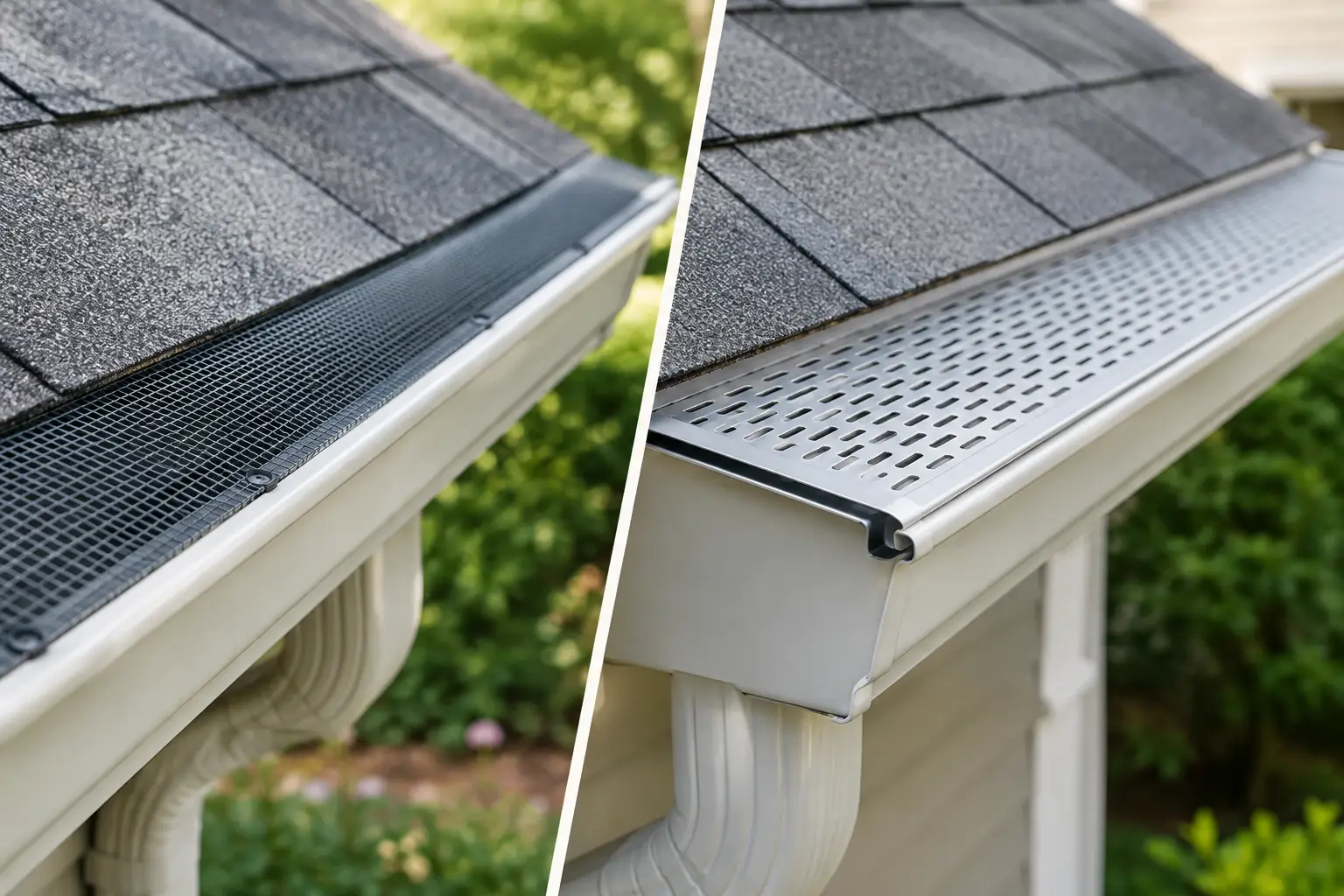
Comparing gutter screens versus guards? Learn which option fits Westchester homes, sheds leaves reliably, and reduces cleaning without trapping debris.
See what real roof cleaning results look like, how long they take, and why safe treatment can protect shingles and help avoid costly replacement bills.
Does soft washing kill mold? Learn how low-pressure cleaning removes exterior growth, when stains suggest damage, and how to protect your home safely.