

A roof can look fine from the driveway while algae is holding moisture against the shingles, gutters are backing up at the corners, and a small crack in a walkway is admitting water. That is why exterior maintenance is more than a curb-appeal project. It is a practical way to catch small problems before they become leaks, rot, staining, surface damage, or an avoidable replacement bill.
For homeowners in Southern Westchester, changing seasons put steady pressure on exterior surfaces. Spring pollen and rain feed organic growth. Summer sun dries out materials. Autumn leaves overwhelm gutters. Winter freeze-thaw cycles turn trapped water into cracking, lifting, and drainage trouble. A sensible upkeep plan protects the parts of your home that are exposed every day.
Start With the Roof and Its Drainage System
Your roof and gutters work as one system. When either one is neglected, water can end up where it does not belong. Begin with a visual check from the ground after major storms and at least twice a year. Look for dark streaks, moss, curled or missing shingles, loose flashing, sagging gutters, overflowing downspouts, and water stains near soffits or exterior walls.
Dark roof staining is often algae, not just dirt. On asphalt shingles, algae and moss can retain moisture and make the roof look older than it is. Moss is especially concerning because it can grow beneath shingle edges, interfere with water shedding, and contribute to premature wear. The answer is not aggressive pressure washing. High pressure can dislodge protective granules and damage shingles that still have useful life left.
A professional soft-wash approach is designed to remove organic growth while treating the roof surface with care. If shingles are otherwise in serviceable condition but are dry, brittle, or showing early signs of aging, a plant-based shingle preservation treatment may be worth discussing. These treatments are intended to replenish lost flexibility and help preserve aging asphalt shingles at a fraction of the cost of replacement. They are not a cure for active leaks, structural damage, or shingles that have reached the end of their life. A clear assessment should distinguish between a roof that can be maintained and one that truly needs repair or replacement.
Gutter cleaning matters just as much. Leaves, twigs, shingle granules, and roof debris can block water flow quickly. Once water spills over the front or back of a gutter, it may stain siding, saturate mulch beds, erode soil, and work its way toward the foundation. Make sure downspouts discharge well away from the house and that their extensions are secure. Gutter guards can reduce routine buildup, but they are not maintenance-free. They still need occasional inspection, particularly beneath mature trees.
Exterior Maintenance by Season
A yearly plan is easier to keep when it follows the weather rather than a calendar reminder you ignore. The exact timing depends on your property, surrounding trees, roof age, and drainage layout, but each season has a clear purpose.
Spring: Clear Winter’s Leftovers
After winter, inspect for lifted shingles, loose gutters, cracked caulk, damaged pavers, and downspouts that shifted under snow or ice. Clear gutters and roof valleys of debris before heavy spring rains arrive. This is also a good time to address algae staining, moss, mildew on siding, and slippery green growth on walkways.
Spring cleaning should use the right method for the surface. Soft washing is typically appropriate for delicate materials such as roofs, painted siding, and certain exterior finishes. Pressure washing may be effective for durable concrete, patios, and some driveways, but too much pressure can etch concrete, strip paint, damage wood, or force water behind siding. The goal is clean surfaces without creating a new repair problem.
Summer: Protect Surfaces From Sun and Moisture
Summer is the time to watch for UV exposure and heat-related wear. Check window and door caulking, trim paint, deck boards, and exterior seals. Fading, peeling, or cracking finishes leave materials more exposed to moisture later in the year.
Hardscapes also benefit from attention in dry weather. Concrete, pavers, and driveways collect oil, algae, dirt, and weeds in their joints. Cleaning and sealing can improve appearance while helping limit water absorption and surface deterioration. Sealing is not necessary for every surface or every year. It depends on the material, prior sealer condition, traffic level, and whether the surface is showing staining or water penetration.
Fall: Prepare for Leaf Drop and Heavy Rain
For many Westchester homes, fall is the most important gutter-maintenance season. A single cleaning before leaf drop may not be enough if your home sits under oaks, maples, or other mature trees. Check gutters after the bulk of leaves have fallen, and inspect them again if you notice overflow during rain.
Trim back branches that rub against the roof or drop heavy debris into valleys. Keep an eye on flashing around chimneys, vents, skylights, and wall transitions. These details are common leak points because they handle concentrated water flow. They deserve attention before freezing temperatures make repair work more difficult.
Winter: Monitor, Do Not Ignore
Winter is not always the right time for every cleaning or sealing project, but it is still a season for observation. Watch for ice buildup, unusual icicles, gutter sagging, and water entering the home after a thaw. Icicles alone do not always mean an ice dam, but recurring ice at the roof edge can point to drainage, insulation, ventilation, or heat-loss concerns.
Avoid climbing onto a wet, icy, or snow-covered roof. A ground-level inspection, photos, and a qualified professional assessment are safer than trying to solve a winter roof issue yourself.
Know Which Problems Need Prompt Attention
Routine care saves money because it gives you time to make sound decisions. Still, some conditions should not wait for the next seasonal visit. Call for an assessment if you see water stains inside, granules collecting heavily in gutters, missing shingles, soft spots on decking, persistent gutter overflow, loose flashing, or moss that is spreading across the roof.
The same applies to exterior drainage. Water pooling near the foundation, washed-out landscaping, or a downspout that empties beside the house can create larger concerns than a dirty gutter. The visible issue may be simple, but the water path needs to be corrected.
Photos make exterior maintenance more transparent. A good contractor should be able to show you what they found, explain why it matters, and recommend only the work your home needs. That is especially valuable with aging roofs, where homeowners may be told replacement is the only option before anyone has evaluated whether cleaning, repair, or preservation could safely extend the roof’s usable life.
Build a Plan Around Your Home, Not a Sales Pitch
There is no single maintenance schedule that fits every property. A newer home in an open area has different needs than a 20-year-old shingle roof shaded by trees. Homes near the Sound may experience moisture and salt-air exposure differently than homes farther inland. The right plan considers roof condition, shade, tree coverage, drainage, surface materials, and the history of past repairs.
For most homeowners, professional roof and gutter inspections twice a year provide a strong starting point, with additional checks after severe storms. Keep your own simple record of cleanings, sealers, repairs, and photos. Patterns become easier to see, and you can act before a small issue turns into a major project.
Roof Rescue Southern Westchester approaches exterior care with that preventive mindset: protect what can be preserved, explain the condition clearly, and avoid pushing a replacement when maintenance is the better answer. A free roof assessment can help establish where your home stands and which steps will provide the most value.
Your home does not need constant work, but it does need consistent attention. A clean roof, clear gutters, controlled drainage, and well-maintained exterior surfaces give water fewer opportunities to cause trouble. Schedule your free roof assessment before the next visible stain, clog, or small crack has time to become an expensive surprise.
continue reading
Related Posts
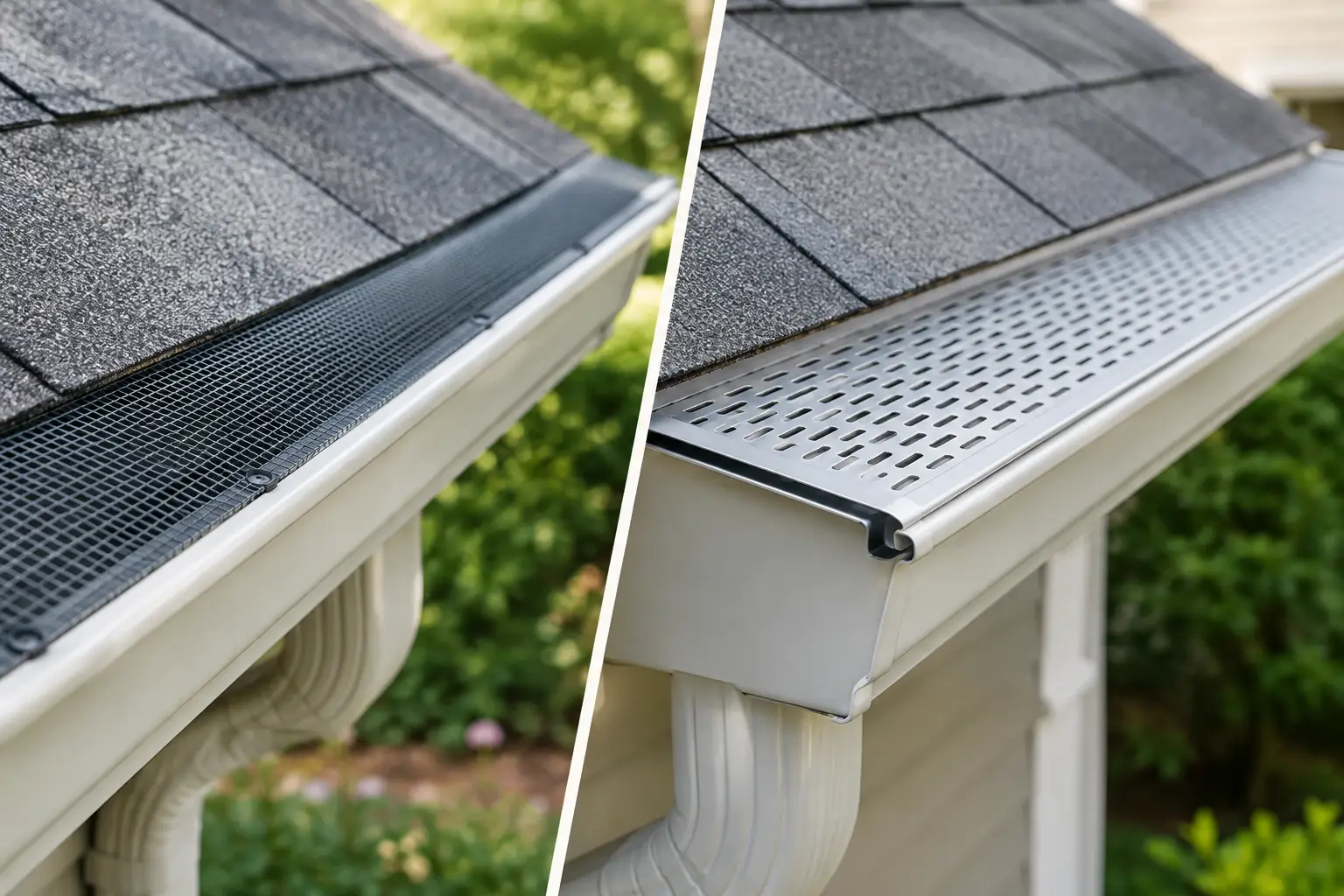
Comparing gutter screens versus guards? Learn which option fits Westchester homes, sheds leaves reliably, and reduces cleaning without trapping debris.
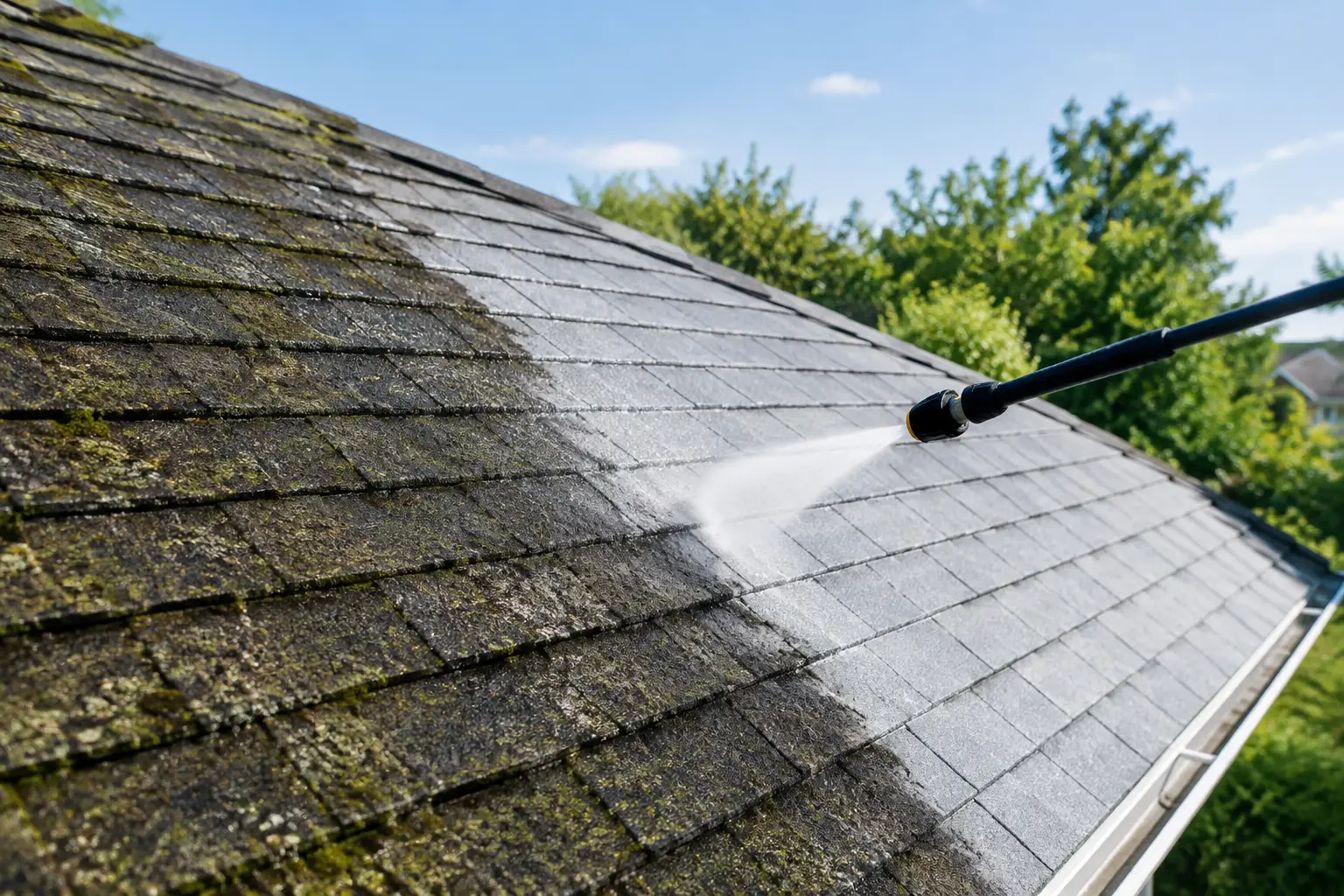
See what real roof cleaning results look like, how long they take, and why safe treatment can protect shingles and help avoid costly replacement bills.
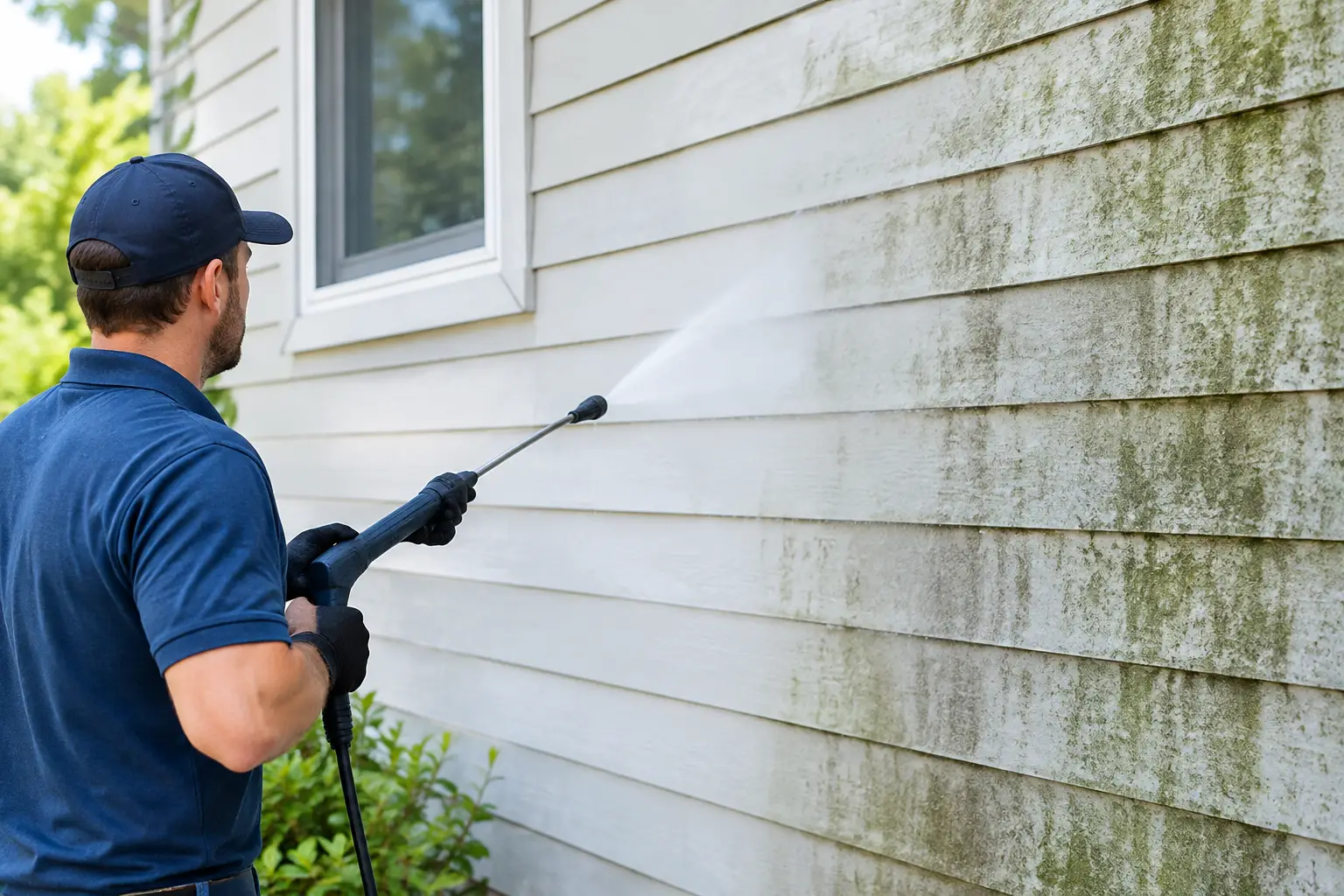
Does soft washing kill mold? Learn how low-pressure cleaning removes exterior growth, when stains suggest damage, and how to protect your home safely.