A roof can look worn out long before it is ready to be replaced. In Southern Westchester, years of sun, rain, humidity, winter freeze-thaw cycles, and organic growth can leave asphalt shingles faded, dry, stained, and less flexible. A plant based shingle treatment is designed to address one important part of that aging process: the loss of protective oils that helps shingles stay pliable and perform as intended.
For the right roof, preservation can be a practical alternative to rushing into a replacement. It is not a cover-up for leaks, broken decking, or shingles at the end of their serviceable life. It is a preventive maintenance option for homeowners who want a clear assessment, an honest recommendation, and a chance to protect a major investment before small signs of aging become expensive problems.
What a Plant Based Shingle Treatment Does
Asphalt shingles are made with a fiberglass base, asphalt, and protective mineral granules. Over time, UV exposure and weather pull oils from the asphalt. As shingles become drier, they may lose flexibility, become more prone to cracking, and shed granules more easily. Those granules are not just cosmetic. They help shield the asphalt layer from the sun.
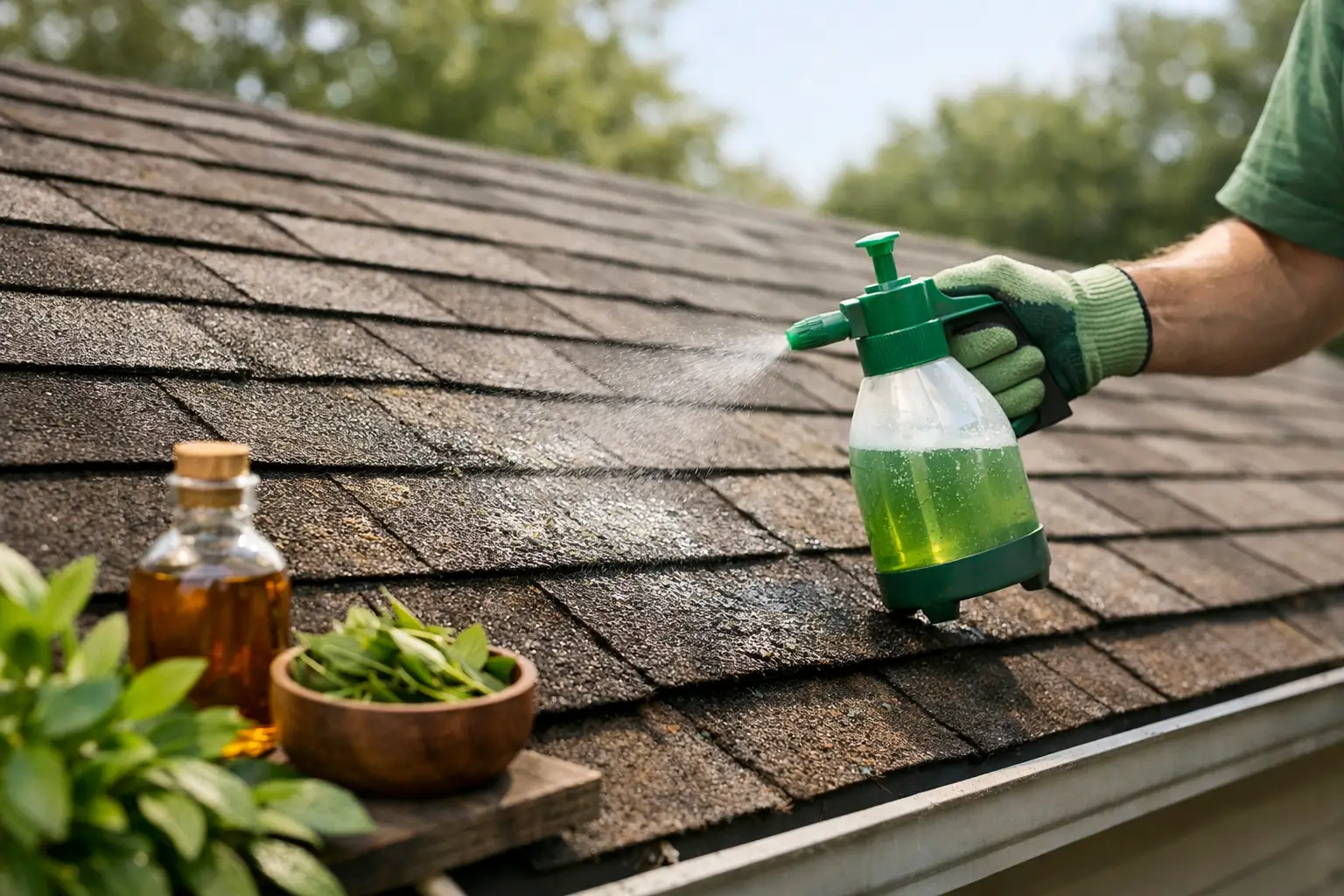
A USDA Certified Biobased shingle rejuvenation product is applied at low pressure to penetrate the shingle surface and restore lost oils. The goal is to improve flexibility and water resistance while helping shingles better withstand continued weather exposure. Many homeowners also notice a more even, renewed appearance after treatment, especially on roofs that have become dull or dry-looking.
The product is plant-based, but that does not mean the work should be treated casually. Proper application rate, roof condition, weather, landscaping protection, and drainage all matter. A professional evaluation helps determine whether preservation is appropriate and ensures the treatment is applied safely.
Plant Based Shingle Treatment Is Not Roof Cleaning
Roof cleaning and shingle preservation work well together, but they solve different problems. Roof cleaning removes harmful organic growth and surface staining. Shingle treatment addresses aging within the asphalt material itself.
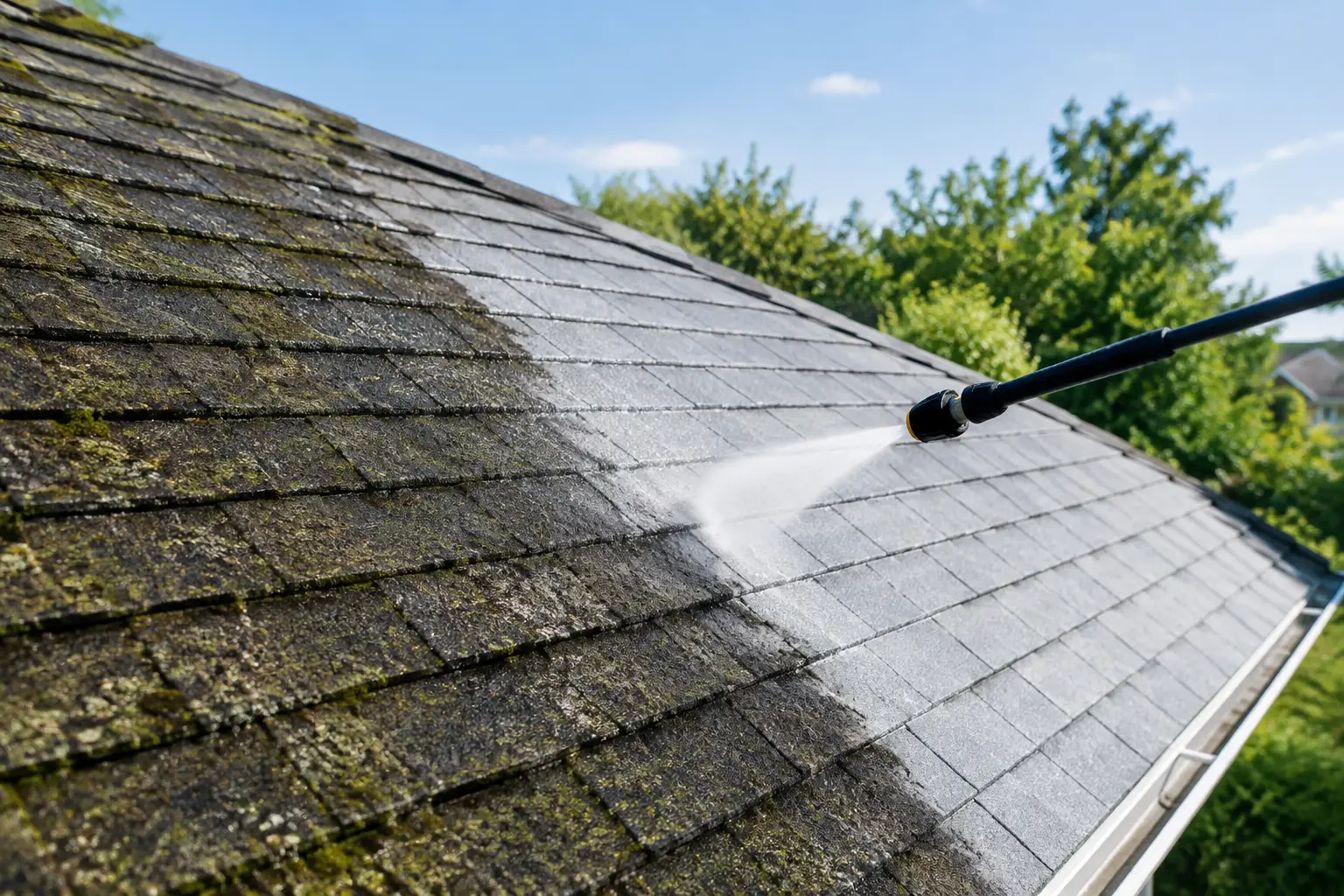
Black streaks are commonly caused by algae. Moss and lichen can hold moisture against the roof, work beneath shingle edges, and gradually interfere with proper water shedding. These contaminants should be addressed with a roof-safe soft-wash process, not aggressive pressure washing that can dislodge granules or damage shingles.
Once the roof is clean and evaluated, a preservation treatment may be recommended if the shingles remain structurally sound but show signs of dryness and age. Applying a rejuvenator over heavy moss, debris, or a roof with unresolved defects is not the right approach. Doing the job right the first time starts with identifying the actual condition of the roof.
When Is Shingle Preservation a Good Fit?
The best candidates are typically asphalt-shingle roofs that are aging but still functional. They may have faded color, early brittleness, minor granule loss, or a dry, weathered appearance. Homeowners often consider treatment when they receive a replacement estimate but suspect their roof may still have useful life left.
A thorough assessment should look beyond the view from the driveway. The roof needs to be checked for damaged or missing shingles, exposed fiberglass matting, flashing issues, soft areas, active leaks, poor ventilation, and significant storm damage. Gutters and roof valleys should also be clear so water can move off the roof correctly.
Treatment may be a strong value when the roof has remaining life but needs help resisting further deterioration. It may not be the right choice when shingles are severely curled, cracking throughout, bald from extensive granule loss, or compromised by structural issues. In those cases, preservation should never be used to delay a necessary replacement.
That distinction matters. A responsible contractor should be comfortable telling you when a treatment will help and when your money is better spent on repairs or replacement.
Why Homeowners Consider It Before Replacement
A roof replacement is one of the largest maintenance expenses a homeowner can face. When a roof is still fundamentally sound, a plant-based preservation treatment can cost at least 80% less than a full replacement while helping extend the roof’s usable service life.
The savings are meaningful, but the decision is not only about price. Replacing a roof early means dealing with a major construction project, material disposal, scheduling, and disruption around the home. Preventive care gives homeowners another option: maintain what is working, correct small problems early, and monitor the roof’s condition over time.
There are trade-offs. A rejuvenation treatment does not make a 20-year-old roof brand new, erase prior wear, or reset a manufacturer warranty. Its performance depends on the roof’s starting condition, local exposure, drainage, ventilation, and maintenance history. A heavily shaded roof in Mamaroneck or Scarsdale, for example, may need more attention to algae and moss than a roof with full sun and strong airflow.
The practical question is not, “Can this roof be treated?” It is, “Will treatment provide worthwhile protection for this particular roof?” An inspection with photos and clear findings gives homeowners a better basis for that decision.
What the Treatment Process Should Look Like
A careful process begins with an assessment of the shingles, flashings, penetrations, gutters, and visible roofline. This helps identify conditions that require repair before any cleaning or preservation work begins. Homeowners should receive a straightforward explanation of what is found, including whether treatment is recommended at all.
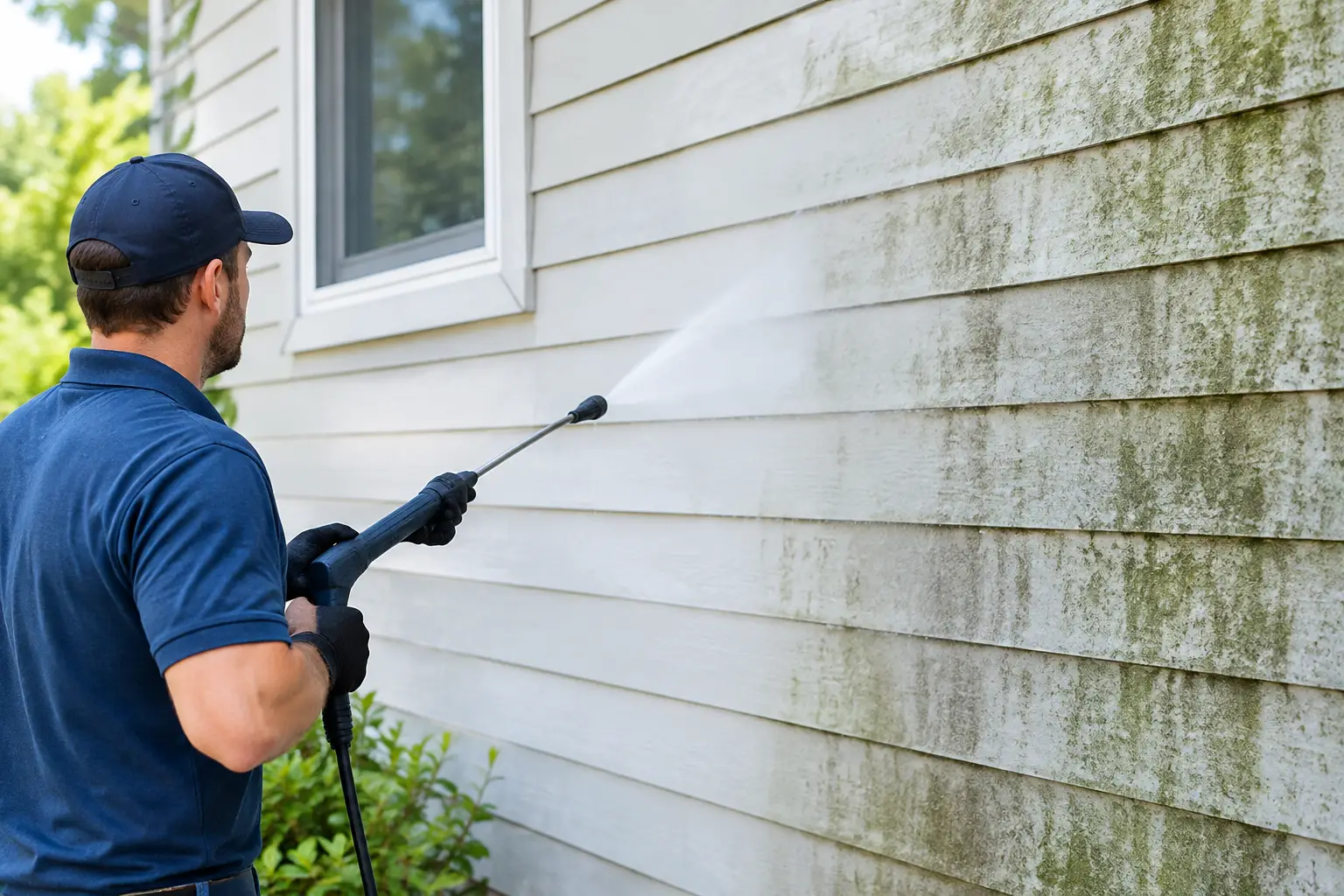
If organic growth is present, the roof is cleaned with methods appropriate for asphalt shingles. High-pressure washing is not the answer for a shingle roof. A controlled soft-wash approach removes algae, moss, and lichen while protecting the shingle surface. Nearby plants, siding, walkways, and other exterior areas should be protected throughout the process.
After the roof is clean, dry enough, and confirmed to be a suitable candidate, the biobased treatment is applied evenly at low pressure. Weather conditions matter. Rain too soon after application can affect results, while extreme temperatures and wind can make application less effective or less controlled. An experienced crew plans around the forecast rather than forcing a job into poor conditions.
The final step is documentation and ongoing observation. Homeowners should know what was treated, what conditions were noted, and what maintenance may be needed next. For many properties, that means keeping gutters clear, trimming branches away from the roof, addressing recurring shade and moisture, and scheduling periodic roof checks.
Protecting the Whole Exterior Helps Protect the Roof
Roofs rarely age in isolation. Clogged gutters can allow water to back up near the roof edge. Overhanging branches increase shade, drop debris, and encourage moss growth. Poorly directed runoff can stain siding, wear down walkways, and create moisture problems near the foundation.
That is why an exterior-maintenance plan can be more useful than treating one visible problem and walking away. Gutter cleaning, gutter guards where appropriate, soft washing, and selective sealing work can reduce the conditions that accelerate wear around the property. The goal is not to sell every possible service. It is to help homeowners address the maintenance issues that genuinely affect the home.
For asphalt-shingle homeowners in Westchester County, a professional roof assessment can clarify whether cleaning, repairs, a plant-based treatment, or replacement is the sensible next move. Roof Rescue Southern Westchester approaches that decision with the same care we would want for our own homes: inspect closely, explain plainly, and recommend only what the roof truly needs.
A faded or streaked roof does not automatically mean replacement is around the corner. Before committing to a major expense, have the roof evaluated while preventive options are still on the table. A little attention at the right time can protect the shingles, the home beneath them, and the budget set aside for everything else.
continue reading
Related Posts
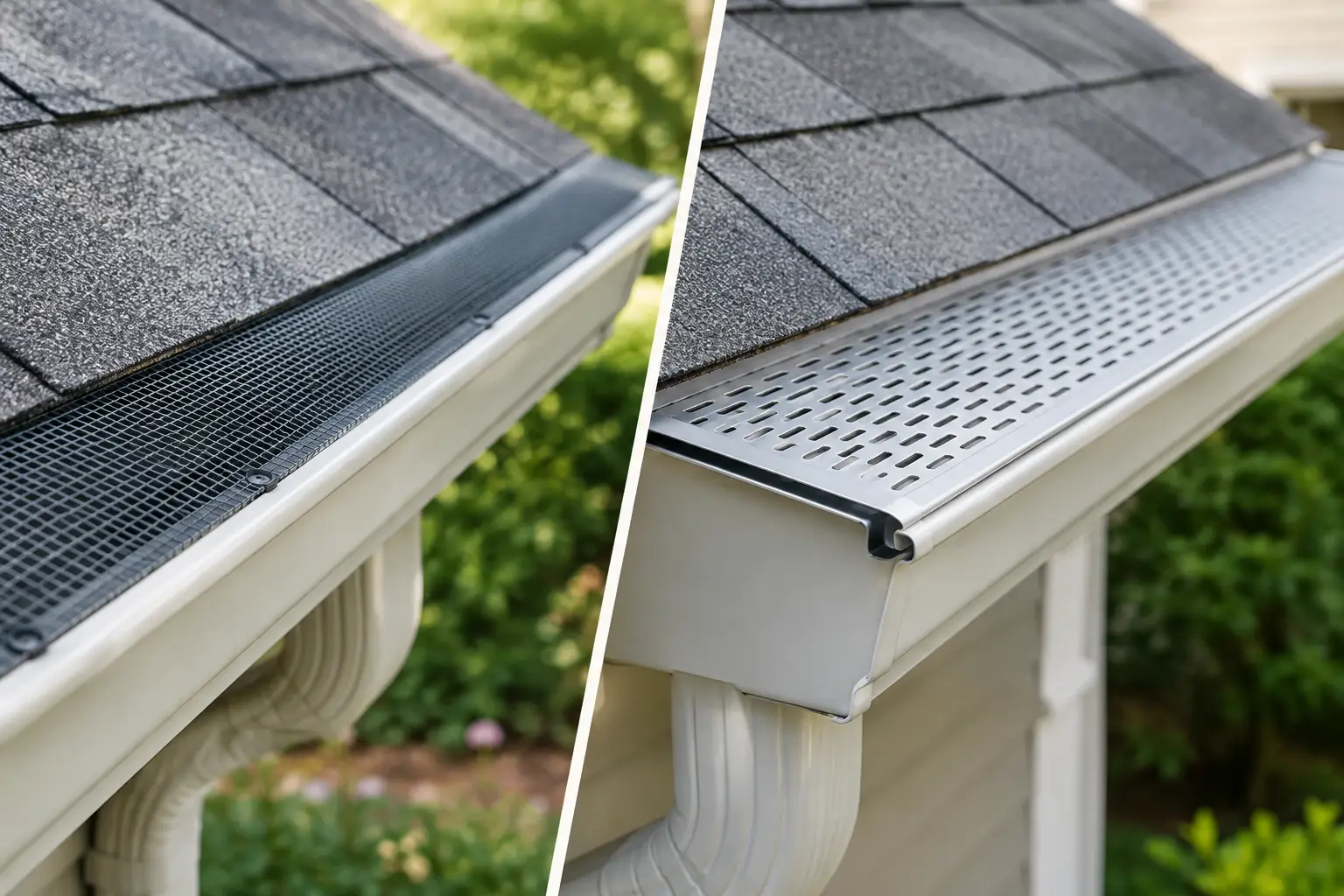
Comparing gutter screens versus guards? Learn which option fits Westchester homes, sheds leaves reliably, and reduces cleaning without trapping debris.
See what real roof cleaning results look like, how long they take, and why safe treatment can protect shingles and help avoid costly replacement bills.
Does soft washing kill mold? Learn how low-pressure cleaning removes exterior growth, when stains suggest damage, and how to protect your home safely.