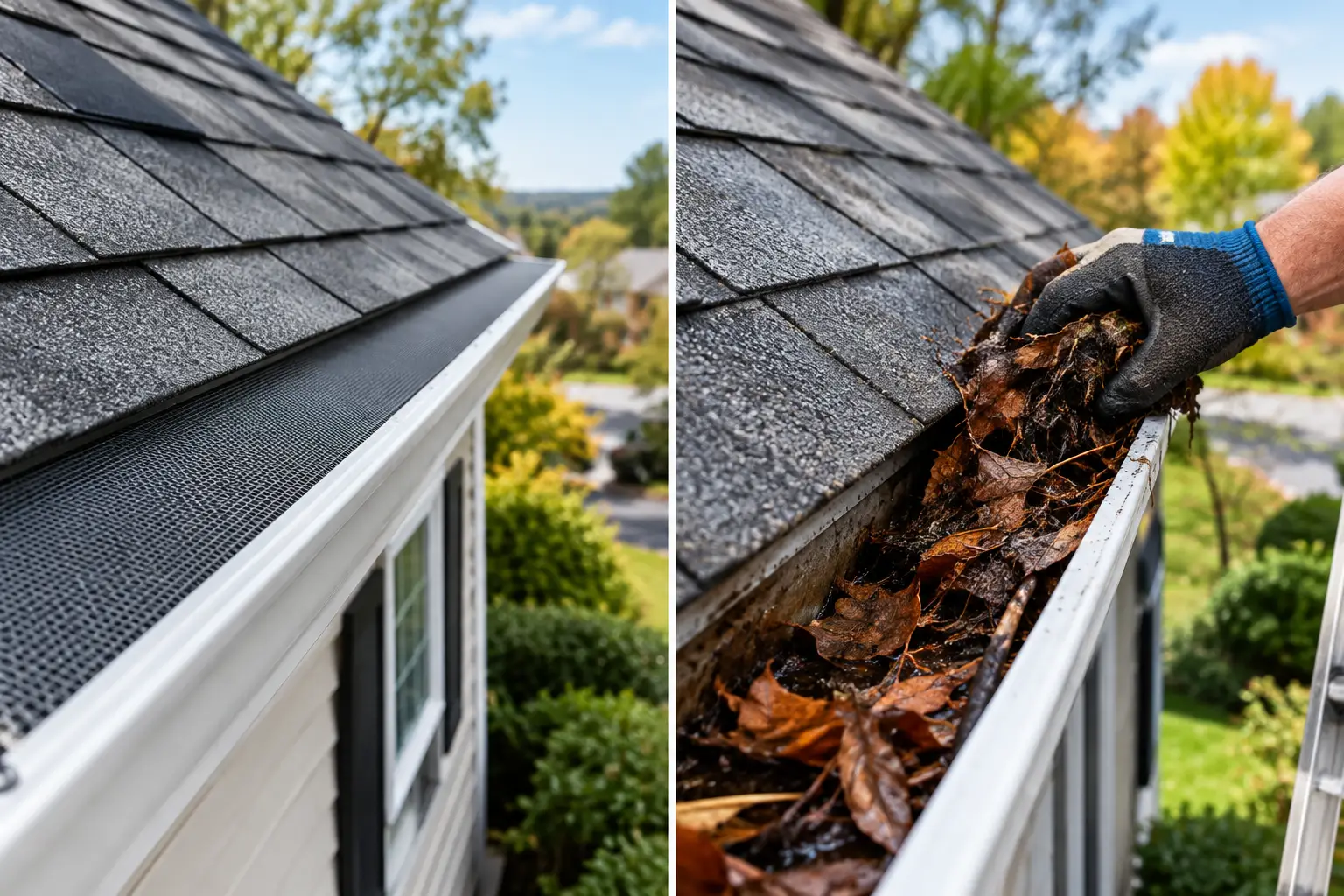
A gutter overflowing during a hard Westchester rainstorm is more than a curb-appeal issue. Water can wash over fascia boards, soak foundation plantings, pool near the basement, and leave icy hazards around walkways when temperatures drop. When homeowners weigh gutter covers versus cleaning, the right answer is rarely an all-or-nothing choice. It depends on the trees around your home, the condition and pitch of your roof, and how reliably the system will be maintained.
Gutter covers can reduce the volume of debris that enters your gutters. Professional gutter cleaning removes the material that has already collected and confirms water has a clear path to the downspouts. For many homes, the most dependable plan uses both – well-chosen covers where they make sense, plus periodic inspection and cleaning.
Why clean gutters still matter
Gutters are designed to move roof runoff away from your house. When leaves, seed pods, shingle grit, moss, and twigs collect in a gutter channel, water slows down or stops. The resulting overflow often shows up at the roof edge first, but the risk extends to the siding, trim, foundation, and landscaping below.
Southern Westchester homes face a particularly demanding mix of debris. Mature maples and oaks can fill open gutters quickly in the fall. Spring brings buds, helicopters, and small twigs. Pine needles can bridge across openings and form dense mats that are difficult for rainwater to penetrate. Even homes without heavy tree cover collect asphalt-shingle granules over time, especially on older roofs.
Routine cleaning is the direct solution because it removes the blockage instead of working around it. A proper service should include more than scooping out visible leaves. The gutter channels need to be cleared, downspouts need to be checked for flow, and the roofline should be inspected for signs of overflow, loose fasteners, leaking joints, or damaged fascia.
For a home with open gutters and nearby trees, cleaning twice per year is often a sensible starting point: once after most leaves have fallen and once after spring debris has passed. A property beneath dense tree cover may need additional attention. The schedule should follow the property, not a generic calendar.
Gutter covers versus cleaning: the real trade-off
Gutter covers, also called gutter guards, are intended to keep larger debris out while letting water enter the gutter. They can be a worthwhile upgrade, especially for homeowners who want fewer cleanouts or have difficult-to-reach rooflines. But a cover is not a promise that the gutter will never need service again.
The main benefit is reduced accumulation inside the gutter channel. Leaves may blow away or rest on top of the guard until wind and rain move them off. This can make regular upkeep faster and less frequent. Covers may also help limit the damp, decomposing leaf matter that can contribute to clogs and pest activity.
The trade-off is that every guard design handles debris differently. Fine mesh guards can block smaller material but may collect pollen, roof grit, and tiny organic particles on top. Reverse-curve systems can shed leaves effectively in some conditions, yet heavy rain may overshoot the opening if the system is poorly fitted. Brush and foam inserts can trap debris within the gutter and often require their own frequent cleaning.
Installation quality matters as much as the product itself. Guards should fit the roof edge and gutter profile without lifting shingles, restricting water flow, or creating gaps where debris can lodge. They should also be installed with an understanding of the roof’s drainage patterns. A roof valley that sends a concentrated sheet of water into one short section of gutter may need a different solution than a quiet, straight roof edge.
When gutter covers are a smart investment
Covers tend to offer the most value when a home has mature trees, recurring leaf buildup, and gutters that are difficult or unsafe for the homeowner to access. They can also be helpful for households that want to reduce, rather than eliminate, the need for seasonal maintenance.
They are especially worth considering after the existing gutters have been thoroughly cleaned and inspected. Installing covers over a channel that already contains decaying debris, shingle grit, or a partially blocked downspout only hides the problem. Start with a clean, functioning system, then add protection that fits the home.
A homeowner should also consider the age and condition of the gutters. If the system is sagging, pulling away from the fascia, leaking at seams, or undersized for the roof area, guards alone will not correct it. Repairing the drainage system first prevents spending money on an accessory while the main problem remains.
For some properties, the savings are practical rather than dramatic. A quality guard system may reduce the number of full gutter cleanings required over its life, but it still needs periodic inspection. If access is hazardous or the home sits under dense canopy, reducing cleanout frequency can be valuable for safety as well as convenience.
When regular cleaning may be the better choice
Open gutters remain the simplest, most serviceable option for many homes. If your property has limited tree cover and debris is light, scheduled cleaning may cost less over time than installing guards. It also gives a professional a clear view of the gutter channel, fasteners, seams, and drainage performance at every visit.
Cleaning can be the better choice when roof moss, algae, or substantial shingle granule loss is present. Organic growth and roof debris can travel into the gutters, and a cleanout provides an opportunity to spot conditions that deserve attention before they become expensive repairs. On aging asphalt-shingle roofs, that visual check has real value.
Homeowners should be cautious of any claim that a guard system is maintenance-free. Guards can reduce debris entry, but debris can still settle on top, collect around corners, or enter through gaps. Downspouts can clog below the guard line. A system that looks clean from the ground may still have a blocked outlet or hidden buildup.
Look beyond the gutters at the roof edge
A clogged gutter is often part of a broader exterior-maintenance picture. Overflow can stain siding, rot trim, loosen gutter brackets, and keep the lower roof edge damp. If branches shade the roof and drop organic material into the gutters, they may also contribute to moss or algae growth on shingles.
This is why the safest approach is a whole-system assessment. Check the roof valleys, the condition of the shingles, the gutters and downspouts, the fascia, and the ground drainage around the home. The goal is not to sell every possible service. It is to identify where water is going and prevent it from reaching places where it can cause damage.
At Roof Rescue Southern Westchester, recommendations are based on what the property actually needs. Some homes benefit from a guard installation followed by periodic inspections. Others are best served by dependable seasonal cleaning and targeted repairs. Photos and a clear explanation of the findings help homeowners make that decision with confidence.
Safety and timing should guide the decision
Gutter work often looks simple from the driveway, but ladders, wet shingles, uneven ground, and overhead wires make it one of the riskier home-maintenance tasks. Trying to clear a downspout from a ladder during or immediately after a storm can turn a manageable problem into an emergency.
Schedule service before the heaviest leaf drop when possible, then arrange a follow-up if your property is heavily wooded. Do not wait for water to pour over the gutter during a storm. By then, a blockage may already be stressing the gutter system and directing water against parts of the house that were never meant to handle it.
If you choose covers, have them checked after the first major season. That early inspection reveals how the product performs with your specific mix of leaves, pine needles, roof runoff, and gutter layout. It is the best way to know whether a minor adjustment can improve performance.
The right choice is the one that keeps water moving away from your home reliably, year after year. Whether that means seasonal cleaning, professionally installed covers, or a combination of both, preventive attention is far less costly than repairing the damage from an overflowing gutter.
continue reading
Related Posts
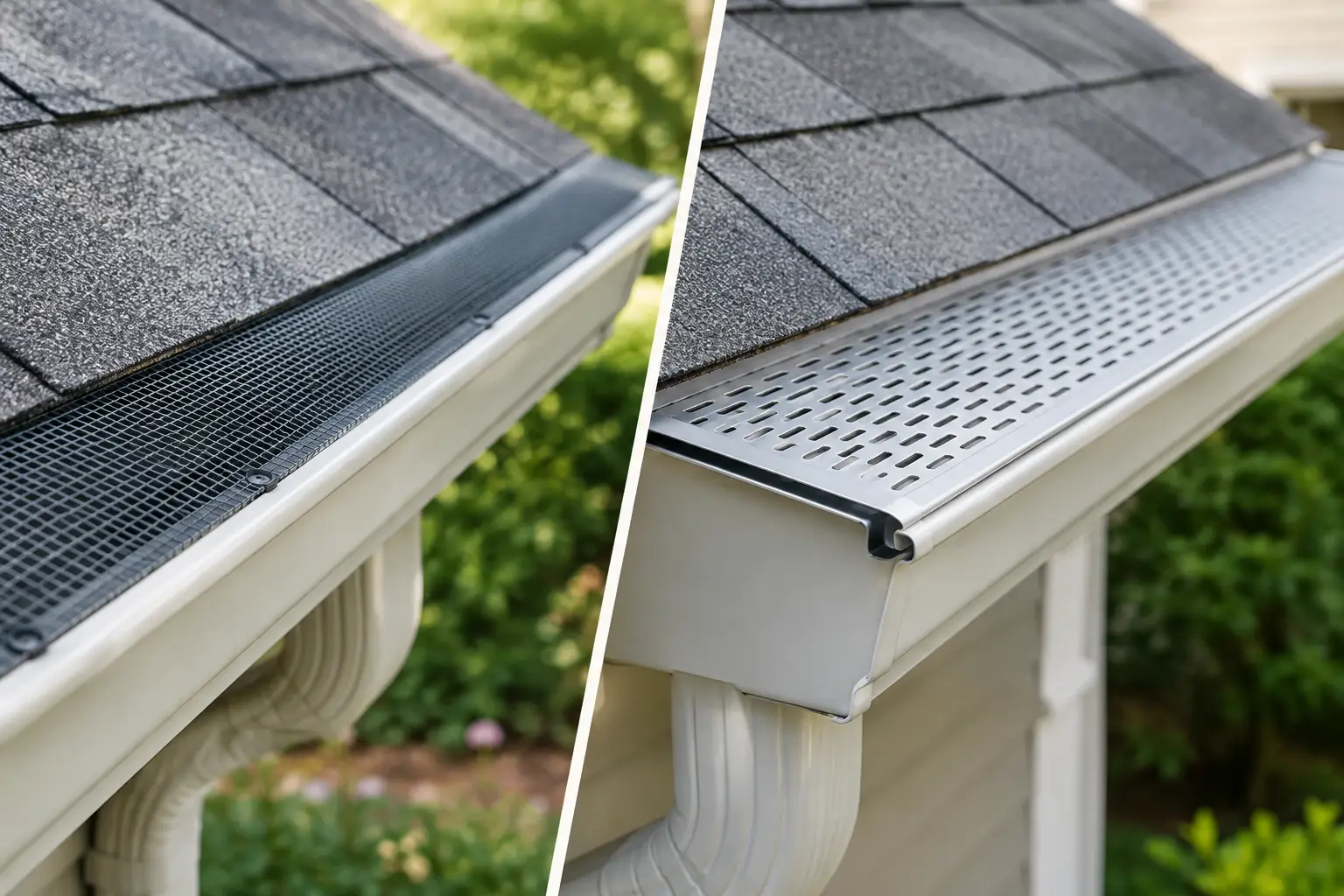
Comparing gutter screens versus guards? Learn which option fits Westchester homes, sheds leaves reliably, and reduces cleaning without trapping debris.
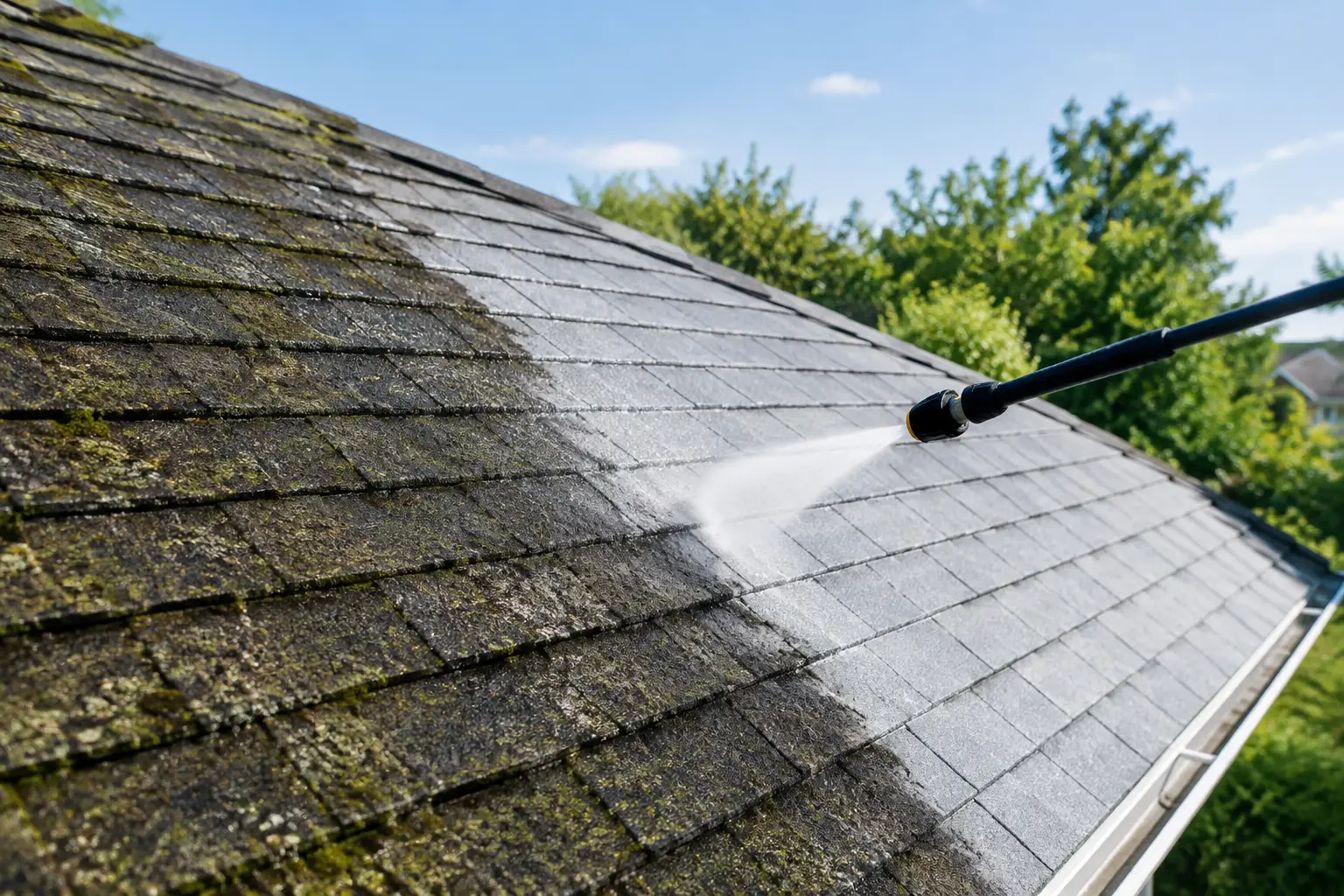
See what real roof cleaning results look like, how long they take, and why safe treatment can protect shingles and help avoid costly replacement bills.
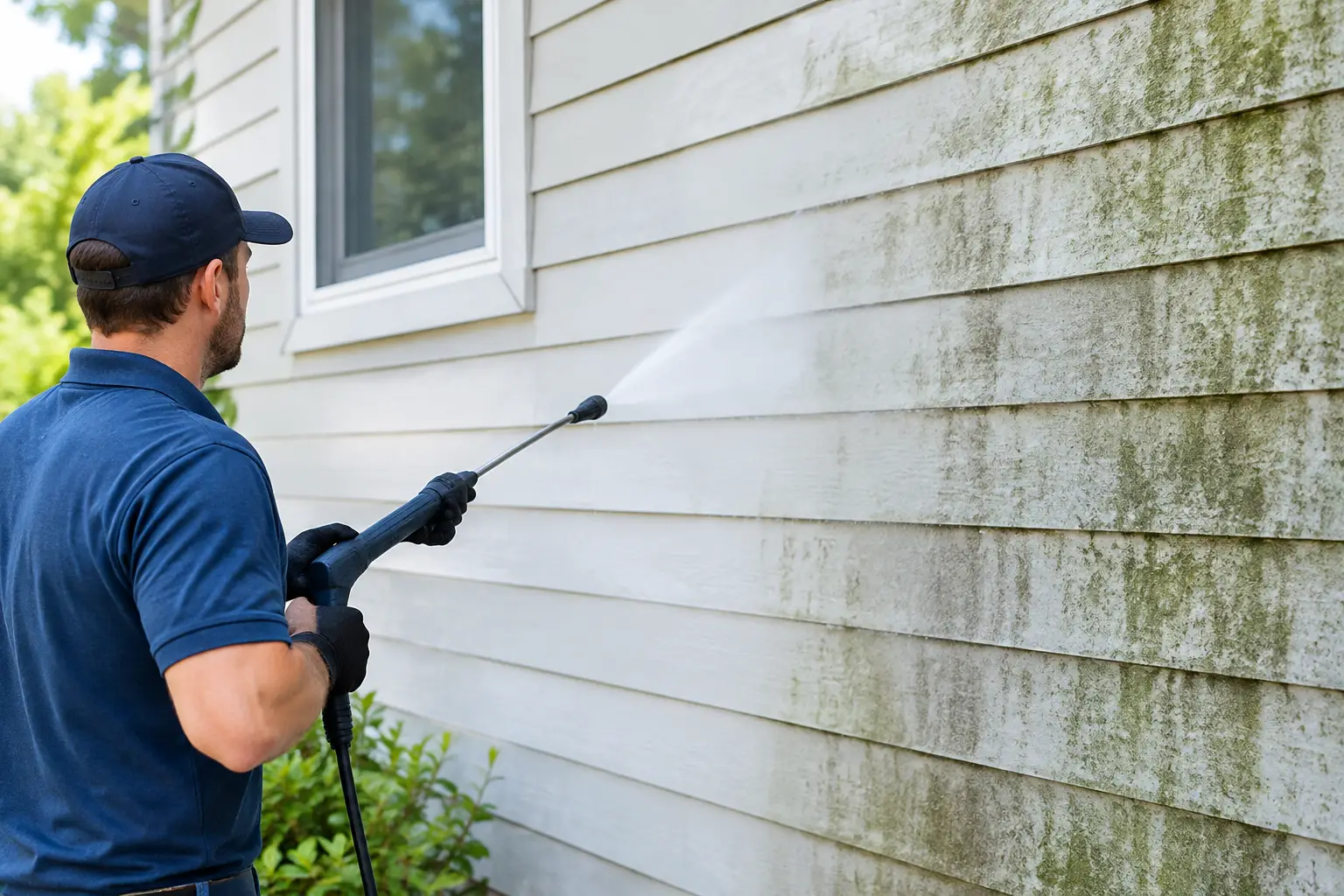
Does soft washing kill mold? Learn how low-pressure cleaning removes exterior growth, when stains suggest damage, and how to protect your home safely.