A roof can look fine from the driveway and still be under stress. Small raised spots, puckered shingle surfaces, or areas where granules seem to be thinning can leave homeowners asking why roofs blister. On an asphalt-shingle roof, blistering is usually a sign that heat, moisture, aging, or installation conditions have affected the shingle system. It does not automatically mean the roof needs replacement, but it does deserve a careful look before a minor issue turns into a leak.
For Southern Westchester homeowners, that inspection matters. Our roofs handle humid summers, freeze-thaw cycles, tree cover, wind-driven rain, and long periods of direct sun. The right next step depends on the roof’s age, the extent of the blistering, and whether the shingles are still protecting the home as intended.
What roof blistering looks like
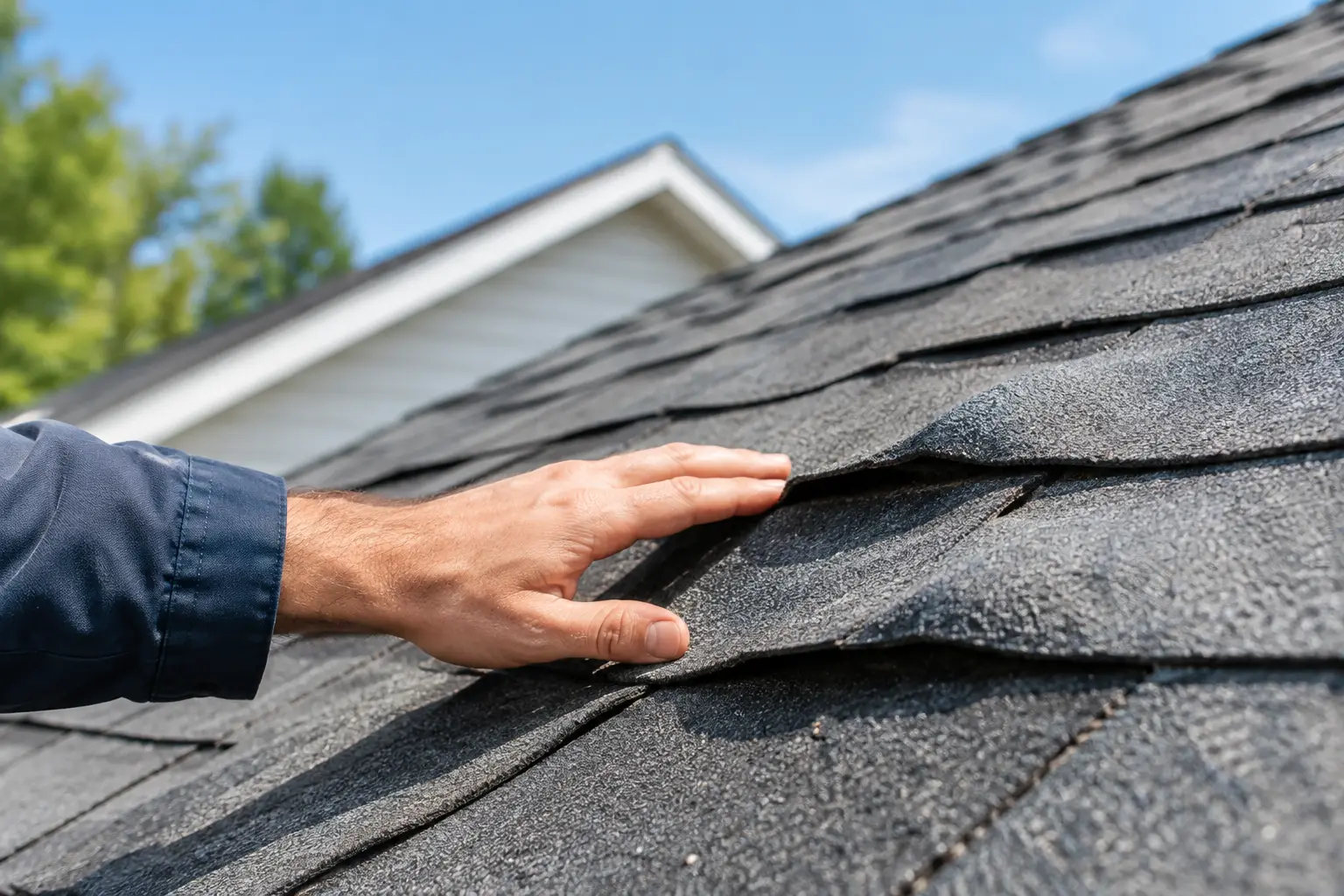
A shingle blister is a small bubble or raised bump on the surface of an asphalt shingle. In some cases, the bump remains intact. In others, it breaks open and leaves a small exposed spot where protective granules have come loose.
Granules are not just cosmetic. They help shield the asphalt layer from ultraviolet light, add fire resistance, and give the roof its finished appearance. When a blister pops and granules wash away, the exposed asphalt can dry out faster under the sun. Over time, that area may become more vulnerable to cracking and wear.
Blistering can be easy to confuse with hail damage, foot traffic damage, lifted tabs, or organic growth. That is one reason a close-up inspection is more useful than guessing from the ground. A professional should assess the roof without causing further damage by walking in the wrong areas.
Why roofs blister: heat, moisture, and trapped pressure
Most roof blisters form when moisture or volatile compounds within the shingle become heated and expand. Asphalt shingles are layered materials, typically made with an asphalt coating, reinforcement mat, mineral fillers, and protective surface granules. When heat builds up, trapped moisture or gases can create pressure between layers or beneath the shingle surface.
There is rarely one single cause. Blistering often reflects a combination of roof age, weather exposure, attic conditions, material history, and the way the roof was installed.
Intense sunlight and repeated heat cycles
Dark asphalt shingles can become extremely hot during a sunny New York summer. Every day, they expand as temperatures rise and contract as temperatures fall. That movement is normal, but years of thermal cycling can stress aging shingles and reveal weaknesses in the material.
South- and west-facing slopes often show more UV wear because they receive stronger afternoon sun. A roof with limited shade may age more evenly, while a roof shaded by trees can develop a different set of concerns, including moisture retention, algae staining, moss, and debris buildup. Neither full sun nor heavy shade is automatically the problem. The condition of the shingles and the roof’s ability to dry are what matter.
Moisture trapped in or beneath the roofing system
Moisture is another common contributor. It may come from humid air in an improperly ventilated attic, a leak that allows water beneath the shingles, or moisture present during installation. Once heat reaches that moisture, pressure can build and contribute to blistering.
Attic ventilation and insulation deserve attention here. A hot, poorly ventilated attic can raise roof-deck temperatures and make shingles work harder. Bathroom fans or dryer vents that discharge into the attic add moisture where it does not belong. In winter, warm interior air can condense on cold framing and roof decking. That moisture may not create visible trouble immediately, but it can contribute to long-term roofing problems.
Aging shingles and lost protective oils
As asphalt shingles age, they gradually lose oils that keep the asphalt flexible. Sun exposure, oxidation, weather, and normal wear all play a role. The shingle can become drier and less able to handle expansion and contraction.
Blistering on an older roof may appear alongside granule loss, surface cracking, curling edges, or brittle shingles. Those symptoms do not all carry the same meaning. A few isolated blisters on an otherwise sound roof may call for monitoring and preventive maintenance. Widespread blistering, cracking, and exposed asphalt can indicate that replacement planning is becoming more realistic.
Installation or manufacturing factors
Sometimes blistering is related to conditions that existed before the roof ever saw a summer season. Shingles installed over damp decking, placed in extreme heat, or applied without proper ventilation and underlayment can face added stress. In other situations, a manufacturing defect may be involved.
That does not mean every blistered roof has an installation issue or qualifies for a warranty claim. Roofing materials age differently based on exposure and maintenance. Still, an assessment can help document the condition, identify patterns, and determine whether it makes sense to contact the original installer or manufacturer.
Is a blistered roof leaking?
Not necessarily. An intact blister may not be actively leaking, and small isolated areas do not always require immediate repair. The concern increases when blisters have ruptured, when granules are missing across broad sections, or when the roof also shows cracked shingles, soft spots, lifted tabs, or interior water stains.
A leak can also begin well away from the visible blister. Flashings around chimneys, skylights, vents, and wall intersections are common weak points. Clogged gutters can keep water at the roof edge longer than intended, while overhanging branches can drop debris that holds moisture against the shingles. Good diagnostics look at the whole roof system, not one spot in isolation.
If you notice a ceiling stain, damp attic insulation, a musty odor, or fresh granules collecting in gutters, schedule an inspection promptly. Waiting for a drip during a heavy storm usually means water has already traveled farther than it should.
What not to do when shingles blister
Do not pressure wash an asphalt-shingle roof. High pressure can strip granules, break brittle shingles, force water underneath the roofing materials, and turn a manageable maintenance concern into premature wear.
Avoid scraping, puncturing, or trying to flatten blisters yourself. A blister is not like a paint bubble on a wall. Breaking it can expose more of the asphalt layer and accelerate deterioration. It is also best not to walk a hot roof, especially one with aging shingles. Heat makes shingles more susceptible to scuffing and damage from foot traffic.
Homeowners can safely observe from the ground with binoculars, check the attic after a rainstorm, and keep gutters flowing. Beyond that, a roof inspection provides clearer answers without unnecessary risk.
How to protect a roof that is still serviceable
The goal is not to treat every sign of age as a reason for replacement. Many roofs benefit from practical maintenance that reduces the conditions that speed deterioration.
Keep gutters and downspouts clear so water can move away from the roof edge. Trim branches back from the roof where appropriate, especially limbs that scrape shingles or drop heavy debris. Address moss, algae, and lichen with roof-safe soft-washing methods rather than harsh pressure. These organic growths retain moisture and can make it harder for a roof to dry after rain.
If an attic is unusually hot or humid, have ventilation, insulation, and exhaust routing evaluated. Correcting a bathroom fan that vents into the attic, for example, can protect more than the roof. It can also help reduce condensation and moisture-related damage to framing and insulation.
For eligible asphalt-shingle roofs that are dry, structurally sound, and not near the end of their service life, a plant-based shingle preservation treatment may help restore flexibility lost through aging. This is not a cure for severe cracking, active leaks, failing decking, or shingles that are already beyond repair. Used at the right time, however, preservation can be a practical way to extend usable roof life at a fraction of replacement cost.
When to call for a professional assessment
Call for an assessment when blistering is widespread, blisters have opened, bare asphalt is visible, or other symptoms are present. These include curling shingles, significant granule accumulation in gutters, recurring algae or moss, sagging areas, missing shingles, or any sign of water inside the home.
A good inspection should give you straightforward information: what is causing the concern, how urgent it is, what maintenance may help, and when repair or replacement is the more responsible recommendation. Photos and a clear explanation are especially valuable when deciding whether to monitor the roof, preserve it, repair a localized issue, or budget for a future replacement.
Your roof does not need a sales pitch when it shows signs of wear. It needs an honest condition check and a plan that protects your home. Schedule your free roof assessment with Roof Rescue Southern Westchester before small surface changes have a chance to become expensive interior repairs.
continue reading
Related Posts
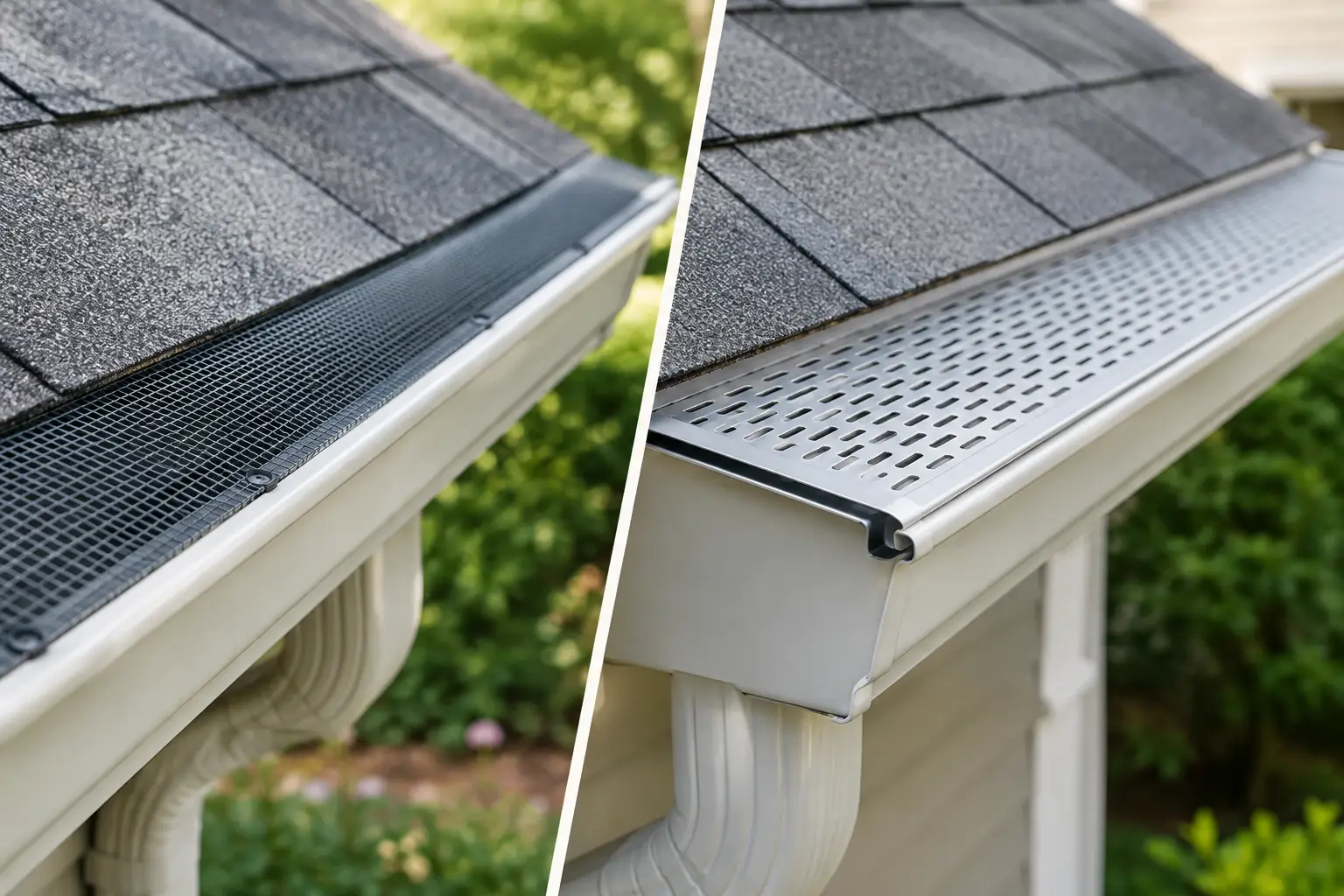
Comparing gutter screens versus guards? Learn which option fits Westchester homes, sheds leaves reliably, and reduces cleaning without trapping debris.
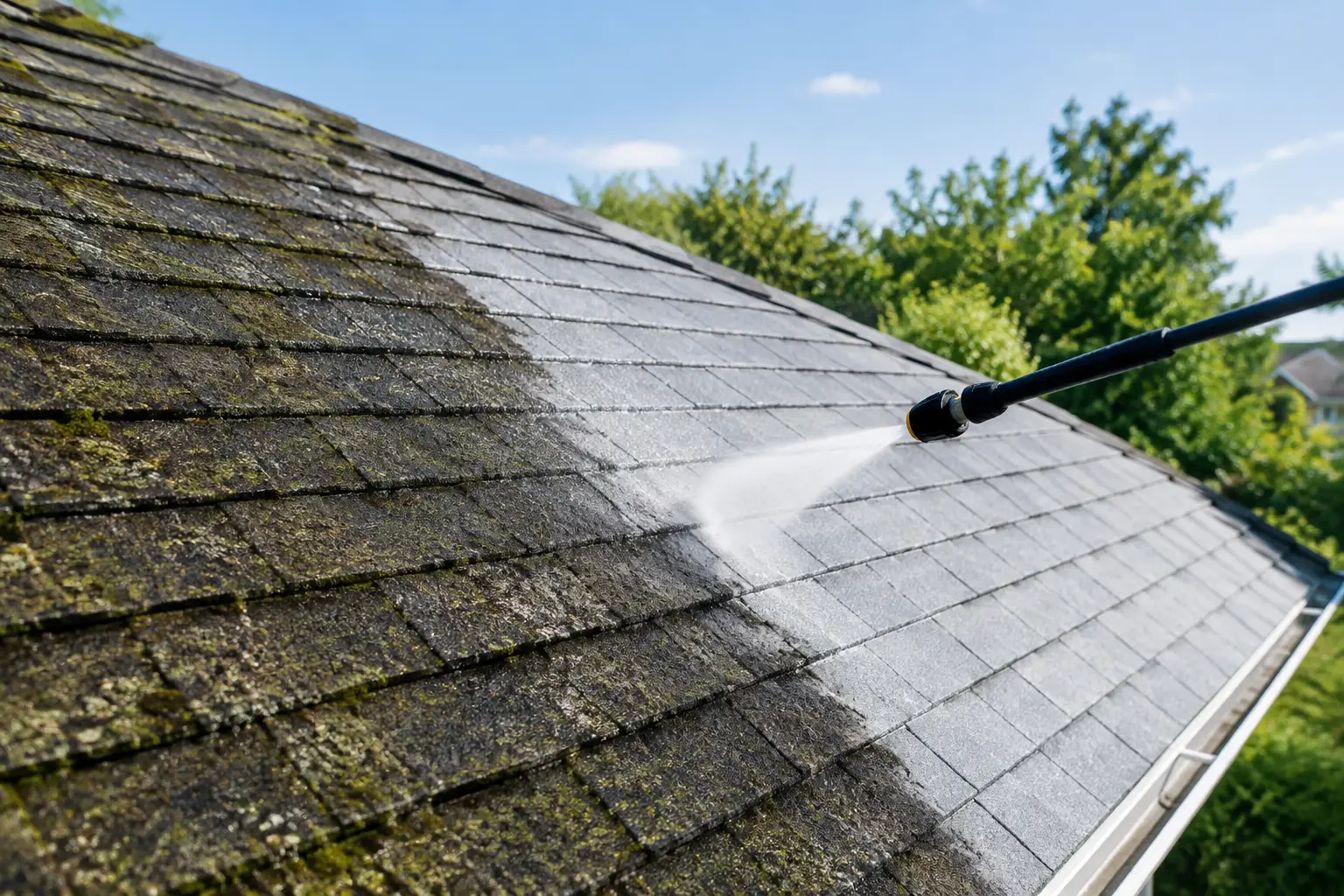
See what real roof cleaning results look like, how long they take, and why safe treatment can protect shingles and help avoid costly replacement bills.
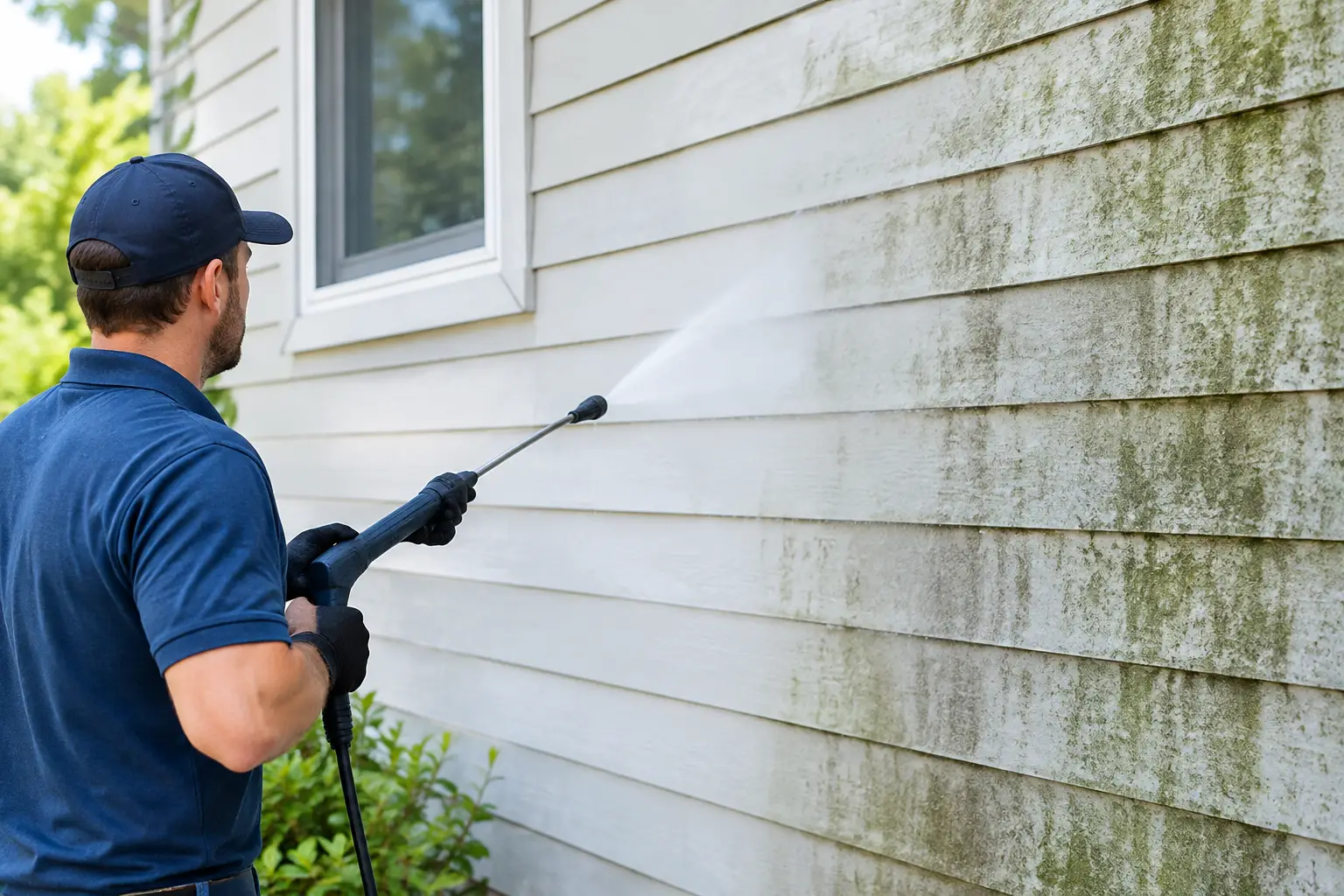
Does soft washing kill mold? Learn how low-pressure cleaning removes exterior growth, when stains suggest damage, and how to protect your home safely.