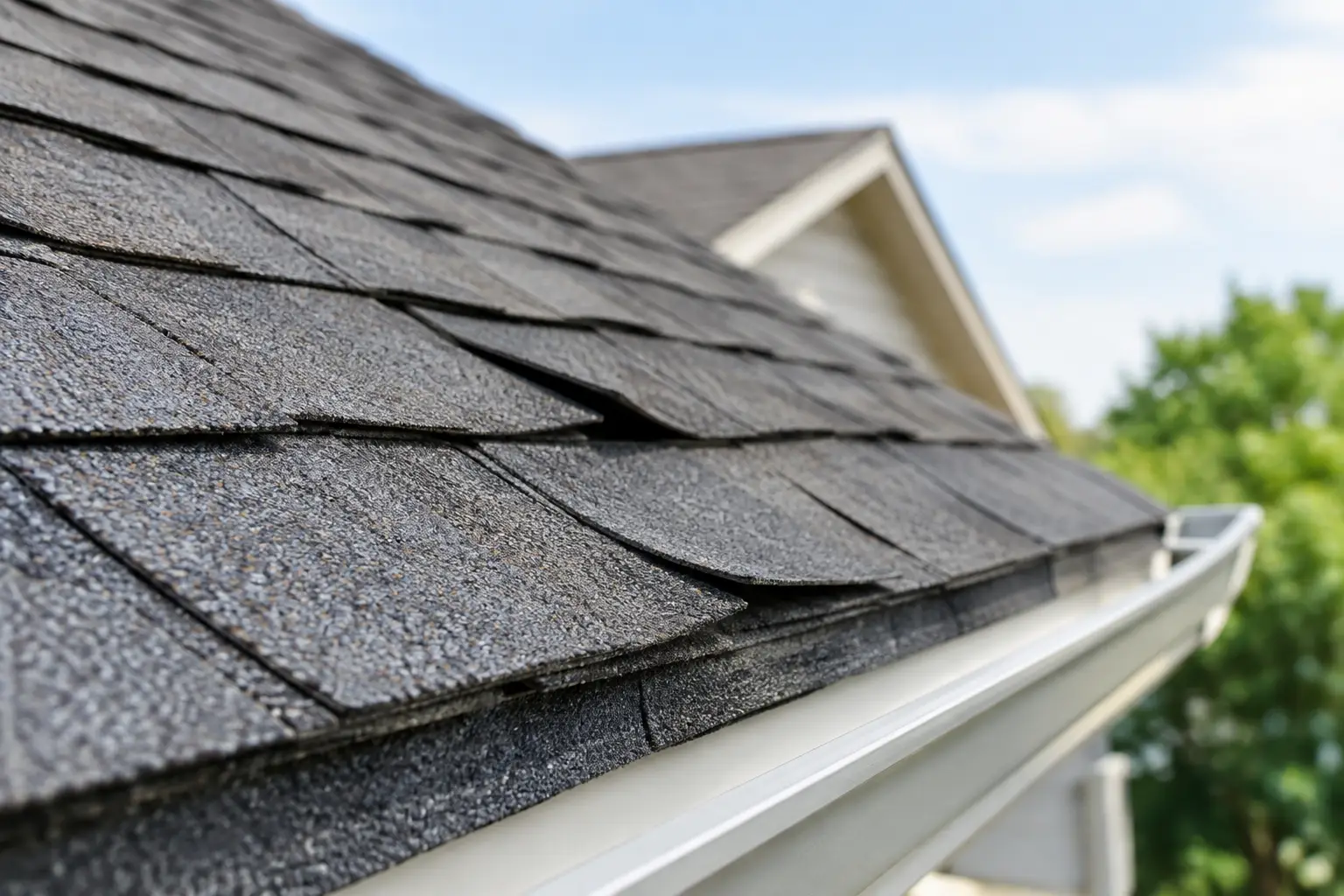
A roof can look fine from the driveway until a few lifted shingle corners catch the afternoon light. For homeowners wondering, do shingles curl, the answer is yes – but curling is a symptom, not a diagnosis. It can point to age, trapped moisture, attic ventilation problems, installation issues, or a roof that has simply lost too much of the flexibility it once had.
The right response depends on how widespread the curling is and what else is happening on the roof. Some roofs may still be candidates for careful cleaning and shingle preservation. Others need repair or replacement before water gets beneath the roof covering. A clear inspection is the safest way to tell the difference.
Why Do Asphalt Shingles Curl?
Asphalt shingles are designed to lie flat, shed water, and protect the wood deck below. They do that job well for years, but sun exposure, temperature swings, rain, snow, and organic growth gradually wear on the material. In Southern Westchester, roofs face humid summers, leaf debris, winter freeze-thaw cycles, and shaded areas that stay damp longer than they should.
Over time, an asphalt shingle can lose the oils that help it stay flexible. When the material becomes dry and brittle, the edges may turn upward or the middle portion may lift. That is commonly called curling, although homeowners may also hear the terms cupping, clawing, or fishmouthing.
Curling is not always caused by one thing. A roof often has several contributing conditions, which is why a professional assessment should look beyond the visible shingle edge.
Age and UV exposure
Constant sunlight dries asphalt shingles over the years. South- and west-facing roof slopes often show wear first because they receive more direct sun. As the shingle ages, its protective granules can loosen and its asphalt layer can become less pliable. Curling along with bald spots, cracking, or heavy granule loss is a stronger sign that the roof may be nearing the end of its useful life.
Moisture and poor attic ventilation
Heat and moisture trapped in an attic can work against a roof from below. Inadequate intake or exhaust ventilation can allow attic temperatures to rise sharply in summer and encourage condensation during colder weather. That repeated stress can distort shingles, weaken roof decking, and shorten the life of the entire roofing system.
If curled shingles appear alongside peeling interior paint, attic condensation, musty odors, or staining on ceilings, the issue may not be limited to the roof surface. The roof, attic insulation, ventilation, and drainage all need to be considered together.
Installation and material problems
Not every curled roof is simply old. Shingles installed over an uneven deck, improperly placed nails, inadequate ventilation, or insufficient sealing can fail prematurely. Layering new shingles over old ones can also create excess heat and unevenness. In these cases, washing or preservation treatment will not correct the underlying installation defect.
What Curled Shingles Can Lead To
A single slightly raised edge does not automatically mean a leak is already occurring. Still, curled shingles should not be ignored. Their flat, overlapping design is what channels water down the roof and into the gutters. Once edges lift, wind-driven rain has more opportunity to get underneath.
Water intrusion can damage the underlayment and roof decking before it becomes visible inside the home. Curled areas are also more vulnerable to wind. A strong storm can catch a raised tab and tear or loosen more shingles nearby.
The other concern is accelerated wear. A curled shingle exposes more of its surface to sun and weather. It can crack more easily, lose granules faster, and become harder to seal back down. Addressing the cause early may limit the expense, while waiting can turn a manageable maintenance decision into a larger roofing project.
Do Shingles Curl From Moss or Algae?
Moss and algae do not usually cause every curling problem by themselves, but they can make an aging roof deteriorate faster. Algae creates dark streaks and can retain moisture on the roof surface. Moss is more aggressive because it holds water against the shingles and can grow beneath their edges, physically lifting them over time.
Leaves, pine needles, and gutter debris add to the problem by keeping roof areas damp. This is especially common on shaded slopes and homes with mature trees. When organic material is left in place, moisture lingers longer after rain, which creates favorable conditions for moss and algae to return.
A safe roof-cleaning process can remove damaging growth without the high-pressure methods that can strip granules or force water beneath shingles. Pressure washing an asphalt-shingle roof is not a solution for curling and can create additional damage. The method matters as much as the cleaning itself.
When Cleaning and Preservation May Help
Roof cleaning and plant-based shingle preservation can be valuable for shingles that are weathered but still structurally sound. Cleaning removes algae, moss, and debris that hold moisture against the roof. A qualified preservation treatment may help replenish flexibility in eligible asphalt shingles, improving their appearance and extending usable service life.
That said, preservation is not a shortcut around a failing roof. It cannot repair missing shingles, seal an active leak, correct rotten decking, or reverse severe curling and widespread cracking. It also cannot resolve ventilation problems or poor installation.
The best candidates are roofs with enough remaining shingle integrity to benefit from maintenance. During an assessment, a technician should look at granule loss, cracking, exposed fiberglass mat, lifted tabs, flashing condition, roof age, and the extent of moss or algae. Photos and clear explanations help homeowners understand whether preservation is a sensible investment or whether repair is the more responsible recommendation.
Roof Rescue Southern Westchester uses a USDA Certified Biobased shingle rejuvenation product for qualifying roofs because preventive care can cost far less than premature replacement. But the recommendation should always follow the condition of the roof, not the other way around.
How to Tell Whether Curling Is Minor or Urgent
From the ground, look for patterns rather than trying to inspect the roof up close. A few isolated curled tabs on an otherwise sound roof may call for professional monitoring or targeted repair. Curling across multiple slopes, especially when paired with brittle edges and missing granules, deserves a prompt inspection.
You should also move quickly if you notice shingles lifting after wind, pieces of shingle material in the yard or gutters, water stains on ceilings, or a new leak near a roof valley, chimney, skylight, or vent pipe. Those areas manage a high volume of water and are less forgiving when roofing materials begin to fail.
Avoid walking on a curled or aging roof yourself. Foot traffic can break brittle shingles, and a raised edge creates a trip hazard. A visual inspection from the ground and a professional roof evaluation are safer choices.
Practical Steps to Protect an Aging Roof
Good roof care is usually simple, but it has to be timely. Keep gutters flowing so water does not back up along the roof edge. Trim branches that scrape the roof or drop heavy debris. Remove moss and algae with a roof-safe treatment, not high pressure. If attic ventilation is questionable, have it evaluated rather than assuming new shingles alone will solve the problem.
It also helps to document changes. Take a photo from the same spot once or twice a year, particularly after major storms. You may not notice gradual curling day to day, but comparison photos can reveal whether an isolated issue is spreading.
A roof does not need to be perfect to be worth maintaining. It does need an honest assessment of what it can still do. If curled shingles are beginning to show, scheduling a free roof assessment can provide a practical next step – one based on protecting your home and avoiding an expense before it is truly necessary.
continue reading
Related Posts
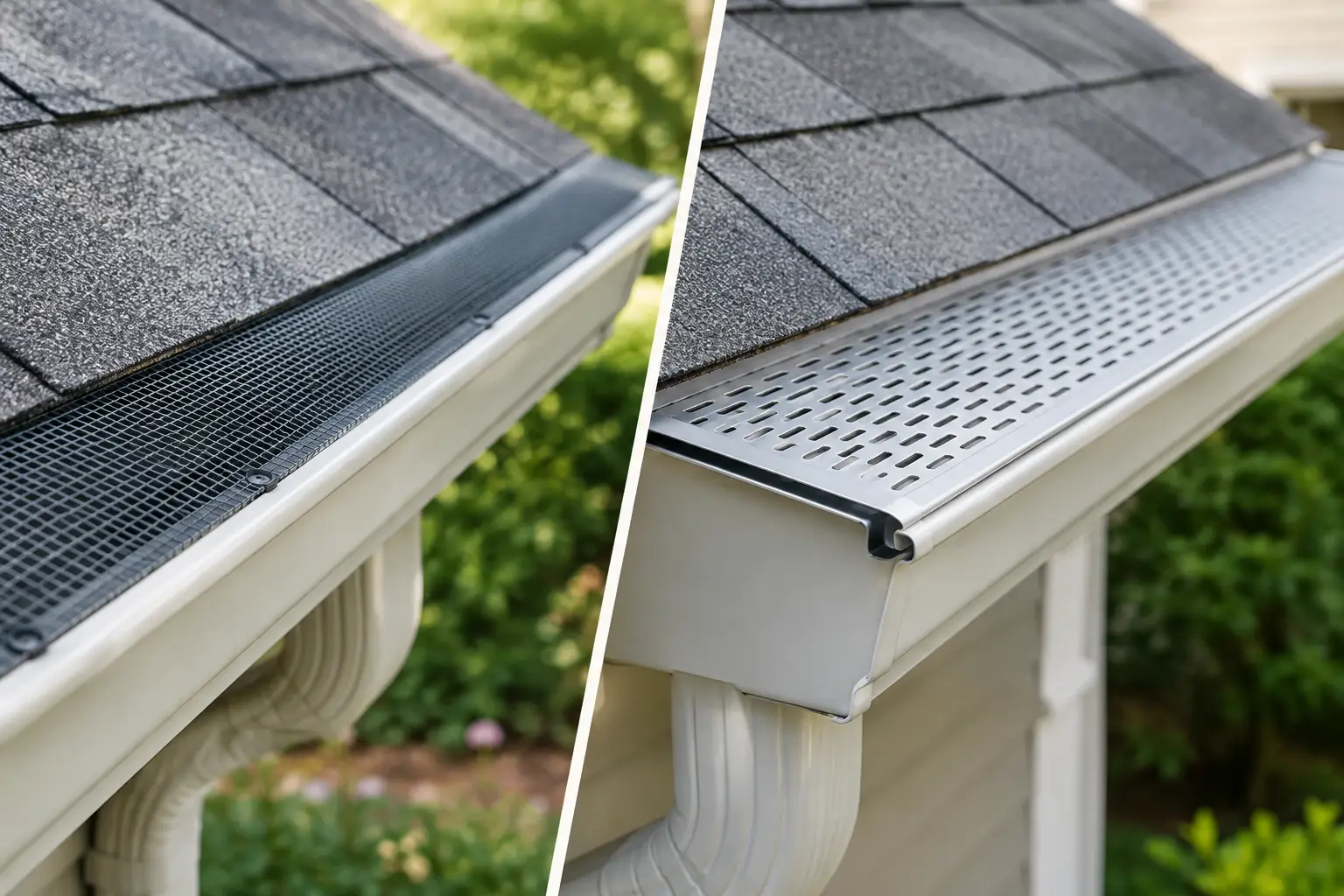
Comparing gutter screens versus guards? Learn which option fits Westchester homes, sheds leaves reliably, and reduces cleaning without trapping debris.
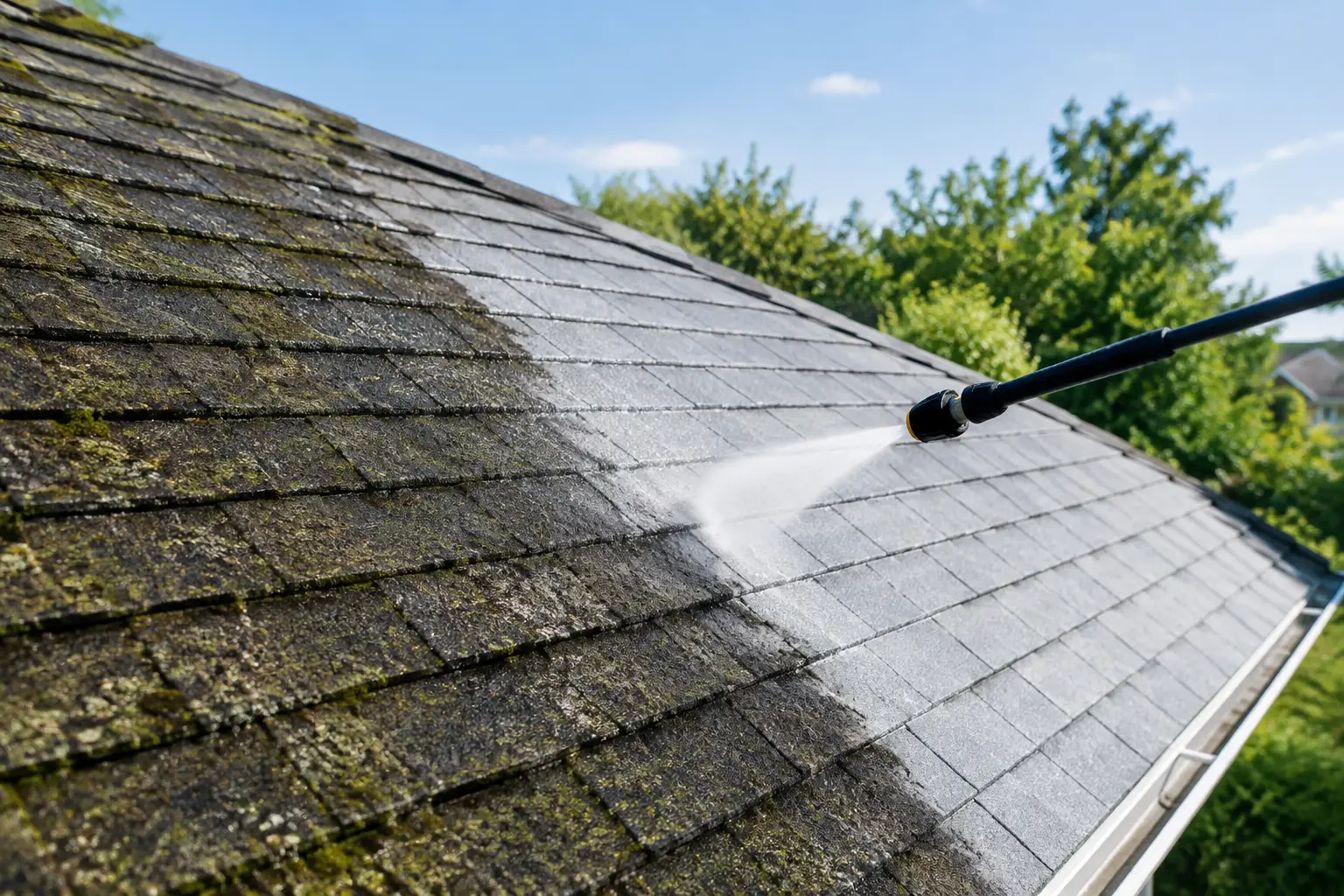
See what real roof cleaning results look like, how long they take, and why safe treatment can protect shingles and help avoid costly replacement bills.
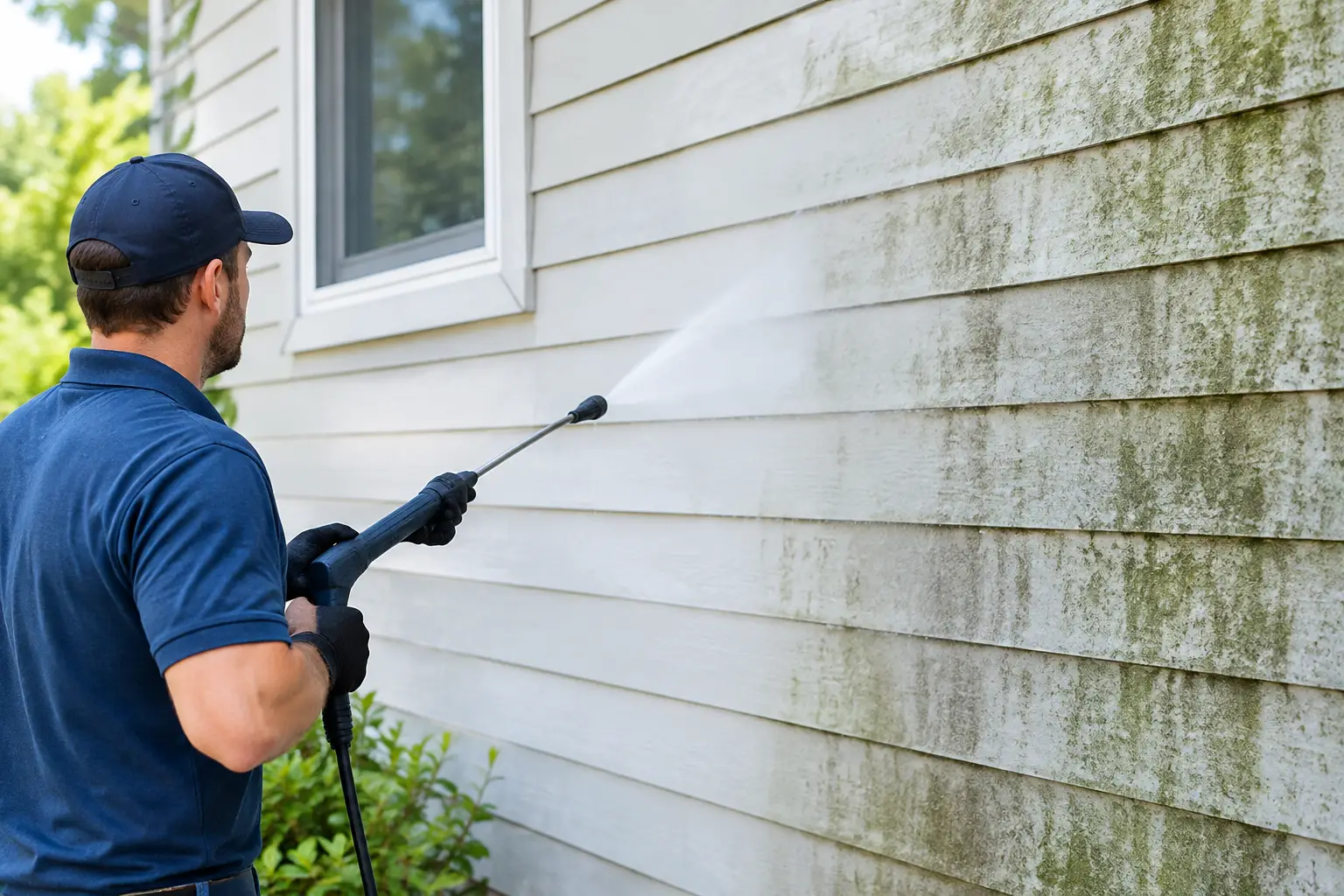
Does soft washing kill mold? Learn how low-pressure cleaning removes exterior growth, when stains suggest damage, and how to protect your home safely.