

A gutter problem rarely starts with water pouring over the edge during a storm. More often, it starts quietly: a few maple seeds in spring, wet leaves in fall, shingle grit collecting near a downspout, or a low branch dropping debris onto the roof. To prevent gutter clogs, homeowners need to manage both the debris in the gutter and the conditions that keep putting it there.
That matters in Southern Westchester, where mature trees, four distinct seasons, and fast-moving rainstorms can put a gutter system under real pressure. A clean-looking gutter can still be one heavy rainfall away from overflow if the downspout is blocked or the channel is holding standing water.
Why Gutter Clogs Cause More Than a Mess
Gutters are designed to move roof runoff safely away from the house. When leaves, twigs, seed pods, moss, and shingle granules block that path, water finds another route. It may spill over the gutter lip, run behind the fascia, soak siding, pool beside the foundation, or splash soil and mulch against exterior surfaces.
Overflow can also affect the roof edge. Constant trapped moisture can contribute to rotted fascia boards, damaged soffits, peeling paint, and deterioration around the gutter hangers. In winter, backed-up water can freeze, adding weight and increasing the risk of ice-related damage.
The expense is not limited to the gutter itself. Water near a foundation can lead to damp basements or crawl spaces, while overflowing gutters can stain masonry, damage landscaping, and accelerate wear on walkways and driveways. Preventive care is usually far less costly than repairing the result of repeated overflow.
Start at the Roof, Not Just the Gutter
A gutter can be cleaned perfectly and still clog quickly if debris keeps landing on the roof. The most effective plan begins with identifying what is feeding the blockage.
Overhanging limbs are one common cause. Branches shed leaves, needles, seed pods, and small sticks directly into the gutter. They can also rub against shingles in wind, wearing the roof surface over time. Pruning back branches that extend over the roof reduces gutter debris while helping protect the shingles.
Organic growth is another contributor. Moss, algae, and lichen can hold moisture on the roof. As moss thickens, pieces can break loose and wash into gutters and downspouts. Dark roof streaks may look like a cosmetic issue, but they can signal algae growth that deserves a closer look. Safe roof washing and appropriate treatment can remove growth without the damage that high-pressure washing may cause to asphalt shingles.
Shingle granules also collect in gutters, especially on aging roofs. A small amount is normal, particularly after installation or a severe storm. Heavy, ongoing granule buildup is different. It can reduce drainage, create a gritty sludge, and indicate that the roof should be professionally assessed rather than simply cleaned again.
Clean on a Schedule That Matches Your Property
There is no single cleaning schedule that fits every home. A property surrounded by oaks, maples, or pine trees may need service more often than a home with open exposure and minimal tree cover.
For many homeowners, cleaning gutters at least twice a year is a practical baseline: once in late spring after seeds and blossoms have dropped, and once in late fall after most leaves are down. Homes with heavy tree cover may need an additional check in early fall or after a major storm.
Do not rely only on the calendar. Watch for signs that the system needs attention: water spilling over during rain, plants growing from the gutter, sagging sections, dark stains beneath the gutter line, or downspouts that release little or no water. These symptoms often mean the obstruction has been developing for a while.
A proper cleaning involves more than scooping out leaves. The gutter channels should be cleared, the downspouts flushed, and the outlets checked for compacted debris. The gutter pitch, seams, hangers, and end caps should also be inspected. If water remains in a section after flushing, the issue may be poor slope or a sagging run rather than a clog alone.
How to Prevent Gutter Clogs With Better Downspout Flow
Most serious gutter backups happen at the downspout opening. Leaves can gather there, then mix with roof grit and break down into a dense, muddy blockage. Clearing the visible gutter trough will not solve the problem if water cannot enter or exit the downspout freely.
A quick test is to run water through the system after cleaning. Water should travel steadily through the downspout and discharge well away from the foundation. If it backs up, trickles out, or spills from the top elbow, the downspout needs to be cleared.
Extensions are equally important. A clean downspout that empties next to the foundation still leaves the house exposed to excess moisture. The correct distance depends on grading and drainage conditions, but runoff should be directed away from the home, not toward a low spot beside it.
If a downspout repeatedly clogs, look at its design. Tight elbows, undersized sections, and poorly placed connections can trap debris. In some cases, a larger downspout or a revised outlet location is a more reliable fix than repeated cleaning.
Are Gutter Guards Worth It?
Gutter guards can reduce routine debris buildup, but they are not a promise that gutters will never need attention again. The right choice depends on the roofline, nearby trees, gutter condition, and the type of debris your property receives.
Fine mesh guards are often effective against leaves and larger debris, but pollen, roof grit, and small organic particles can still settle on top or enter the system. Some guard styles may allow wet leaves to mat over the openings, especially beneath large deciduous trees. A guard also cannot correct an improperly pitched gutter, loose hanger, damaged downspout, or drainage problem at ground level.
Quality installation matters as much as the product. Guards should fit securely without interfering with shingle edges, roof drainage, or future maintenance. They should be selected for the home rather than treated as a one-size-fits-all upgrade.
For many homes, guards make sense because they reduce the frequency and intensity of cleaning. For homes with pine needles, heavy seed drop, or aging gutters, a professional assessment can determine whether guards are the best investment or whether repairs and seasonal service should come first.
Keep the Gutter System in Good Repair
Clogs put extra weight on gutters, especially after rain. When gutters begin to pull away from the fascia, water can miss the channel entirely and run behind it. Loose spikes, bent hangers, separated seams, and rusted sections should be repaired before the next heavy storm.
Look closely at the fascia board behind the gutter as well. Soft wood, peeling paint, or dark staining may point to ongoing moisture exposure. Fixing the gutter without addressing damaged wood can leave the system unstable and allow the problem to return.
It is also worth checking for standing water after a dry day. Gutters should drain toward their downspouts. Small puddles can collect debris, breed mosquitoes, and add unnecessary weight. Correcting pitch is a practical repair that helps every future cleaning work better.
Put Safety Before a DIY Cleanup
Gutter cleaning involves ladders, wet surfaces, overhead power lines, and awkward reaches. Many homeowners can safely perform a basic ground-level inspection, but climbing to clean a second-story roofline or working near a steep roof is a different level of risk.
If you choose to clean accessible gutters yourself, use a stable ladder on firm ground, have another person nearby, and avoid leaning far to either side. Never work during rain, wind, or icy conditions. Do not use a pressure washer on asphalt shingles or force high-pressure water into roof edges, where it can damage materials or drive water where it does not belong.
Professional service is especially worthwhile when gutters are high, heavily compacted, sagging, or connected to a roof with visible moss, algae staining, or shingle wear. A trained exterior-maintenance team can clear the system, identify damage, and document concerns before they become a larger repair.
A Practical Seasonal Routine
The best approach is simple: check the roof and gutter system before problems are visible from the ground. In spring, remove seed debris, inspect downspouts, and look for damage from winter weather. In fall, clear leaves before freezing temperatures arrive and make sure discharge points are open.
After severe storms, walk around the home and look for overflow marks, fallen branches, loose gutters, and washout near downspout exits. These quick checks make it easier to catch a small drainage issue before it affects the roof, siding, or foundation.
At Roof Rescue Southern Westchester, we believe preventive exterior care should give homeowners clear answers, not pressure. A well-maintained gutter system protects the rest of the home quietly, storm after storm. If you are unsure whether you are dealing with a simple clog, a drainage design issue, or early roof-edge damage, a professional inspection can help you make the right repair before water makes the decision for you.
continue reading
Related Posts
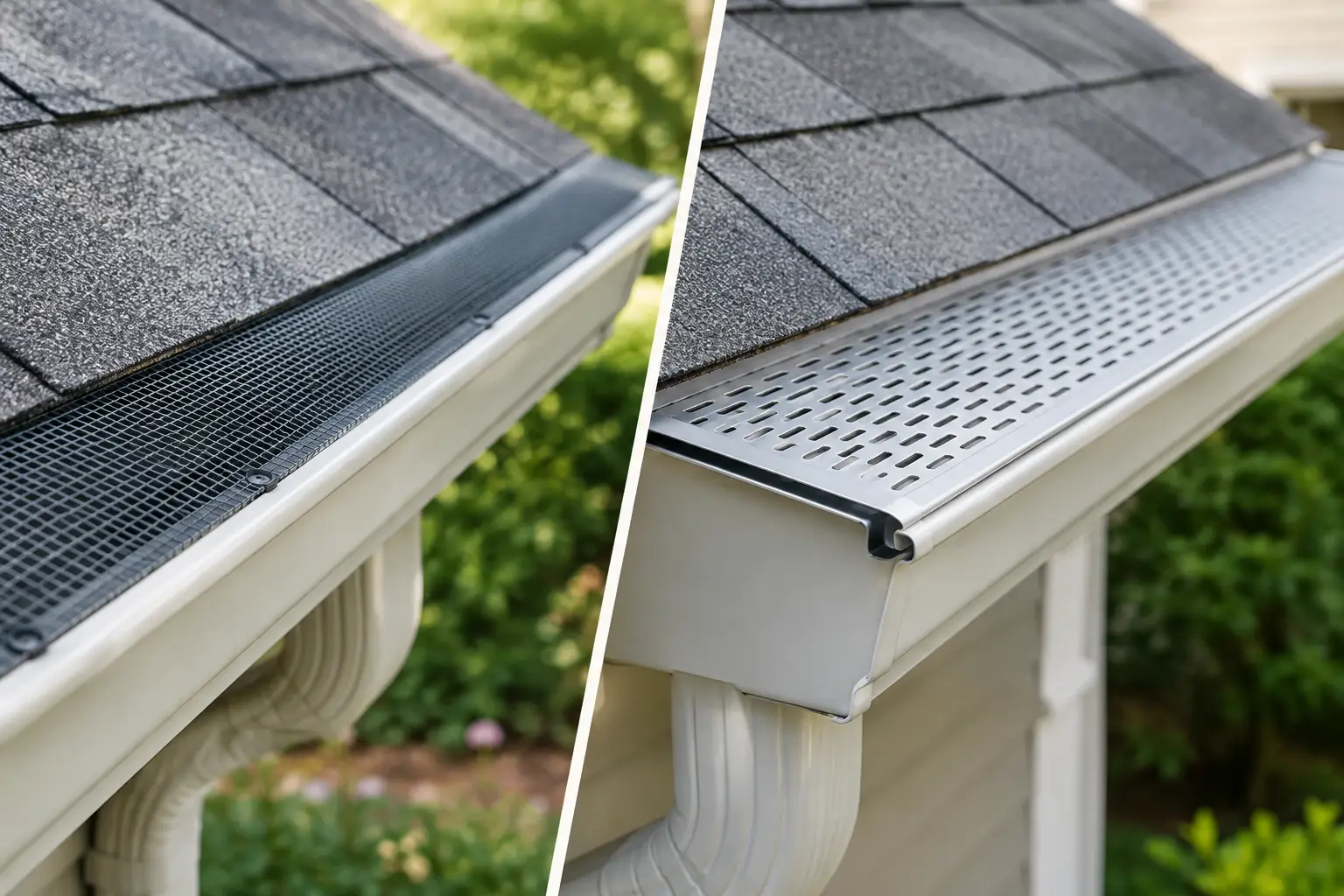
Comparing gutter screens versus guards? Learn which option fits Westchester homes, sheds leaves reliably, and reduces cleaning without trapping debris.
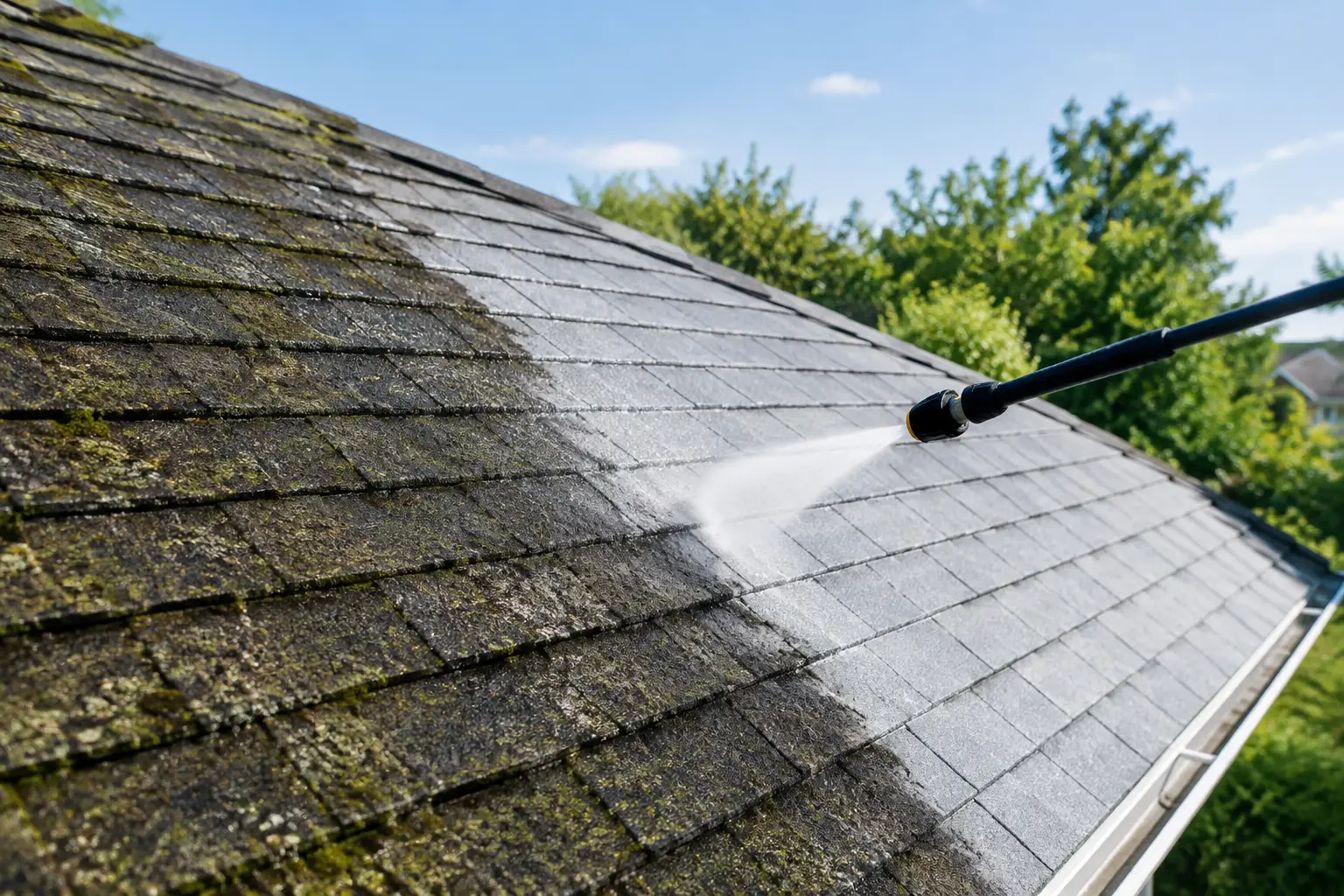
See what real roof cleaning results look like, how long they take, and why safe treatment can protect shingles and help avoid costly replacement bills.

Does soft washing kill mold? Learn how low-pressure cleaning removes exterior growth, when stains suggest damage, and how to protect your home safely.