A roof rarely fails all at once. More often, the warning signs appear slowly: dark streaks spreading beneath a dormer, moss lifting shingle edges, gutters overflowing onto the roofline, or brittle-looking shingles on the sunniest side of the house. The most useful shingle care trends are not flashy upgrades. They are practical changes in how homeowners identify those early signs, clean roofs safely, and preserve shingles before replacement becomes the only option.
For homeowners in Southern Westchester, that shift matters. Asphalt-shingle roofs face humid summers, leaf-heavy fall seasons, freeze-thaw cycles, and shaded conditions that encourage algae and moss. Maintenance cannot make a roof structurally sound if it has reached the end of its life, but the right work at the right time can help a serviceable roof stay serviceable longer.
1. Safer Roof Cleaning Is Replacing Aggressive Washing
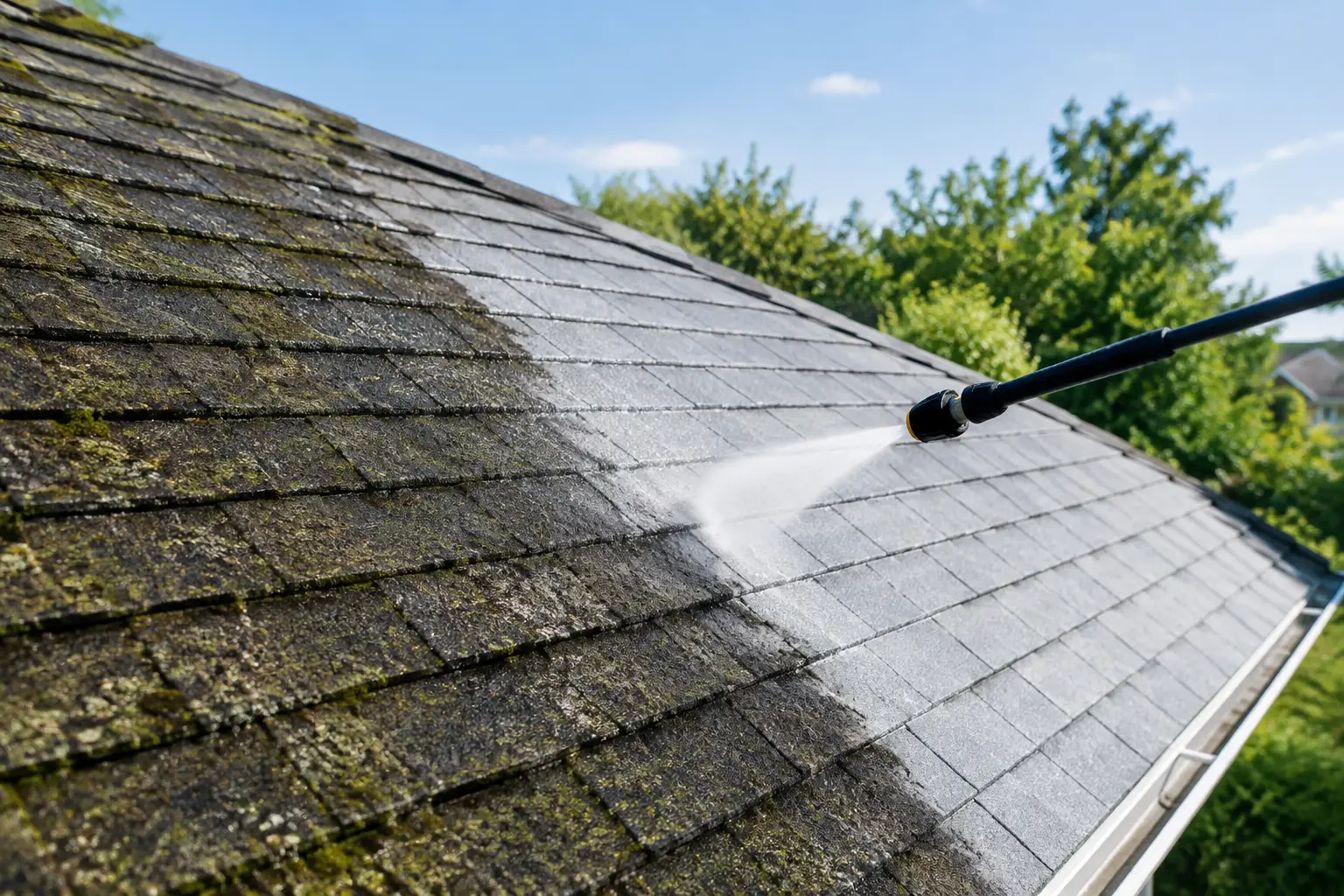
One of the clearest shingle care trends is a move away from high-pressure roof washing. A roof may look tough from the ground, but asphalt shingles depend on embedded mineral granules and a carefully layered surface. Direct high pressure can loosen granules, damage shingle edges, force water beneath the roofing system, and shorten the life of a roof that only needed cleaning.
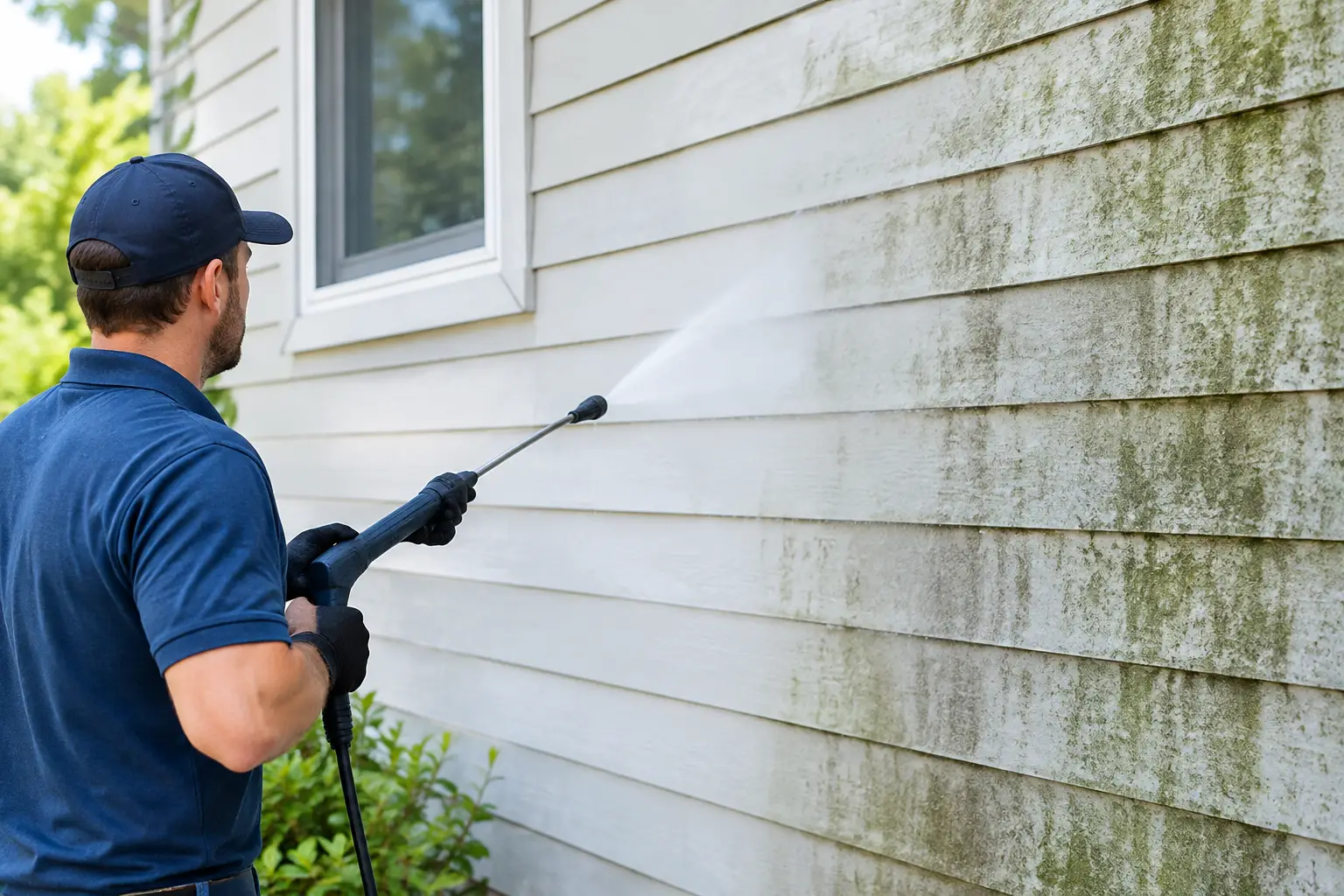
The better approach is low-pressure soft washing with roof-appropriate solutions. This process is designed to treat organic staining rather than blast it away. Black streaks are commonly caused by algae, while green growth may be moss or lichen. Each holds moisture differently, and each should be addressed carefully to protect the shingle surface.
A professional cleaning should also account for landscaping. Nearby shrubs, lawn areas, and plant beds need to be wetted, protected, and rinsed throughout the work. A clean roof is not a good result if surrounding plants are harmed in the process.
There is a trade-off worth understanding. Moss may not disappear instantly after treatment because it needs time to release from the shingles naturally. That is preferable to scraping or forcefully removing it, which can pull up granules and damage the roof. The goal is not a rushed cosmetic result. It is safe removal of the condition causing the problem.
2. Preservation Treatments Are Getting More Attention
Homeowners have long understood the value of cleaning gutters and washing siding. Now, more are asking whether an aging asphalt-shingle roof can be maintained rather than replaced immediately. That question has helped drive interest in plant-based shingle preservation treatments.
Over time, sun exposure, weather, and normal aging can leave asphalt shingles drier and less flexible. As the oils that help shingles remain pliable diminish, shingles may become more prone to cracking, curling, and granular loss. A roof preservation treatment is intended to replenish lost oils and support flexibility in qualifying shingles.
This is not a cure-all, and a trustworthy contractor should say so. Preservation is best suited to roofs that are aging but still structurally sound. It cannot correct active leaks caused by failed flashing, rotted decking, missing shingles, severe hail damage, or widespread shingle failure. A careful inspection comes first.
For a qualifying roof, a USDA Certified Biobased treatment can be a practical alternative to premature replacement. Homeowners often find that preservation costs at least 80% less than installing a new roof, making it an option worth evaluating before committing to a major capital expense. The value is not simply in spending less now. It is in making a clear, informed decision based on the roof’s actual condition.
3. Roof Diagnostics Are Becoming More Visual and Transparent
The days of accepting a vague recommendation to “replace it soon” should be over. Another important trend is documentation-based roof assessment. Homeowners want to see what a contractor sees, whether that is algae staining, exposed fasteners, lifted shingles, cracked pipe boots, blocked valleys, or granule accumulation in gutters.
Photos make conversations clearer and help separate cosmetic concerns from functional risks. For example, dark algae streaks can make a roof look older than it is, but they do not automatically mean the roof needs replacement. On the other hand, a small flashing issue near a chimney may look minor while creating a direct route for water intrusion.
A useful assessment explains both what is present and what should happen next. Sometimes the answer is cleaning. Sometimes it is preservation after cleaning. Sometimes a roofer should be called for repair or replacement. The right recommendation depends on the evidence, not on forcing every roof into the same service.
4. Gutter Care Is Being Treated as Roof Care
Gutters are often viewed as a separate chore, but they are a critical part of the roof’s drainage system. When gutters clog with leaves, seed pods, roof granules, and debris, water can back up along the roof edge. During cold weather, that added moisture can contribute to ice-related problems. In any season, overflow can stain siding, damage fascia boards, erode landscaping, and create wet areas near the foundation.
In tree-lined neighborhoods around New Rochelle, Scarsdale, Rye, and nearby communities, seasonal gutter maintenance is especially important. A single heavy leaf drop can undo months of normal drainage. Homes with mature trees may benefit from more than one cleaning per year, while homes with minimal tree cover may need less frequent service.
Gutter guards can reduce the amount of debris entering the system, but they are not maintenance-free. The right guard depends on the gutter profile, roof pitch, tree coverage, and the kinds of debris common around the property. A guard that works well against large leaves may still require attention where pine needles, helicopter seeds, or roof grit are common. Honest advice should account for those details.
5. Homeowners Are Choosing Preventive Maintenance Over Crisis Calls
The most valuable trend is also the simplest: more homeowners are scheduling exterior upkeep before visible damage becomes urgent. That may mean a spring inspection after winter, a roof and gutter check before fall, or a cleaning plan that addresses algae before it spreads across large sections of the roof.
Preventive service gives homeowners more choices. When a roof is inspected early, a technician can identify conditions that may be manageable with cleaning, preservation, minor repairs, or better drainage. When the first call happens after water reaches a ceiling, the available options may be narrower and more expensive.
This approach also protects curb appeal. Algae streaks, moss, overflowing gutters, and stained walkways can make an otherwise well-maintained home appear neglected. Coordinating roof care with gutter cleaning, soft washing, and driveway or paver sealing can help preserve the entire exterior without treating every task as an emergency.
How to Decide What Your Roof Needs
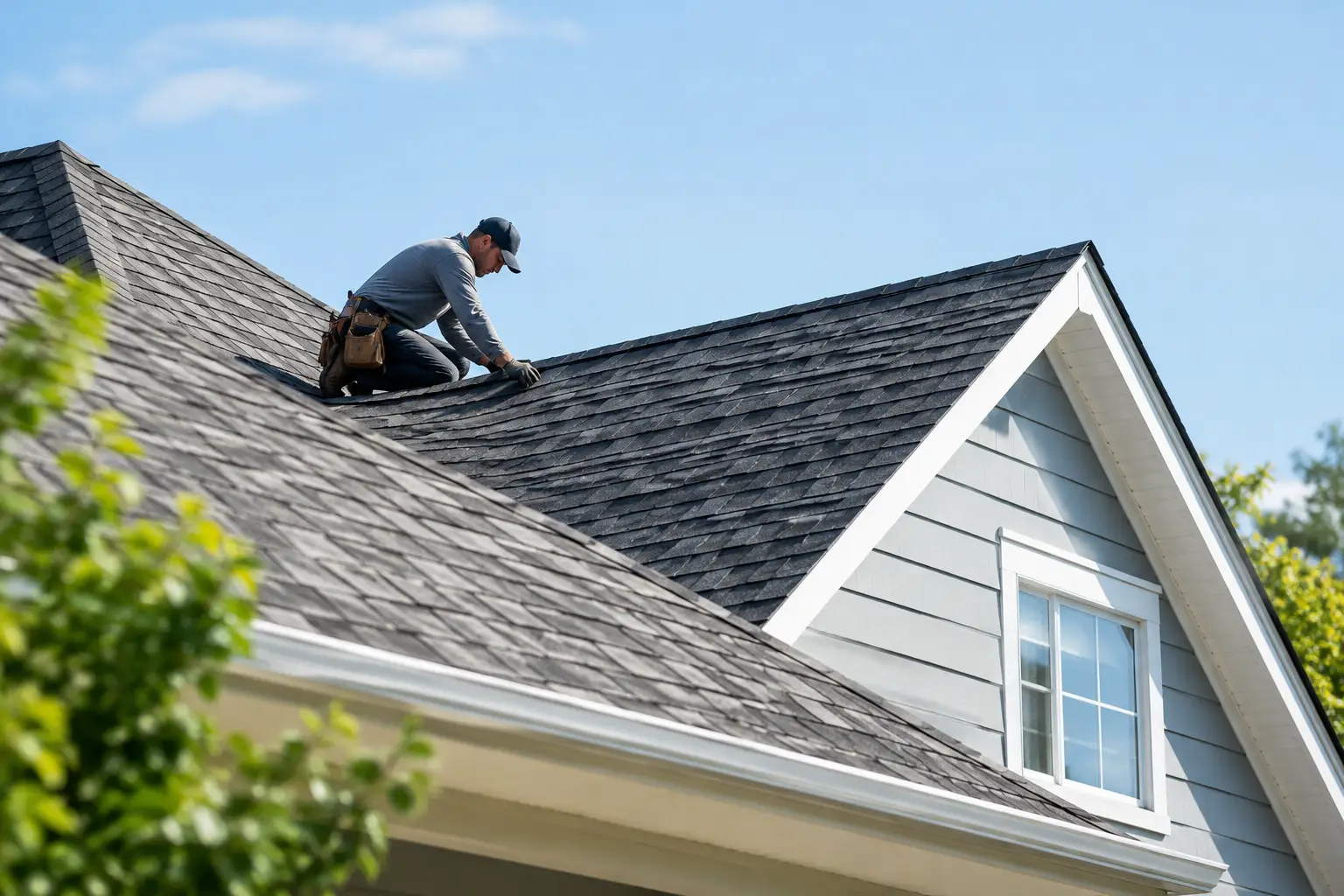
Start with an assessment rather than a predetermined solution. From the ground, look for black streaking, visible moss, curled shingle edges, missing tabs, sagging areas, and granules collecting near downspouts. Inside the attic, watch for staining, damp insulation, or signs of daylight. Do not walk on the roof to investigate. Shingles can be slippery, fragile, and easily damaged, especially when wet or aged.
Then consider the roof’s age and history. A 10-year-old roof with algae staining may be a strong cleaning candidate. A 20-year-old roof with dry but intact shingles may warrant a conversation about preservation. A roof with repeated leaks, widespread cracking, or soft decking needs a roofing professional’s evaluation before any cleaning or treatment is considered.
At Roof Rescue Southern Westchester, the standard should be straightforward: inspect carefully, document what is found, protect the property, and recommend only the work that makes sense for the home. A free roof assessment can give you the facts needed to plan ahead, without pressure to replace a roof that may still have useful life left.
Your roof does not need attention only when it leaks. A timely inspection, safe cleaning, and practical preservation plan can help protect one of your home’s largest investments while the choices are still yours.
continue reading
Related Posts
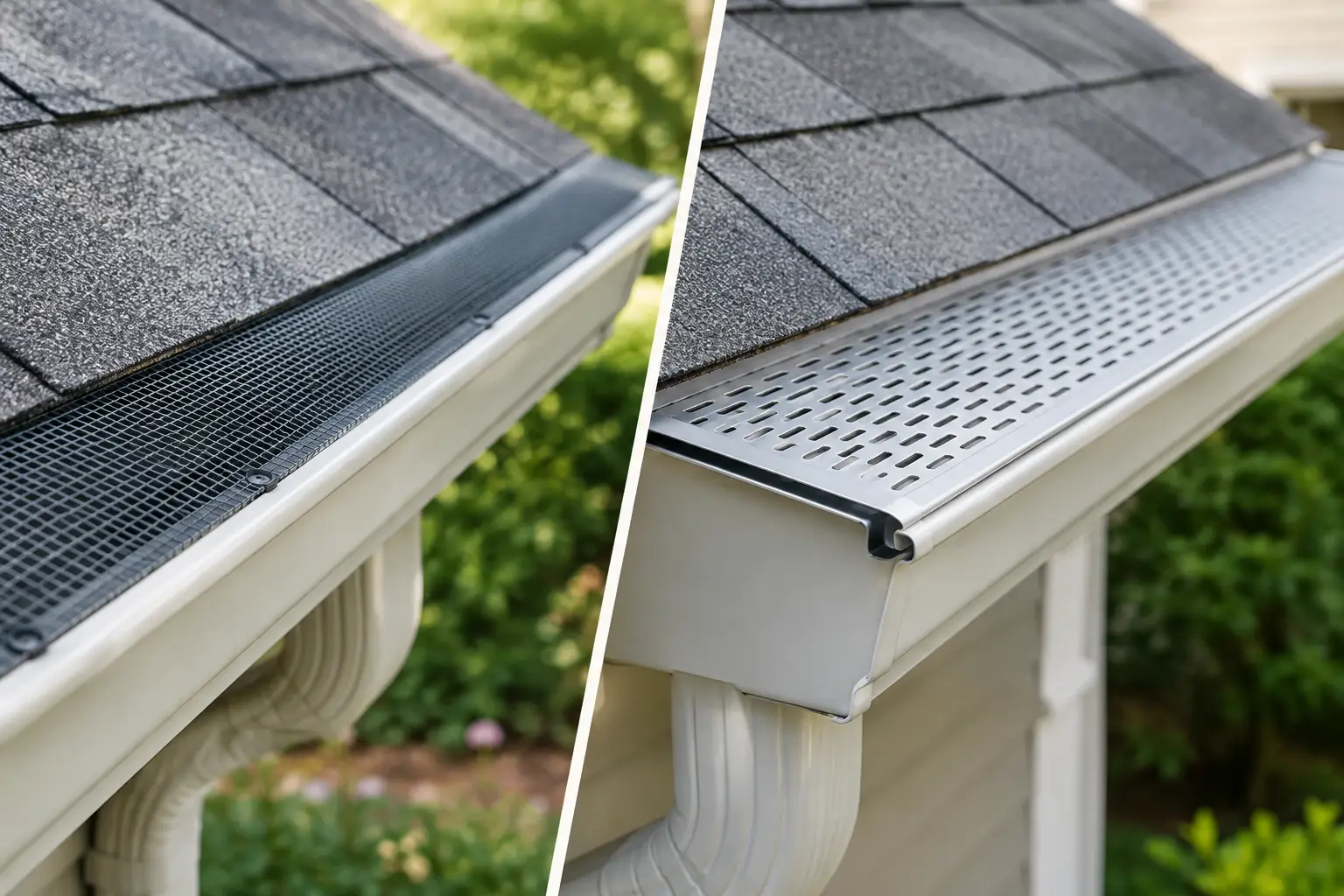
Comparing gutter screens versus guards? Learn which option fits Westchester homes, sheds leaves reliably, and reduces cleaning without trapping debris.
See what real roof cleaning results look like, how long they take, and why safe treatment can protect shingles and help avoid costly replacement bills.
Does soft washing kill mold? Learn how low-pressure cleaning removes exterior growth, when stains suggest damage, and how to protect your home safely.