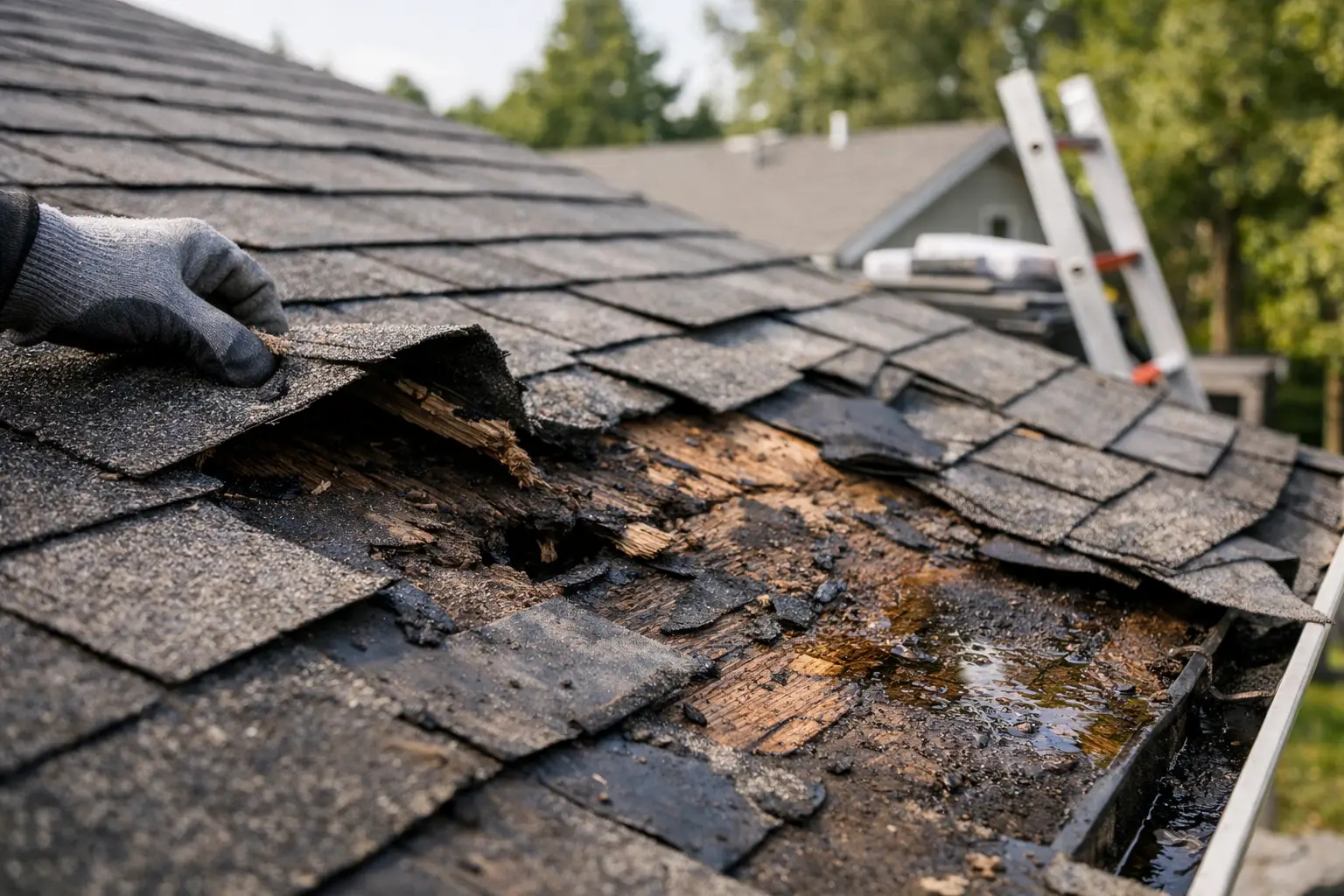
A dark streak across the roof, a few granules in the gutter, or a shingle that looks slightly curled can make any homeowner wonder how to tell roof needs replacement. The answer is rarely one isolated symptom. A roof should be judged by its overall condition: the shingles, flashing, roof deck, drainage, ventilation, and whether water is getting where it does not belong.
For many Southern Westchester homeowners, the most expensive mistake is waiting too long to address real damage. The second-most expensive is replacing an asphalt-shingle roof that could have been cleaned, repaired, or preserved. A careful assessment helps separate cosmetic staining from material failure so you can spend wisely and protect your home.
Start With the Roof’s Age, But Do Not Stop There
Most asphalt-shingle roofs are designed to last roughly 20 to 30 years, depending on shingle quality, installation, sun exposure, ventilation, storm exposure, and maintenance. Age is useful context, but it is not a replacement order. A well-maintained 18-year-old roof may have useful life remaining, while a poorly ventilated 12-year-old roof can show serious deterioration.
If you know when the roof was installed, keep that date with your home records. If you do not, look for permits, prior inspection reports, or invoices from the previous owner. Then compare the roof’s age with its actual condition. A professional should be able to document what they see with photos and explain whether the issue calls for maintenance, targeted repair, preservation treatment, or replacement.
How to Tell a Roof Needs Replacement: The Major Signs
A roof generally needs replacement when its protective system is failing across broad areas, not simply because it looks weathered from the street. The warning signs below deserve prompt attention, especially when more than one is present.
Widespread curling, cracking, or missing shingles
Shingles that curl at the edges, cup upward, crack through the surface, or repeatedly blow off are losing their ability to shed water. One damaged shingle may be repairable. Damage scattered across multiple roof slopes usually indicates aging materials, heat stress, wind exposure, or a broader installation problem.
Pay particular attention to shingles that feel brittle or show exposed fiberglass matting. Once the shingle surface has broken down, cleaning alone cannot restore it. At that point, a roofer should determine whether repairs are still practical or whether replacement is the safer choice.
Heavy granule loss and bald spots
Asphalt shingles are coated with mineral granules that protect them from ultraviolet light and help manage weather exposure. Some granules in gutters are normal, especially after a new roof is installed or after a major storm. What is not normal is a large, ongoing accumulation of granules combined with bare-looking patches on the shingles.
Bald spots, inconsistent color, and exposed asphalt are signs that the roof is losing its protective layer. If granule loss is isolated, a repair may be possible. If it appears across the roof, the shingles may be nearing the end of their service life.
Water stains, leaks, or soft spots indoors
A brown ceiling stain, damp attic insulation, peeling paint near a roofline, or a musty smell after rain should never be ignored. Water does not always enter directly above the stain, either. It can travel along framing before appearing inside your living space.
Look in the attic during daylight hours and after a hard rain if it is safe to do so. Signs such as wet wood, mold growth, rusted nail tips, or visible daylight around roof penetrations point to a problem that needs professional evaluation. A leak may come from a failed flashing detail, plumbing vent, chimney, or skylight rather than the entire roof. That distinction matters because a focused repair can sometimes prevent a premature replacement.
Sagging roof lines or a soft roof deck
A roof line should look straight and consistent. Sagging, dipping, or visibly uneven areas can signal moisture damage to the roof deck or structural framing. This is more serious than surface staining or a handful of worn shingles, and it should be assessed promptly.
Do not walk on a roof to test a suspected soft area. It is unsafe and can cause more damage. From the ground, look along the ridge and roof planes from several angles. Inside the attic, a qualified professional can inspect the deck and framing without putting you at unnecessary risk.
Repeated repairs in multiple areas
A roof repair is often the right decision. Flashing can fail, a branch can damage a small section, and a few shingles can be replaced after a storm. But when leaks, missing shingles, and repairs keep appearing in different parts of the roof, the system may no longer be dependable.
Consider the pattern, not just the latest invoice. If repairs are becoming frequent and the roof is already older, replacement may provide better long-term value than continuing to patch declining materials.
Signs That Look Serious but May Not Mean Replacement
Black streaks, green moss, and lichen growth can make a roof look old long before it has actually failed. In Westchester’s humid seasons, algae and moisture-loving growth often take hold on shaded slopes, under overhanging trees, and where gutters hold water against the roof edge.
These contaminants are not merely cosmetic. Moss can retain moisture, lift shingle edges, and shorten shingle life when left untreated. Still, organic growth is different from widespread shingle failure. A proper soft-wash process can remove harmful growth without the abrasive damage caused by pressure washing a roof.
Faded shingles can also be misleading. Sun exposure changes color over time, but fading alone does not prove that the roof is leaking or ready for replacement. The question is whether the shingles remain intact, flexible enough to function, and properly adhered.
For eligible asphalt-shingle roofs, plant-based shingle preservation can help replenish lost oils and improve flexibility after the roof has been properly cleaned. It is not a cure for missing shingles, failed flashing, active leaks, or a compromised deck. Used at the right time, however, preservation can extend useful service life at a fraction of replacement cost.
Check the Areas That Cause Hidden Roof Damage
The roof itself gets most of the attention, but drainage and ventilation often determine how quickly it ages. Clogged gutters allow water to back up along the eaves, saturate fascia boards, and contribute to ice-related damage in winter. Overflowing gutters can also send water into the foundation area and stain exterior surfaces.
Look for gutters pulling away from the house, water spilling over the sides during rain, vegetation growing from the troughs, or stains beneath the gutter line. Regular gutter cleaning and properly installed guards can reduce the conditions that accelerate roof-edge deterioration.
Ventilation matters, too. Excess attic heat can bake shingles from below, while trapped moisture can damage decking and insulation. In winter, uneven snow melt or recurring ice dams may point to air leaks, inadequate insulation, or ventilation issues. Replacing shingles without correcting the underlying cause can lead to another shortened roof lifespan.
When to Call for a Professional Assessment
A ground-level check is useful, but homeowners should avoid climbing onto a roof. Slopes can be slippery even when they look dry, and brittle shingles can crack under foot traffic. A trained exterior professional can inspect accessible areas safely, identify visible concerns, and explain what deserves roofing contractor attention.
Request an assessment when you see a new leak, storm damage, missing shingles, extensive moss, heavy granule loss, or a roof that is approaching the end of its expected lifespan. It is also wise to schedule an inspection before listing a home, after a major wind event, or before committing to a full replacement quote.
Ask for clear documentation. You should be shown photos of the issue, told whether the condition is urgent, and given an honest explanation of your options. A trustworthy recommendation may be cleaning and preservation, a limited repair, monitoring the roof for another season, or replacement. The right answer depends on the evidence, not a sales target.
Make the Decision Based on Condition and Value
Replacement is the right call when the roof can no longer reliably protect the home. It is not the only answer to stains, moss, age, or a few isolated defects. Maintenance is most valuable before a roof reaches failure, when cleaning can remove damaging growth, gutters can restore proper drainage, and preservation can help eligible shingles remain serviceable longer.
If you are unsure what you are seeing, Roof Rescue Southern Westchester can provide a clear, no-pressure roof assessment with practical next steps. Schedule your free roof assessment before a small, manageable condition becomes an avoidable expense.
continue reading
Related Posts
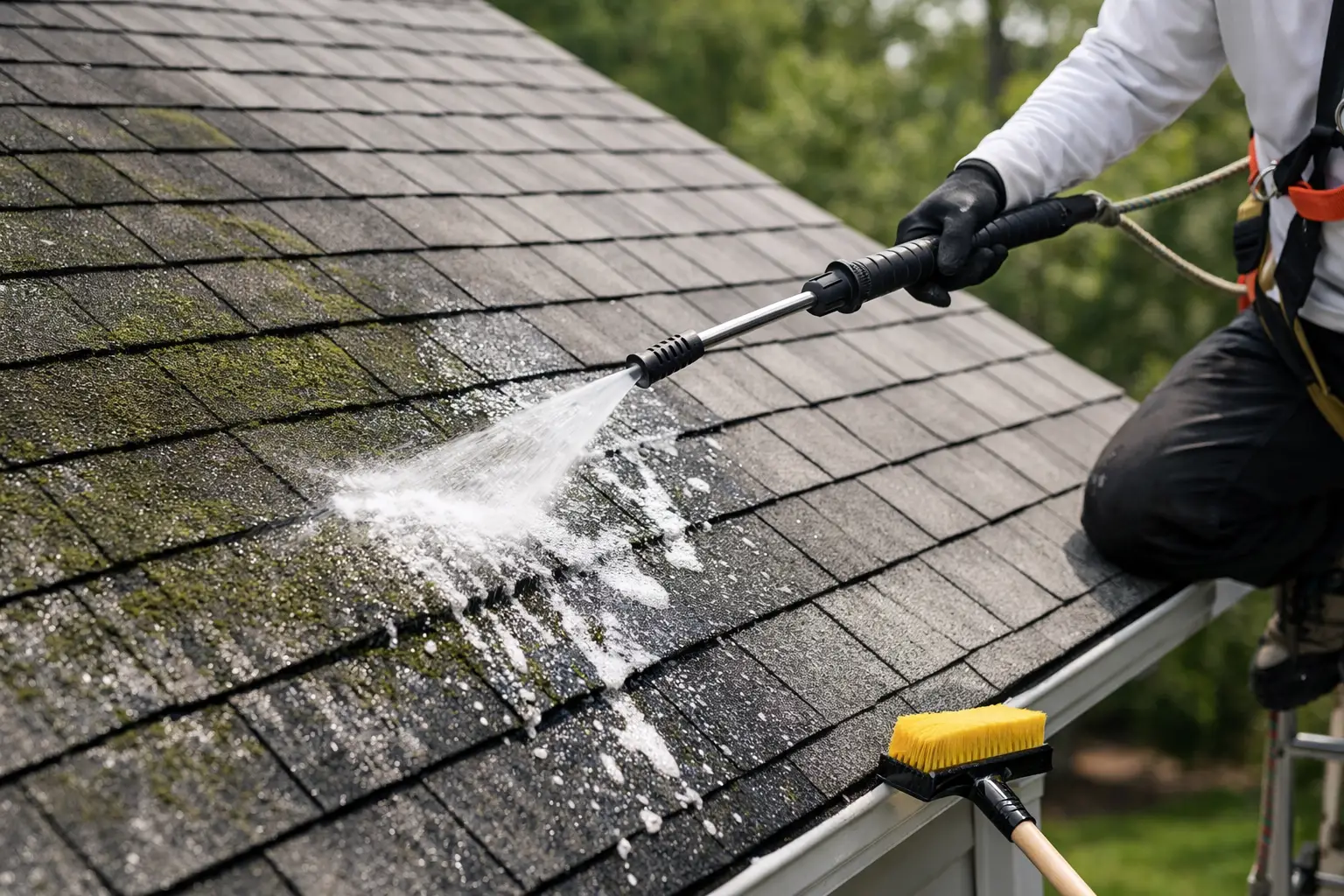
Learn how to remove algae from shingles safely, protect asphalt roofs, and avoid premature replacement with practical homeowner guidance in Westchester.
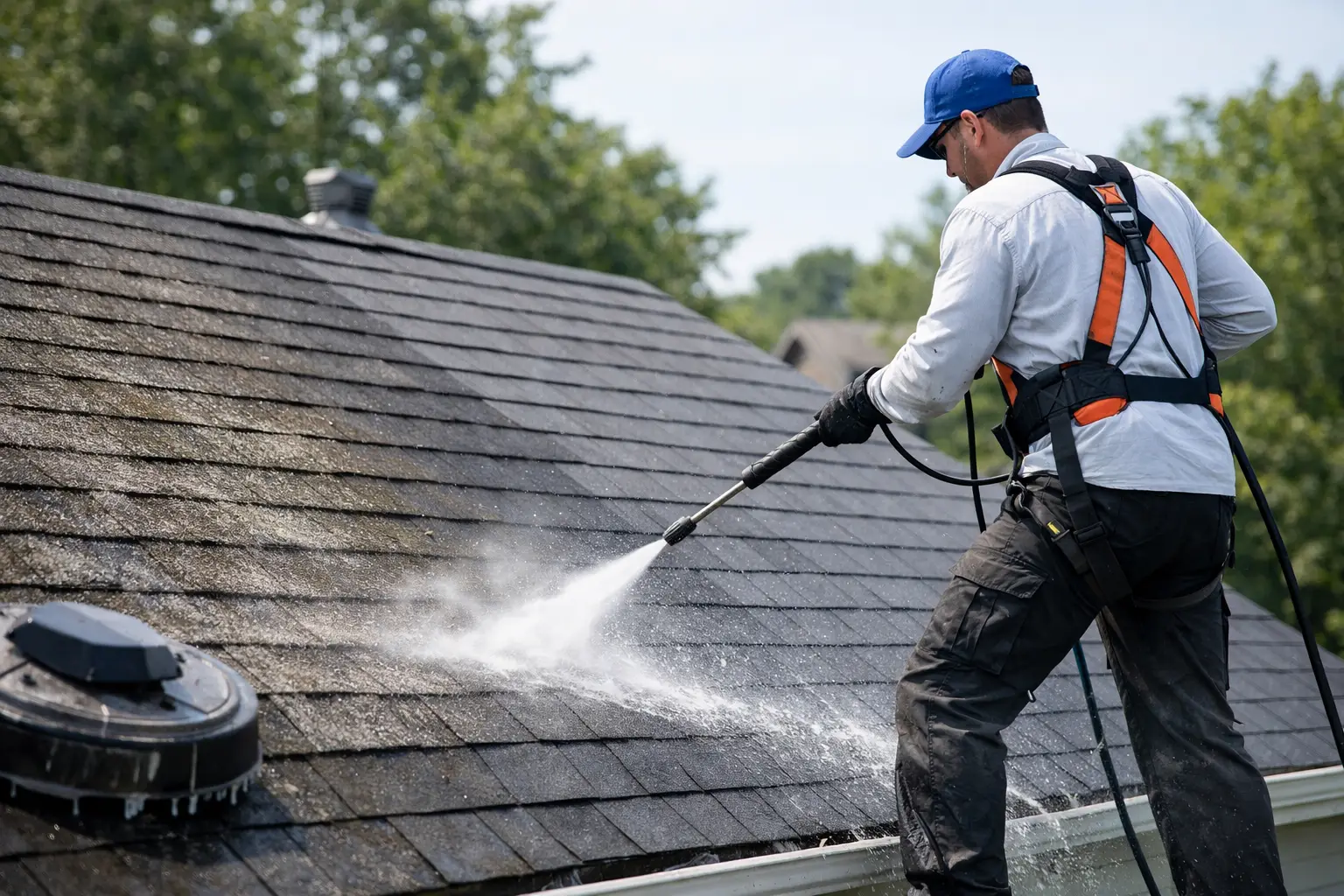
Roof cleaning removes algae, moss, and debris safely, helping Southern Westchester homeowners protect shingles, curb appeal, and roof life for years.
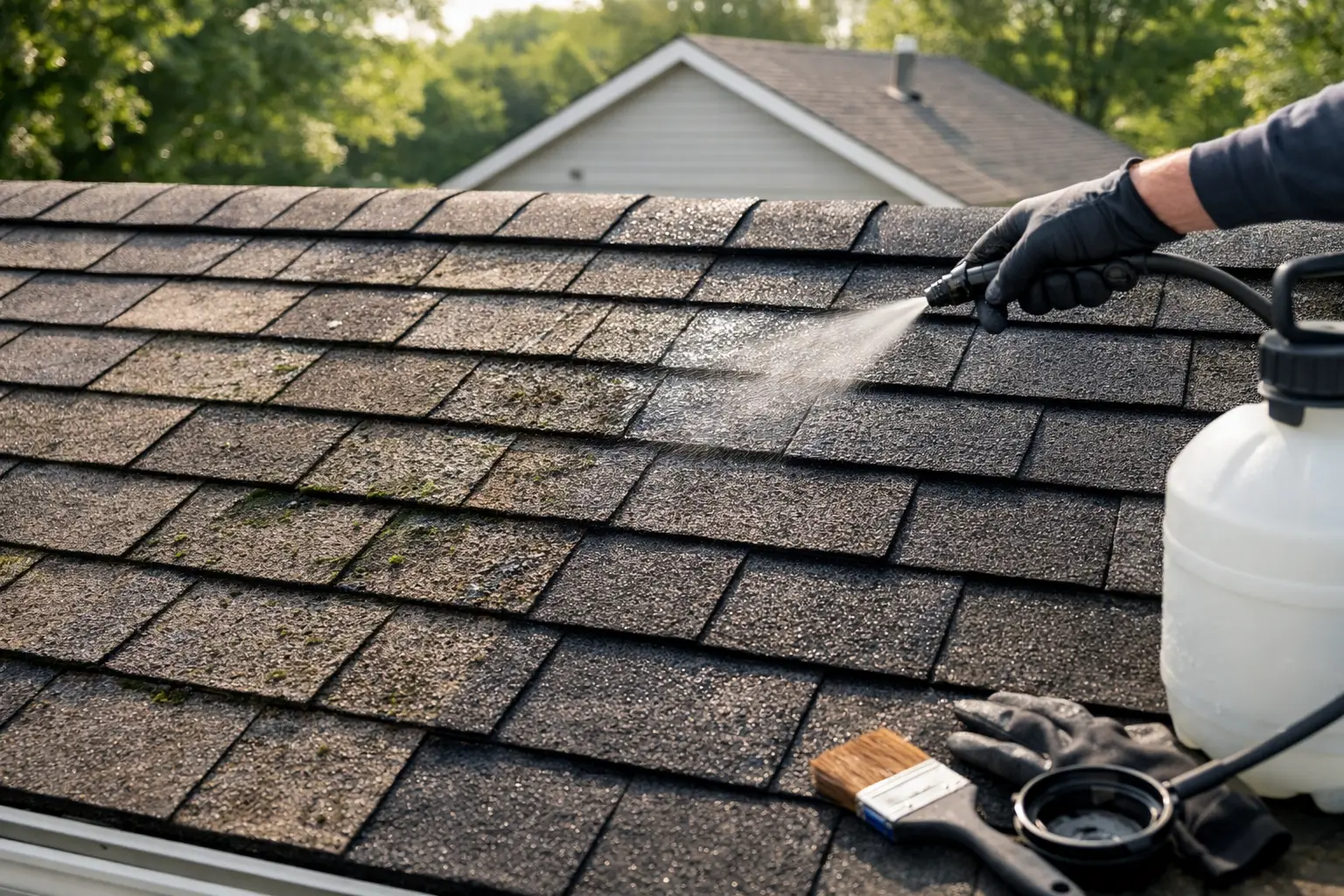
Learn how shingle preservation products can restore flexibility, slow roof aging, and help Westchester homeowners avoid premature replacement costs today.