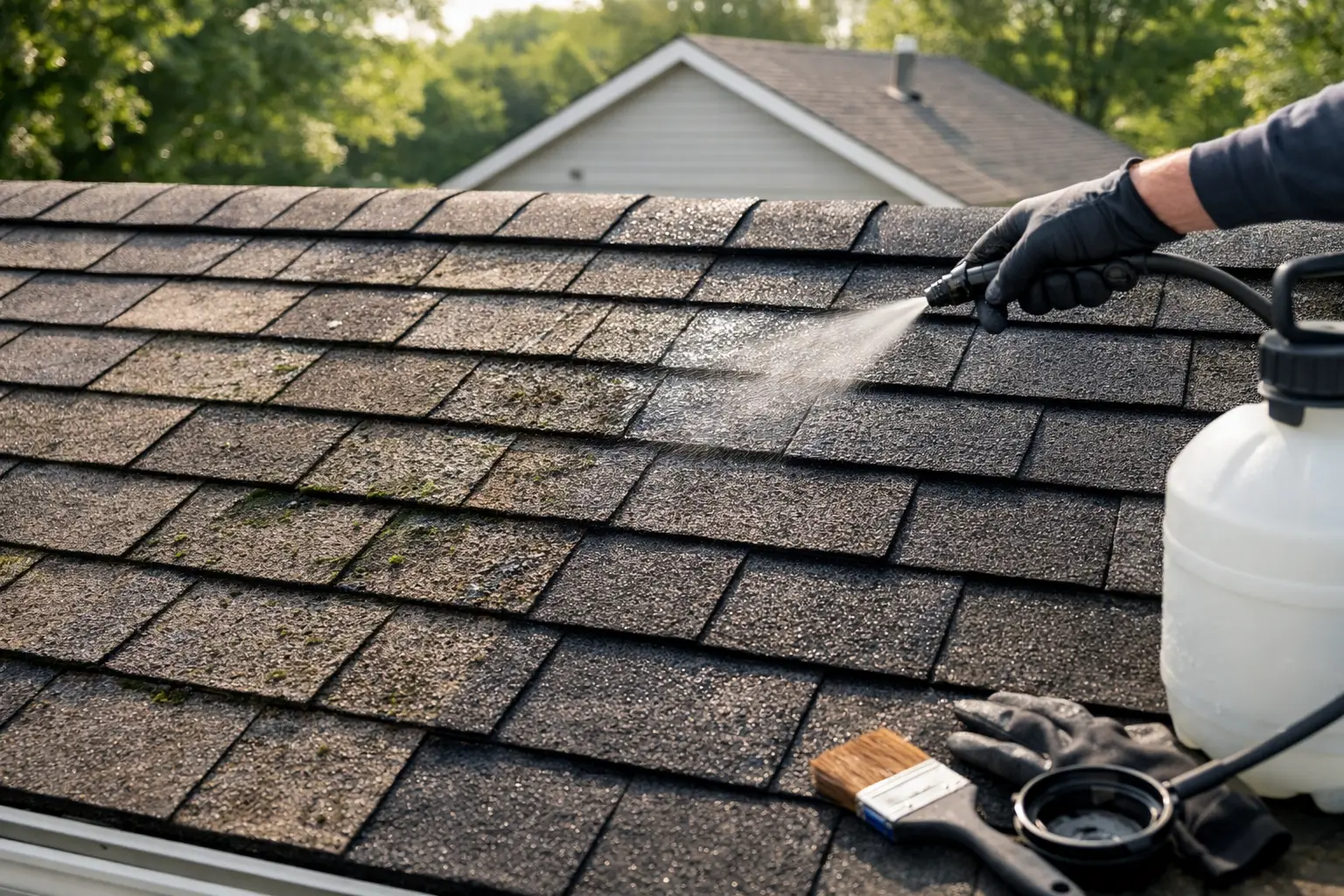
Black streaks, moss along the lower roofline, and shingles that look dry or faded can make a home appear older than it is. More importantly, they can signal that an asphalt-shingle roof is being exposed to conditions that shorten its useful life. The right shingle preservation products can help address that aging process before a homeowner is pushed into an expensive replacement decision.
For many homes in Southern Westchester, a roof does not fail all at once. It gradually loses protective oils, dries under ultraviolet exposure, collects moisture-holding organic growth, and becomes less flexible through seasonal heat and freeze-thaw cycles. Preservation is not a shortcut for a roof that has reached the end of its life. When the roof is still structurally sound, however, professional cleaning and a properly selected treatment can be a practical way to protect the investment already overhead.
What Shingle Preservation Products Are Designed to Do
Asphalt shingles are made with more than just visible granules. They contain asphalt-based components and oils that help the shingle remain flexible and shed water. Over years of sun, wind, rain, and temperature changes, those oils can diminish. Shingles may begin to look brittle, curl at the edges, or show accelerated granule loss.
Shingle preservation products are formulated to replenish some of that lost flexibility and help slow further deterioration. The goal is not to make an old roof brand new or cover up damage. The goal is to preserve a qualifying roof that still has useful life left.
At Roof Rescue Southern Westchester, this approach includes a USDA Certified Biobased, plant-based shingle rejuvenation treatment. Applied correctly after the roof is evaluated and cleaned as needed, it is intended to penetrate the shingle surface and support flexibility. For a homeowner weighing preservation against a full replacement, the cost difference can be substantial. A treatment may cost at least 80% less than replacing a roof, depending on roof size, condition, access, and the work required.
Cleaning Comes Before Preservation
A preservation treatment should not be applied blindly over algae, moss, lichen, or built-up debris. Those conditions need to be assessed first because they can trap moisture, obscure shingle condition, and interfere with a treatment reaching the surface evenly.
The dark staining often seen on asphalt roofs is commonly algae. Moss and lichen are different problems and may be more persistent because they hold moisture against the roof. None of these issues should be attacked with aggressive pressure washing. High pressure can dislodge protective granules, force water under shingles, and turn a maintenance project into a repair problem.
A professional roof washing process uses the appropriate low-pressure method and treatment for the roof and the growth present. Nearby landscaping also matters. A careful team plans for plant protection, manages runoff, and uses the right application approach rather than treating every roof the same way.
Why a roof assessment matters first
The most useful recommendation may not always be preservation. A roof with active leaks, widespread missing shingles, advanced curling, exposed fiberglass mat, significant storm damage, or failing flashing needs a different conversation. Applying a preservation product to a roof that is already beyond repair is not responsible maintenance.
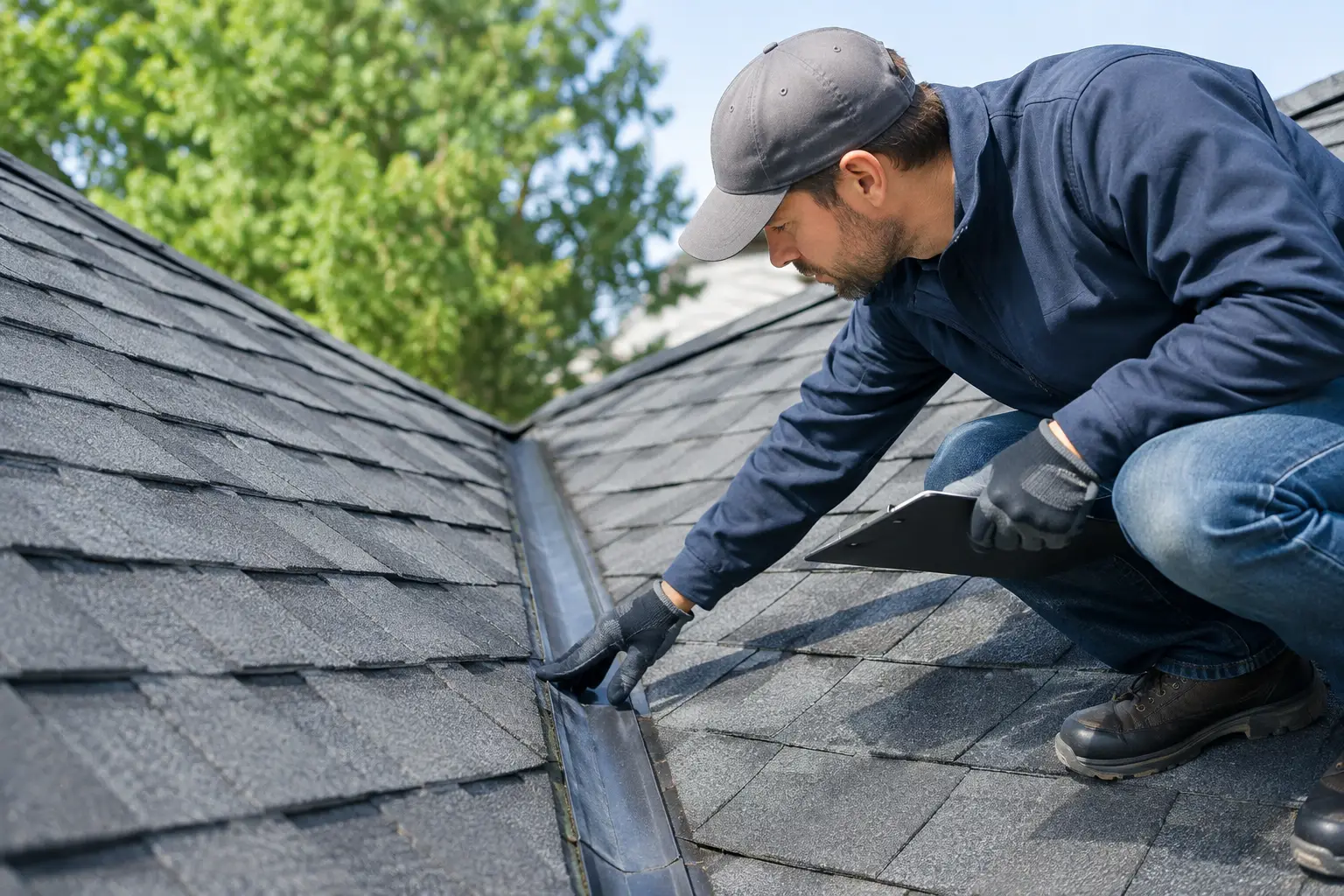
A thorough assessment should look at shingle condition, visible granule loss, penetrations around vents and chimneys, valleys, drainage patterns, gutter performance, and the extent of organic growth. Photos help homeowners see what is happening without relying on vague descriptions from the ground.
That inspection also distinguishes normal aging from a roof that needs immediate attention. A few missing granules in gutters may be typical on a newer roof, while large bare areas or brittle, cracked shingles are more serious signs. Clear diagnostics make it easier to spend money where it will actually help.
When Shingle Preservation Products Make Sense
The strongest candidates are asphalt-shingle roofs that are aging but still fundamentally sound. They may look faded, have minor signs of dryness, or have recently been cleaned of algae and moss. Homeowners often consider treatment when they are trying to extend the time between major capital projects without ignoring needed maintenance.
Age alone does not determine whether a roof qualifies. A 10-year-old roof under dense tree cover can have more organic growth and moisture exposure than an older roof in full sun. Conversely, a roof approaching its expected service life may still be a candidate if it has been maintained, remains watertight, and does not show severe material failure.
Climate and surroundings matter in Westchester County. Mature trees, shade, leaves in gutters, and wet spring or fall weather can keep roof surfaces damp longer. That creates favorable conditions for algae and moss. Regular gutter cleaning and thoughtful roof maintenance reduce that ongoing moisture burden, helping preservation work as intended.
What treatment cannot fix
Homeowners deserve a straight answer about limitations. Shingle preservation products do not repair a leak caused by damaged flashing, replace shingles blown off during a storm, correct poor attic ventilation, or restore missing granules. They also cannot safely solve structural issues such as sagging roof decking.
The treatment is best viewed as a preventive maintenance tool, not a cure-all. If a contractor promises that a single application will fix every roof issue or guarantee decades of added life, be cautious. Real results depend on the roof’s starting condition, installation quality, exposure, maintenance history, and weather.
How Long Does a Shingle Treatment Last?
Treatment lifespan varies, but homeowners should think in terms of ongoing protection rather than a one-time permanent fix. Exposure to direct sunlight, tree cover, roof pitch, drainage, and local weather all affect how long the benefits remain noticeable.
A qualified provider can recommend an inspection schedule based on the roof rather than pushing a generic timeline. Regular visual checks are useful, especially after severe wind or winter weather. Keeping gutters clear and removing overhanging branches where appropriate can also help reduce the conditions that speed roof aging.
The roof itself should be part of a broader exterior-maintenance plan. Clogged gutters can overflow onto fascia and roof edges. Leaves collected in valleys can hold water in place. Moss on shaded sections can return if the conditions that encouraged it are never addressed. Preservation works best when the roof is treated as a working system, not just a surface that needs to look clean.
Questions to Ask Before Choosing a Product or Contractor
Before approving any roof treatment, ask whether the product is designed specifically for asphalt shingles and whether it has credible product documentation. It is also reasonable to ask how the roof will be cleaned, how landscaping will be protected, and what conditions would disqualify the roof from treatment.
Ask for an honest assessment of replacement versus preservation. A trustworthy contractor should be willing to say when a roof is not a good candidate. You should also confirm that the company is licensed and insured, and that its process includes a careful on-site evaluation rather than a recommendation based only on a satellite image or a quick sales visit.
Price matters, but the lowest quote is not always the lowest cost. Improper pressure washing, overspray, damage to plants, or an unsuitable coating can create avoidable expenses. A good preservation plan is built around safe cleaning, appropriate materials, and a clear understanding of the roof’s condition.
A Practical Way to Protect the Roof You Have
Roof replacement is sometimes necessary, and delaying it when a roof is failing can create more damage inside the home. But replacement should not be the automatic answer to every stained, weathered, or aging shingle roof. For a qualifying roof, cleaning away damaging organic growth and applying a plant-based preservation treatment can be a sensible step toward extending usable life and protecting curb appeal.
If your shingles look tired but the roof is not showing obvious failure, schedule a free roof assessment. A close look at the roof, gutters, and surrounding conditions can provide the clarity needed to maintain what can be saved and plan responsibly for what cannot.
continue reading
Related Posts
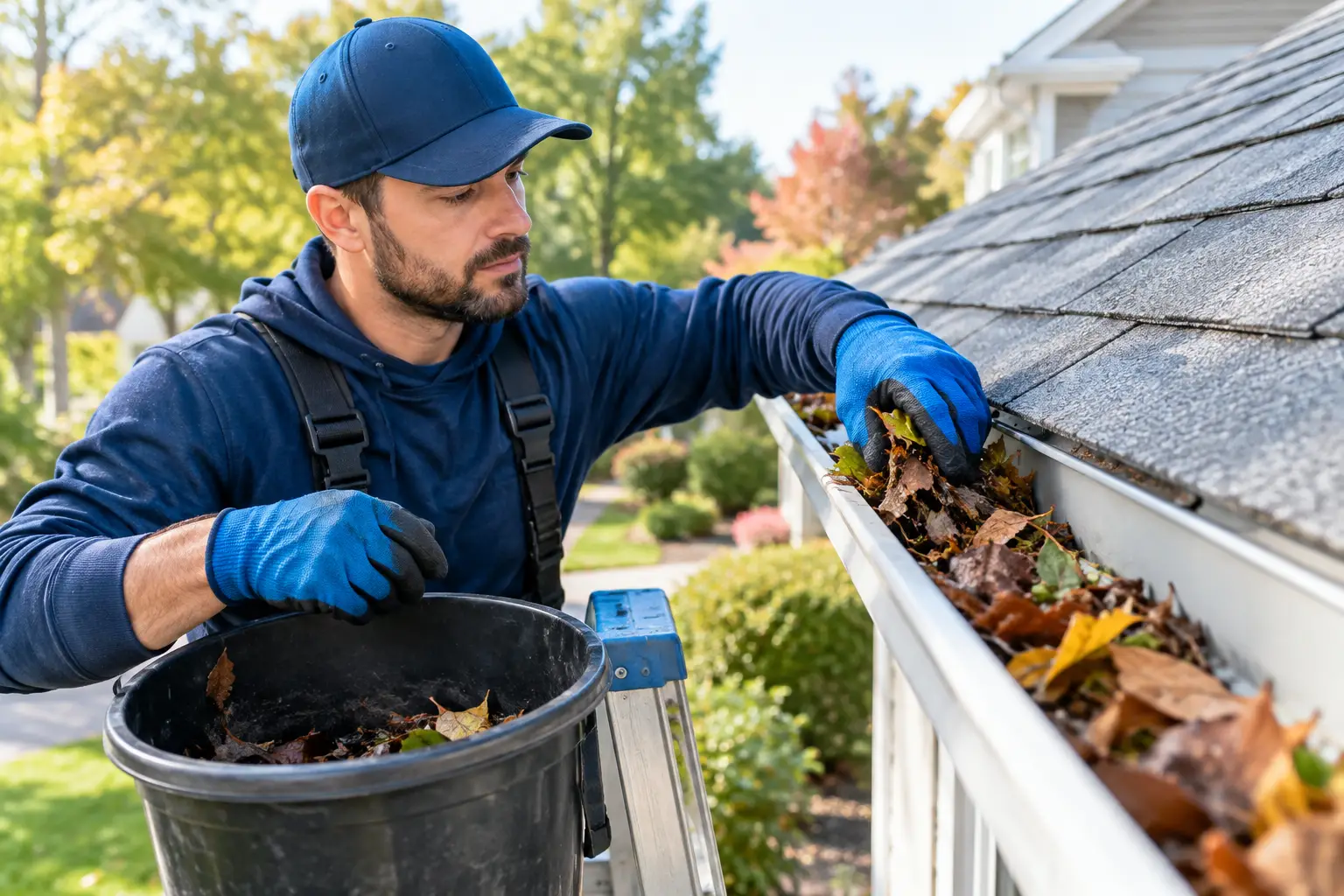
Scarsdale gutter cleaning reviews can reveal a lot. Learn which details point to safe, reliable service, fair pricing, and lasting protection for homes.
Learn how to maintain roof valleys safely, spot early trouble, protect shingles, and know when a Southern Westchester professional should step in today.
Roof restoration can clean, protect, and extend shingle life. Learn when maintenance makes sense and when replacement is the safer call for your home.