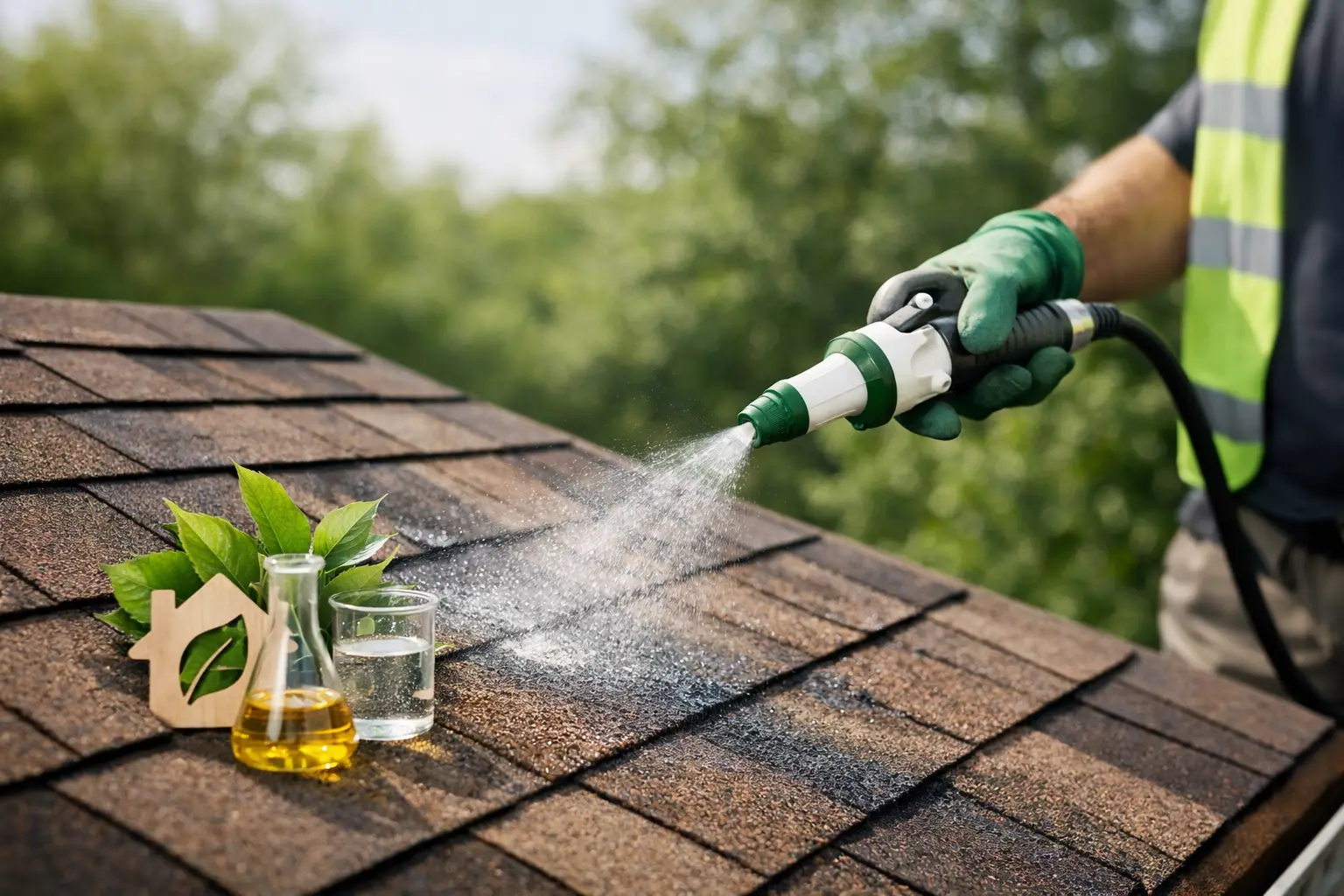
A roof can look worn out long before it is truly ready for replacement. Dark algae streaks, dry-looking shingles, minor curling, and faded color are common concerns on homes throughout Southern Westchester. A USDA certified biobased roof treatment offers a practical option for qualifying asphalt-shingle roofs: help restore lost flexibility and protection while avoiding the cost and disruption of a premature replacement.
That does not mean every aging roof can be rejuvenated. A treatment is preservation, not a shortcut around necessary repairs. The value comes from a clear inspection, safe cleaning when needed, and an honest recommendation about whether the existing shingles still have useful life left.
What USDA Certified Biobased Means
“Biobased” refers to products made, in whole or in significant part, from renewable biological materials rather than relying entirely on petroleum-based ingredients. The USDA Certified Biobased Product label identifies products that have been independently tested to verify their biobased content under the USDA BioPreferred Program.
For homeowners, that certification provides a meaningful layer of confidence. It means the product is not simply being described as plant-based for marketing purposes. Its renewable material content has been measured and verified through the USDA program.
It is also worth being precise about what the label does and does not mean. USDA certification relates to the product’s biobased content. It is not a blanket promise that every roof will be restored, that the product can repair structural roof damage, or that a treatment replaces a full roofing inspection. A responsible contractor should explain the difference clearly.
For a homeowner who wants to maintain a property thoughtfully, a plant-based preservation treatment can be a sensible fit. It supports an approach focused on extending the useful life of materials already on the home instead of replacing them before replacement is necessary.
Why Asphalt Shingles Dry Out Over Time
Asphalt shingles depend on oils and flexible components to help them handle changing weather. In Westchester County, those shingles face years of summer sun, winter cold, moisture, wind, and repeated freeze-thaw cycles. Over time, ultraviolet exposure and normal weathering can reduce flexibility in the shingle surface.
As shingles age, homeowners may notice more pronounced color variation, a dry or brittle appearance, minor edge curling, or granules collecting in gutters. Some granule loss is normal over a roof’s life. Significant or sudden loss is a different matter and deserves professional attention.
Organic growth can add to the problem. Black streaks are often algae, while moss and lichen can hold moisture against the roof surface. Beyond affecting curb appeal, heavy growth can interfere with proper water shedding and keep parts of the roof damp longer than they should be.
A biobased treatment is designed to condition and protect viable asphalt shingles that have begun to lose some of their original flexibility. When applied to the right roof, it can help improve the appearance and resilience of the shingle surface. The key phrase is “the right roof.” Good maintenance starts with knowing when preservation makes sense and when repair or replacement is the safer path.
When a Biobased Roof Treatment May Be a Good Fit
The best candidates are generally asphalt-shingle roofs that are aging but still structurally sound. The roof should be free of active leaks, widespread missing shingles, major storm damage, and extensive deterioration. If the roof has remaining serviceable life, preserving it may be far more cost-effective than replacing it early.
An assessment should look beyond what can be seen from the driveway. A contractor should evaluate shingle condition, roof penetrations, flashing areas, valleys, ventilation concerns, granule wear, organic growth, and signs of water intrusion. Photos are especially helpful because they allow homeowners to see the same conditions the inspector sees.
Treatment may be worth considering when a roof is showing early-to-moderate weathering but remains intact. It may not be appropriate if shingles are severely cracked, bald, brittle, lifting extensively, or nearing failure. Roofs with active leaks, compromised decking, damaged flashing, or substantial storm damage need repair work first. No surface treatment can correct an underlying roofing defect.
This is where a no-pressure recommendation matters. Replacing a roof is a major expense, but preserving a roof that is no longer safe or dependable is not good value either. The goal should be to make the existing roof last where it can, and to be straightforward when it cannot.
USDA Certified Biobased Roof Treatment and Roof Cleaning
Cleaning and preservation are related services, but they are not interchangeable. A roof coated with algae streaks, moss, or lichen may need a careful soft-washing process before treatment. Harsh pressure washing can dislodge protective granules and damage shingles, which is why the cleaning method matters as much as the cleaning result.
Professional roof cleaning is intended to address organic contamination without treating shingles like concrete or siding. The roof, landscaping, gutters, and surrounding property all need to be considered. Proper preparation and controlled application help protect plants and exterior surfaces while the roof is being serviced.
Once the roof is clean and dry enough for application, a USDA certified biobased roof treatment can be applied according to product requirements and weather conditions. Temperature, rain forecasts, roof moisture, and surface condition can all affect scheduling. A contractor who insists on the right conditions is protecting the outcome, not delaying the job unnecessarily.
The result is often a cleaner, more uniform appearance along with shingle conditioning benefits. Homeowners should have realistic expectations, though. A treatment can improve the look and performance of aging shingles, but it will not make a 20-year-old roof identical to a new installation. Honest expectations are part of doing the job right the first time.
The Practical Savings Question
Roof replacement can cost many thousands of dollars, especially when work includes tear-off, disposal, flashing, deck repairs, permits, and related repairs. A preservation treatment is typically a fraction of that cost. For a suitable roof, it can help homeowners delay a major capital expense while continuing to protect the home.
The savings are not only about the price of shingles. Replacement creates scheduling demands, noise, debris, and disruption around the property. If a roof still has usable life, maintaining it can be the more practical choice.
Still, “less expensive than replacement” should never be the only reason to choose treatment. The real question is whether the roof has enough sound material left to preserve. A careful assessment provides the answer. If it does, a treatment can be a smart investment in both curb appeal and long-term property care.
How to Protect the Results
A roof treatment works best as part of regular exterior maintenance. Keep gutters flowing so water does not back up along roof edges. Trim branches that shade the roof excessively or drop leaves and debris onto shingles. Watch for new algae growth, damaged shingles after storms, and buildup in valleys or behind chimneys.
Homeowners should also avoid walking on asphalt shingles unless it is necessary and safe to do so. Foot traffic can scuff granules, particularly on warm days or older roofs. If you see a concern, document it from the ground and arrange a professional inspection rather than trying to diagnose it from the roof yourself.
Roof Rescue Southern Westchester approaches roof preservation with the same mindset homeowners expect from a firefighter-owned local company: assess the risk, protect what is working, and address problems before they become more expensive. That means recommending a biobased treatment only when the roof condition supports it.
A roof does not have to look brand-new to keep doing its job well. When aging shingles are still sound, preserving them with the right cleaning, inspection, and treatment plan can give homeowners a practical way to protect their home and keep replacement on their own timeline.
continue reading
Related Posts
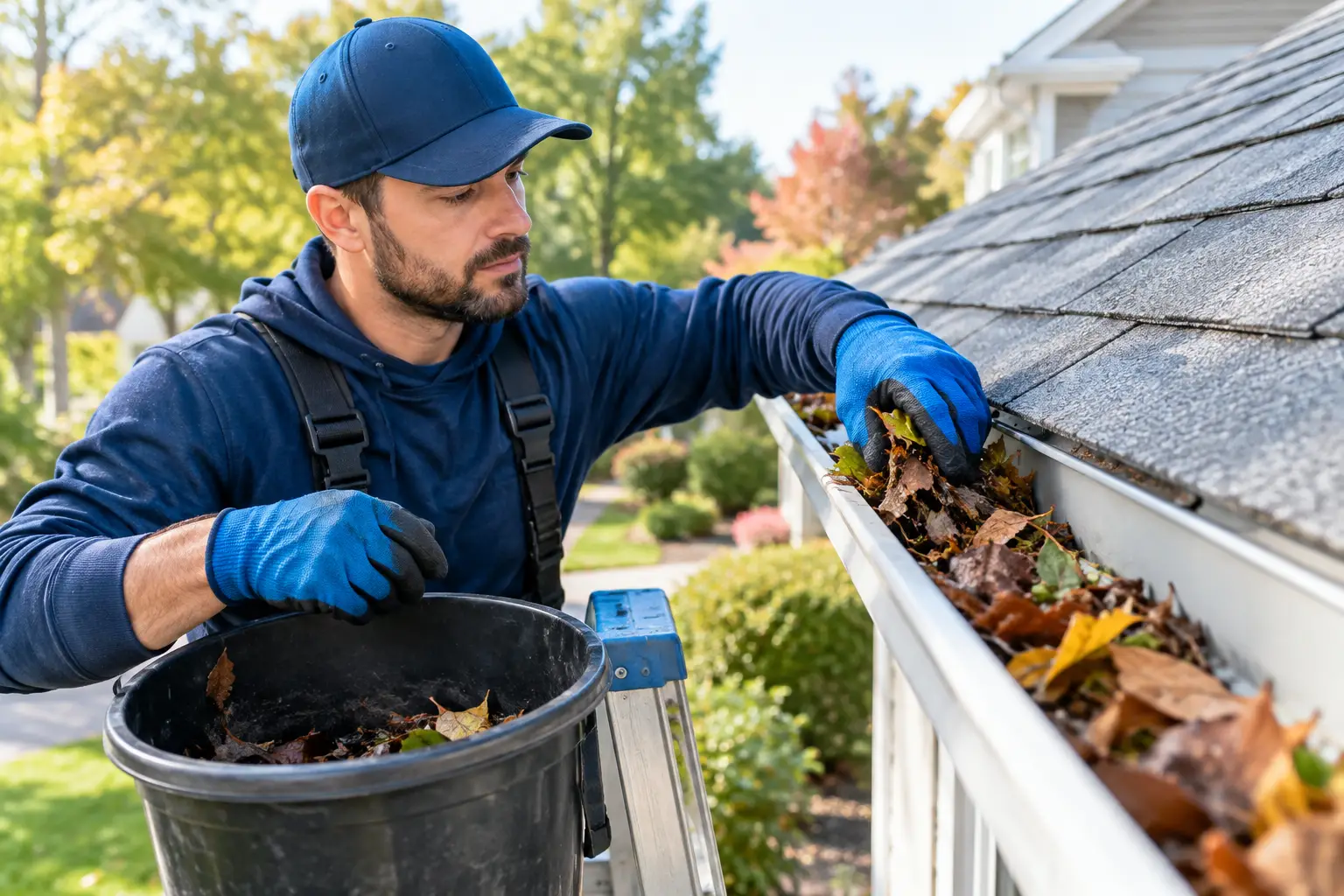
Scarsdale gutter cleaning reviews can reveal a lot. Learn which details point to safe, reliable service, fair pricing, and lasting protection for homes.
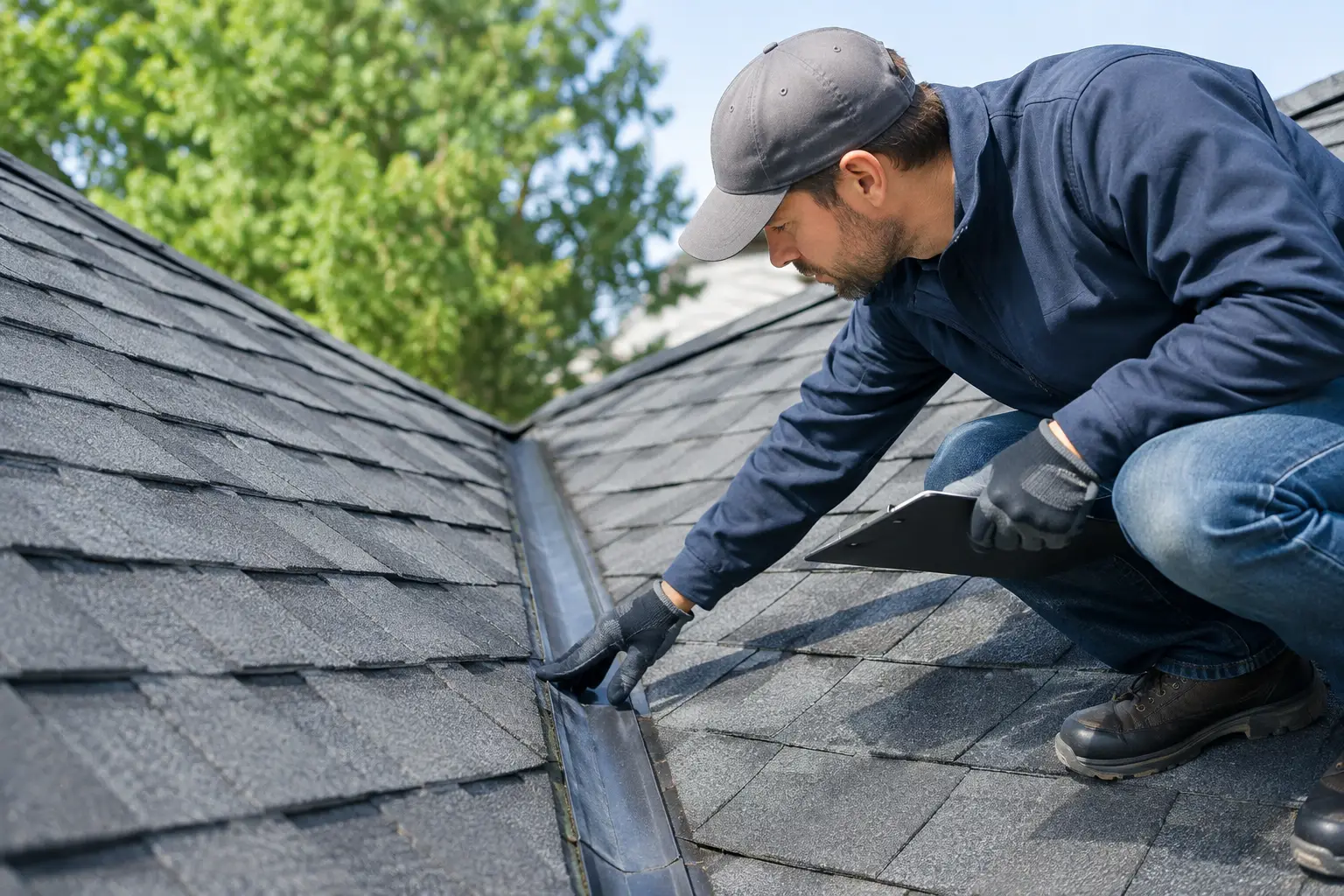
Learn how to maintain roof valleys safely, spot early trouble, protect shingles, and know when a Southern Westchester professional should step in today.
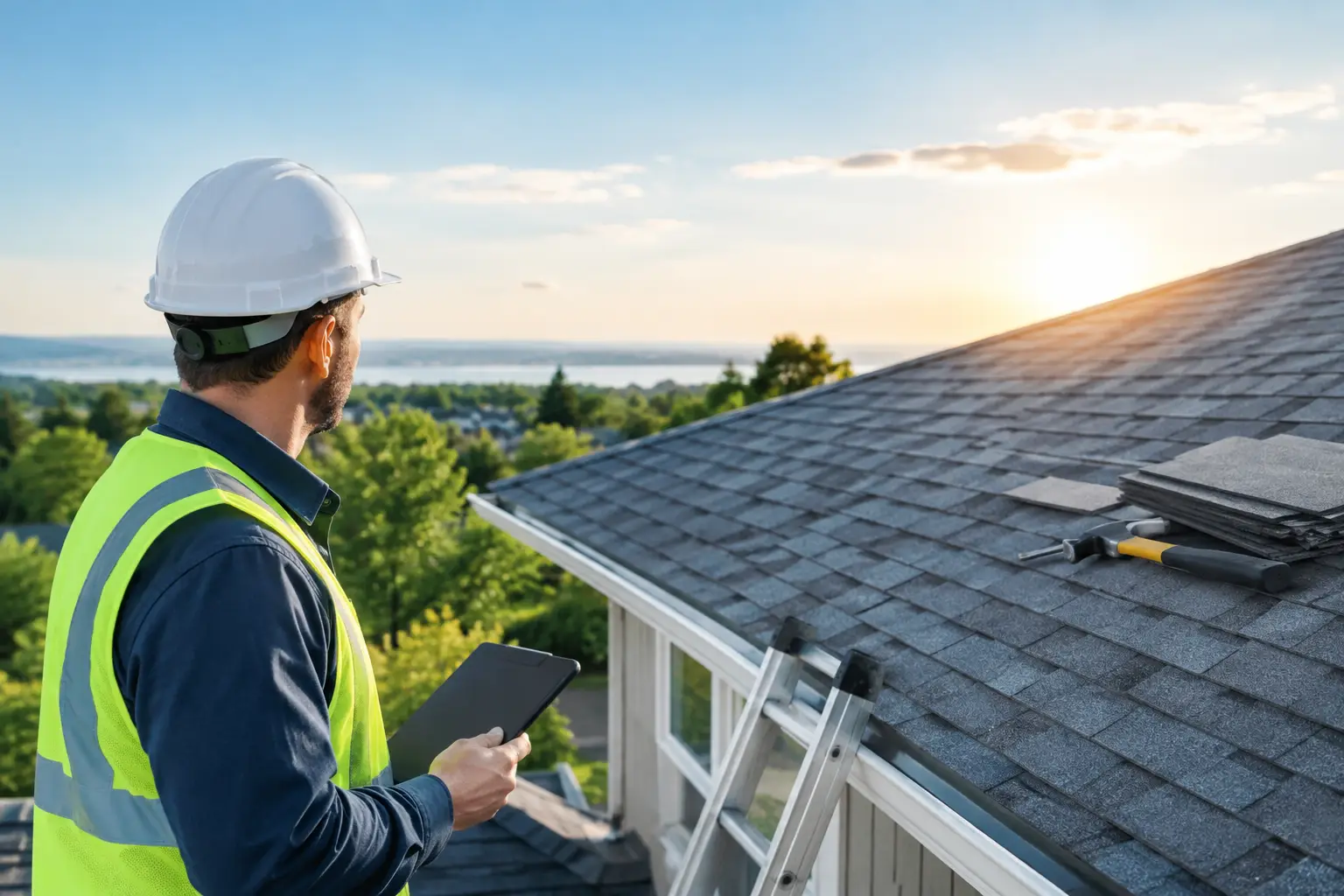
Roof restoration can clean, protect, and extend shingle life. Learn when maintenance makes sense and when replacement is the safer call for your home.