A black-streaked roof or a few curled shingles can make a homeowner fear the worst. But roof repair versus restoration is not a simple choice between a small fix and a full replacement. The right answer depends on whether the roof has an active defect, how much useful life remains in the shingles, and whether organic growth and weathering are making a sound roof look worse than it is.
For homeowners in Southern Westchester, a clear diagnosis matters. Our homes see humid summers, leaf-heavy falls, freeze-thaw cycles, and shaded rooflines that hold moisture. Those conditions can encourage algae, moss, and lichen while gradually drying out asphalt shingles. Addressing the real issue early can protect your home and help avoid spending replacement-level money before it is necessary.
What Roof Repair Is Designed to Solve
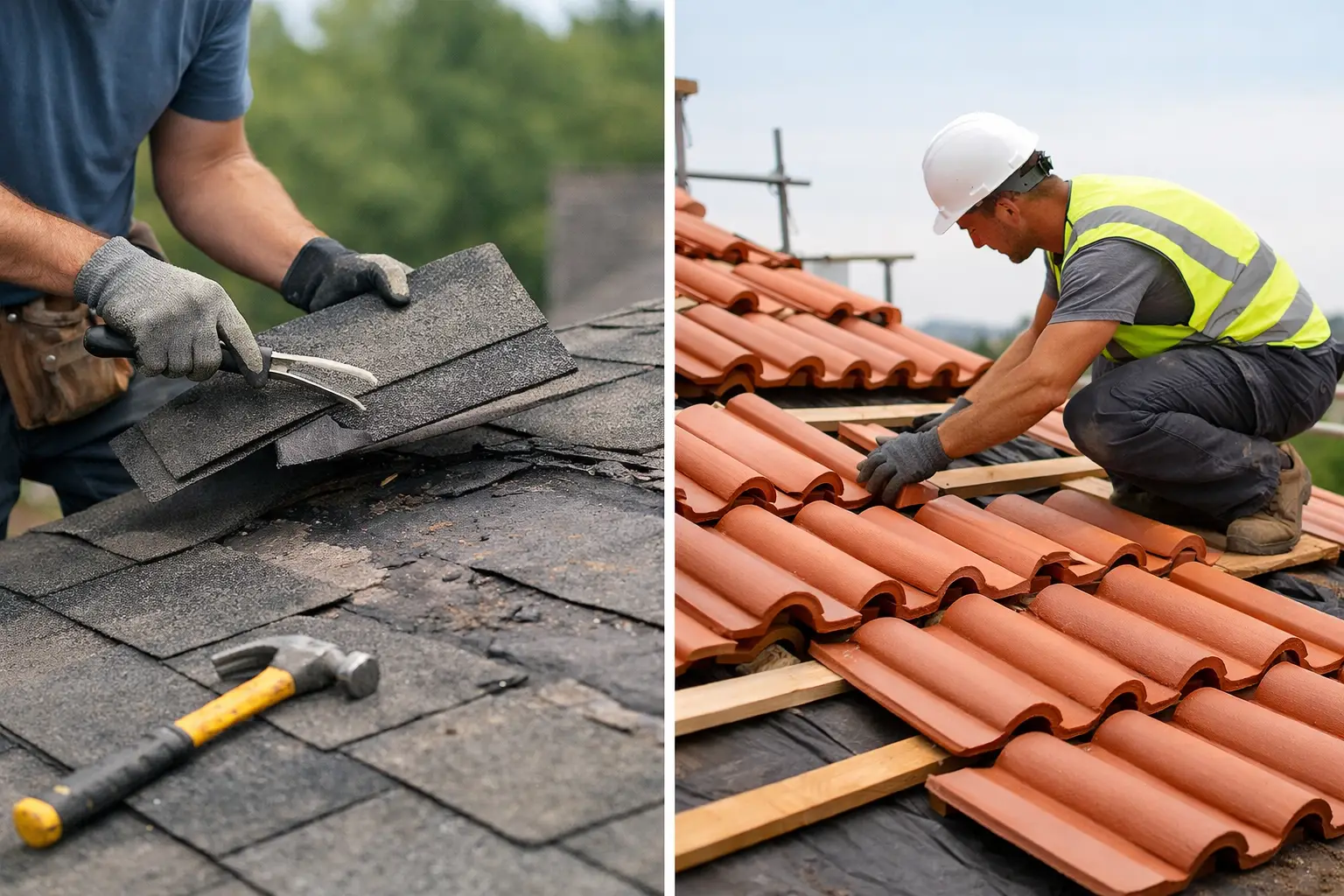
Roof repair addresses a specific failure. Think of a missing shingle after a windstorm, cracked flashing around a chimney, a failed pipe boot, a lifted ridge cap, or a leak in one defined area. A repair is targeted work intended to restore the roof’s ability to shed water.
When water is entering the home, repair comes first. A preservation treatment cannot seal a flashing gap, replace broken decking, correct poor roof ventilation, or make a badly damaged shingle watertight. Any contractor who suggests otherwise is not putting the home first.
A properly scoped repair begins with finding the source, not merely treating the stain on the ceiling. Water can travel along roof decking or framing before it becomes visible indoors. That is why a careful exterior inspection, attic check when accessible, and photos of the affected components are valuable. The goal is to fix the cause and document what was done.
Repairs are often the best value when the rest of the roof is in good condition. Replacing a limited number of damaged shingles or renewing a small flashing detail can prevent a localized problem from becoming rot, mold, insulation damage, or interior repairs.
When Roof Restoration Makes More Sense
Roof restoration is a broader preservation approach for an asphalt-shingle roof that is still fundamentally sound but showing age, discoloration, surface dryness, or organic growth. It commonly combines safe roof cleaning with a shingle treatment designed to replenish lost flexibility and improve the roof’s appearance.
Asphalt shingles contain oils that help them remain flexible. Sun exposure, weather, and time gradually reduce those oils. A roof may begin to look dull, dry, or lightly cracked even though it has no widespread leaks or structural failure. Algae can also create dark streaks, while moss and lichen can hold moisture against the shingle surface and lift edges over time.
Restoration is not cosmetic window dressing when it is recommended for the right roof. Cleaning removes damaging organic growth, while a plant-based shingle preservation treatment can help restore flexibility to qualifying shingles. Roof Rescue Southern Westchester uses a USDA Certified Biobased product intended to extend useful roof life at a fraction of replacement cost for eligible roofs.
That eligibility matters. Restoration is generally most useful for roofs with remaining service life, stable shingle attachment, and no widespread loss of protective granules. It may be especially practical for a homeowner who wants to preserve an aging roof, improve curb appeal, and gain time before planning for eventual replacement.
Roof Repair Versus Restoration: The Key Difference
The simplest way to separate roof repair versus restoration is to ask one question: Is the roof failing in a specific way, or is it aging across the entire surface?
A repair solves a defect. Restoration supports a sound-but-weathered roof system. In some cases, the best plan includes both. For example, a roof might need a small flashing repair before it is cleaned and treated. Fixing the defect protects against water intrusion; restoring the shingles addresses the larger preservation need.
Replacement becomes the better choice when the roof is at or near the end of its life, has extensive granule loss, widespread cracking or curling, multiple recurring leaks, damaged decking, or major storm damage. No reputable preservation provider should try to treat a roof that needs to be replaced. Honest recommendations protect homeowners better than a one-size-fits-all sales pitch.
Signs That Point Toward Repair, Restoration, or Replacement
Visible symptoms can help you know what to ask during an assessment, though they cannot replace a professional evaluation.
- A recent leak, loose flashing, or a few missing shingles often points to a focused repair, especially when the rest of the roof is in solid condition.
- Black algae streaks, moss growth, or widespread discoloration may point to safe cleaning and possible restoration if the shingles remain structurally sound.
- Dry-looking shingles with early surface aging but no active leaks can be candidates for preservation treatment, depending on shingle condition and age.
- Broad curling, heavy granule loss, soft roof decking, or leaks in several areas usually signals that replacement planning is more responsible than restoration.
Age is useful context, but it is not a verdict. Two roofs installed in the same year can perform very differently based on tree cover, ventilation, slope, installation quality, and how consistently they have been maintained. A shaded roof in Larchmont or Scarsdale may develop organic growth much sooner than a sunnier roof nearby.
Why Cleaning Method Matters Before Restoration
Roof cleaning should never be treated like driveway washing. High-pressure washing can dislodge protective granules, force water beneath shingles, and shorten the life of the very roof you are trying to preserve. Asphalt shingles require a low-pressure, material-appropriate cleaning method.
A careful soft-wash process removes algae and organic growth without aggressive blasting. The work should also account for landscaping, gutters, siding, and surrounding surfaces. Good exterior care is not just about getting a cleaner roof. It is about protecting the full property while the work is performed.
Gutter condition also deserves attention. Clogged gutters can cause water to back up along roof edges, saturate fascia boards, and create problems that look like roof failure. Clearing debris, checking drainage, and addressing overhanging branches are practical steps that support any repair or restoration investment.
How to Make the Decision Without Guesswork
Start with an assessment that separates appearance issues from functional damage. Ask for clear photos and a plain-language explanation of what is happening. You should understand whether the recommendation is based on leaks, shingle condition, flashing details, organic growth, or a combination of factors.
It also helps to compare the cost over time. A modest repair may be the immediate answer, but it will not resolve widespread algae or aging shingles. Restoration may cost considerably less than replacement for a qualifying roof, but it is not a permanent substitute for a roof that has reached the end of its serviceable life. Replacement is the larger investment, yet it may be the most cost-effective and safest option when deterioration is extensive.
Be cautious of promises that a treatment will fix every roof or that a replacement is automatically required because a roof looks dirty. Both claims skip the diagnosis. A customer-first provider should be comfortable telling you when a small repair is enough, when restoration is a sensible preservation step, and when replacement is unavoidable.
A free roof assessment gives you a practical place to start. Before the next season of rain, falling leaves, and freezing temperatures adds to the problem, have the roof evaluated and choose the option that protects your home for the years ahead.
continue reading
Related Posts
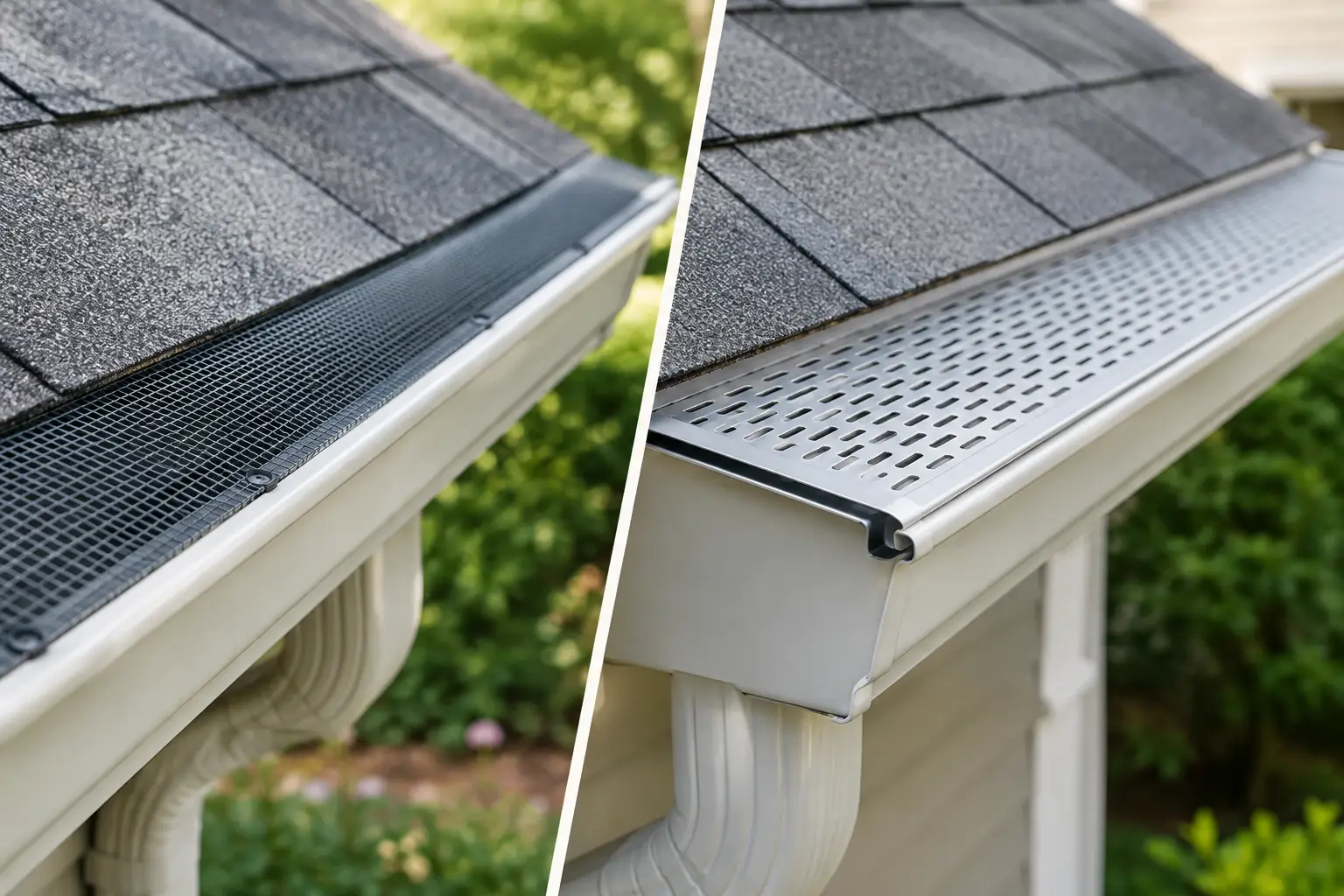
Comparing gutter screens versus guards? Learn which option fits Westchester homes, sheds leaves reliably, and reduces cleaning without trapping debris.
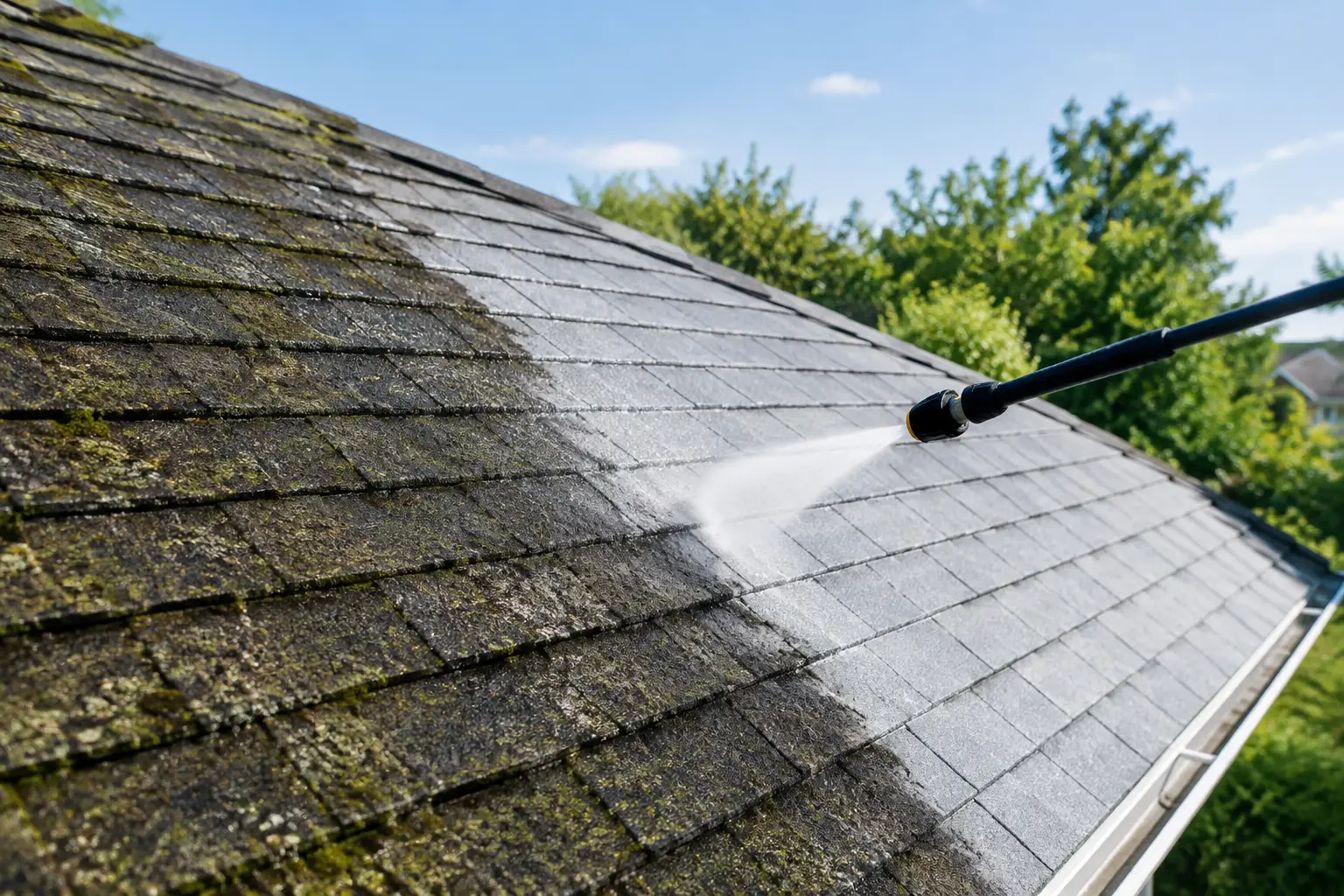
See what real roof cleaning results look like, how long they take, and why safe treatment can protect shingles and help avoid costly replacement bills.
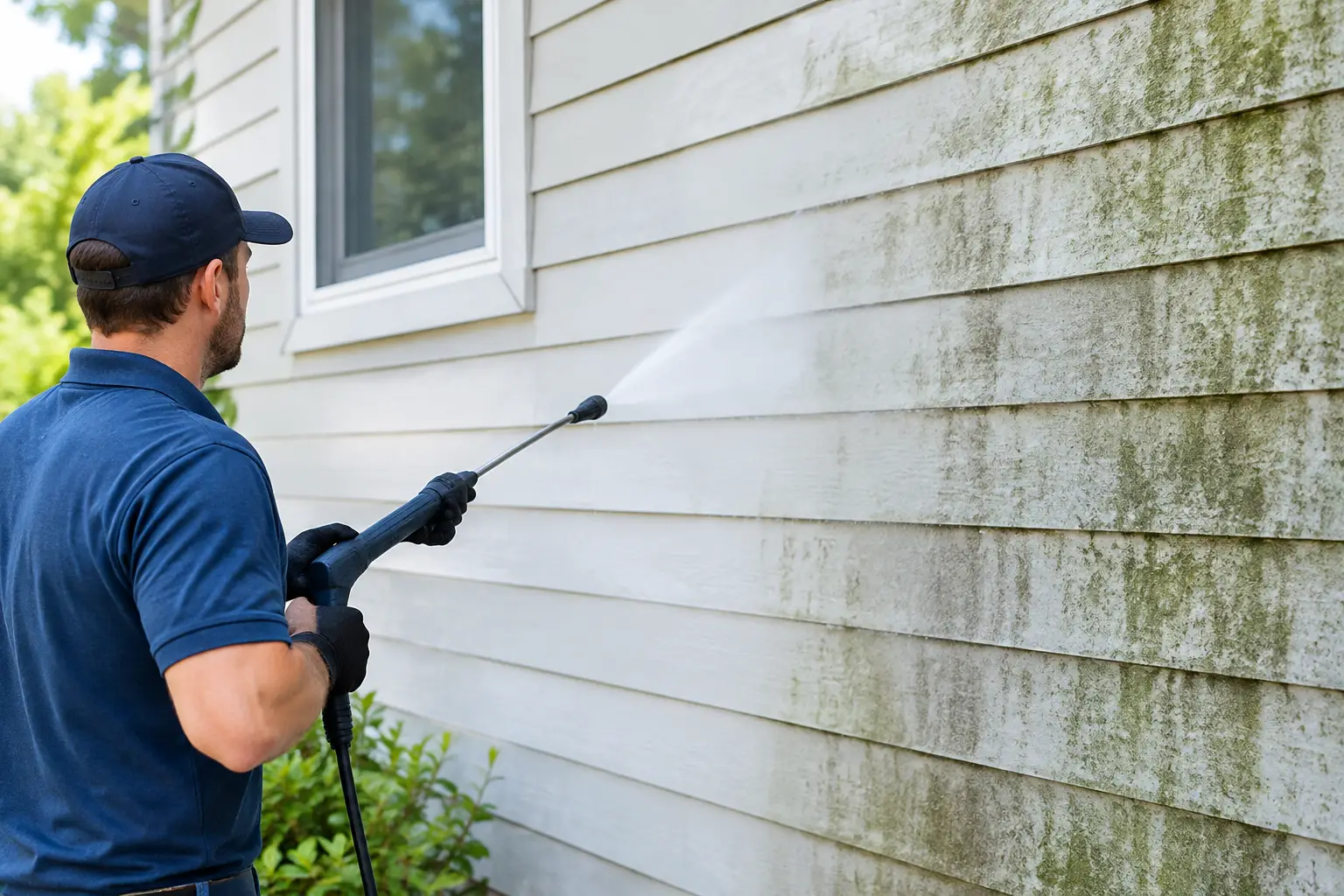
Does soft washing kill mold? Learn how low-pressure cleaning removes exterior growth, when stains suggest damage, and how to protect your home safely.