
A roof valley can move more rainwater than any other area of your shingle roof. When leaves, moss, or loose granules collect there, that concentrated flow can back up beneath shingles and turn a small maintenance issue into a leak. To maintain roof valleys safely, start with observation and prevention, not a risky trip up the ladder.
For homeowners in Southern Westchester, valleys deserve extra attention after leaf drop, heavy rain, windstorms, and winter freeze-thaw cycles. They are built to shed water, but only when the channel is clear and the surrounding shingles remain in good condition.
Why Roof Valleys Need Extra Care
A valley is the angled channel where two roof slopes meet. Rain, melting snow, twigs, roof grit, and organic debris naturally funnel into this one section. That makes it a high-volume drainage path and one of the first places roofing weaknesses can show up.
Even a light layer of damp leaves can hold moisture against shingles. Over time, that moisture encourages moss and algae growth, can soften accumulated debris, and may prevent water from moving cleanly toward the gutters. In a shaded area, this cycle can continue long after the rest of the roof looks dry.
The problem is not always obvious from the ground. A roof may look generally clean while a valley contains a compacted pocket of debris near its lower end. If water has to travel around that blockage, it can work sideways beneath shingle edges. The resulting stain on a ceiling may appear far from the actual entry point.
Start With a Ground-Level Inspection
The safest roof maintenance is often performed with both feet on the ground. Walk around your home after a hard rain and look up at each valley from more than one angle. Binoculars or a phone camera with zoom can help you inspect details without climbing.
Look for dark streaking, green moss, piles of leaves, branches caught across the valley, or areas where the shingle surface appears lifted, curled, or worn. Pay attention to valleys beneath overhanging trees and on north-facing roof sections, where sunlight takes longer to dry moisture.
Inside the home, check the attic after a rainstorm if it is safely accessible. Water marks on framing, damp insulation, musty odors, or daylight around roof penetrations all warrant a professional evaluation. A visible ceiling stain is not a reason to wait for the next storm. It is a sign that water has already traveled where it should not.
Keep Gutters and Downspouts Flowing
Valley maintenance and gutter maintenance go together. A clear valley cannot drain properly into a gutter packed with wet leaves, seed pods, and roof grit. When the gutter backs up, water can pool at the roof edge and place added stress on the valley below it.
Clean gutters on a regular schedule, especially after the spring pollen and seed season and again after fall leaf drop. Homes under mature trees may need more frequent service. Check that downspouts discharge away from the foundation and that water is not spilling over the gutter during rain.
If you use gutter guards, remember that they reduce debris entry but do not eliminate maintenance. Leaves can still gather on top of guards or become trapped at valleys where water flow is strongest. A homeowner should never assume a guard system means the roof drainage system no longer needs inspection.
Do Not Treat a Roof Valley Like a Walkway
Roof valleys are not the place to stand, kneel, or drag equipment. Their angles can be steep, their surfaces can be slick, and the shingles around them are under concentrated water exposure. Walking in a valley may crack brittle shingles, loosen granules, or damage the protective surface that helps the roof shed water.
Avoid pressure washing shingles. High-pressure water can strip protective granules and force water under shingle laps, especially in a valley. Harsh scraping is also risky because it can cut, lift, or break shingles and may damage the metal flashing beneath them.
Never work on the roof when it is wet, frosty, windy, or covered with leaves. Do not lean a ladder against a gutter or step onto a roof simply because a small blockage is visible. Falls remain the most serious hazard in roof maintenance, and the cost of a professional visit is far less than the cost of an injury.
If a light, loose branch is reachable from a stable position on the ground, remove it carefully. For anything higher, heavier, compacted, or close to shingles, flashing, or power lines, call a qualified and insured exterior-maintenance professional.
Safe Cleaning Protects the Shingles Below
Moss and algae often grow near valleys because debris holds moisture there. They may look like cosmetic issues at first, but moss can root into the shingle surface and lift edges as it grows. Algae creates dark staining and contributes to an aged appearance, particularly on roofs with shade and limited airflow.
The right treatment depends on the roof’s age, condition, slope, and the type of growth present. A sound asphalt-shingle roof may benefit from low-pressure, manufacturer-appropriate cleaning and a preservation treatment designed to restore flexibility to aging shingles. A roof with widespread cracking, exposed fiberglass mat, failing flashing, or active leaks needs repair evaluation before any cleaning or treatment.
That distinction matters. Cleaning a roof that has reached the end of its serviceable life will not make it structurally sound. On the other hand, replacing a roof solely because of staining or early organic growth can be an unnecessary expense when the shingles are otherwise viable.
At Roof Rescue Southern Westchester, the approach begins with a practical assessment of roof condition, drainage, organic growth, and visible shingle wear. Homeowners should expect clear photos and straightforward recommendations, not pressure to replace a roof that may still have years of useful life remaining.
When a Valley Needs Prompt Professional Attention
Some valley conditions should move to the top of your maintenance list. Request an inspection promptly if you see missing or torn shingles, bent or exposed valley metal, heavy moss, recurring debris buildup, or a dark line that appears to follow the valley’s path. These conditions can allow water beneath the roof covering.
A leak after wind-driven rain is another warning sign. Ordinary rainfall may drain without revealing a weakness, while rain pushed sideways by wind can expose lifted shingles or gaps in flashing. Ice dams can create similar trouble during winter by holding melting water above the valley and roof edge.
Age also changes the equation. Older asphalt shingles tend to lose oils and flexibility. In a high-flow valley, brittle shingles are more vulnerable to cracking and granule loss. A professional can help determine whether cleaning, shingle preservation, targeted repair, or replacement makes the most financial sense for the roof’s actual condition.
Build Valley Care Into Your Seasonal Routine
A simple routine prevents many avoidable problems. Inspect valleys from the ground after major storms, keep gutters and downspouts clear, trim back limbs that repeatedly drop debris, and schedule professional roof care when organic growth starts to take hold. Do not wait until water enters the home.
Spring is a good time to assess winter damage and moisture-related growth. Late fall is equally valuable because leaves can settle into valleys just before snow and ice arrive. Properties with dense tree cover, steep rooflines, or persistent shade may benefit from more frequent checks.
Roof care is not about making every homeowner a roofer. It is about catching the small signs while they are still manageable and letting trained professionals handle the work that puts people or shingles at risk. A clear valley today can help protect the rooms, finishes, and investment beneath it through the next hard rain.
continue reading
Related Posts

Scarsdale gutter cleaning reviews can reveal a lot. Learn which details point to safe, reliable service, fair pricing, and lasting protection for homes.

Roof restoration can clean, protect, and extend shingle life. Learn when maintenance makes sense and when replacement is the safer call for your home.
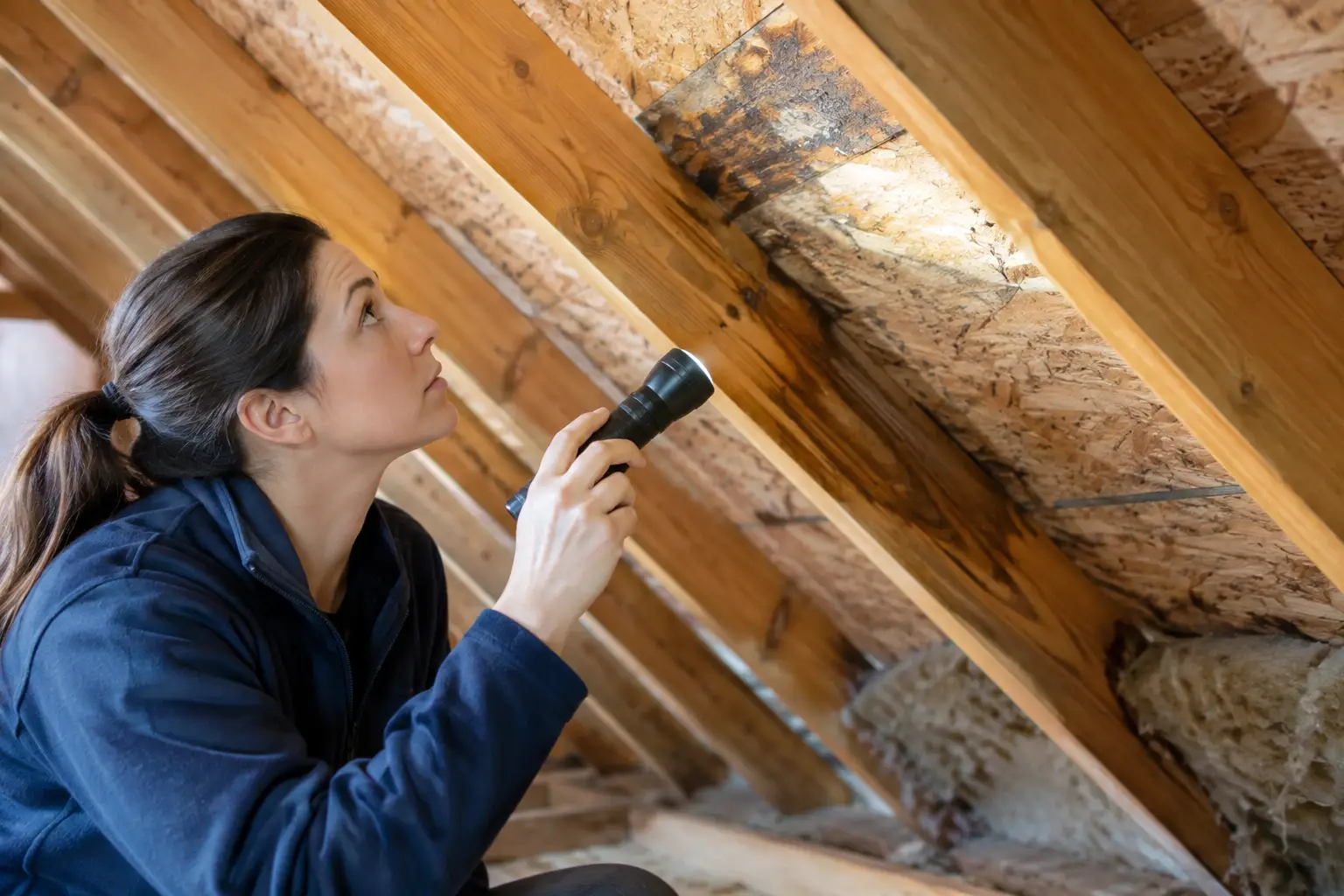
Learn how to inspect attic leaks safely, spot roof and ventilation clues, and know when a Southern Westchester homeowner needs a roofer for a clear repair plan.