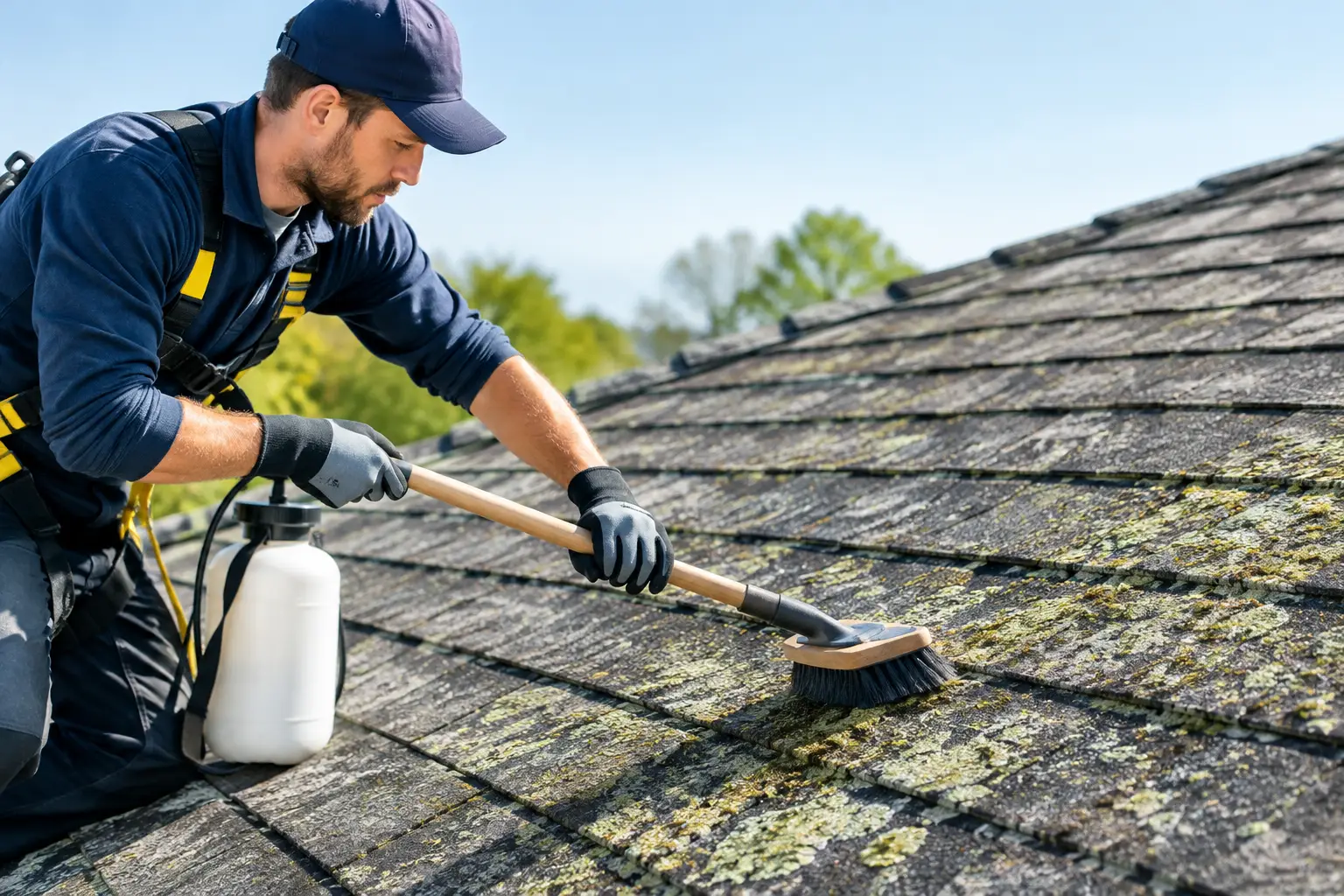
Lichen on a roof can look like a small cosmetic issue at first: pale green, gray, or crusty patches tucked along shingle edges, near dormers, or beneath overhanging trees. But unlike a loose leaf or surface dirt, lichen attaches itself firmly to the roof. Trying to remove lichen safely requires more than a hose, a stiff brush, or a quick pass with a pressure washer. The wrong approach can strip protective granules, loosen shingles, and turn a clean-looking roof into an expensive repair.
For Southern Westchester homeowners, shade, mature trees, seasonal moisture, and humid summer weather create ideal conditions for organic growth. A careful response protects both your roof’s appearance and the years of useful service left in its shingles.
What Lichen Does to an Asphalt-Shingle Roof
Lichen is a living partnership between fungi and algae. It is different from the dark streaks commonly caused by roof algae and different from the thicker, softer mats formed by moss. Lichen often appears as flat, branching, or coin-shaped growths that cling tightly to the shingle surface.
That grip is the reason lichen deserves attention. As it establishes itself, lichen can hold moisture against the roof and grow around shingle granules. On an aging roof, that added moisture and physical attachment can contribute to surface wear over time. It may also disguise early cracking, exposed asphalt, or other signs that the roof needs a closer look.
Not every patch means a roof is failing. A newer roof with a few isolated spots may only need a targeted treatment and better control of shade and debris. A roof with widespread lichen, brittle shingles, heavy granule loss, or curled edges needs a more cautious assessment. Cleaning cannot restore shingles that have already reached the end of their service life.
Why Scrubbing and Pressure Washing Cause Problems
The instinct to scrub lichen off makes sense, but it is often where damage begins. Asphalt shingles rely on embedded mineral granules to shield the asphalt layer from sunlight and weather. Aggressive brushing can dislodge those granules. Once they are gone, the roof may age faster and look uneven.
Pressure washing is an even bigger concern. High-pressure water can blast granules away, force water beneath shingle edges, disturb seal strips, and damage flashing around vents, chimneys, and skylights. Damage may not be obvious from the ground, but it can shorten roof life and create opportunities for leaks.
Avoid using wire brushes, scraping blades, and high-pressure equipment on asphalt shingles. Household cleaners are also not automatically safe. Some formulas can harm nearby landscaping, discolor exterior materials, or leave residues that are difficult to manage. A product should be selected for the roof material, applied at the proper dilution, and controlled so runoff does not become someone else’s problem.
How to Remove Lichen Safely Without Damaging Shingles
The safest method is a low-pressure, treatment-first process. Rather than forcing established lichen off the roof in one visit, the goal is to kill and release the growth while preserving the shingle surface beneath it.
Start with a condition check
Before any treatment, inspect the roof from the ground and, when appropriate, have it evaluated by a trained professional. Look for missing shingles, curled edges, exposed fiberglass matting, widespread granules in gutters, damaged flashing, and soft or sagging areas. These conditions may change the recommendation from cleaning to repair or replacement planning.
Also consider the roof’s pitch and access. Walking on a steep, wet, or brittle roof is dangerous. A fall risk is never worth a cosmetic improvement. Professional roof technicians use proper ladders, fall-protection practices, and application methods that limit unnecessary foot traffic on shingles.
Use a roof-appropriate soft-wash treatment
A professional soft-wash approach uses low pressure to apply a roof-safe cleaning solution. The solution does the work, not water force. It is applied carefully to the affected areas, allowed time to break down organic growth, and managed with attention to surrounding plants, siding, windows, and drainage paths.
Lichen is stubborn, so results are not always immediate. Dark algae staining may lighten quickly, while established lichen can take weeks or even several months to fully release through rain, weathering, and normal roof exposure. That gradual process is usually a good sign: it means the shingles were not aggressively scraped or blasted to produce an instant visual result.
A trustworthy contractor should explain what will change right away and what will improve over time. Promises that every lichen mark will disappear within hours can encourage overly aggressive cleaning methods.
Protect landscaping and runoff areas
Roof cleaning should account for everything below the roofline. Plant beds, shrubs, lawns, patios, painted surfaces, and nearby water-sensitive areas need to be identified before treatment begins. Professionals typically pre-wet vegetation, manage runoff, use controlled application techniques, and rinse as needed to reduce exposure.
Homeowners can help by moving outdoor furniture, covering or relocating delicate items when advised, and keeping pets indoors during service. If your home relies on rainwater collection, mention it before work starts so the system can be protected appropriately.
Let the roof dry and avoid rinsing it aggressively
After treatment, resist the urge to rinse or scrape the roof clean. Let the product and the weather do their job. A controlled treatment process is designed to stop growth without compromising the shingles.
If loose debris remains in valleys or gutters after the roof has dried, it can be removed carefully as part of a broader exterior-maintenance plan. Keeping gutters clear matters because backed-up water can keep roof edges damp and create a friendlier environment for future growth.
When DIY Is Reasonable and When It Is Not
There are limited situations where a homeowner can handle light organic growth from the ground, such as trimming back a small branch that shades the roof or clearing leaves from accessible gutters with safe equipment. But applying chemical cleaners from a ladder or walking on an asphalt-shingle roof introduces real safety and damage risks.
Professional help is the better choice when lichen covers multiple roof sections, the roof is steep or more than one story high, growth is close to chimneys or skylights, or the shingles are older and visibly worn. It is also wise to call a professional if you are unsure whether you are seeing lichen, moss, algae, or a roofing defect. Each condition can call for a different response.
For homeowners who want to protect an aging asphalt-shingle roof, a cleaning visit can also be the right time to discuss preservation. Some roofs that are still structurally sound but showing early dryness or UV wear may benefit from a plant-based shingle preservation treatment. Roof Rescue Southern Westchester uses a USDA Certified Biobased product designed to help restore flexibility and extend the usable life of qualifying shingles, often at far less cost than premature replacement. Qualification matters, though. Preservation is not a substitute for repairing active leaks or replacing shingles that are already failing.
Preventing Lichen From Returning
No roof treatment can change the fact that trees, shade, and moisture are part of life in Westchester County. It can, however, reduce the conditions that allow lichen to return quickly. Trim branches that rest on or heavily shade the roof, while preserving tree health and following local requirements. Remove leaf buildup from valleys and gutters so water can move freely away from the roof.
Keep an eye on north-facing slopes and areas below large trees, since they often dry more slowly. Annual visual checks from the ground can catch early growth before it becomes widespread. If dark streaks, moss, or lichen begin to return, address them early with a roof-safe plan instead of waiting until the surface is heavily covered.
A roof should not have to be replaced just because it looks weathered from organic growth. The right cleaning method respects the material, the landscaping, and the people working around it. If you see lichen taking hold, schedule a free roof assessment and get a clear recommendation based on your roof’s actual condition, not a one-size-fits-all sales pitch.
continue reading
Related Posts
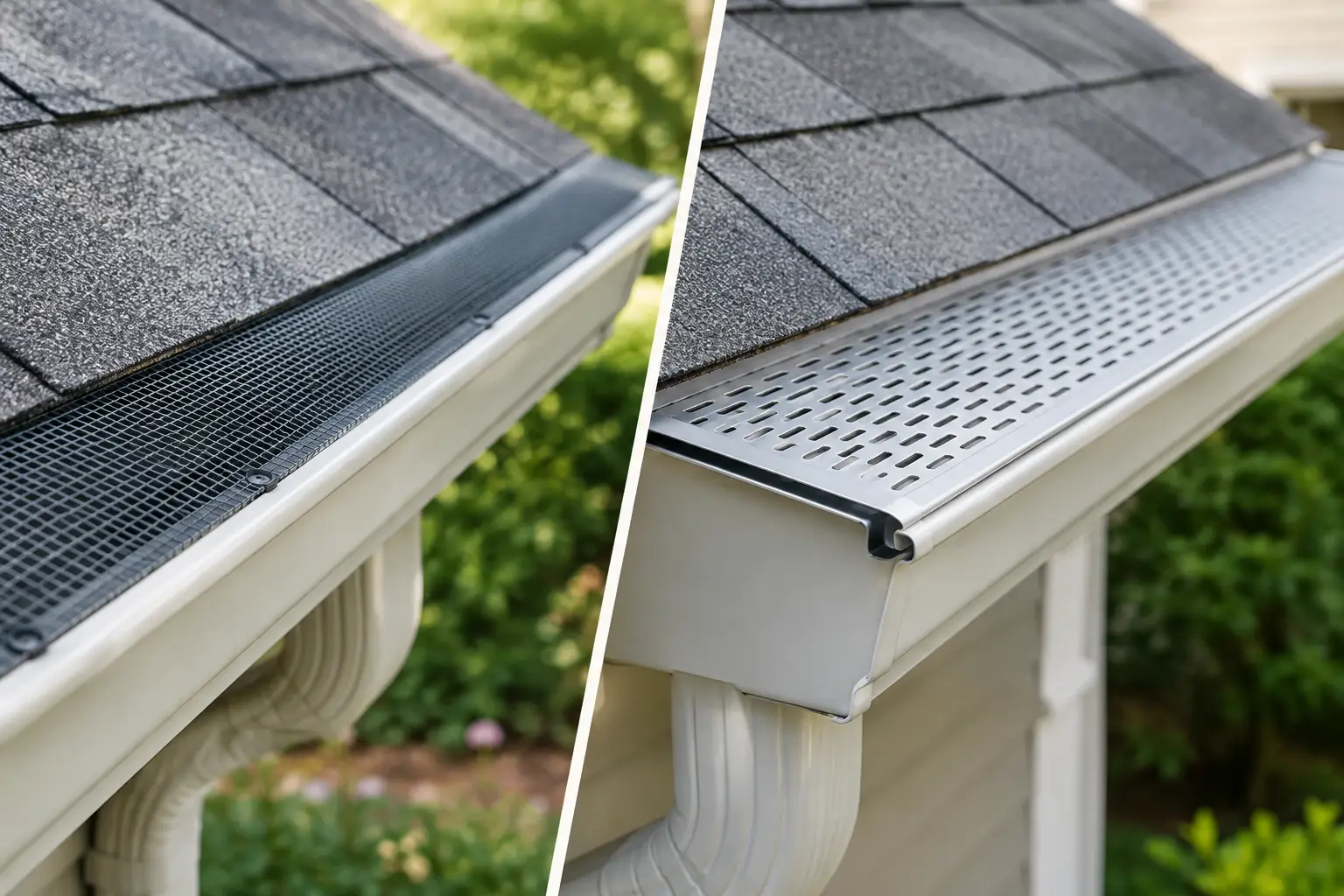
Comparing gutter screens versus guards? Learn which option fits Westchester homes, sheds leaves reliably, and reduces cleaning without trapping debris.
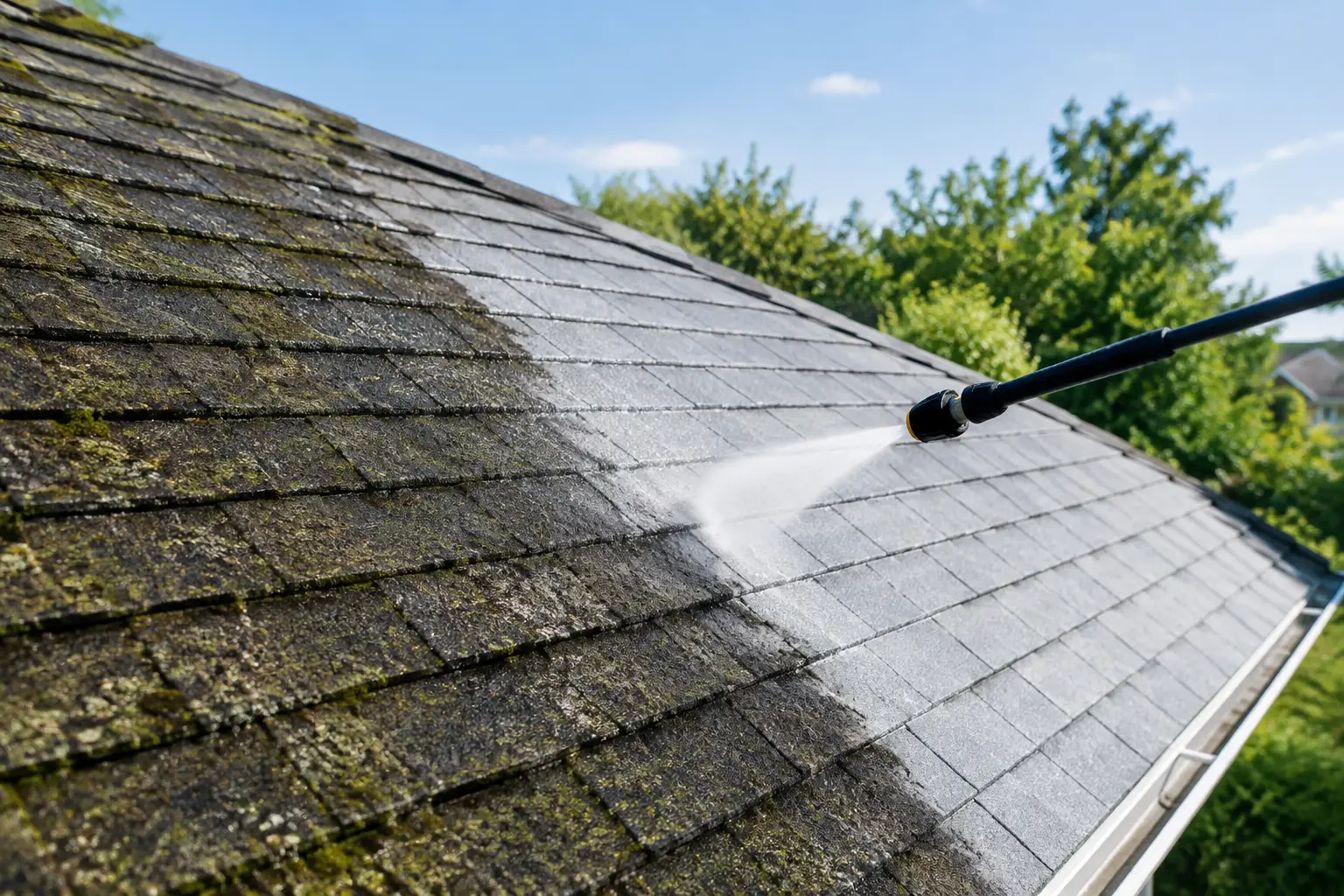
See what real roof cleaning results look like, how long they take, and why safe treatment can protect shingles and help avoid costly replacement bills.
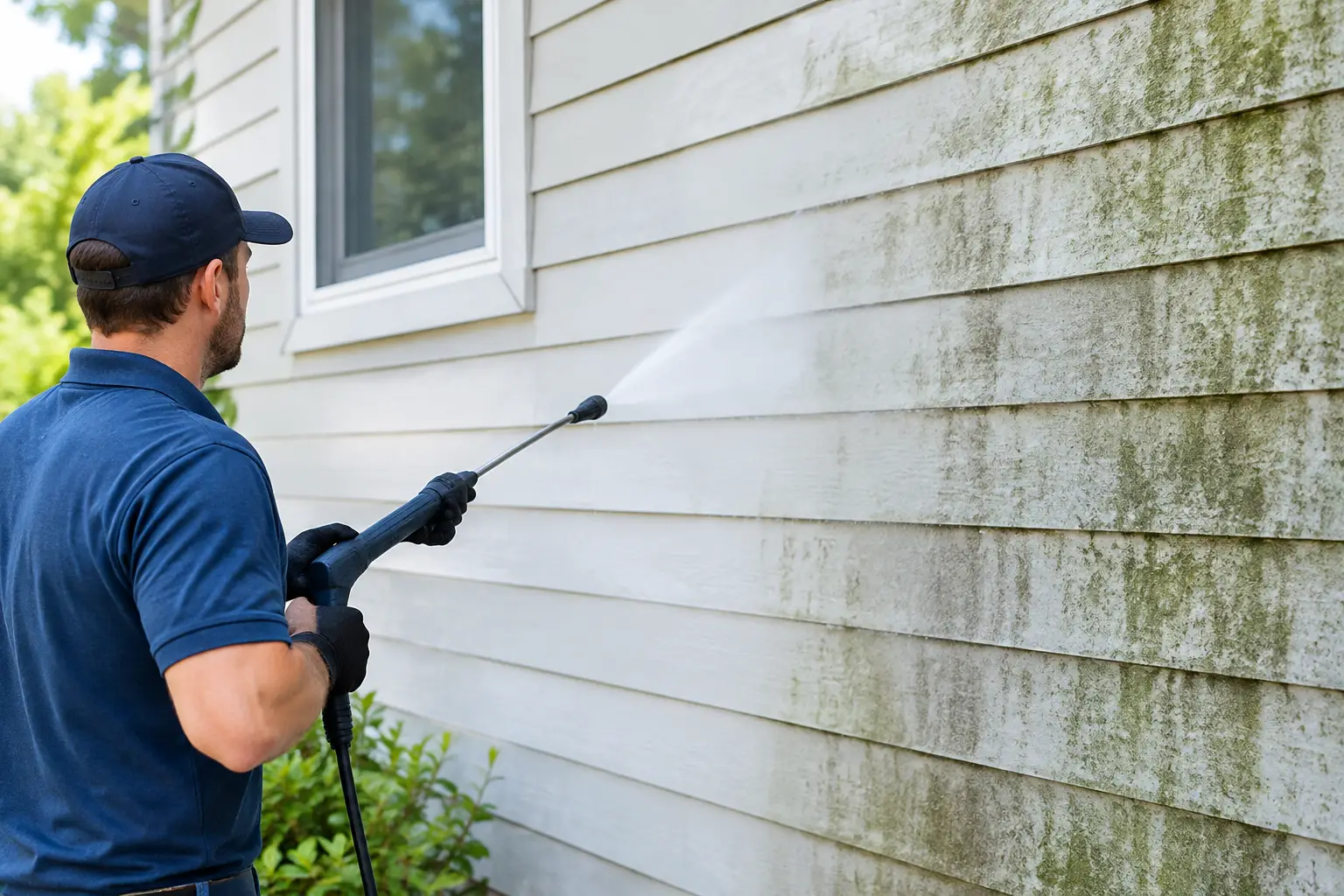
Does soft washing kill mold? Learn how low-pressure cleaning removes exterior growth, when stains suggest damage, and how to protect your home safely.