
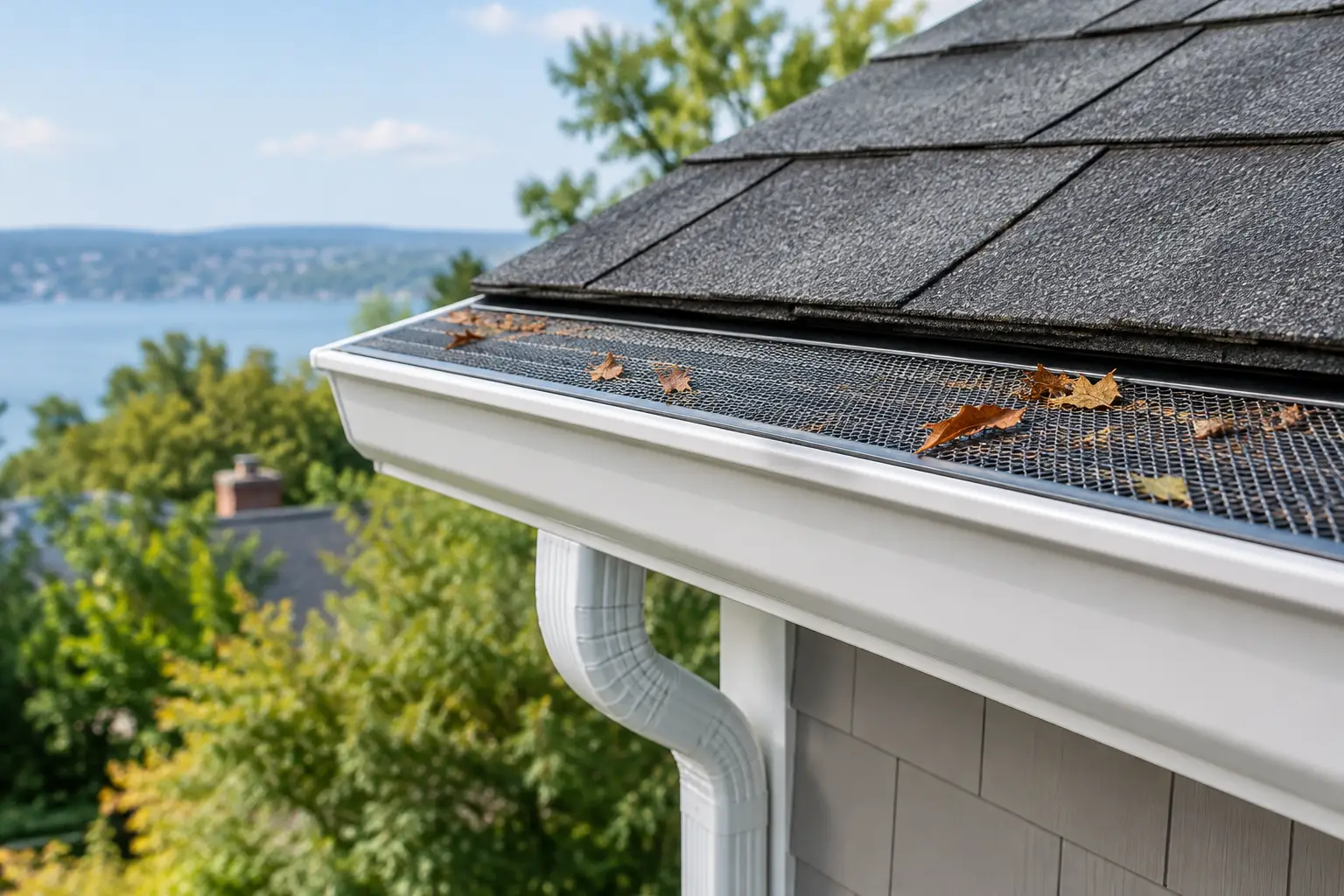
A gutter that overflows during a hard rain is not just an annoyance. Water can spill onto landscaping, soak the foundation area, stain siding, and back up along the roof edge. For many homeowners, gutter guards seem like the obvious answer. Gutter guards can reduce the amount of debris entering the system, but they are not a set-it-and-forget-it replacement for proper gutter maintenance.
The right guard can make seasonal upkeep easier and help protect a home’s drainage system. The wrong product, or a guard installed over already-damaged gutters, can create new problems that are harder to see from the ground. The practical question is not whether every home needs guards. It is whether your roofline, nearby trees, gutter condition, and maintenance goals make them a smart investment.
What Gutter Guards Actually Do
Gutter guards sit over or inside an existing gutter to keep leaves, twigs, seed pods, roof grit, and other large debris from collecting in the channel. Water is meant to pass through the guard while debris is carried off the roof or remains on top where wind and rain can move it away.
That is the intended function, but performance depends on the debris around your property. A home beneath mature oak trees faces different challenges than a home near pines, maples, or black walnut trees. Fine maple seeds, pine needles, and shingle granules can test even a high-quality guard. In Southern Westchester, where established neighborhoods often have dense tree cover, selecting a guard for the specific conditions around the home matters more than choosing the product with the loudest promise.
Guards also do not repair a drainage system. If gutters are pulling away from the fascia, pitched incorrectly, dented, undersized, or connected to a clogged downspout, covering them will not solve the underlying issue. Those conditions should be corrected before any guard installation.
When Gutter Guards Are Worth the Investment
Gutter guards are often a good fit for homeowners who deal with repeated leaf buildup, difficult roof access, or frequent gutter cleaning needs. They can be especially useful when a home has a steep roof, a second-story gutter line, or landscaping that makes ladder placement difficult. Reducing how often a technician needs to remove packed leaves from the system can improve safety and make routine upkeep more manageable.
They also make sense for homeowners who want a cleaner-looking roofline between service visits. When gutters remain clear, rainwater is more likely to move through the system as designed rather than spilling over the front edge. That helps limit the dark streaks, dirty siding, and washed-out mulch beds that often develop below clogged gutters.
Still, guards are not automatically the best first expense. If a roof has active moss growth, loose debris in valleys, deteriorated shingles, or drainage issues caused by damaged gutters, those concerns deserve attention first. Water management begins at the roof surface. A clean, sound roof and a properly functioning gutter system work together.
The Main Types of Gutter Guards
There is no single best gutter guard for every home. Materials, roof pitches, gutter sizes, tree coverage, and budget all affect the right recommendation. Most options fall into four general categories:
- Screen guards use plastic or metal screens with larger openings. They are generally affordable and can stop full leaves, but smaller debris may still enter the gutter.
- Micro-mesh guards use a fine metal mesh that blocks smaller debris while allowing water to pass through. They are often a strong choice for homes affected by small leaves and seed pods, though their performance depends heavily on installation quality.
- Reverse-curve guards direct water around a curved surface and into the gutter through a narrow opening. They can shed leaves well, but they must be matched carefully to roof pitch and rainfall conditions.
- Brush or foam inserts sit inside the gutter and catch debris above them. They are usually inexpensive, but debris can remain trapped on top and may require more regular attention than homeowners expect.
For many Westchester homes, professionally fitted metal micro-mesh guards offer a sensible balance of durability, debris control, and appearance. But even within that category, quality varies. A guard should be securely fastened, properly aligned with the roof edge, and installed in a way that does not interfere with shingle performance or future roof work.
Installation Quality Matters as Much as the Product
A gutter guard is only as effective as the gutter beneath it. Before installation, a professional should inspect the system for loose hangers, sagging sections, open seams, hidden clogs, damaged end caps, and downspout flow problems. Gutters need the correct slope so water moves toward the downspouts instead of pooling in the middle of a run.
The roof edge also deserves careful attention. Guards should not be forced beneath shingles in a way that lifts them, compromises their seal, or creates a place for water to travel where it should not. This is especially relevant on aging asphalt-shingle roofs, where existing wear may already make the roof more vulnerable to wind-driven rain and ice.
A quality installation includes cleaning the gutters and downspouts first. Installing guards over leaf sludge or a buried downspout blockage only hides the problem. At Roof Rescue Southern Westchester, the goal is to diagnose the full exterior issue before recommending a fix, because a guard system should support your home’s drainage, not simply cover it up.
Gutter Guards Still Need Maintenance
The biggest misconception about gutter guards is that they eliminate maintenance forever. They do not. They reduce the volume of debris inside the gutter, but material can still collect on top of the guard, gather in roof valleys, or lodge at downspout openings. Pollen, roof grit, moss fragments, and small seeds can also create a layer that slows water flow through fine mesh.
Most homes with guards still benefit from a professional inspection and light cleaning, typically once a year. Properties surrounded by heavy tree cover may need attention more often, particularly after fall leaf drop or severe storms. During service, the technician should check that water flows freely through each downspout, inspect the guard surface, clear roof debris, and look for early signs of gutter separation or fascia damage.
This ongoing inspection is valuable because water problems are often quiet at first. A small overflow behind a gutter may not be visible from the driveway, but over time it can contribute to rotted trim, peeling paint, damaged soffits, and moisture near the foundation. Preventive maintenance is generally less disruptive and less expensive than repairing water damage after several seasons.
Signs You Should Address Problems Before Adding Guards
If water pours over the gutter during ordinary rain, guards may be part of the solution, but they should not be the first assumption. Look for sagging gutter sections, visible standing water, rust, seams that drip after rainfall, or downspouts that discharge too close to the home. These are signs that the existing system needs repair, re-pitching, or drainage improvements.
It is also wise to inspect the roof before installation if you see moss, black algae streaks, granules collecting near downspouts, cracked shingles, or debris packed beneath the roof edge. Cleaning and preserving an asphalt-shingle roof with the correct low-pressure methods can help protect its usable life. Aggressive pressure washing, on the other hand, can remove granules and shorten the life of shingles.
A good contractor will explain what they find, document areas of concern, and recommend only the work that serves the home. That may mean guard installation, gutter repair, roof cleaning, or simply a scheduled cleaning plan. The right answer depends on the condition of the property.
A Better Way to Think About Gutter Protection
Gutter guards are best viewed as a tool for reducing debris and making regular maintenance safer and more efficient. They are not an insurance policy against every clog, and they cannot compensate for poor installation, failing gutters, or roof conditions that need attention.
If your gutters regularly overflow or your home is surrounded by trees, start with a professional assessment of the entire roof-and-drainage system. A clear diagnosis gives you a practical path forward and helps protect the home you have worked hard to maintain.
continue reading
Related Posts
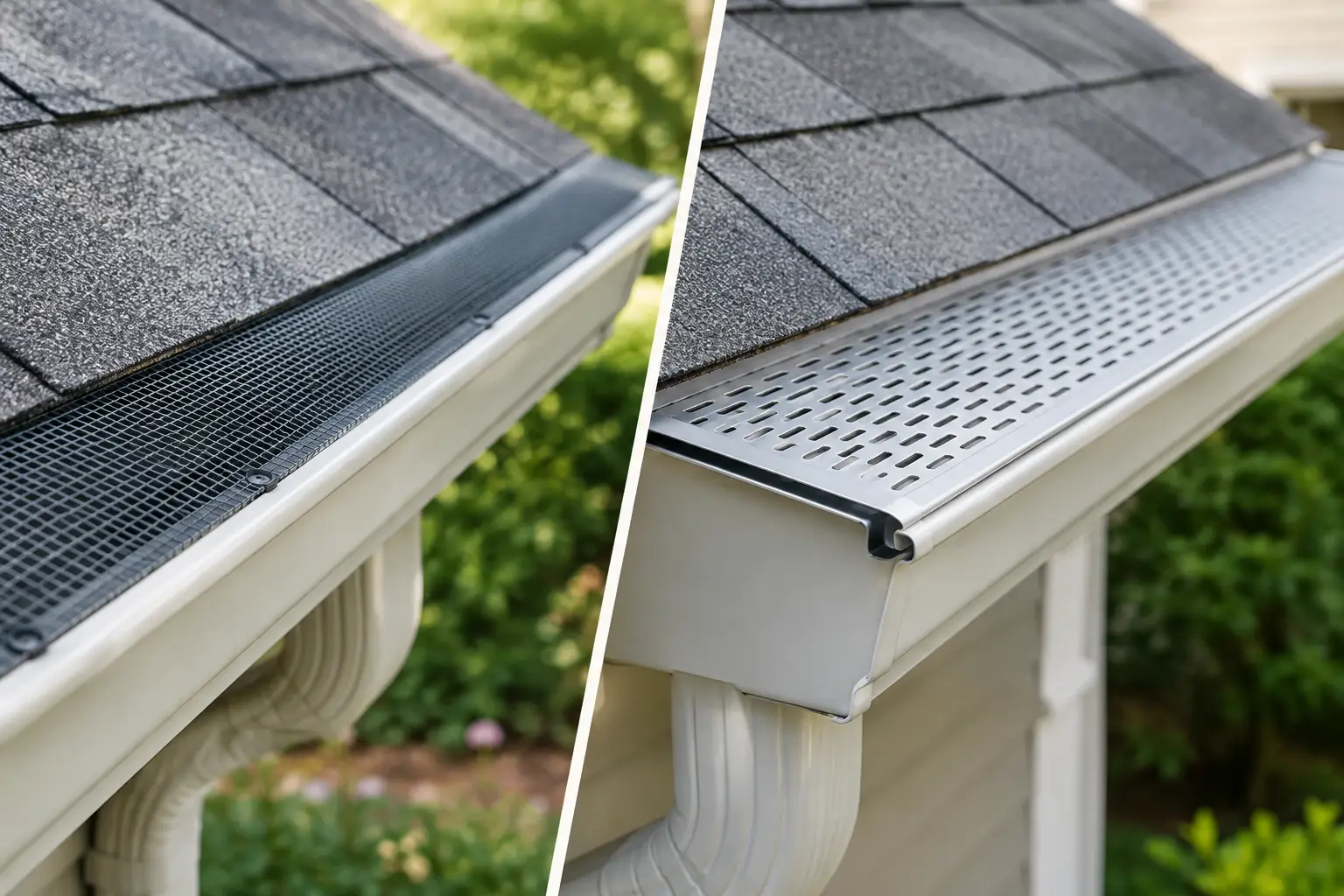
Comparing gutter screens versus guards? Learn which option fits Westchester homes, sheds leaves reliably, and reduces cleaning without trapping debris.
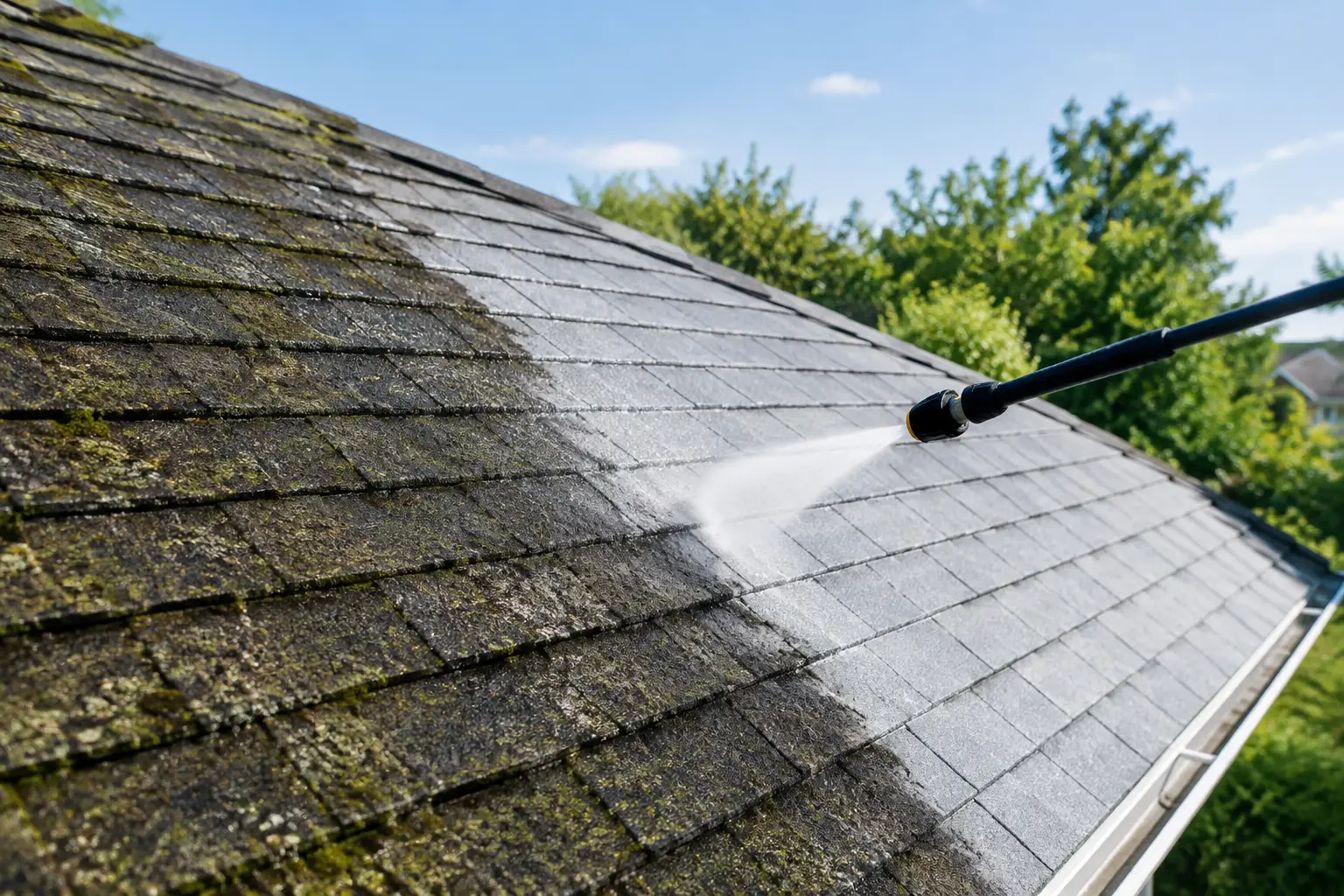
See what real roof cleaning results look like, how long they take, and why safe treatment can protect shingles and help avoid costly replacement bills.
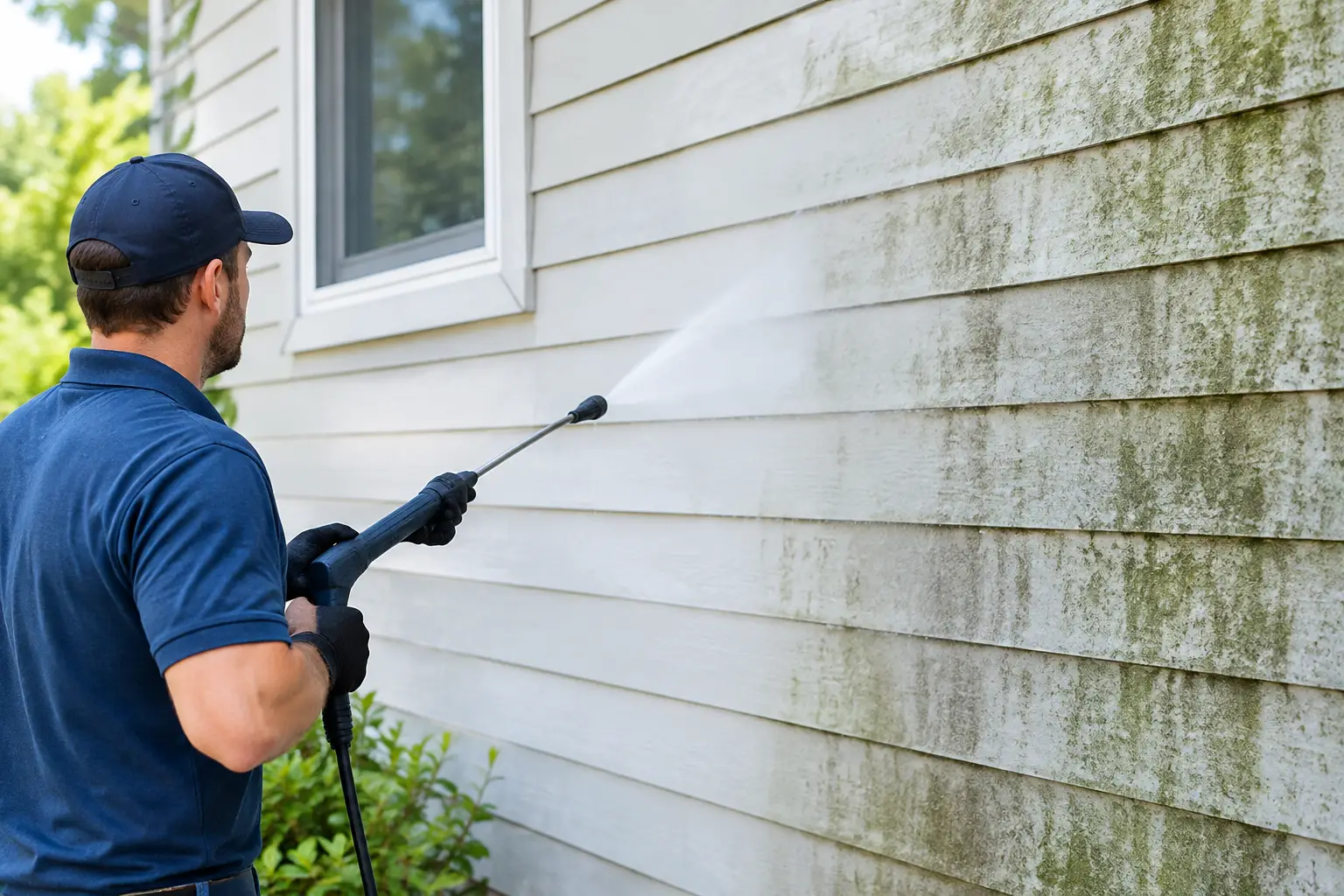
Does soft washing kill mold? Learn how low-pressure cleaning removes exterior growth, when stains suggest damage, and how to protect your home safely.