A black or green stain spreading across shingles can make a well-kept home look neglected fast. It also raises a fair question: does soft washing kill mold, or does it only make the roof look cleaner for a while? The answer depends on what is growing, where it is growing, and whether the cleaning method is matched to the surface.
For exterior surfaces, a properly performed soft wash can kill and remove many types of organic growth, including mold, mildew, algae, and moss. But it is not a cure-all for moisture problems inside a home, failing shingles, or materials that have already been damaged. The goal is to remove the growth safely, address the conditions helping it return, and give the roof or exterior surface the protection it needs.
Does Soft Washing Kill Mold on a Roof?
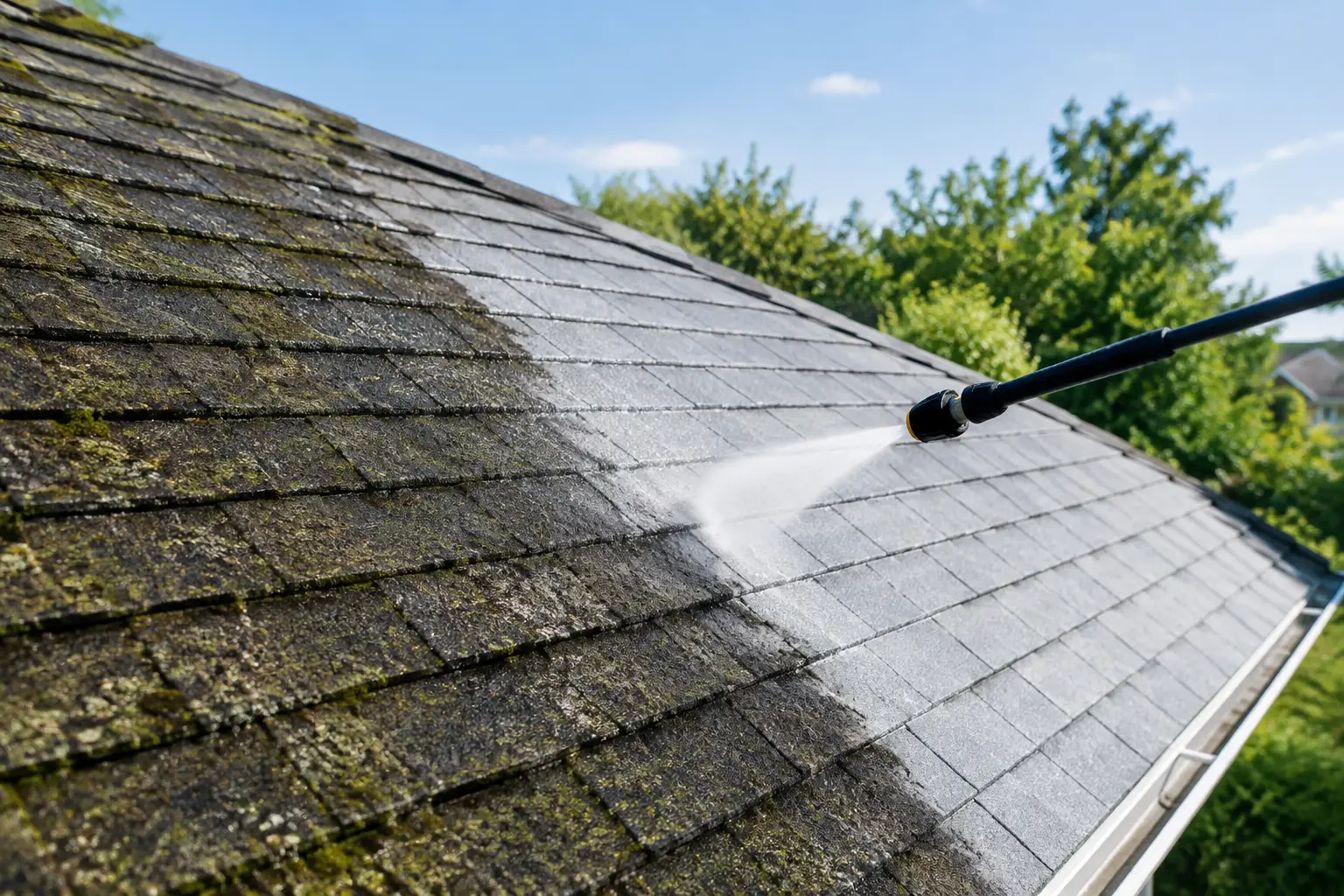
Soft washing uses low water pressure combined with a professional cleaning solution designed to treat organic contamination. Unlike high-pressure washing, which can strip granules from asphalt shingles or force water beneath them, soft washing relies on the solution and adequate dwell time to do the work.
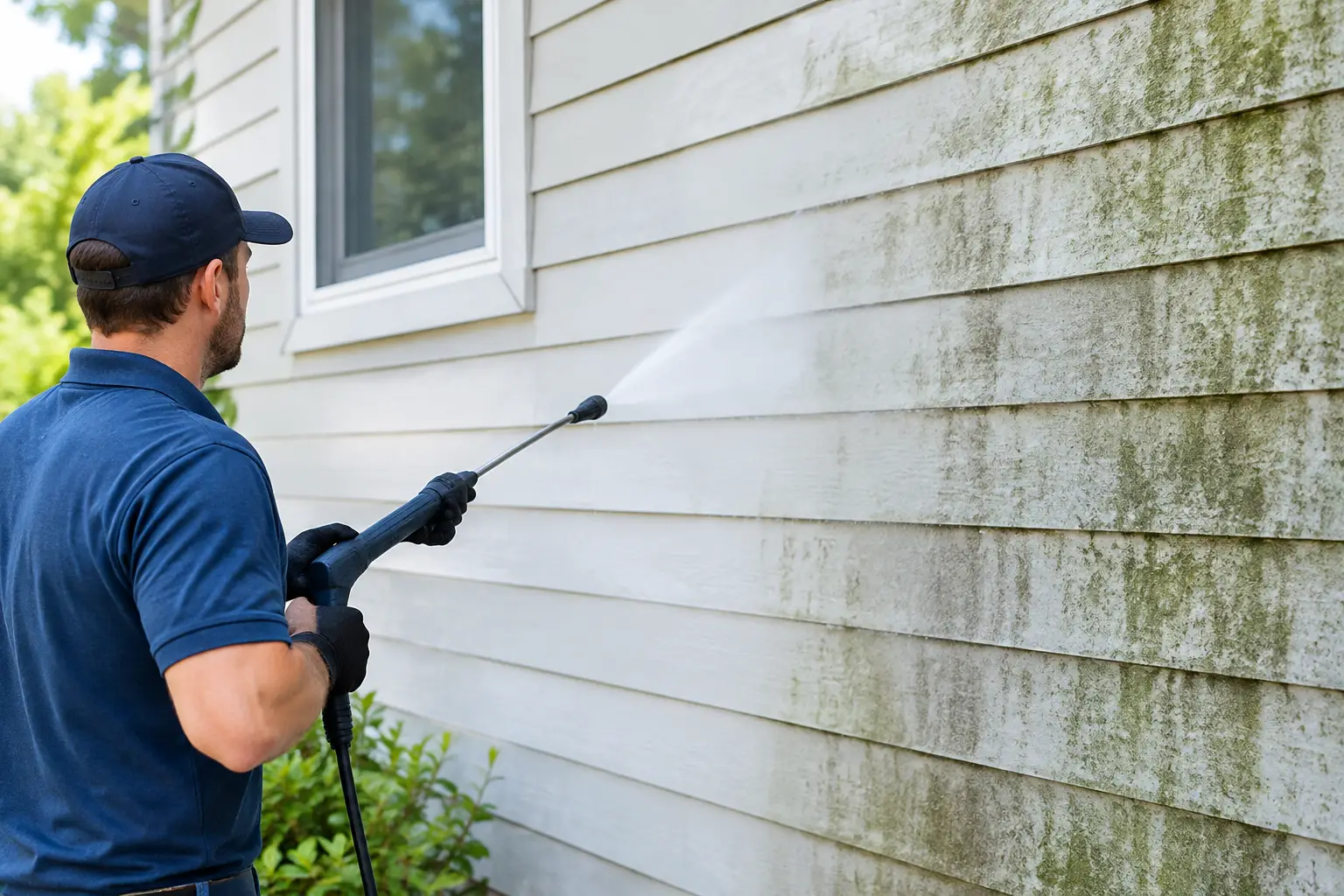
When exterior mold is present on a roof, siding, concrete, or other washable surface, the treatment can kill the active growth and loosen the staining it leaves behind. A thorough rinse then carries away the residue. On roofs, some staining may continue to lighten after treatment as normal weathering rinses away the remaining dead organic matter.
That distinction matters. A surface can look clean immediately after a rinse, but if the underlying organism was not treated, it can return quickly. Conversely, a properly treated roof may have a few stubborn visual remnants at first even though the growth itself is no longer active. Cleaning should be judged by treatment quality and surface safety, not by whether someone used enough pressure to blast every mark away.
Not Every Dark Roof Stain Is Mold
Many Southern Westchester homeowners call any dark roof growth “mold.” Often, the black streaks on asphalt shingles are algae, especially a type that feeds on the limestone filler in many shingles. Moss is different again: it is thicker, holds moisture, and can lift shingle edges as it spreads. Mildew and mold may appear on shaded siding, decks, walkways, soffits, or masonry where moisture lingers.
These organisms have different appearances, but they share a common problem: they thrive where shade, moisture, and organic debris stay in place. Overhanging branches, clogged gutters, poor drainage, and leaf buildup can create ideal conditions for repeated growth.
A trained exterior-cleaning professional does not need to guess based on color alone. The condition of the shingles, the location of the staining, nearby tree coverage, and drainage patterns all help determine what is present and how it should be treated. That assessment is especially valuable on an older roof, where cleaning should never hide a more serious condition such as cracking, granule loss, exposed fiberglass, or deteriorated flashing.
Why Soft Washing Is Safer Than High Pressure
A roof is not a driveway. Asphalt shingles are designed to shed water from above, not withstand concentrated water pressure aimed at their edges. High-pressure washing can dislodge protective granules, shorten shingle life, damage seals, and send water where it does not belong.
Soft washing applies cleaning agents at low pressure, closer to the force of a garden hose than a pressure washer. The technician allows the solution to contact the growth long enough to work, then rinses carefully as needed. This approach is effective because it treats the cause of staining instead of aggressively scouring the roof surface.
The same principle applies to delicate exterior areas such as painted siding, trim, screened enclosures, older masonry, and certain composite materials. Pressure washing still has a place for durable hard surfaces, including properly assessed concrete and some pavers. It is simply not the right answer for every exterior cleaning job.
What Soft Washing Can and Cannot Fix
Soft washing can restore curb appeal, remove harmful organic buildup, and help homeowners get a clearer view of their roof’s actual condition. Removing moss and algae also reduces the moisture-holding layer that can keep shingles damp longer than they should be.
What it cannot do is reverse physical wear. If shingles are curling, brittle, bald from granule loss, cracked, or nearing the end of their serviceable life, cleaning will not turn them into new shingles. In that situation, an honest recommendation may be repair, replacement planning, or a preservation treatment only if the roof still qualifies.
Soft washing also does not solve indoor mold. If mold is growing in an attic, ceiling, wall cavity, or insulation, the source may be a roof leak, ventilation problem, plumbing issue, or condensation. Exterior roof cleaning may be part of the property-care plan, but indoor mold requires a separate moisture diagnosis and, when appropriate, qualified remediation.
The Right Process Protects Plants and Property
Homeowners should be cautious of anyone who treats roof cleaning as a quick spray-and-go service. Cleaning solutions need to be selected and applied carefully, particularly around landscaping, painted surfaces, gutters, and nearby outdoor living areas.
A responsible soft-washing process starts with inspection and preparation. Sensitive plants should be watered before treatment, protected as needed, and rinsed during and after the job. Downspouts and runoff areas deserve attention, too. The crew should use controlled application, avoid unnecessary overspray, and inspect the property before leaving.
Weather matters as well. Rain, wind, extreme heat, and freezing conditions can affect both safety and results. A professional should be willing to reschedule rather than force a treatment in poor conditions. Doing the job right the first time includes knowing when conditions are not right.
How to Keep Mold, Algae, and Moss From Returning
No exterior cleaning can promise that a shaded, tree-covered roof will never develop growth again. In Westchester County, humid summers, seasonal leaf fall, and mature landscaping give algae and moss plenty of opportunities to return. Still, homeowners can greatly slow the process.
Keep gutters clear so water moves away from the roofline. Trim back branches that keep the roof in deep shade or drop heavy debris onto shingles. Remove leaf piles from valleys and behind chimneys, and make sure attic ventilation is functioning as intended. These steps reduce retained moisture and help a roof dry more efficiently after rain.
For qualifying asphalt-shingle roofs, a plant-based shingle preservation treatment may also be worth discussing after cleaning. A USDA Certified Biobased treatment is designed to replenish flexibility and help protect aging shingles from continued drying, cracking, and UV exposure. It is not a substitute for a roof that has failed, but for a roof with useful life remaining, preservation can be a practical alternative to replacing it before necessary.
When It Is Time for a Professional Assessment
Call for an assessment if you see widespread black streaks, thick moss, repeated staining in the same areas, loose granules in gutters, curling shingles, or signs of a leak indoors. Photos and a close inspection can separate a cleanable growth problem from a repair or replacement concern.
At Roof Rescue Southern Westchester, the recommendation should fit the roof, not a sales target. Sometimes the right next step is soft washing. Sometimes it is gutter work, drainage correction, shingle preservation, or a conversation about replacement planning. A homeowner deserves a clear explanation before any work begins.
If exterior growth is making you question your roof’s condition, Schedule Your Free Roof Assessment. A careful look now can protect your home, restore its appearance, and help prevent an avoidable replacement bill later.
continue reading
Related Posts
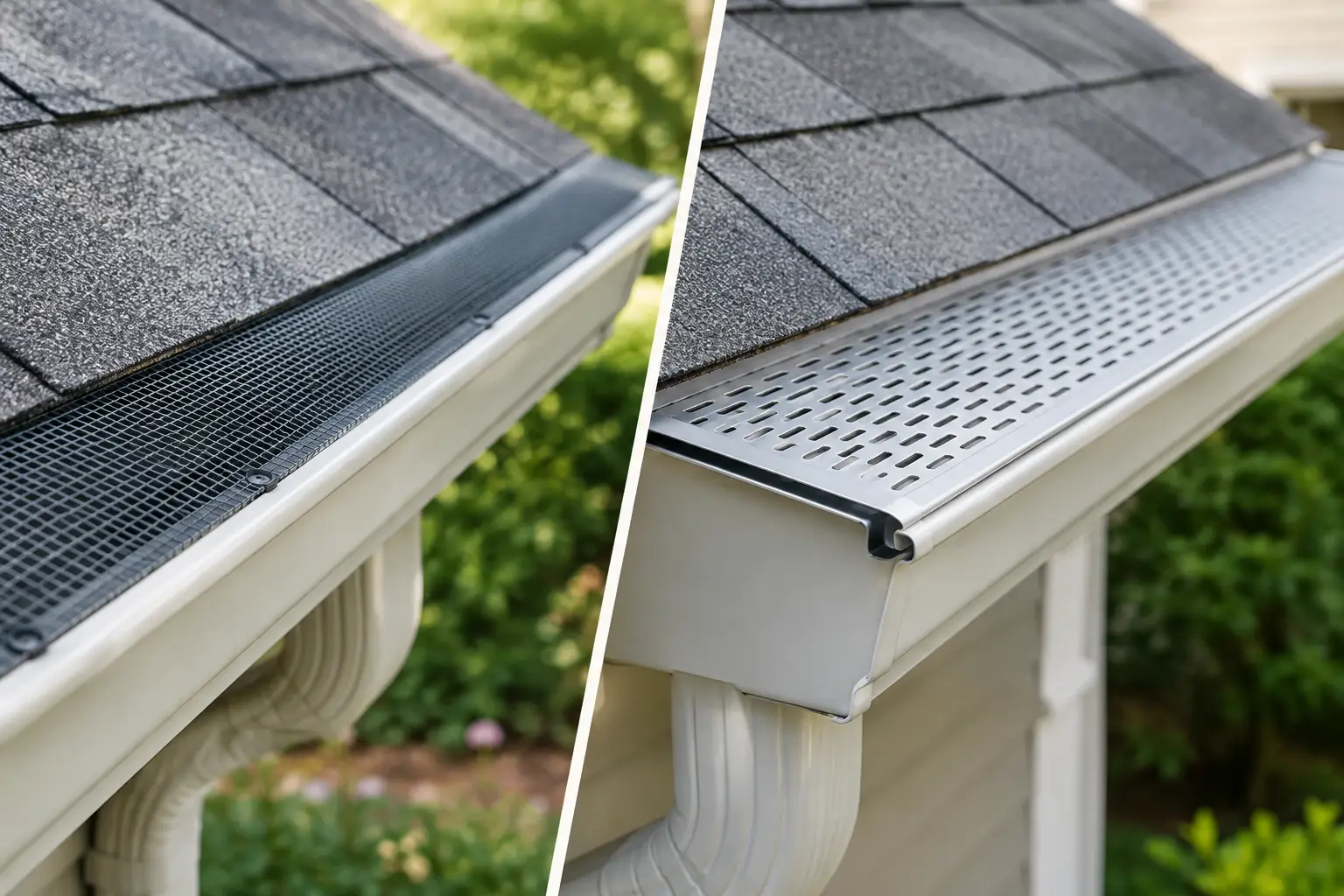
Comparing gutter screens versus guards? Learn which option fits Westchester homes, sheds leaves reliably, and reduces cleaning without trapping debris.
See what real roof cleaning results look like, how long they take, and why safe treatment can protect shingles and help avoid costly replacement bills.
Why roofs blister, what heat and moisture do to asphalt shingles, and when a professional inspection can protect your home from costly repairs later on.