
A gutter can look fine from the ground while holding enough wet leaves, shingle grit, and roof runoff to create a problem at the next hard rain. When homeowners compare gutter screens versus guards, the real question is not which product promises “no more cleaning.” It is which system matches the trees around the home, the roofline, the gutter condition, and the level of maintenance the homeowner can reasonably expect.
For many homes in Southern Westchester, a well-chosen gutter protection system reduces clogs and makes seasonal upkeep safer. But the wrong one can collect debris on top, restrict water flow, or hide a gutter issue until water is spilling over the edge. A practical recommendation starts with the property, not a one-size-fits-all product.
What Is the Difference Between Gutter Screens and Guards?
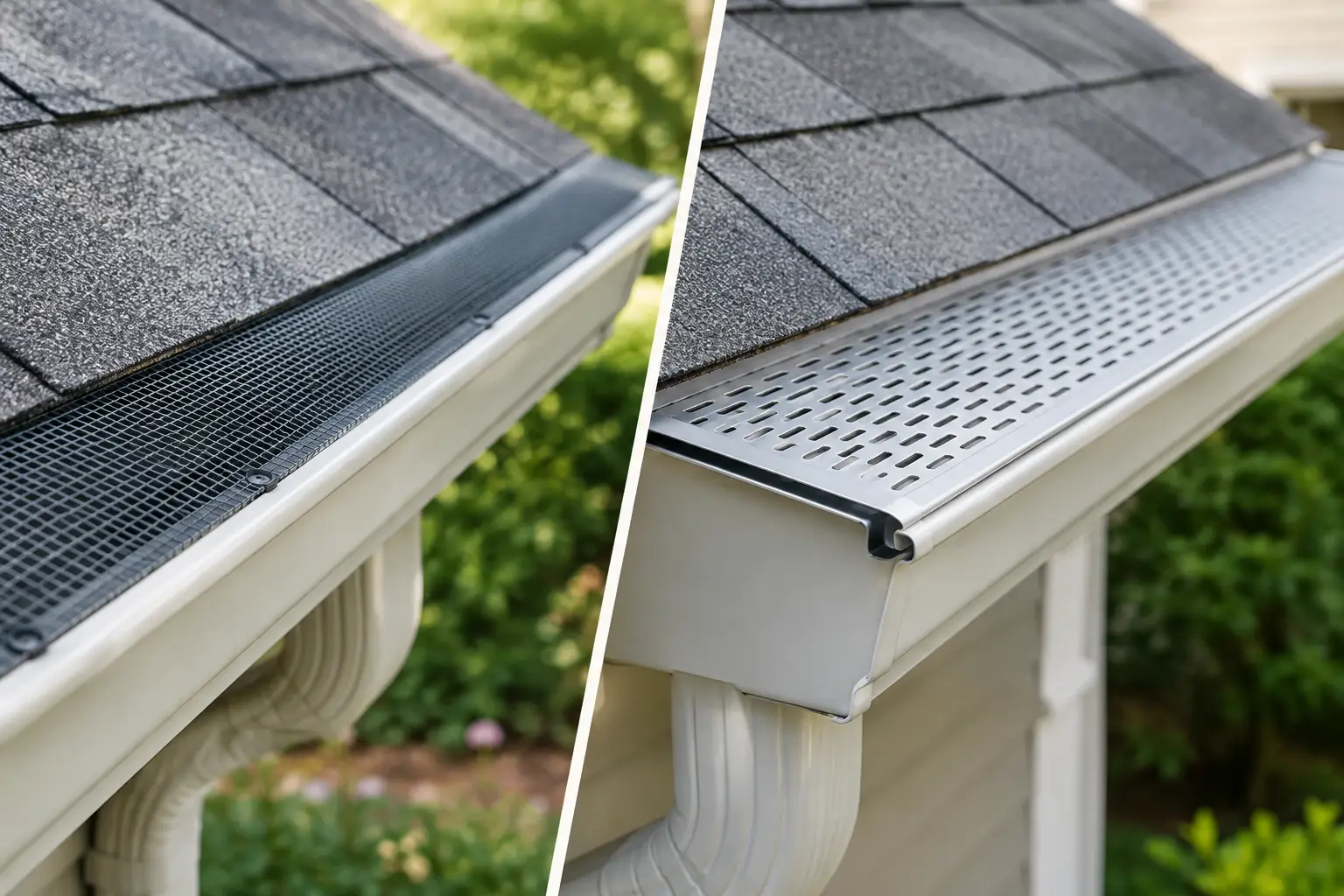
“Gutter guard” is the broad category. It describes nearly any product designed to keep leaves and debris out of a gutter while allowing rainwater to enter. Gutter screens are one type of guard, usually a flat or slightly raised panel with holes, slots, or mesh that sits over the gutter opening.
In everyday conversation, contractors and homeowners often use the terms interchangeably. The distinction matters because products sold as guards can work very differently. A basic screen may block large leaves but allow small seeds and roof grit through. A fine micro-mesh guard can block much smaller debris, but it also needs to be selected and installed correctly so water can pass through during heavy rain.
Other guard styles include solid-surface covers that direct water into a narrow opening, foam inserts that sit inside the gutter, and bristle-style inserts. Each has a place, but each has limitations that should be discussed honestly before installation.
Gutter Screens Versus Guards: How They Perform
The best choice depends largely on the debris your roof sheds and the trees that surround it. A home under mature oaks, maples, pine trees, or locusts faces a different challenge than a home with open exposure and only a few broadleaf trees nearby.
Standard screens: simple and cost-conscious
Basic aluminum, vinyl, or perforated metal screens are generally the most straightforward option. They keep larger leaves, twigs, and windblown debris from falling directly into the gutter. On a home with mostly large leaves and moderate tree cover, they can make a meaningful difference at a reasonable cost.
Their trade-off is that debris can rest on top of the screen. Wet leaves may need to be brushed or blown off, particularly in valleys or low-slope areas where roof runoff pushes material toward the gutter. Small maple seeds, pine needles, and asphalt-shingle granules can also pass through larger openings.
Screens make sense when the goal is to reduce the volume of debris entering an otherwise sound gutter system, not to eliminate maintenance altogether.
Micro-mesh guards: stronger filtration for fine debris
Fine stainless-steel micro-mesh guards are designed to keep out much smaller debris, including pine needles, seed pods, and roof granules. For heavily wooded properties, they can provide a cleaner gutter interior and reduce the frequency of major cleanouts.
The quality of the mesh, frame, and installation is critical. A flimsy product can sag, bend, or separate under snow and accumulated debris. Even quality micro-mesh can develop a layer of pollen, roof grit, or organic material that slows water entry over time. This is especially relevant where moss, algae, or overhanging trees create frequent roof debris.
When properly fitted, micro-mesh is often a strong option for homeowners who want more protection from fine debris. It is not a substitute for checking the system after storms and during peak leaf season.
Solid-surface covers: effective but not right for every roofline
Solid or reverse-curve covers use surface tension to guide water into the gutter while debris passes over the edge. They can work well in certain conditions and keep most material out of the gutter itself.
However, performance can vary with roof pitch, rainfall intensity, gutter size, and the way water exits the roof. During a fast, heavy downpour, some systems may overshoot if they are not matched correctly to the roofline. They can also be more visible than low-profile mesh products and may cost more to install.
A system that handles average rain but struggles during the storms that cause the most overflow is not delivering the protection a homeowner expects.
Foam and brush inserts: quick installation, higher upkeep
Foam inserts and brush-style guards are often marketed as easy, low-cost solutions. They sit inside the gutter rather than covering it. They can block large leaves at first, but they tend to catch and hold organic material. Once that material stays damp, it can support seeds, mildew, and decomposition.
For that reason, these options are rarely the best long-term answer for homes with significant tree cover. They may be suitable as a short-term measure, but homeowners should understand that they still require removal and cleaning.
Your Roof and Gutters Need to Be Ready First
Gutter protection cannot correct gutters that are loose, undersized, improperly pitched, or already packed with old debris. Before any screen or guard is installed, the gutters should be cleaned, inspected, and secured. Downspouts should be checked for clear flow, and extensions should direct water away from the foundation.
This is also the right time to look at the roof edge. Granule buildup in gutters may be normal in small amounts on a newer roof, but a heavy concentration can be a sign of shingle wear. Moss growth near the eaves, damaged fascia, or water staining under the gutter line deserves attention before it becomes a larger exterior repair.
Installation details matter. Some products tuck beneath shingles, while others attach to the gutter lip or fascia. A professional should avoid practices that compromise shingle performance, interfere with roof drainage, or create gaps where water can reach the wood behind the gutter. Protecting the roof has to remain the priority.
The Honest Answer: Guards Still Need Maintenance
No credible gutter protection system makes a house maintenance-free. Guards reduce the amount of material inside the gutter, but leaves, needles, pollen, and roof sediment can still collect on the surface. Downspouts can also clog below the guard, especially if older material was not fully removed before installation.
For most Westchester homes, it is wise to visually inspect gutters in spring and again after the main fall leaf drop. Homes beneath dense tree cover, or homes with pine needles and frequent storm debris, may need more frequent checks. Look for water spilling over the front of the gutter, dark streaks on siding, plants growing near the gutter line, sagging sections, or water pooling near the foundation.
The goal is not to climb a ladder after every storm. It is to catch obvious warning signs early and schedule safe service before overflowing water reaches the roof edge, siding, landscaping, or basement.
Which Option Is Right for Your Home?
A standard screen can be a sensible choice for a lightly wooded property with large leaves, accessible rooflines, and homeowners who are comfortable with periodic cleaning. A quality micro-mesh guard is often better for homes exposed to smaller debris, pine needles, seed pods, and frequent leaf fall. Solid covers deserve consideration when the roof pitch, gutter capacity, and rainfall patterns support their design.
Budget should be part of the conversation, but the cheapest guard is not always the least expensive choice over time. If a product traps wet debris, requires repeated removal, or fails during heavy rain, the savings disappear quickly. On the other hand, paying for an elaborate system on a low-debris property may not be necessary.
The most useful assessment includes the condition of the existing gutters, the surrounding trees, roof valleys, downspout layout, and any history of overflow. Photos and a clear explanation should come before a recommendation. A trusted exterior-maintenance provider should be comfortable saying when simple gutter cleaning and minor repairs are all a home needs.
A good gutter guard should quietly do its job in the background: keep water moving, reduce ladder time, and help protect the roof and foundation from avoidable moisture. If you are unsure what your home needs, schedule a free roof and gutter assessment with Roof Rescue Southern Westchester. A careful look at the whole drainage system can prevent a small seasonal clog from becoming an expensive repair.
continue reading
Related Posts
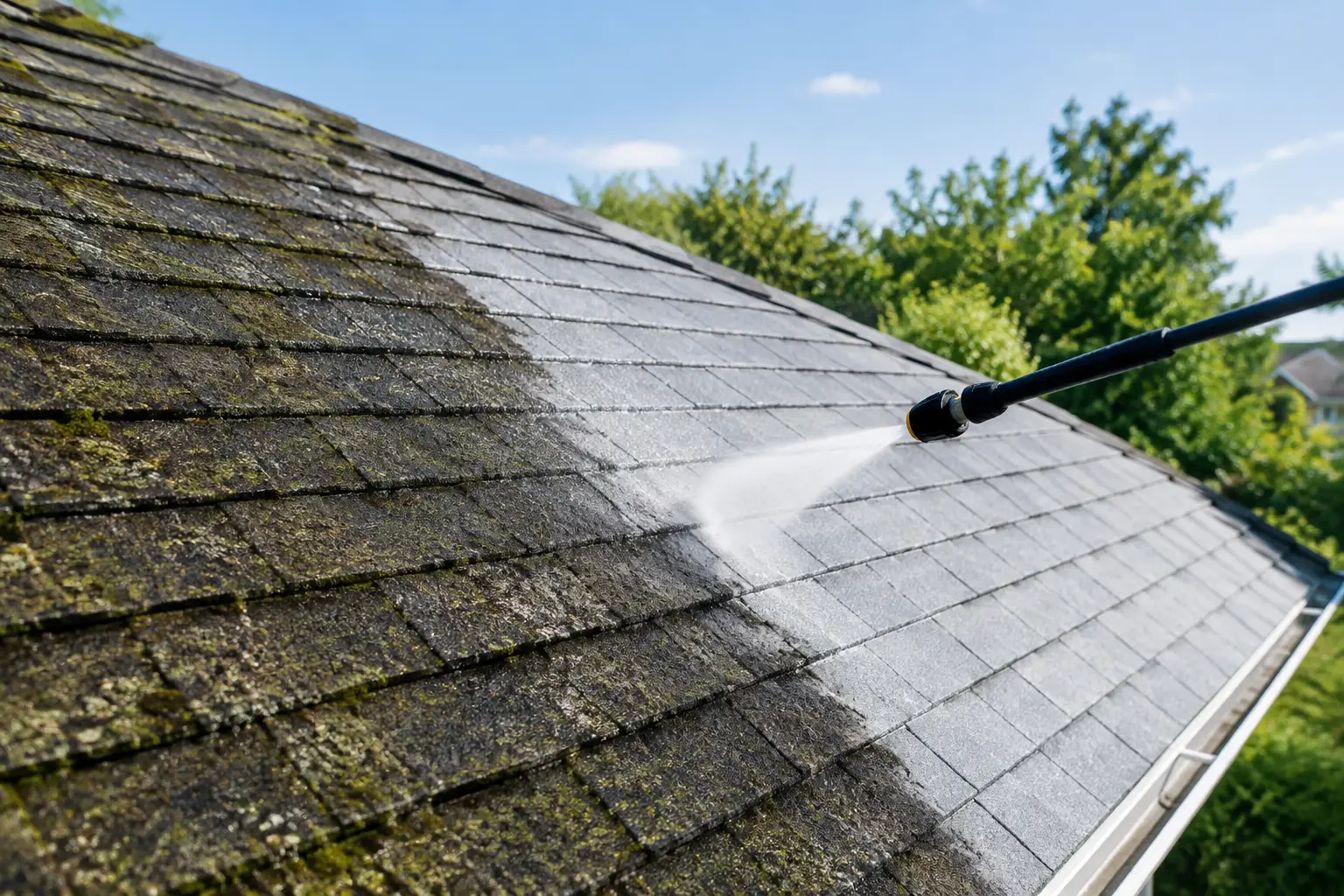
See what real roof cleaning results look like, how long they take, and why safe treatment can protect shingles and help avoid costly replacement bills.
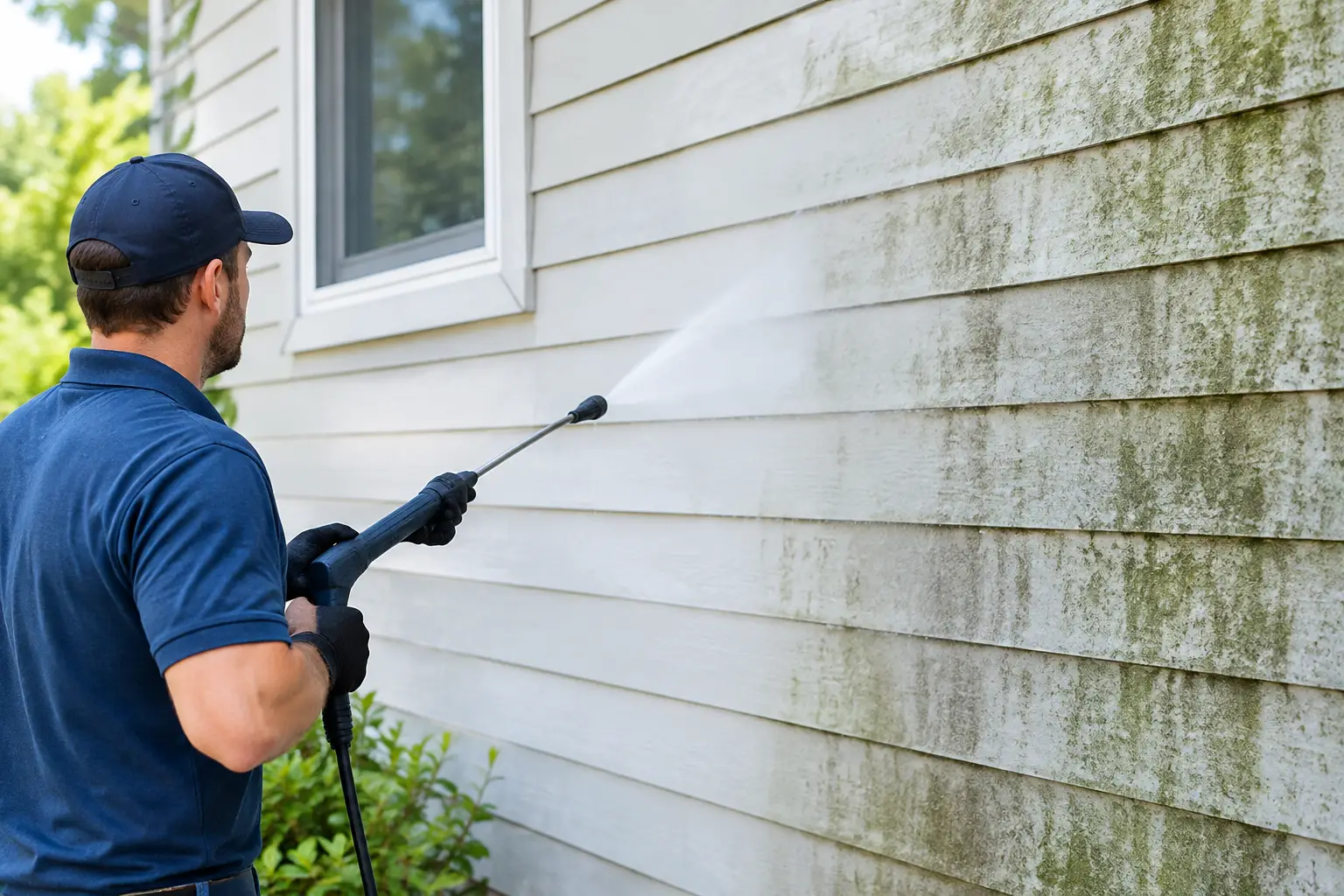
Does soft washing kill mold? Learn how low-pressure cleaning removes exterior growth, when stains suggest damage, and how to protect your home safely.

Why roofs blister, what heat and moisture do to asphalt shingles, and when a professional inspection can protect your home from costly repairs later on.