
A roof problem rarely waits for a convenient time. You may notice black algae streaks, moss lifting shingles, water stains near a ceiling, or gutters overflowing during a Westchester rainstorm. When you need to choose an insured roof contractor, insurance should be more than a reassuring phrase on a truck or estimate. It is one of the clearest ways to protect your home, your finances, and the people working on your property.
A contractor can be experienced, friendly, and competitively priced, yet still leave a homeowner exposed if an accident occurs and proper coverage is missing. The goal is not to make hiring help feel complicated. It is to ask a few direct questions before anyone climbs a ladder, treats your shingles, or begins exterior work.
Why Insurance Matters When You Choose an Insured Roof Contractor
Roof work and roof maintenance carry real risks. Ladders, steep slopes, wet surfaces, cleaning equipment, landscaping, and overhead power lines all require careful planning. Even a smaller project such as roof washing, gutter cleaning, or moss treatment can create liability if a worker is injured or a neighboring surface is damaged.
A properly insured contractor helps create a line of protection between an on-site accident and the homeowner. In practical terms, that means the company should carry general liability insurance to address covered property damage or third-party injury claims. If the company has employees, workers’ compensation coverage is equally significant. Without it, a homeowner could face uncomfortable questions or potential liability after a worker is hurt on the job.
Insurance does not guarantee flawless work. It does show that a contractor takes the responsibilities of working at someone else’s home seriously. A responsible company also pairs coverage with training, safe equipment, documented procedures, and a willingness to explain what it will do before the work begins.
Ask for Proof, Not Just a Promise
Most reputable contractors expect homeowners to ask about insurance. A vague answer such as “we’re covered” is not enough. Ask for a current certificate of insurance before scheduling the project, especially for work involving a roof, tall ladders, pressure washing, or exterior treatments.
Review the certificate for the business name, the effective dates, and the types of coverage listed. The name should match the company providing your estimate and arriving at your home. If the certificate is expired, lists a different business, or seems incomplete, pause the project until the discrepancy is resolved.
For added peace of mind, ask whether the contractor carries workers’ compensation coverage or has a valid exemption under New York requirements. A legitimate contractor should be able to address the question plainly. If they become defensive or insist that insurance is unnecessary, that is useful information – and a reason to keep looking.
Do not assume your own homeowners insurance will automatically handle a contractor’s mistake or a worker injury. Every policy and claim is different. The safer approach is to hire a qualified company that maintains its own appropriate coverage from the start.
Make Sure the Coverage Fits the Work
Not every exterior job has the same risk profile. Replacing damaged shingles, cleaning a roof, applying a shingle-preservation treatment, installing gutter guards, and pressure washing a driveway use different tools and methods. The contractor’s estimate should describe the actual scope of work rather than offering a one-line promise to “fix roof.”
For example, asphalt-shingle roofs need a careful approach. High-pressure washing can strip protective granules, force water under shingles, and shorten the useful life of an already aging roof. A contractor who recommends soft washing should explain how nearby plants, siding, gutters, and outdoor fixtures will be protected. If treatment is proposed, ask what product will be used, why it is appropriate for your roof, and what results are realistic.
The right professional will not use insurance as an excuse to take shortcuts. Coverage is a safeguard. Skilled workmanship, proper materials, and respect for the property are still what prevent most problems in the first place.
Compare More Than the Lowest Estimate
A low estimate can be tempting when roof replacement costs are high. But there is a meaningful difference between a fair price and a price that leaves out labor protections, preparation, cleanup, or proper materials. If one quote is far lower than the rest, ask what is missing before accepting it.
Compare written estimates side by side. Look for a clear description of the condition observed, the work to be performed, the materials or treatments involved, the expected timeline, and who is responsible for cleanup. If the contractor sees moss, algae staining, cracked shingles, granule loss, or clogged gutters, the estimate should connect the recommendation to the problem.
A good contractor will also distinguish between maintenance and repair. Roof cleaning may remove damaging organic growth and improve curb appeal, but it cannot restore shingles that are structurally worn out or solve an active leak caused by failed flashing. Likewise, a preservation treatment may help replenish flexibility in suitable asphalt shingles, but it is not a substitute for replacement when the roof has reached the end of its serviceable life.
That honest distinction protects homeowners from two expensive mistakes: replacing a roof that could have been maintained, or spending on maintenance when replacement is truly necessary.
Look for Clear Communication Before Work Starts
The way a contractor communicates before the job is often a preview of the work itself. You should not have to chase down basic answers about scheduling, access, safety, payment, or what happens if weather changes the plan.
Ask how the crew will access the roof, where equipment will be placed, and whether vehicles need to be moved from the driveway. If landscaping sits close to the house, ask how plants will be protected and rinsed. If your property has skylights, solar equipment, older gutters, loose siding, or delicate masonry, point those out during the assessment so they can be documented.
Photos are especially helpful. A contractor who provides clear before-and-after documentation can show you the algae, moss, clogged drainage areas, or damaged sections that informed the recommendation. This creates a shared record of the home’s condition and helps eliminate guesswork.
Be cautious if someone pressures you to approve work immediately, demands a large cash payment, or cannot provide a written scope. Urgency is appropriate after storm damage or an active leak, but even then, a professional should explain the immediate protective steps and document the work.
Questions Worth Asking During a Roof Assessment
You do not need roofing expertise to have a productive conversation. Ask whether the contractor believes the roof needs cleaning, repair, preservation, or replacement, and why. Ask what conditions could affect the price once work begins. Ask whether subcontractors will be involved and whether they are covered under the contractor’s insurance arrangements.
It is also reasonable to ask about warranties or workmanship guarantees, but read the details carefully. A warranty is only as useful as the written terms behind it. Know what is covered, for how long, and what maintenance requirements may apply.
For homeowners in Southern Westchester, local experience adds value because contractors regularly encounter mature trees, shaded rooflines, seasonal leaf buildup, and the algae and moss conditions that thrive in humid areas. Familiarity with these issues can lead to a more accurate recommendation and less unnecessary work.
Choose a Contractor Who Protects the Whole Property
Your roof does not operate separately from the rest of the exterior. Clogged gutters can send water behind fascia boards. Moss can hold moisture against shingles. Overhanging branches can drop debris and create shade that encourages organic growth. A contractor focused only on the most visible stain may miss the underlying condition contributing to it.
That is why an assessment should consider roof drainage, gutter condition, nearby vegetation, shingle age, and visible wear together. The best recommendation may be a targeted repair. It may be gentle roof cleaning followed by ongoing maintenance. It may be a plant-based shingle treatment that helps extend the useful life of an eligible roof for a fraction of replacement cost. Or it may be an honest recommendation to consult a roofing replacement specialist.
At Roof Rescue Southern Westchester, the standard is straightforward: treat a homeowner’s property with the same care expected at our own homes. That means explaining the condition clearly, documenting what we see, and recommending the work that makes sense – not the biggest possible job.
Before you sign an estimate, take one final moment to verify insurance, read the scope, and make sure your questions have been answered. A trustworthy contractor will welcome that care. Your home deserves a team that protects it long before the first ladder goes up.
continue reading
Related Posts
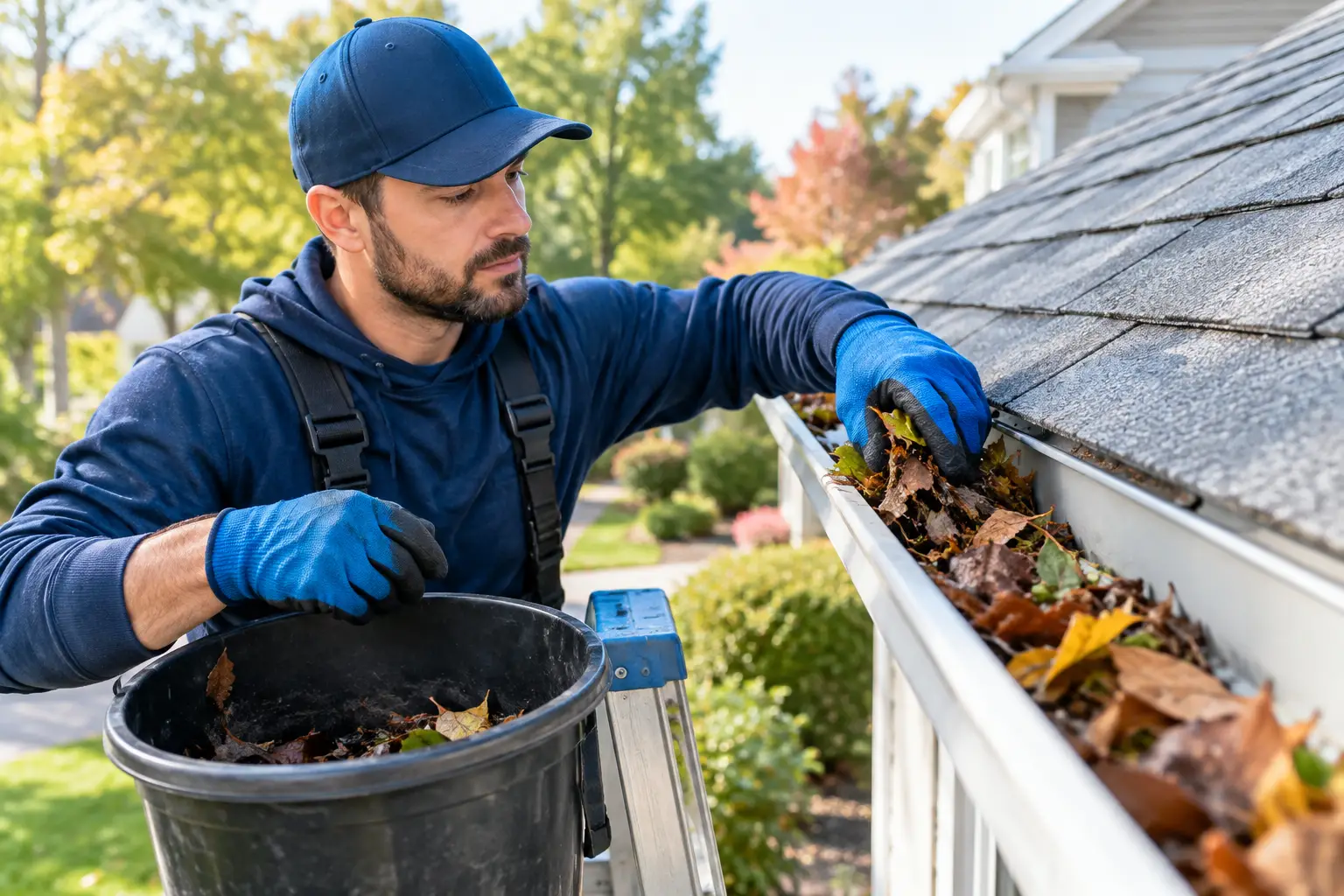
Scarsdale gutter cleaning reviews can reveal a lot. Learn which details point to safe, reliable service, fair pricing, and lasting protection for homes.
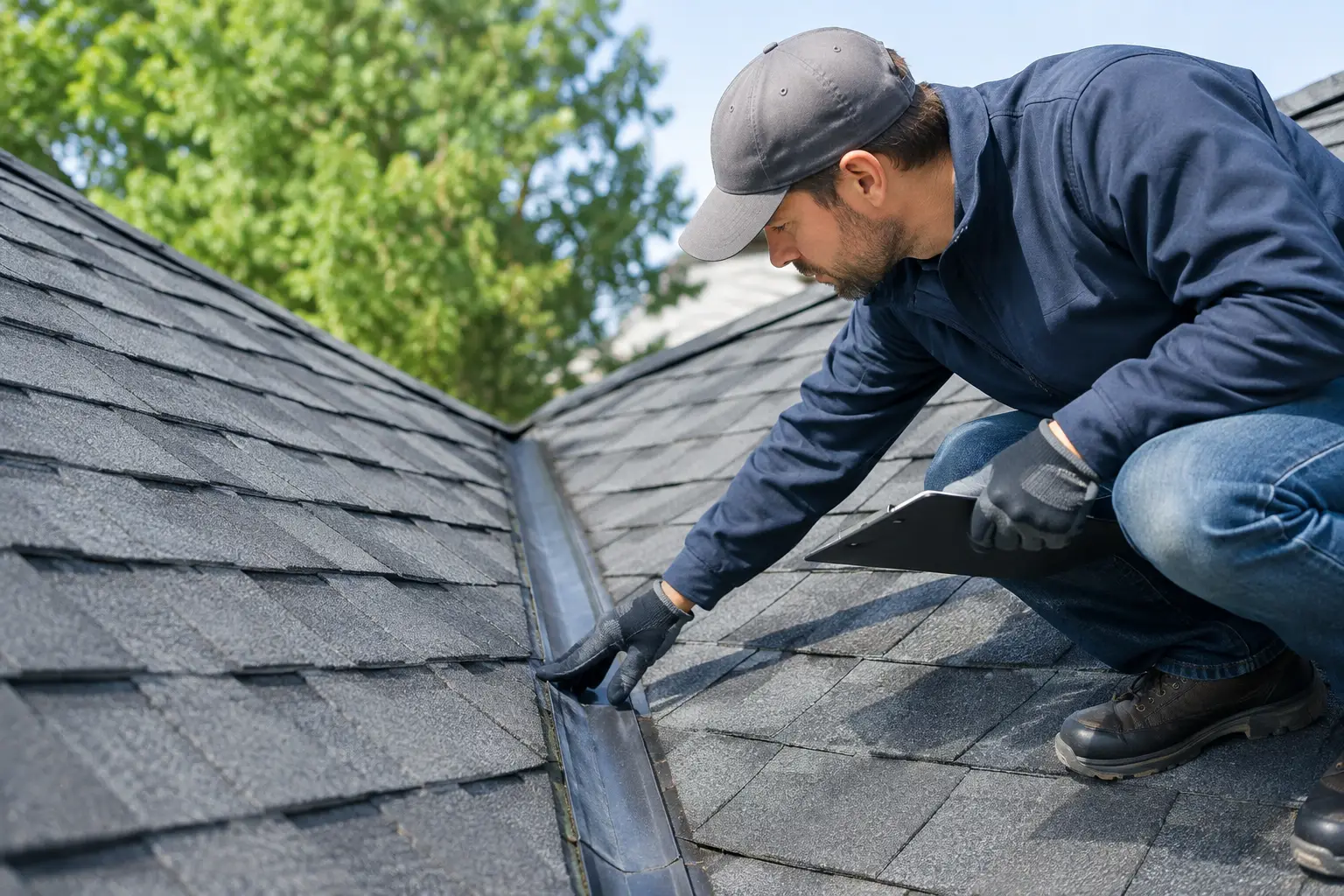
Learn how to maintain roof valleys safely, spot early trouble, protect shingles, and know when a Southern Westchester professional should step in today.
Roof restoration can clean, protect, and extend shingle life. Learn when maintenance makes sense and when replacement is the safer call for your home.