Black streaks, green moss, and shaded roof sections can make a well-kept home look neglected fast. More importantly, they can hold moisture against asphalt shingles and contribute to premature wear. Eco friendly roof cleaners offer a responsible way to address that growth, but the phrase should mean more than a green label on a bottle. A good roof-cleaning approach protects the roof, the landscaping below it, and the people working around the home.
For Southern Westchester homeowners, that balance matters. Many homes sit beneath mature trees, beside carefully maintained gardens, or near driveways and patios that should not be damaged by careless runoff. The right method is not simply the strongest cleaner available. It is the one that removes harmful organic growth while using controlled application, low pressure, and proper site protection.
What Eco Friendly Roof Cleaners Should Actually Do
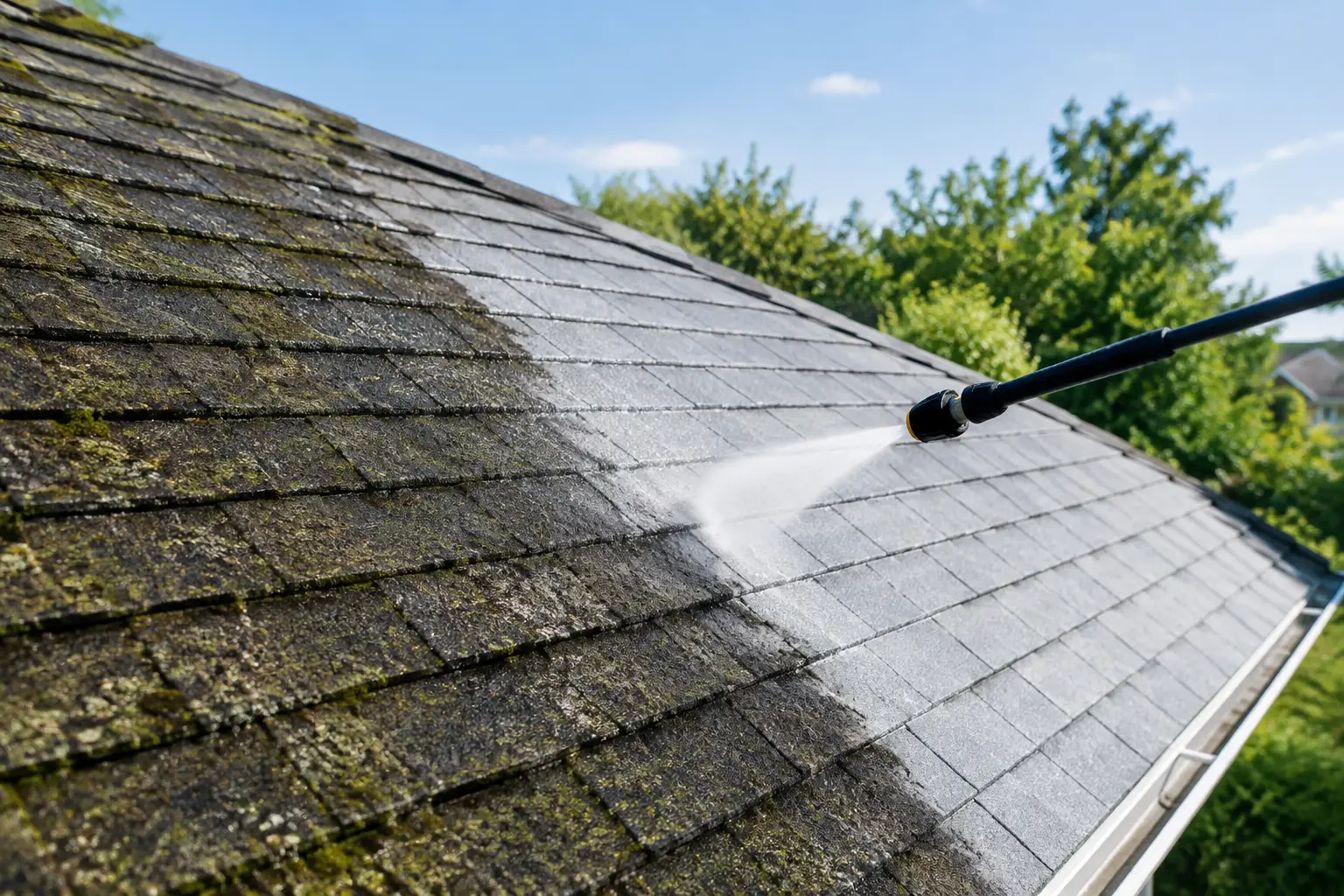
A roof cleaner should solve the problem without creating a larger one. On asphalt-shingle roofs, the usual culprits are algae, moss, lichen, mildew, and accumulated organic debris. The black streaking many homeowners notice is often algae. It affects curb appeal, but it can also retain moisture and heat on the roof surface. Moss and lichen are more concerning because they can grow beneath shingle edges, hold water, and interfere with normal drainage.
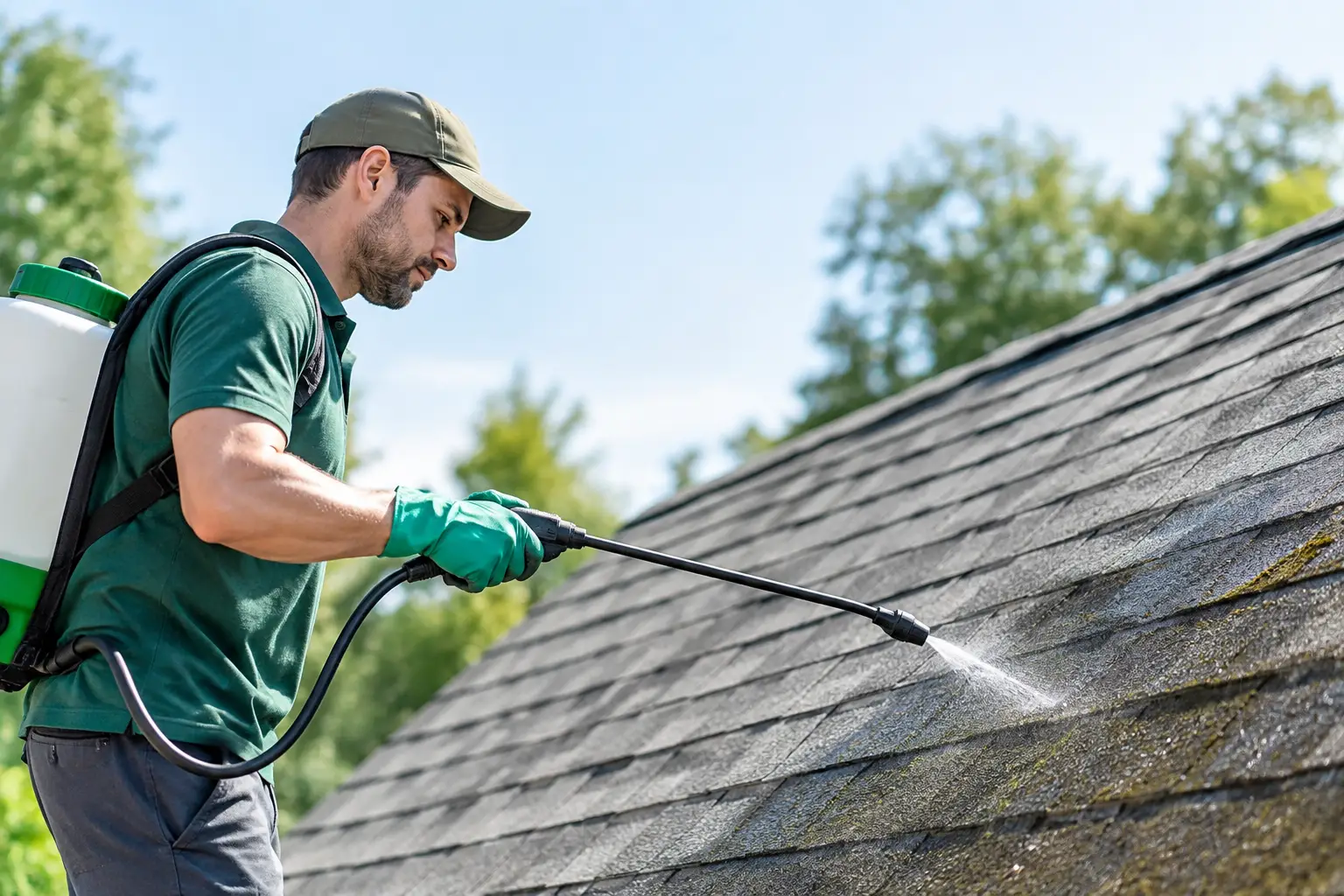
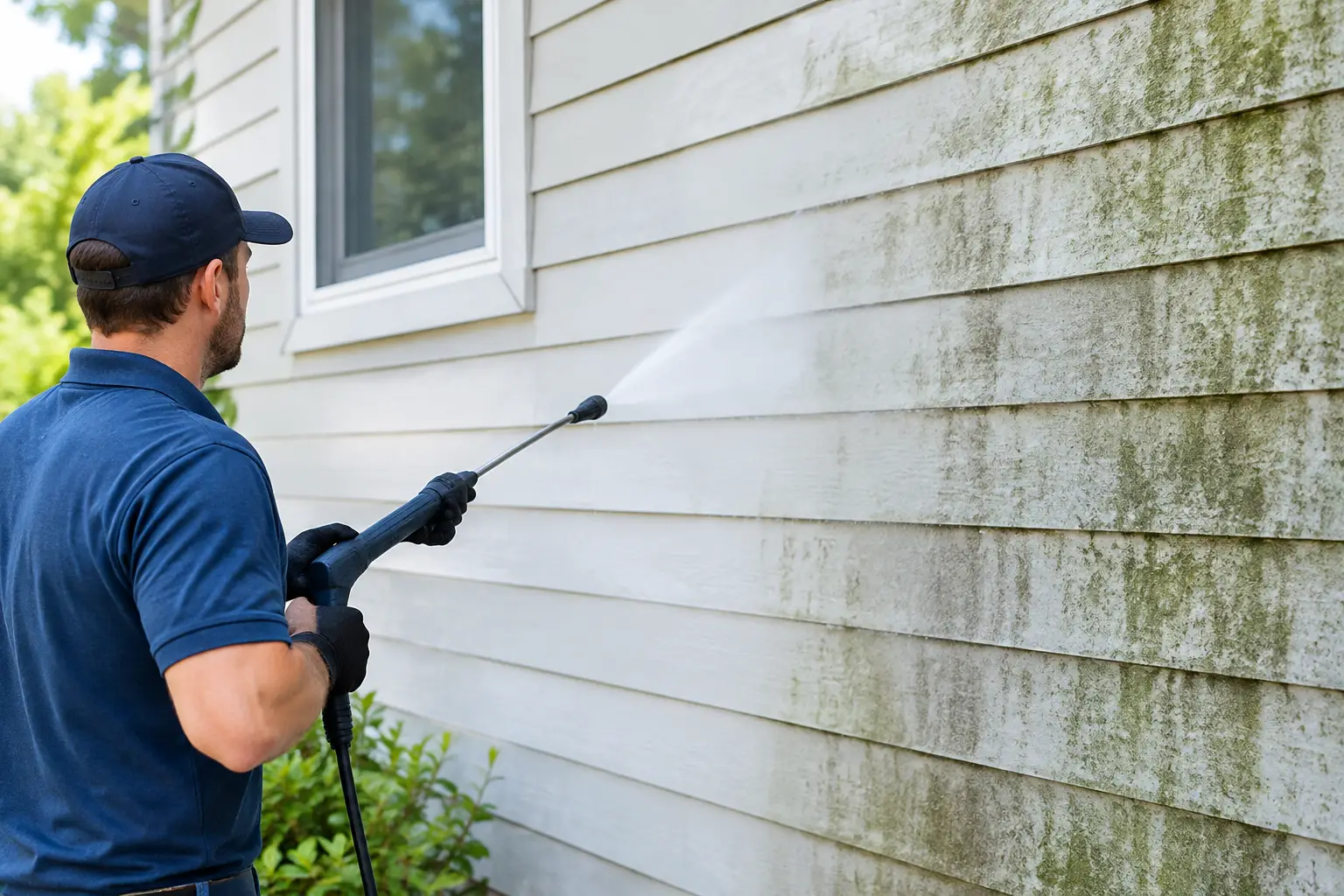
An environmentally responsible cleaning plan focuses on targeted treatment rather than force. That generally means applying a roof-safe cleaning solution at low pressure, allowing it time to work, and avoiding aggressive rinsing that can strip protective granules from shingles. Pressure washing may be appropriate for concrete, pavers, and some siding, but it is not the right answer for an asphalt-shingle roof.
The “eco friendly” part also includes how the work is performed. Before treatment begins, a careful crew should identify sensitive plantings, pre-wet surrounding vegetation when appropriate, control overspray, and rinse exterior areas as needed. Cleaner application should be deliberate, not rushed. A contractor that treats your property like their own will protect more than the roofline.
Eco-Friendly Does Not Mean One Universal Formula
Homeowners often assume eco-friendly cleaning means every ingredient is plant-based and harmless in every setting. The reality is more nuanced. A product can be biodegradable or contain biobased ingredients, yet still require professional handling, measured dilution, and careful protection of nearby plants. The safest choice depends on the roof material, type of growth, slope, weather, drainage layout, and the landscaping around the house.
For light algae staining, a mild, professionally applied treatment may be enough. Heavy moss or lichen can require more time and follow-up because forcing it off can damage shingles. In those cases, patience is part of doing the job right. The goal is to kill and release the growth safely, not scrape or blast the roof until it looks new in an afternoon.
It also helps to separate roof cleaning from roof preservation. Cleaning removes visible organic growth and grime. Preservation treatments are designed to help restore flexibility to aging asphalt shingles that have lost oils through sun exposure and weathering. A USDA Certified Biobased shingle rejuvenation treatment may be a practical next step for a qualifying roof, but it is not a substitute for cleaning, repair, or replacement when the roof has reached the end of its service life.
Why Low Pressure Protects Asphalt Shingles
Asphalt shingles have a protective granular surface. Those granules help shield the roof from ultraviolet exposure, provide fire resistance, and support the shingle’s overall performance. High-pressure water can dislodge them, drive water beneath shingles, and shorten the life of a roof that may have had years of useful service remaining.
A proper soft-wash process uses low-pressure application and relies on the cleaning solution, contact time, and trained technique rather than brute force. This is especially important on older roofs, where shingles may already be dry, brittle, curling, or losing granules.
Weather matters, too. A responsible provider will not treat a roof in conditions that prevent safe application or could cause solution to dry too quickly. Rain, strong wind, intense heat, and freezing temperatures can all affect the result. The best schedule is not always the earliest opening on the calendar. It is the one that allows the work to be done safely and effectively.
What to Ask Before Hiring a Roof Cleaner
The phrase “green cleaning” is easy to use and hard to evaluate. Before you hire a company, ask direct questions about its process. A trustworthy contractor should be able to explain what they use, why they use it, and how they protect the home.
Look for these four signs of a responsible roof-cleaning service:
- They use soft-wash methods for asphalt shingles rather than high-pressure washing.
- They explain how plants, siding, gutters, and hardscapes will be protected during treatment.
- They inspect the roof first and document existing damage, staining, moss growth, or areas that need repair.
- They are licensed and insured, and they recommend replacement only when the roof’s condition truly calls for it.
A clear assessment is often more valuable than a quick quote. For example, black streaks may be treatable algae, while widespread granule loss or soft roof decking points to a bigger concern. Those are different problems and deserve different recommendations.
Roof Rescue Southern Westchester takes this preventive approach because a cleaning or preservation service should never be used to hide a failing roof. Homeowners deserve straightforward information, photos when available, and a practical explanation of whether cleaning, preservation, repair, or replacement makes the most sense.
When DIY Roof Cleaning Is Not Worth the Risk
Store-bought cleaners can seem like a cost-saving option, especially when staining is limited to one section of the roof. But roof work brings two separate risks: falls and material damage. Walking on shingles can break brittle tabs, loosen granules, and create leaks. Improper product mixing or rinsing can also harm landscaping, stain exterior surfaces, or send runoff where it should not go.
Even a homeowner who is comfortable on a ladder may not be able to see the full condition of the roof from the ground. Loose flashing, exposed nail heads, cracked boots around vents, and early shingle deterioration can be missed without a closer inspection. If moss is thick, shingles are older, or the roof is steep, professional evaluation is the safer choice.
Cleaning Is Not Always the Right Recommendation
Eco-friendly cleaning works best when the roof is structurally sound and the problem is organic growth or surface staining. It cannot restore missing shingles, correct active leaks, repair storm damage, or reverse severe granule loss. Any company that promises otherwise is overselling.
A roof may need repair or replacement when shingles are badly curled, cracked across large areas, bare of granules, repeatedly leaking, or nearing the end of their expected life. In some cases, a preservation treatment can help extend the useful life of an aging but still qualifying asphalt-shingle roof at a fraction of replacement cost. In other cases, putting money into treatment would not be the responsible recommendation. The condition of the roof has to lead the decision.
A Cleaner Roof Is Part of Preventive Home Care
Roof cleaning is easiest and most cost-effective before moss becomes thick and staining spreads across the entire surface. Keeping gutters clear, trimming back overhanging branches where practical, and watching shaded roof areas can reduce the conditions that feed recurring growth.
If your roof is showing black streaks, moss, or uneven weathering, start with an honest assessment rather than a rushed replacement decision. A careful inspection can help you protect the roof you already own, preserve the landscaping you have worked hard to maintain, and make the next step with confidence.
continue reading
Related Posts
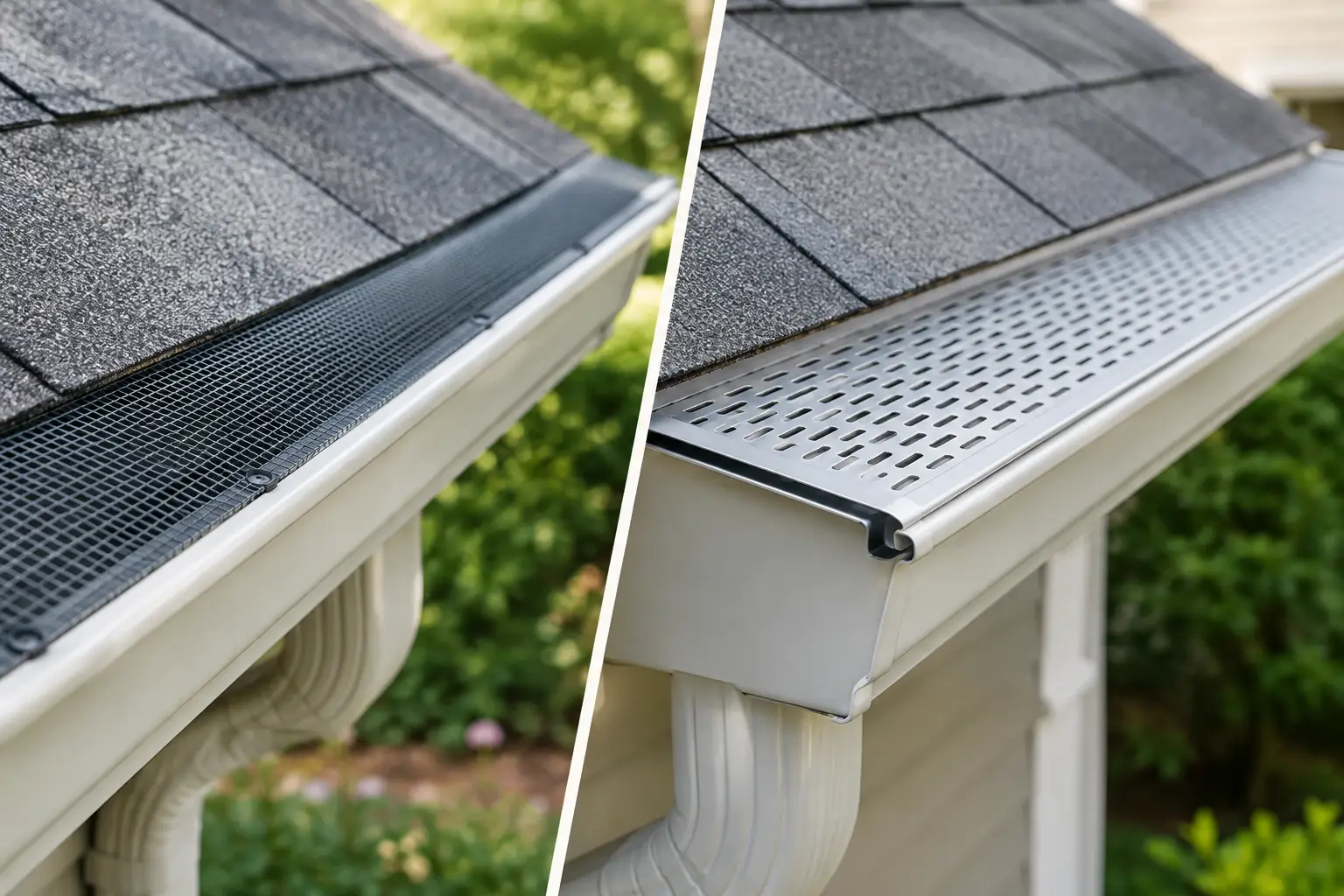
Comparing gutter screens versus guards? Learn which option fits Westchester homes, sheds leaves reliably, and reduces cleaning without trapping debris.
See what real roof cleaning results look like, how long they take, and why safe treatment can protect shingles and help avoid costly replacement bills.
Does soft washing kill mold? Learn how low-pressure cleaning removes exterior growth, when stains suggest damage, and how to protect your home safely.