

A small roof stain, overflowing gutter, or crack in a front walk can look like a cosmetic issue until the next hard rain turns it into water damage. This home exterior inspection guide helps Westchester homeowners identify early warning signs, understand what they may mean, and know when a professional assessment is the safer choice.
The goal is not to find a reason to replace everything. It is to catch manageable maintenance needs before they become expensive repairs. A careful exterior walk-around once or twice a year can protect your roof, foundation, landscaping, and curb appeal.
Start With Safety and a Simple Inspection Plan
Choose a dry day with good daylight. Walk slowly around the property with your phone, taking photos of anything that looks different from last season. Photos make it easier to track whether a stain, crack, or sagging area is getting worse.
Stay on the ground whenever possible. Do not climb onto a roof, lean a ladder against gutters, or inspect wet surfaces. A pair of binoculars can reveal a surprising amount from the yard or driveway. If you notice loose materials, soft areas, active leaks, or a roofline that looks uneven, stop there and schedule a professional inspection.
For homes in Southern Westchester, late spring and early fall are practical times for an exterior check. Winter weather, leaf buildup, humidity, and heavy rain can each expose different weaknesses in a home’s exterior systems.
Home Exterior Inspection Guide: Check the Roof First
Your roof protects nearly everything below it, so begin by looking at it from several angles. Asphalt shingles naturally age, but certain changes suggest the roof needs attention sooner rather than later.
Look for shingles that are curled, cracked, lifted, missing, or visibly out of place. Check valleys, ridge lines, pipe vents, skylights, chimneys, and the edges of the roof, where wind and water often create problems first. A few granules in a gutter may be normal, especially after a new roof is installed, but heavy granule accumulation can indicate shingle wear.
Dark streaks are another common finding on Westchester roofs. In many cases, those streaks are algae rather than a roofing failure. Moss is more concerning because it can hold moisture against shingles and lift their edges over time. Neither condition should be removed with aggressive pressure washing, which can strip protective granules and shorten the life of an asphalt-shingle roof.
A professional soft-wash approach can safely address organic growth when the shingles are otherwise in serviceable condition. If a roof is aging but not yet at the end of its useful life, a plant-based shingle preservation treatment may help restore flexibility by replacing oils lost to weathering and UV exposure. It depends on the roof’s condition, though. Preservation is not a substitute for repairs when shingles are severely damaged, leaking, or near failure.
Inspect Gutters, Downspouts, and Drainage
Gutters are easy to overlook because they do their work above eye level. When they clog or pull away from the fascia, however, water can spill near the foundation, stain siding, rot trim, and create icy walking conditions in winter.
From the ground, look for plants growing from gutters, water marks beneath the gutter line, sagging sections, loose fasteners, and downspouts that appear disconnected. During or shortly after rainfall, check whether water is flowing freely through each downspout rather than pouring over the gutter edge.
Downspouts should direct water away from the foundation. If the ground near your home stays soft, mulch washes away, or water pools near basement walls, the issue may be a blocked downspout, poor grading, or an extension that ends too close to the house. Gutter guards can reduce leaf buildup, but they are not maintenance-free. They still need periodic inspection, especially under mature trees.
Look Closely at Siding, Trim, and Exterior Wood
Your siding and trim should shed water, not absorb it. Scan for peeling paint, soft or swollen wood, open seams, cracked caulk, warped boards, and areas where siding has pulled loose. Pay special attention to window and door trim, corners, and the lower sections of the home where splashback and snow accumulation are common.
A small gap around a window may only need fresh caulk. Soft wood or repeated staining may point to a longer-running moisture problem behind the surface. The key is to avoid covering up the symptom without finding the source. Water that enters around trim, flashing, or a failed seal can travel before it becomes visible indoors.
Vinyl siding can also hide issues. Look for cracks, loose panels, mildew growth, and discoloration near gutters or roof edges. Green or black organic growth often signals persistent shade and moisture. Proper soft washing can restore the appearance of many exterior surfaces without the damage that overly high pressure can cause.
Check Windows, Doors, and Exterior Seals
Walk around the home and inspect the perimeter of every accessible window and exterior door. Look for gaps in caulk, damaged weatherstripping, cracked glass, rusted hardware, and peeling paint on sills. Inside the home, drafts, sticking windows, and recurring condensation can offer additional clues that seals are failing.
Exterior doors deserve the same attention. Make sure the threshold is secure, the sweep at the bottom of the door is intact, and water does not collect at the entry. A worn seal may seem minor, but it can let water, pests, and cold air into areas that are difficult to see.
Examine Masonry, Walkways, and Driveways
Concrete, pavers, brick, and stone are durable, but they still respond to moisture and freeze-thaw cycles. Inspect driveways and walkways for cracks, sinking sections, loose pavers, standing water, and trip hazards. Small surface cracks can often be addressed before water enters and expands them during freezing weather.
With paver areas, look for joint sand that has washed out, weeds growing between stones, or sections that have shifted. On concrete, watch for scaling, flaking, and cracks that widen over time. Sealing may help protect appropriate surfaces from moisture, staining, and salt exposure, but it should be done after cleaning and repairs, not as a shortcut over existing damage.
Also inspect steps, railings, retaining walls, and porch surfaces. Loose railings and uneven steps are immediate safety issues, particularly before winter. If drainage is pushing soil against a retaining wall or causing visible movement, it is worth having the area evaluated promptly.
Do Not Forget Vents, Flashing, and Penetrations
The places where one material meets another often need the closest attention. Check chimney flashing, roof-to-wall flashing, vent covers, dryer exhausts, hose bibs, electrical service entries, and utility penetrations. Look for cracked sealant, rust, loose covers, or staining below these areas.
Flashing is designed to redirect water, and it is one of the most important details on a roof. A roof can have shingles that look acceptable from the ground while a small flashing issue creates a leak near a chimney, vent, or wall transition. If you see interior staining on a ceiling or wall, do not assume the leak is directly above it. Water can travel along framing before it appears.
Know Which Findings Need Faster Action
Some exterior issues can wait for routine maintenance. Others call for a professional assessment soon. Schedule help promptly if you notice active leaking, missing shingles after a storm, sagging gutters, soft or rotted trim, widespread moss, water pooling against the foundation, or cracks that create a tripping hazard.
A good contractor should explain what they see, document the concern with photos, and recommend the right level of service. Sometimes that means cleaning and preventive treatment. Sometimes it means a targeted repair. A trustworthy recommendation does not turn every stain into a replacement project.
For homeowners who prefer one trusted team for roof care, gutter cleaning, soft washing, and ongoing exterior upkeep, Roof Rescue Southern Westchester provides clear assessments and practical recommendations designed to protect the home first.
A well-maintained exterior rarely demands attention all at once. It gives small signals over time. Pay attention to those signals, keep a record of changes, and address the cause before a minor maintenance task has a chance to become a major home expense.
continue reading
Related Posts
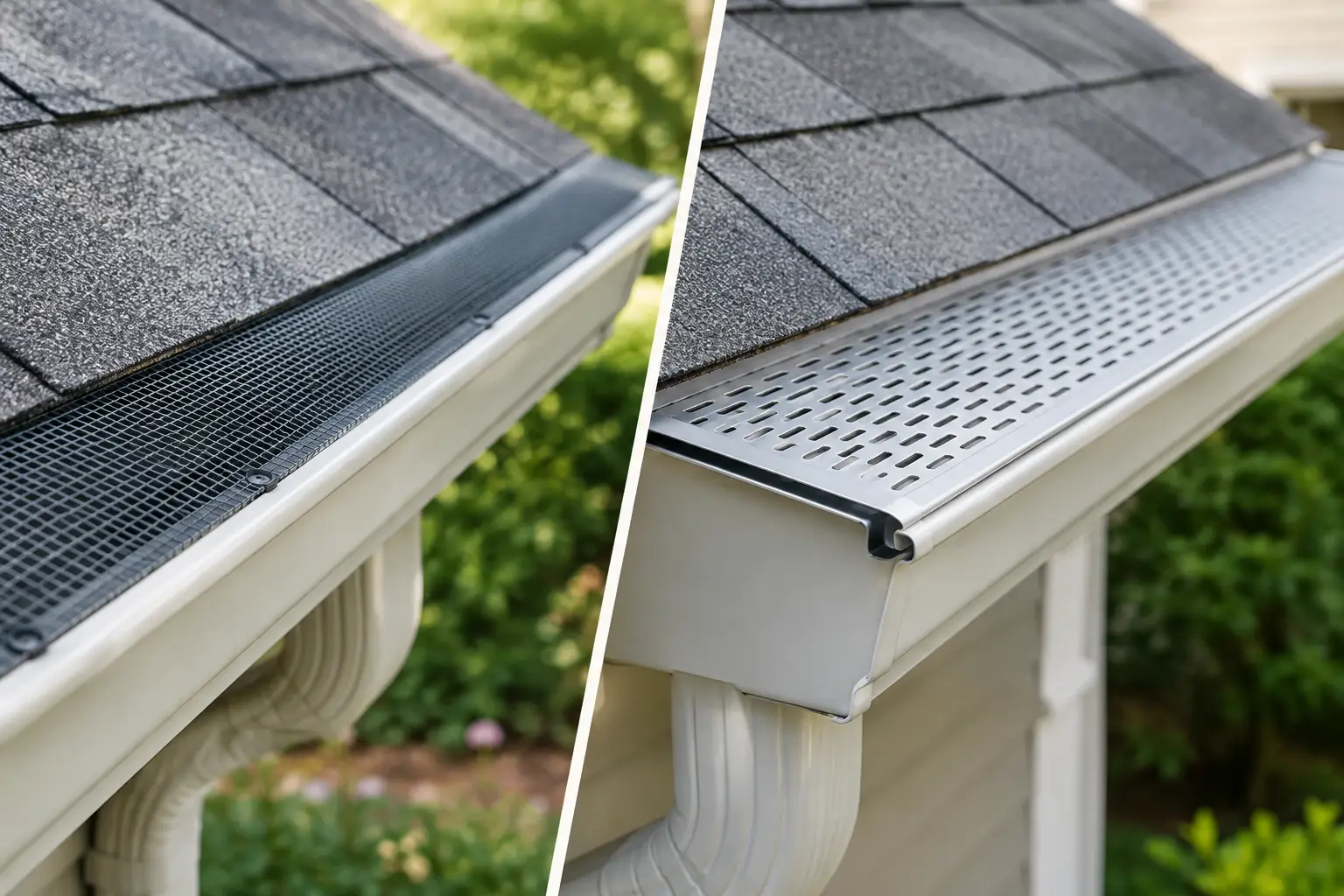
Comparing gutter screens versus guards? Learn which option fits Westchester homes, sheds leaves reliably, and reduces cleaning without trapping debris.
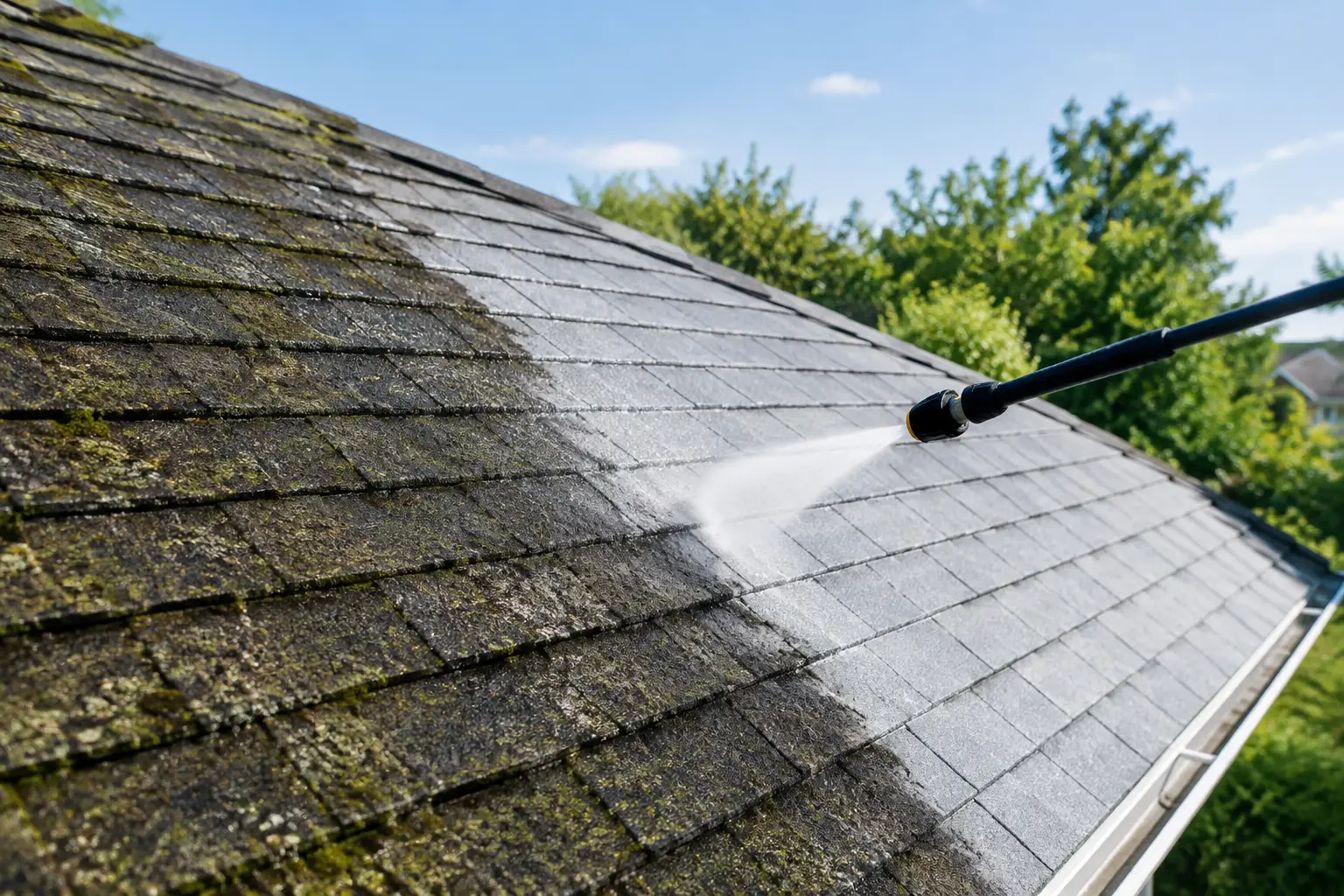
See what real roof cleaning results look like, how long they take, and why safe treatment can protect shingles and help avoid costly replacement bills.
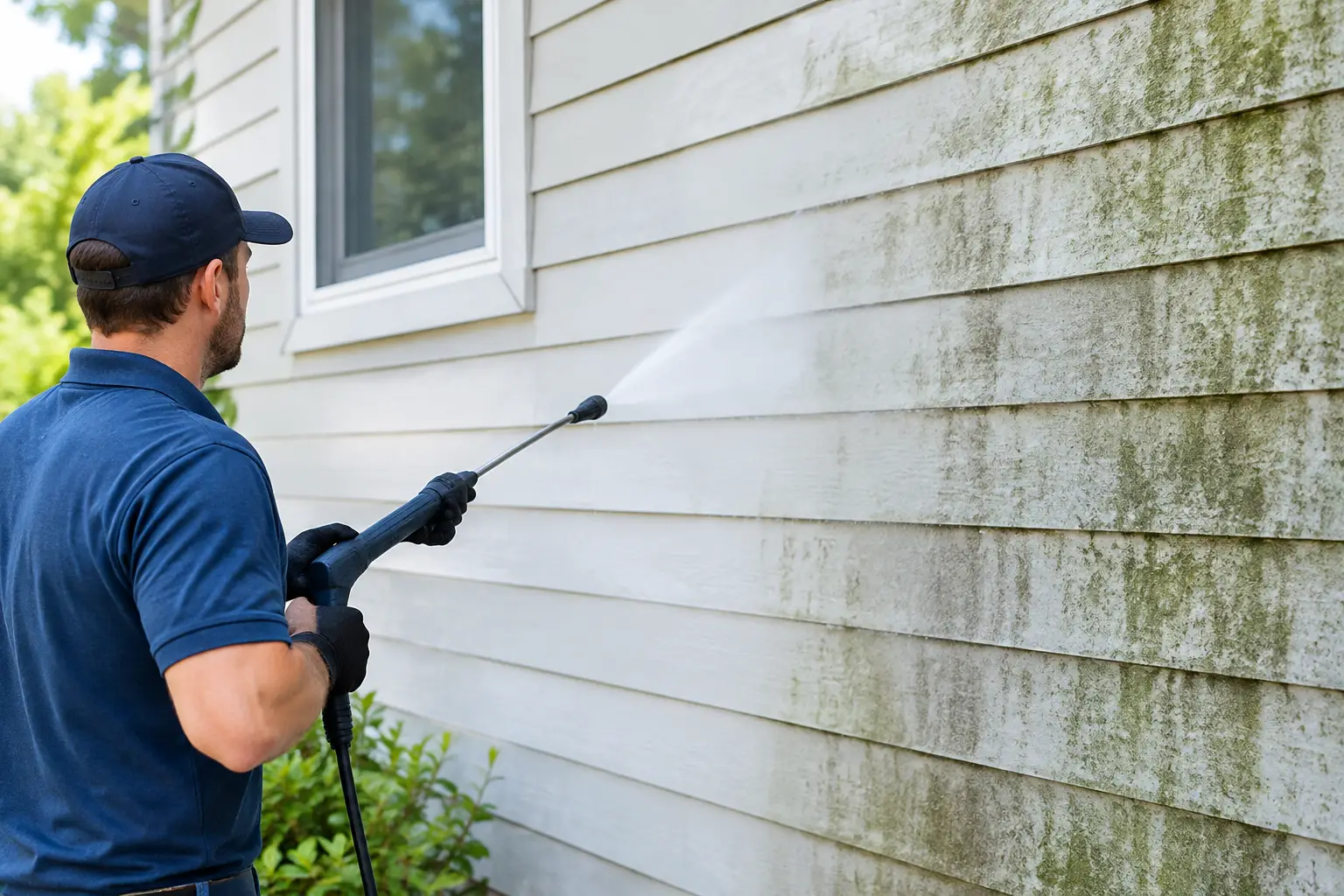
Does soft washing kill mold? Learn how low-pressure cleaning removes exterior growth, when stains suggest damage, and how to protect your home safely.