A roof can look tired long before it is truly ready for replacement. Dark algae streaks, moss along the edges, a dry-looking surface, and loose granules in the gutters can make homeowners wonder whether a costly new roof is next. So, how does roof rejuvenation work? For eligible asphalt-shingle roofs, it combines careful cleaning with a preservation treatment designed to restore flexibility to aging shingles and slow further weather-related decline.
It is not a shortcut for serious roof damage, and it is not paint or a cosmetic cover-up. Roof rejuvenation is a maintenance-based approach for roofs that are aging but still structurally sound. The right result begins with an honest assessment of what the roof needs – and whether preservation is still the responsible option.
How Does Roof Rejuvenation Work?
Asphalt shingles are made with layers that work together to keep water out of your home. The asphalt component contains oils that help the shingle remain flexible. Over years of sun exposure, temperature swings, rain, wind, and organic growth, those oils can diminish. Shingles may become dry, brittle, and more prone to cracking or losing granules.
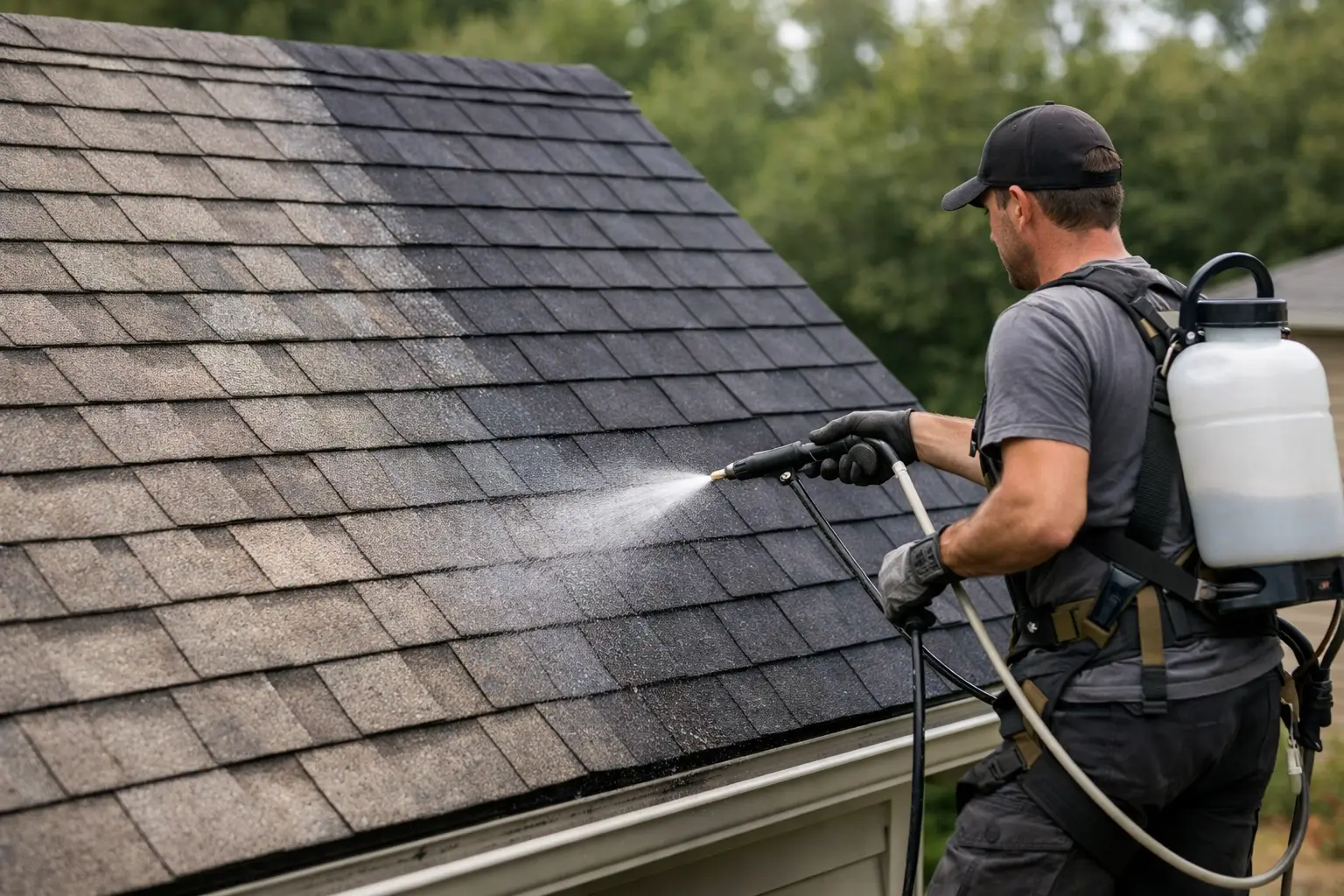
Roof rejuvenation addresses this aging process in two stages. First, the roof is cleaned using a low-pressure method appropriate for shingles. Then, a plant-based preservation treatment is applied to qualifying shingles. The treatment is formulated to penetrate the shingle and replenish lost oils, helping improve flexibility and water resistance.
A USDA Certified Biobased treatment is not intended to make an old roof brand new. Its job is to help preserve shingles that still have useful life left. When applied at the right time, it may extend the roof’s serviceable lifespan and help homeowners postpone a premature replacement.
Step One: Inspect the Roof Before Treating It
A reputable roof rejuvenation service does not begin by spraying a product on every roof. The roof should first be inspected for conditions that preservation cannot solve.
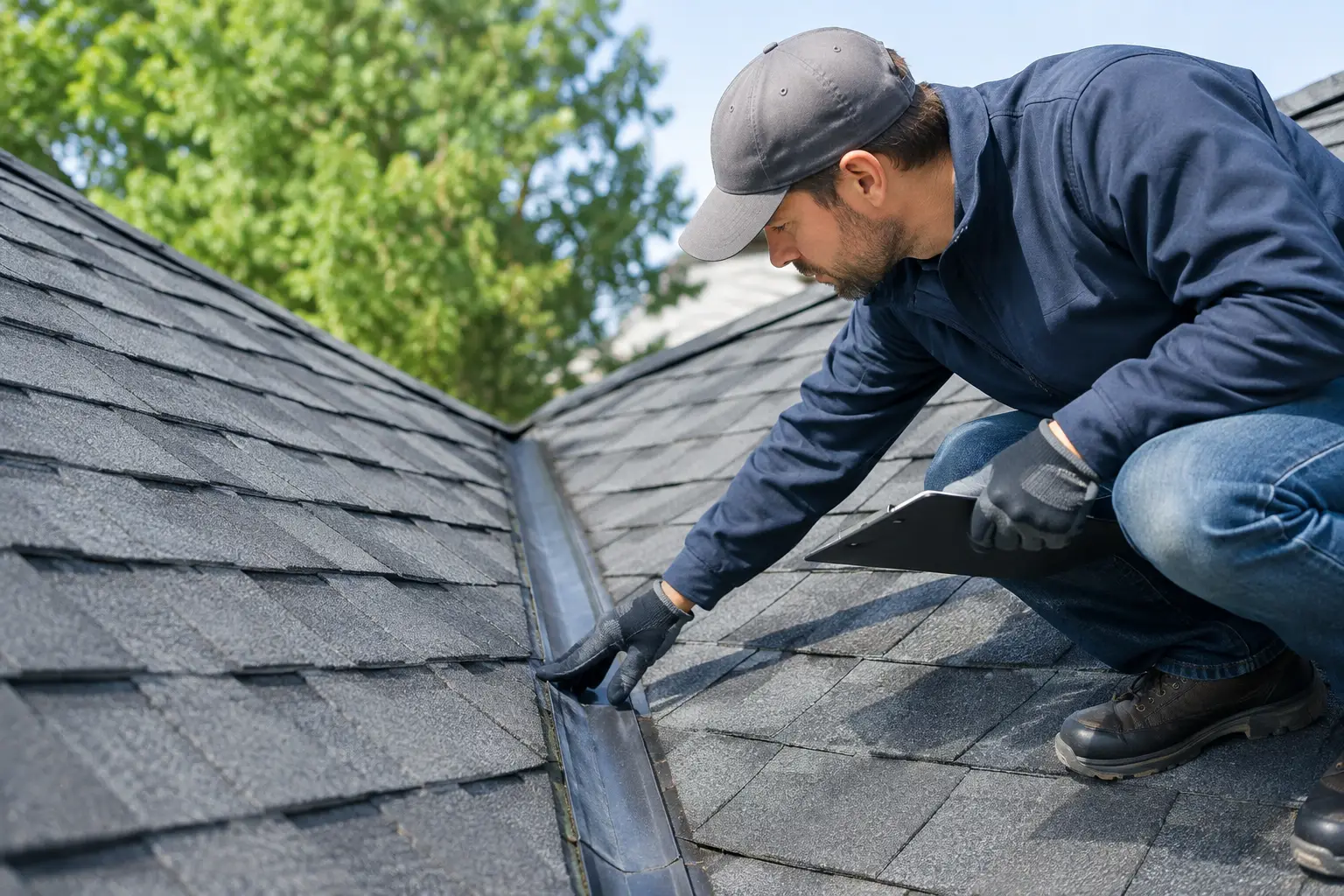
That inspection looks for missing, curled, torn, or heavily deteriorated shingles; exposed areas where granules are gone; active leaks; damaged flashing; soft roof decking; and signs that the roof is near the end of its life. It also identifies algae, moss, lichen, clogged gutters, and overhanging branches that may be contributing to moisture problems.
This step matters because a preservation treatment cannot repair structural damage. If water is already entering the home, shingles are failing across large sections, or the roof deck has deteriorated, repair or replacement may be the safer investment. A trustworthy contractor should be comfortable telling you when rejuvenation is not a fit.
Step Two: Remove Algae, Moss, and Surface Contaminants
Many Southern Westchester roofs develop black staining caused by algae. Moss and lichen can also take hold where roofs stay shaded or damp, especially beneath tree cover. These organisms trap moisture against the shingles and can interfere with the roof’s appearance and long-term performance.
Cleaning must be done carefully. High-pressure washing can strip protective granules from asphalt shingles, force water beneath them, and cause more harm than good. A proper soft-wash approach uses low pressure and roof-appropriate cleaning solutions to remove organic growth without blasting the surface.
Cleaning improves curb appeal, but it also prepares the roof for treatment. A preservation product needs a reasonably clean, dry surface to be applied evenly and work as intended. If moss is severe, it may need to be treated and released gradually rather than aggressively scraped away, which can damage shingles.
Step Three: Apply the Shingle Preservation Treatment
Once the roof is clean and conditions are suitable, the biobased rejuvenation treatment is applied in a controlled, even application. The product is designed for asphalt shingles, not every roofing material. Metal, slate, clay tile, wood shake, and severely damaged shingles require different maintenance decisions.
The treatment absorbs into the shingle rather than sitting on top like a coating. As it penetrates, it helps restore some of the flexibility lost through aging and UV exposure. Flexible shingles are generally better able to handle expansion and contraction through hot summers, freezing winters, and seasonal weather changes.
For homeowners, the benefit is practical: preserving a functioning roof can cost substantially less than replacing it. In many cases, roof rejuvenation costs at least 80% less than a full replacement. The exact savings depend on roof size, access, cleaning needs, roof condition, and whether repairs are needed before treatment.
Step Four: Give the Treatment Time to Settle In
Weather affects the application process. The roof needs appropriate dry conditions so the treatment can be applied properly and has time to absorb. Your service provider should plan around rain, temperature, roof moisture, and safety conditions rather than rushing an appointment to fit a calendar.
Homeowners may notice that shingles look more even in color after cleaning and treatment, but appearance is only part of the value. The more meaningful goal is maintaining the shingle’s performance for longer. A professional should explain what to expect based on the age and condition of your specific roof, not promise that every roof will look or perform the same.
What Roof Rejuvenation Can and Cannot Do
Roof rejuvenation is most useful for an asphalt-shingle roof that is showing age but still has a sound foundation. It may be a good option when shingles are dry and weathered, algae staining is present, and there are no widespread failures or active leak issues.
It cannot replace missing shingles, correct poor installation, fix rotten decking, stop leaks caused by damaged flashing, or restore shingles that have lost most of their protective granules. It also cannot reverse storm damage. If a roof has been compromised by wind, falling limbs, or hail, a repair assessment should come first.
Think of it like maintaining a well-used piece of exterior equipment. Preventive care can extend its useful life, but it cannot make a failed component dependable again. The best decision is based on roof condition, not simply on the age printed on a warranty document.
How Long Does Roof Rejuvenation Last?
The treatment’s lifespan depends on the roof’s exposure and condition. A roof under heavy tree cover, near salt air, or exposed to intense afternoon sun may age differently than a roof with clear drainage and balanced sun exposure. The condition of gutters and ventilation also matters because persistent moisture and trapped heat can shorten shingle life.
Many homeowners choose to pair roof preservation with regular gutter cleaning, soft washing, and occasional inspections. Keeping gutters clear helps water move away from the roof edge. Trimming branches reduces shade, debris buildup, and the risk of limb damage. These small maintenance decisions help protect the investment made in cleaning and rejuvenation.
A recurring exterior-maintenance plan can be particularly useful for homeowners who do not want to wait for a stain, leak, or clogged gutter to become an emergency. Roof Rescue Southern Westchester documents visible conditions and recommends only the work that makes sense for the home.
Is Your Roof a Candidate for Rejuvenation?
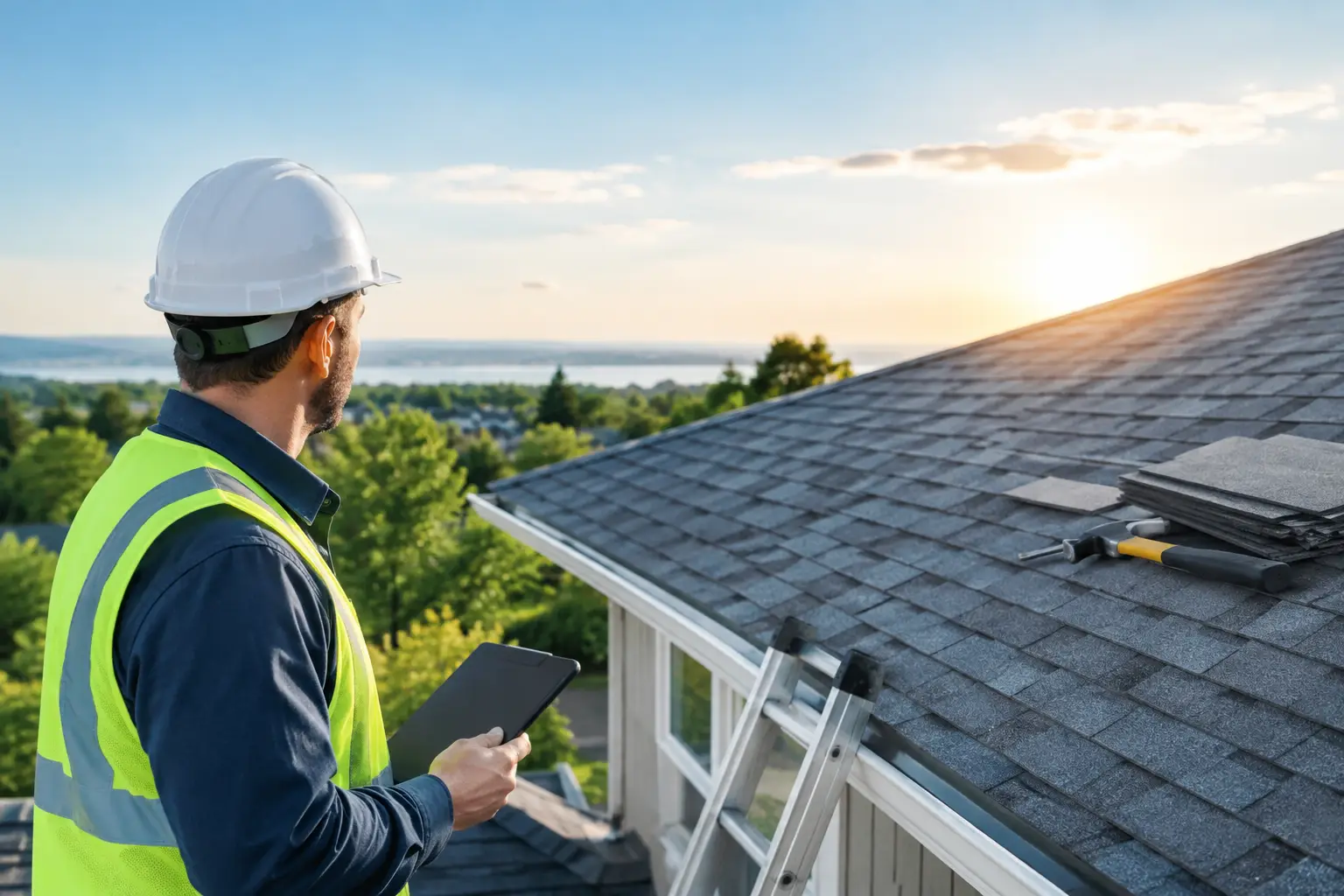
The fastest way to find out is through a professional visual assessment. An experienced technician can examine shingle condition, roof penetrations, flashings, drainage areas, algae growth, and signs of advanced wear. Photos are especially helpful because they let you see the condition being discussed without climbing onto the roof yourself.
Before scheduling, look for a provider that is licensed and insured, uses a low-pressure roof-safe cleaning process, explains the treatment being applied, and does not pressure you toward a replacement you may not need. Ask directly whether your roof has any conditions that treatment will not address. A clear answer is a good sign.
If your asphalt shingles are aging, stained, or beginning to look dry, do not assume replacement is the only path forward. Schedule your free roof assessment while the roof is still a candidate for preventive care – that is often when homeowners have the most options.
continue reading
Related Posts
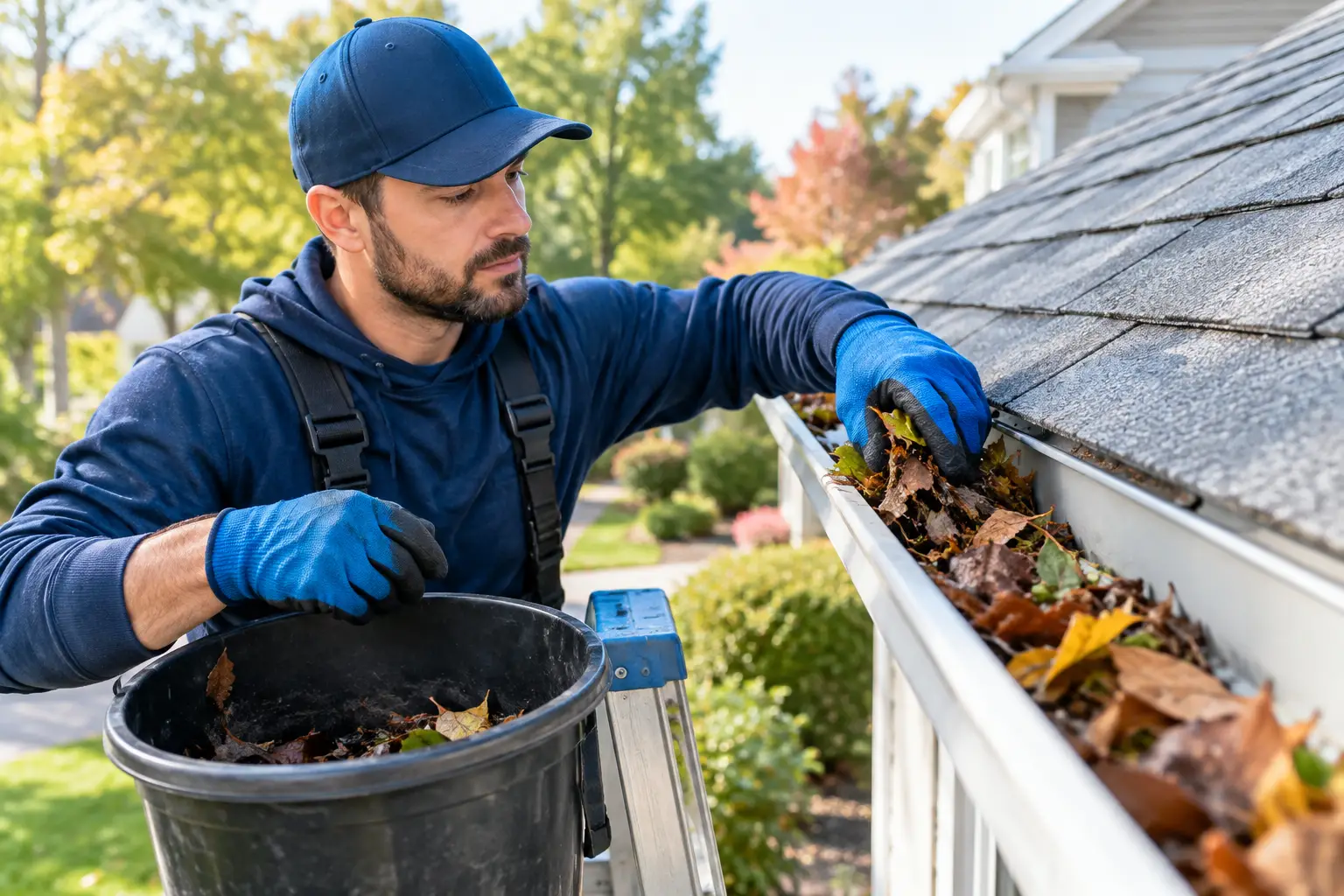
Scarsdale gutter cleaning reviews can reveal a lot. Learn which details point to safe, reliable service, fair pricing, and lasting protection for homes.
Learn how to maintain roof valleys safely, spot early trouble, protect shingles, and know when a Southern Westchester professional should step in today.
Roof restoration can clean, protect, and extend shingle life. Learn when maintenance makes sense and when replacement is the safer call for your home.