
A roof valley can collect more than a few leaves. It concentrates rainwater from two roof planes into one narrow channel, so a small pile of debris can become a backup point during the next hard storm. Knowing how to clear roof valleys safely can help protect your shingles, roof decking, gutters, and the inside of your home from avoidable water damage.
For many homeowners, the problem is first visible from the ground: a dark line of leaves along a roof intersection, small branches hanging above the gutter, or water spilling over in one area during rain. The right response depends on the roof’s pitch, height, surface condition, and the type of debris present. Clearing a low, walkable roof is very different from working near a steep second-story valley.
Why roof valleys need regular attention
Valleys handle a heavy volume of runoff. When rain hits your roof, water from both sides flows toward that joint before moving into the gutter system. Leaves, pine needles, seed pods, twigs, and roof granules naturally settle there because the valley acts like a collection channel.
When debris builds up, it holds moisture against the shingles and valley flashing. That lingering dampness encourages moss, algae, and lichen growth, especially on shaded homes and properties with mature trees. Organic growth can lift shingle edges over time, trap more debris, and make drainage worse.
A blocked valley may also send water sideways under shingles rather than down the roof. Asphalt shingles are designed to shed water, not hold standing water or withstand water flowing uphill beneath their edges. If the underlayment or flashing is already aging, that backup can expose a weakness that had not yet caused a visible leak.
In Southern Westchester, fall leaf drop and spring storms make valley maintenance particularly worthwhile. Homes near trees in Scarsdale, Rye, Mamaroneck, and surrounding communities often need more frequent checks than homes with wide-open rooflines.
How to clear roof valleys safely
The safest way to clear a roof valley starts from the ground whenever possible. Use binoculars to inspect for debris, branches, moss, damaged shingles, and sections where the valley appears blocked. A smartphone photo taken from a safe position can also help document the area and show whether the buildup is light or substantial.
If debris is reachable from a ladder without stepping onto the roof, use a stable, properly placed ladder and have another adult present to steady the area and monitor conditions. Wear non-slip footwear, gloves, and eye protection. Never lean far sideways from the ladder to reach a valley. Reposition the ladder instead.
For a low-slope roof that can be accessed safely, remove loose debris by hand while wearing gloves. Start at the top of the valley and work downward, gently lifting leaves and twigs away from the roofing surface. Place debris in a bucket or bag rather than pushing it into the gutters, where it can create a second clog at the downspout.
A soft brush can help move dry, loose material, but use it lightly and brush in the direction water flows. Do not scrub shingles aggressively. Excessive brushing can dislodge protective granules, particularly on older asphalt shingles. Avoid metal rakes, sharp tools, and anything that can catch a shingle edge or puncture valley flashing.
Once the visible debris is removed, check that water has a clear path from the top of the valley to the gutter. A gentle rinse from a garden hose may be appropriate on a safe, low-slope roof, but always direct water downward. Never spray upward beneath shingles, and never use a pressure washer on asphalt shingles. High pressure can strip granules, force water under the roofing materials, and shorten the roof’s useful life.
What not to do on an asphalt-shingle roof
Roof valleys are easy to damage when the cleanup method is too aggressive. Do not use a leaf blower while standing on a steep or wet roof. It may seem faster, but the force can blow debris under shingles, and the hose or cord can create a serious trip hazard.
Do not pull out moss by force. Moss roots into the shingle surface and can take granules with it when removed dry. If moss or dark algae staining is present, a professional soft-wash approach and a roof-safe treatment are usually better than scraping.
Also resist the urge to seal a valley with roof cement simply because it looks dirty or weathered. Roof cement has legitimate repair applications, but applying it over an unresolved flashing problem can hide the source of a leak and complicate later repairs. A clear valley that still backs up, leaks, or shows exposed metal needs a closer inspection.
Know when the job is not a DIY project
There is no prize for cleaning a roof valley yourself when the conditions are unsafe. Call a qualified professional if the roof is steep, more than one story high, wet, icy, brittle with age, or covered in moss. The same applies if the debris is packed tightly into the valley, the flashing is bent or rusted, or you see cracked, curled, missing, or loose shingles nearby.
Interior signs matter too. A water stain on a ceiling, peeling paint near an exterior wall, damp attic insulation, or a musty odor after rain can indicate that water has already moved past the roof surface. Clearing leaves may improve drainage, but it will not repair failed flashing, damaged underlayment, or a compromised roof deck.
A professional inspection should distinguish between a maintenance issue and a repair issue. That means looking beyond the debris to assess shingle condition, granule loss, organic growth, gutter performance, penetrations, and the condition of the valley flashing. Clear photos and a plainspoken explanation help homeowners make a decision without being pushed toward replacement before it is actually necessary.
Prevent debris from returning to the valley
The best valley cleanup is the one that becomes less frequent over time. Trim back overhanging branches when possible, especially branches that drop needles, acorns, seed pods, or heavy leaf loads directly onto the roof. Keep enough clearance to reduce abrasion during wind and to limit shade that keeps the roof damp.
Gutter maintenance is part of the same drainage system. Even a clean valley can overflow if the gutter below it is packed with debris or the downspout is blocked. After a valley cleaning, make sure runoff can move through the gutter and away from the foundation.
Gutter guards can reduce the amount of debris entering gutters, but they are not a substitute for periodic roof and valley checks. Fine pine needles, roof grit, and windblown material can still collect above the guard or settle in the valley itself. The right guard depends on the roofline, nearby trees, and how much debris the property receives.
For homes with recurring moss, algae, or dark streaking, address the growth before it becomes a drainage and shingle-preservation problem. A roof-safe cleaning process removes damaging organic buildup without the harsh force of pressure washing. For aging asphalt shingles that remain structurally sound, preservation treatments may also help restore flexibility lost to weathering and delay a costly replacement decision.
A simple roof-valley maintenance schedule
Inspect roof valleys at least twice each year: once after the main fall leaf drop and again after winter. Add an extra inspection after a major windstorm, prolonged heavy rain, or nearby tree work. If your home sits under oaks, pines, or maples, a seasonal check may not be enough.
From the ground, look for debris dams, vegetation, uneven shingle edges, discoloration, and overflow at the gutter below each valley. During rain, observe whether water moves freely or spills over an edge. These small observations can catch a developing issue before it turns into interior damage.
Roof Rescue Southern Westchester approaches valley concerns as part of the whole exterior drainage picture, not just a pile of leaves to remove. A careful assessment can identify whether cleaning, gutter service, roof treatment, or a targeted repair is the sensible next step.
A clear roof valley is a small piece of home maintenance with an outsized payoff. When water has a clean path off the roof, your shingles and flashing can do the job they were built to do. If the roof is difficult to access or the condition is uncertain, schedule a free roof assessment and let a trained team help protect your home before the next storm tests it.
continue reading
Related Posts
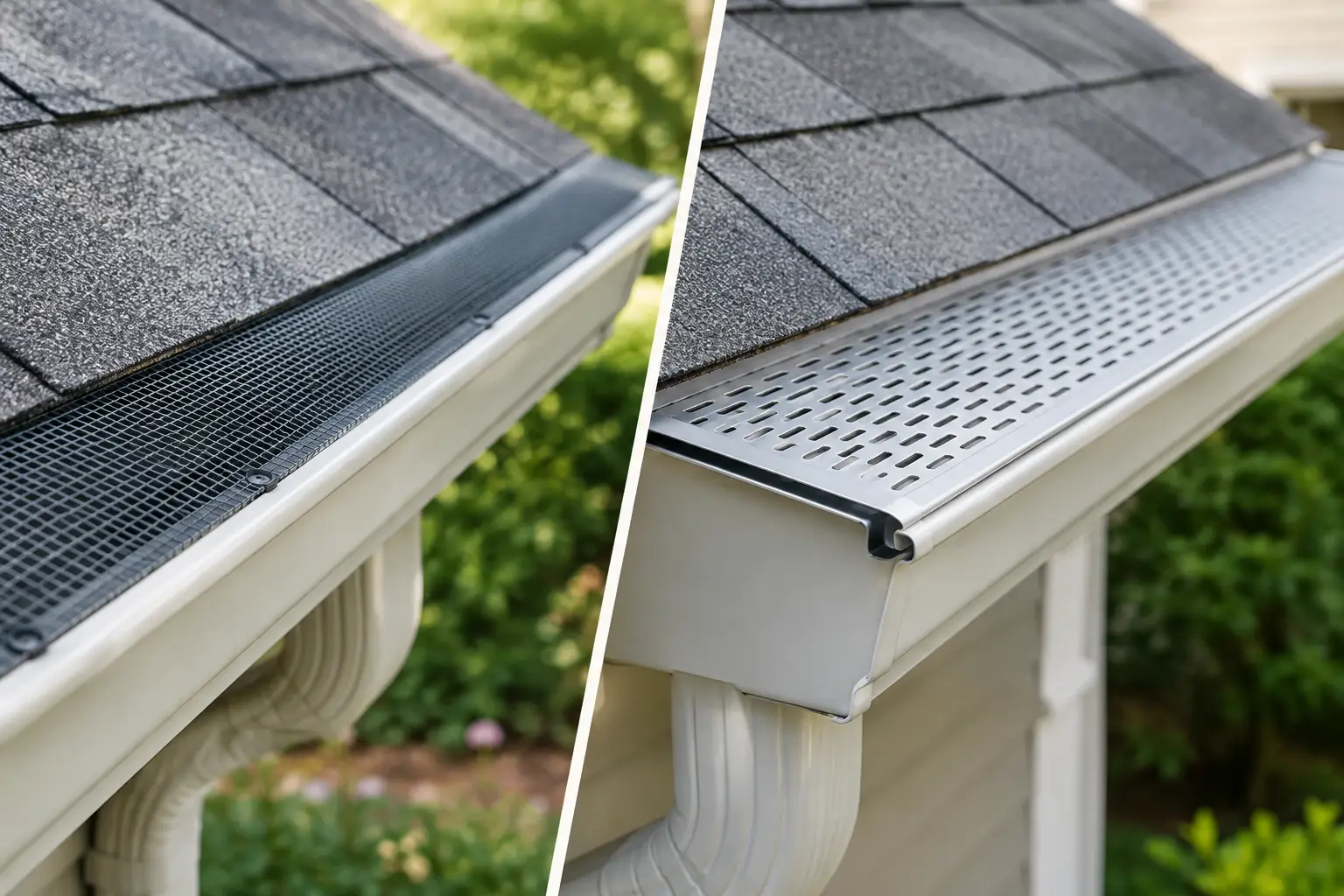
Comparing gutter screens versus guards? Learn which option fits Westchester homes, sheds leaves reliably, and reduces cleaning without trapping debris.
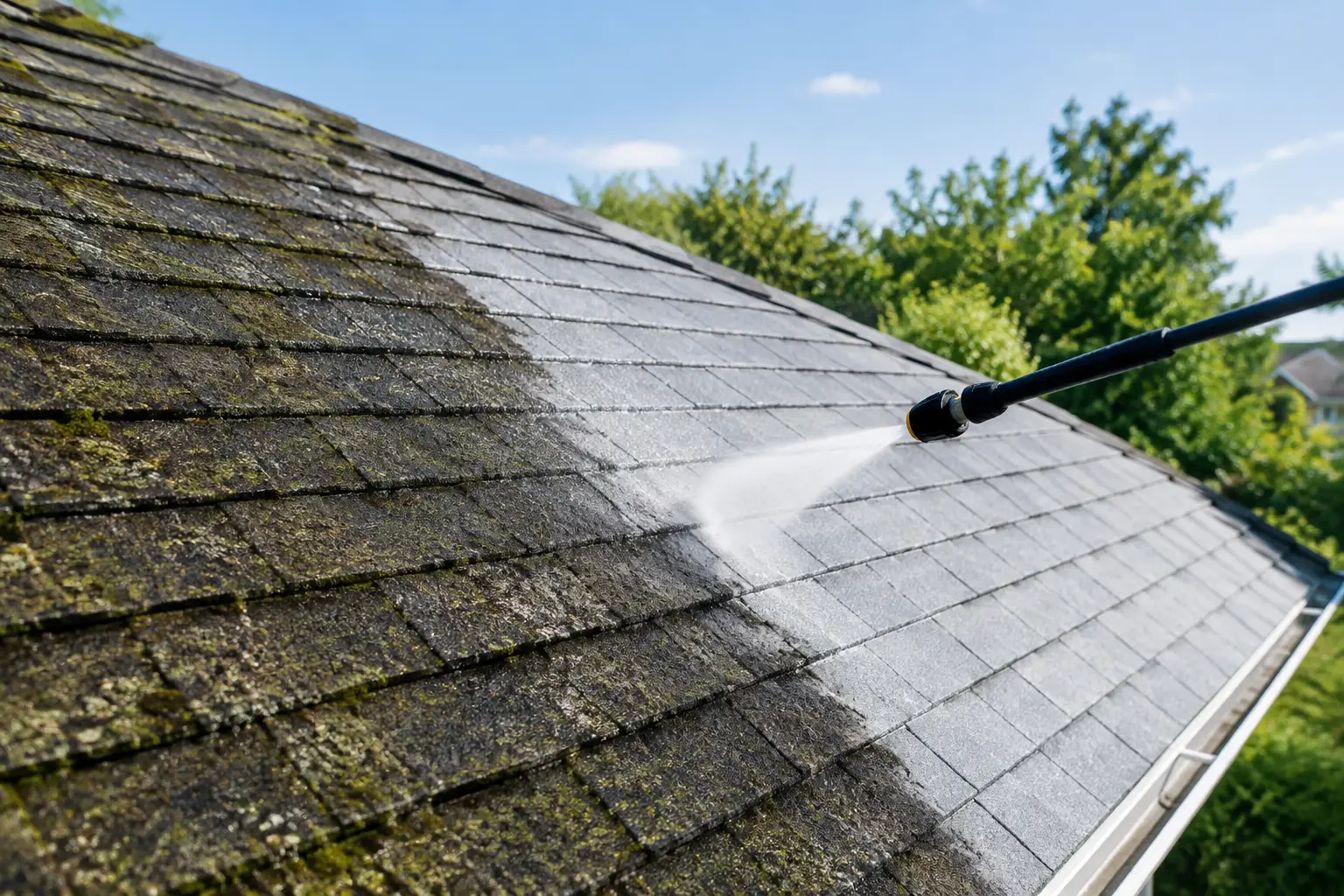
See what real roof cleaning results look like, how long they take, and why safe treatment can protect shingles and help avoid costly replacement bills.
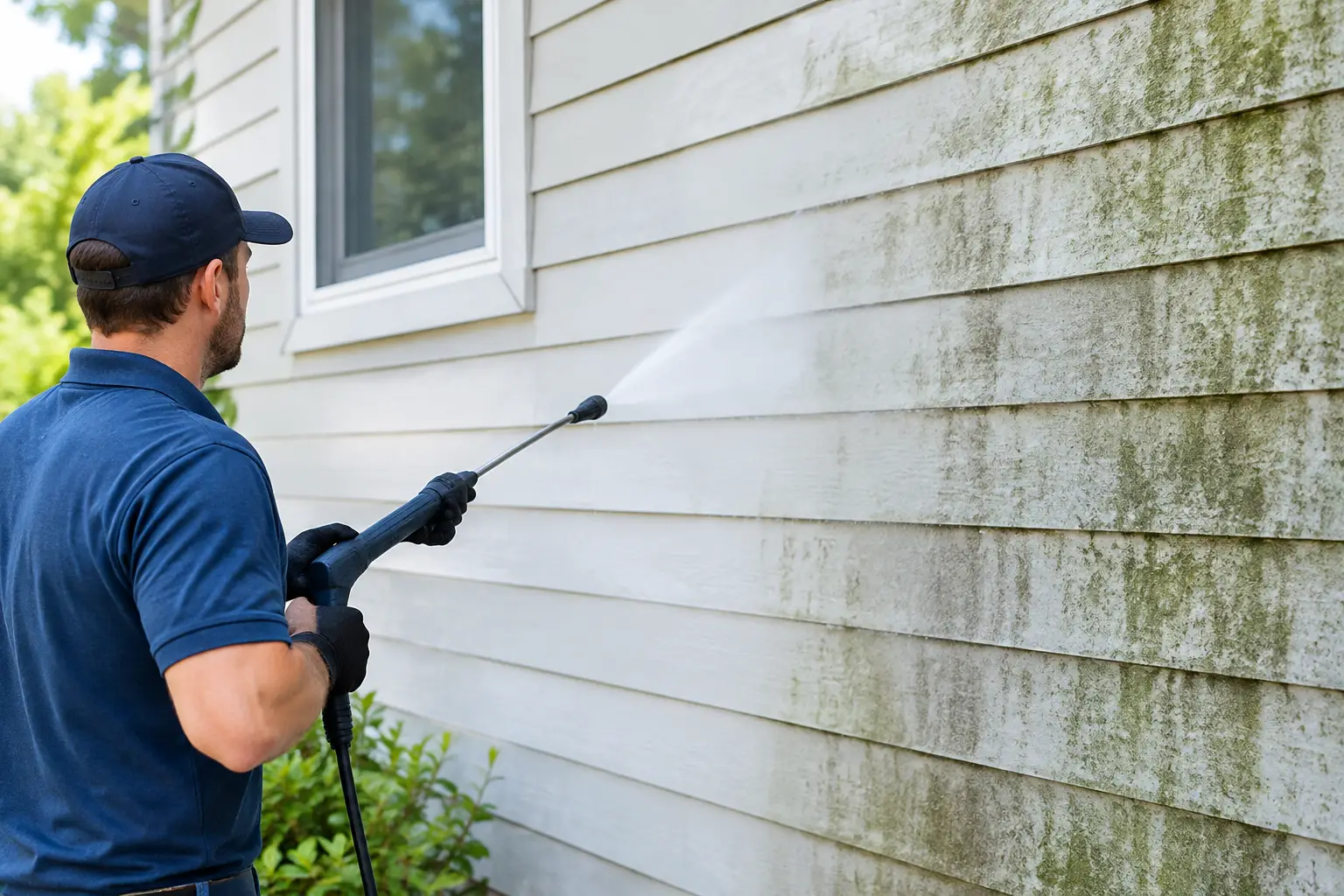
Does soft washing kill mold? Learn how low-pressure cleaning removes exterior growth, when stains suggest damage, and how to protect your home safely.