A roof can look tired years before it is truly at the end of its useful life. Dark algae streaks, faded shingles, dry-looking edges, and early granule loss often send homeowners searching for roof preservative reviews. The challenge is separating a treatment that may help an eligible asphalt-shingle roof from a promise that sounds good but does not fit the roof in front of you.
A preservative treatment is not a replacement roof in a bottle. It cannot repair storm damage, stop an active leak, restore missing shingles, or make severely brittle materials new again. But when a roof is structurally sound and showing age-related drying, it may be a practical part of a maintenance plan that protects the shingles you already own.
Why roof preservative reviews need context
Online reviews can tell you a great deal about a contractor’s communication, cleanup, punctuality, and professionalism. They can also show whether homeowners felt pressured or were given a clear explanation of their roof’s condition. Those are meaningful signals, especially when you are considering work on one of your home’s most important protective systems.
What reviews cannot do on their own is determine whether your roof is a candidate for preservation. A five-star experience on one home does not mean the same treatment belongs on every roof. Shingle age, installation quality, ventilation, sun exposure, drainage, prior repairs, moss growth, and storm history all affect the right recommendation.
The most useful reviews describe specifics. Look for comments about a thorough inspection, photos of the roof before work begins, honest advice when a treatment was not appropriate, protection of landscaping, and a clean jobsite. A contractor who earns trust by occasionally recommending repair or replacement is more valuable than one who treats every roof as a preservation opportunity.
Reviews should describe service, not miracles
Be cautious with claims that a product made a roof “like new” overnight. A preservation treatment is designed to condition aging asphalt shingles and help address the loss of flexibility associated with weathering. It may improve color depth and overall appearance, but its real value is in supporting the remaining service life of a qualifying roof.
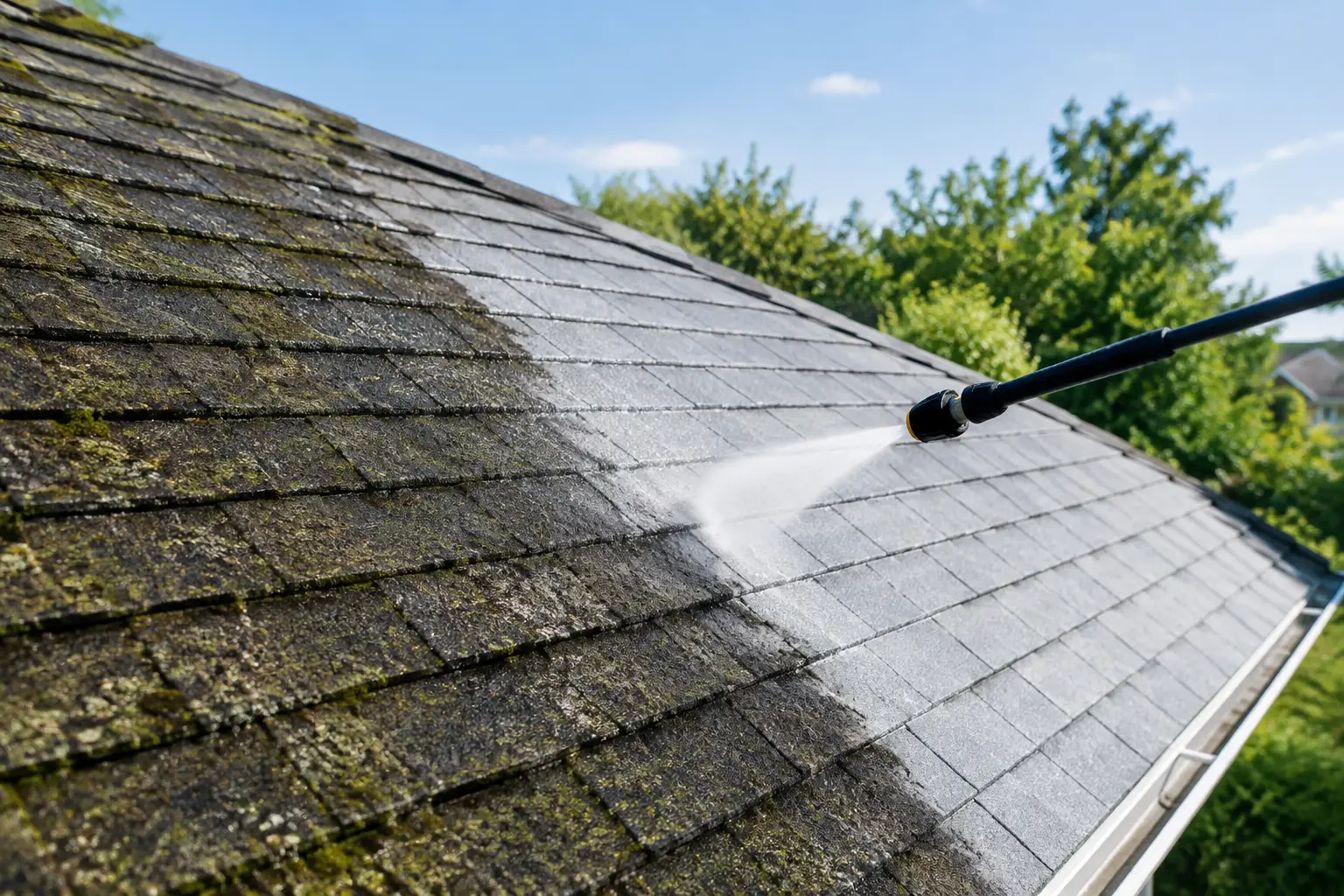
Likewise, algae staining and moss should be handled as separate issues. A roof may need careful soft washing or targeted organic-growth treatment before preservation can be considered. Applying a treatment over heavy moss, debris, or active biological growth is not a substitute for cleaning and can prevent a proper assessment of the shingles beneath it.
What a credible roof preservative review should mention
When reading roof preservative reviews, pay attention to the details that point to sound process rather than marketing language. The strongest feedback often comes from homeowners who understood what was being done, why it was recommended, and what results were realistic.
A reliable review may mention that the contractor inspected shingle tabs, ridge caps, flashing, penetrations, gutters, and visible areas of granule loss. It may say the team explained whether the roof had remaining life worth protecting. Those details show that the recommendation started with the roof’s condition, not with a preset sales pitch.
It is also worth looking for comments about application practices. Preservative products should be applied according to manufacturer guidance, in suitable weather, and with attention to surrounding siding, windows, decks, plantings, and runoff areas. Homeowners should not be left guessing what product was used or whether it is appropriate for their roofing material.
For households concerned about product choices, ask whether the treatment has independent environmental credentials. For example, a USDA Certified Biobased product provides a clear, verifiable point of reference. That designation does not make every roof eligible, but it can help homeowners compare products beyond vague phrases such as “eco-friendly.”
Start with the roof, not the product
The best question is not, “Which preservative has the highest rating?” It is, “What condition is my roof in, and what work makes sense for it?” A professional assessment should give you a direct answer without creating urgency where none exists.
A good candidate often has asphalt shingles that are aging but still intact. The roof should not have widespread cracking, curled tabs, exposed fiberglass mat, major bare spots, failed flashing, soft decking, or an unresolved leak. Minor discoloration, surface drying, and early signs of weathering may be manageable. Extensive material failure is a different situation.
Age matters, but it is not the only factor. A 12-year-old roof under dense trees with recurring moss and poor gutter drainage may need more attention than an 18-year-old roof with good ventilation and regular maintenance. In Southern Westchester, shade, leaf buildup, humidity, and freeze-thaw weather can all contribute to organic growth and moisture problems that shorten shingle life.
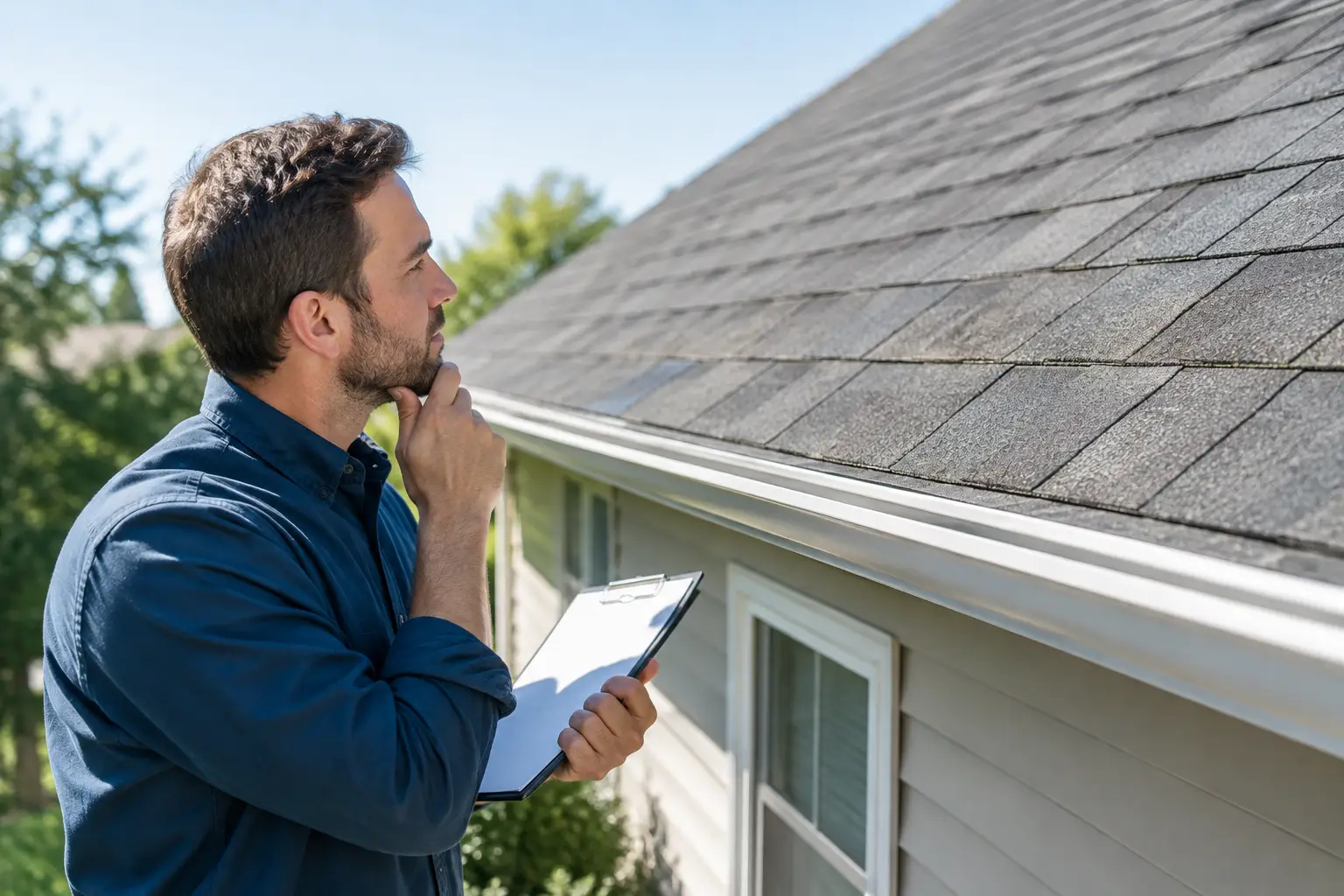
This is why photos and plain-language findings matter. You deserve to see what the contractor sees: the algae streaks, the condition of the shingle edges, the areas where gutters overflow, and any concern around vents or chimneys. A clear diagnosis makes it easier to decide whether cleaning, preservation, repair, or replacement is the responsible next step.
Questions to ask before booking a treatment
Before choosing a provider, ask how they decide whether a roof qualifies. The answer should involve inspection findings, not simply the roof’s age or a quick view from the driveway. Ask what conditions would make them recommend against a preservative treatment. That one question can reveal a great deal about a company’s standards.
Also ask what preparation is included. If the roof has algae, moss, lichen, leaves, or clogged gutters, understand whether those issues will be addressed first and how the crew will protect the property. High-pressure washing is generally not appropriate for asphalt shingles because it can dislodge protective granules and force water where it does not belong. The method should fit the surface.
Ask for a realistic explanation of results and timing. Some changes in appearance may be noticeable quickly, while algae treatment and natural weathering can affect how the roof looks over time. More importantly, ask what ongoing maintenance will help protect the investment. Keeping gutters clear, trimming overhanging branches where practical, improving drainage, and addressing small repairs promptly all support roof performance.
Finally, ask about insurance, licensing, product documentation, workmanship expectations, and any warranty terms. Read warranty language carefully. A warranty should state what is covered, how long coverage lasts, what maintenance is expected, and what circumstances are excluded. It should never be used to distract from a roof that already needs replacement.
Common red flags in preservation claims
A low price is not automatically a problem, and a high price is not proof of quality. Still, homeowners should slow down when a proposal lacks an inspection report, photographs, a named product, or a clear explanation of the application process.
Be wary of anyone who guarantees a specific number of additional years without evaluating your roof’s current condition. Weather, ventilation, installation quality, maintenance, and future storm events are outside anyone’s control. A reputable provider can explain potential benefits and expected care without making promises that no contractor can honestly keep.
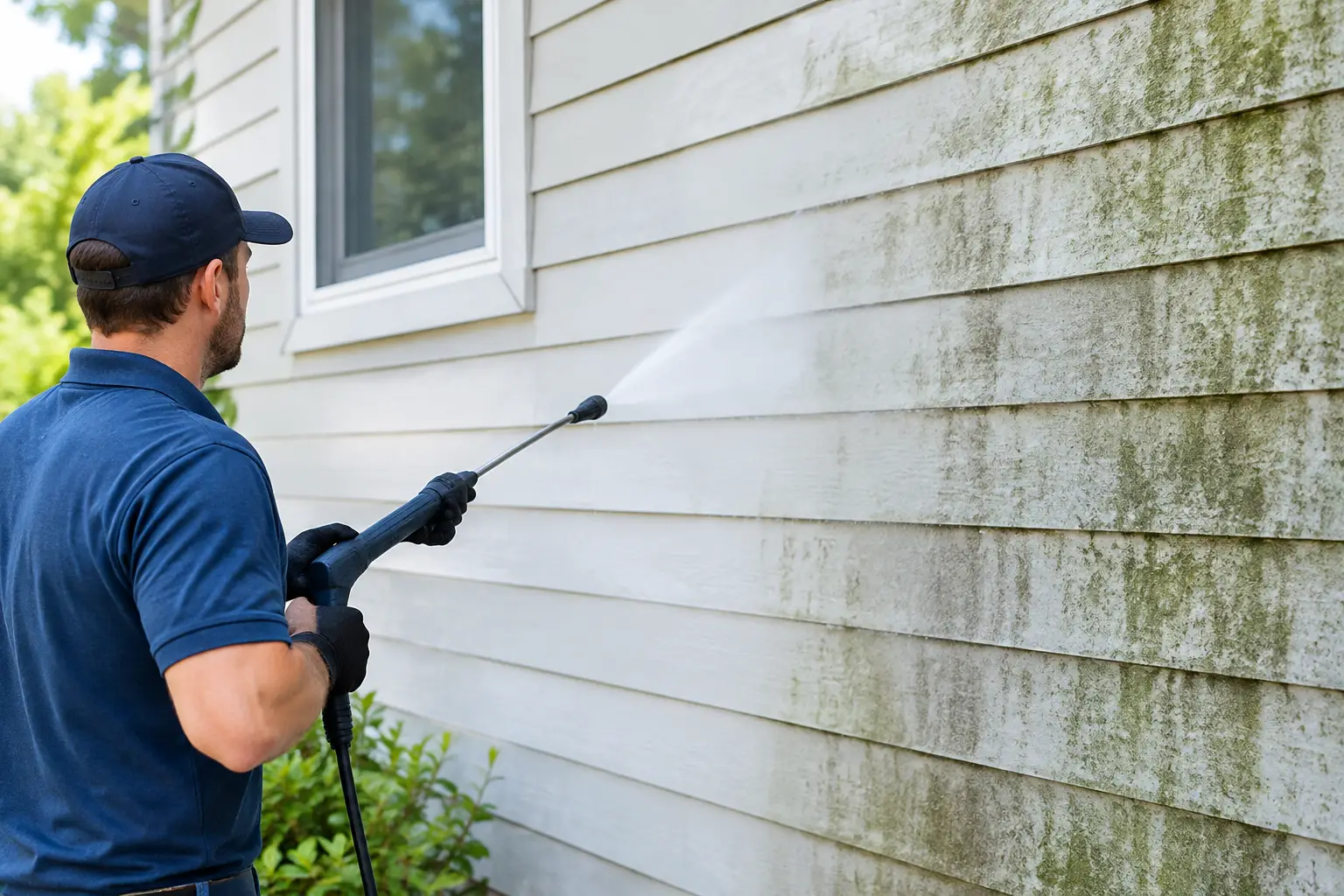
Another red flag is a company that treats cleaning and preservation as interchangeable. Cleaning removes or treats damaging surface growth and improves appearance. Preservation is intended to condition qualifying shingles that have lost some of their natural oils through aging and UV exposure. One may be needed without the other, and neither replaces necessary repairs.
Value is more than the treatment price
For an eligible roof, preservation can cost substantially less than a full replacement. That gap is the reason homeowners should investigate it seriously rather than assume a worn-looking roof must be torn off. At the same time, the least expensive option is only a value if it is appropriate for the roof and completed correctly.
Consider the full picture: the roof’s remaining condition, the cost of cleaning and preparation, the quality of the product, the crew’s protection of your property, and the provider’s willingness to tell you when preservation is not the answer. A treatment that helps extend the useful life of sound shingles can delay a major capital expense. A treatment applied to failing shingles can simply delay an unavoidable decision.
For many homeowners, the best reviews are not the ones that promise the biggest transformation. They are the ones that describe a contractor who arrived prepared, documented the roof’s condition, protected the home, and made a recommendation the homeowner could understand.
If you are weighing a roof preservative treatment, start with a no-pressure assessment and ask for evidence, not just reassurance. Roof Rescue Southern Westchester approaches eligible roofs with that same practical standard: protect what can be protected, explain what cannot, and help homeowners avoid avoidable replacement costs.
continue reading
Related Posts
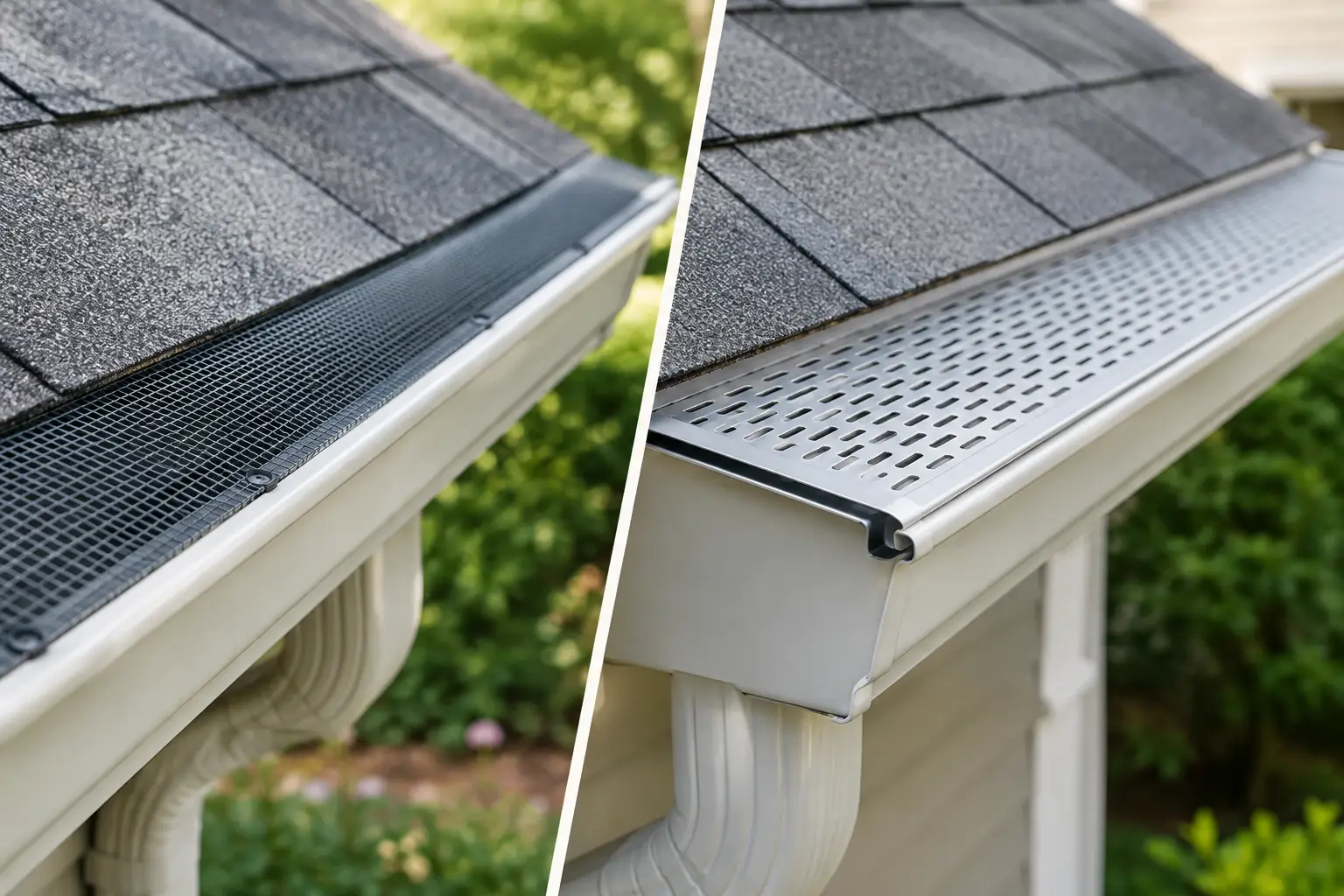
Comparing gutter screens versus guards? Learn which option fits Westchester homes, sheds leaves reliably, and reduces cleaning without trapping debris.
See what real roof cleaning results look like, how long they take, and why safe treatment can protect shingles and help avoid costly replacement bills.
Does soft washing kill mold? Learn how low-pressure cleaning removes exterior growth, when stains suggest damage, and how to protect your home safely.