A roof can look worn long before it is truly worn out. Dark streaks, patches of moss, clogged gutters, and a dull shingle surface are common sights on homes across Southern Westchester. Roof restoration is the process of addressing those conditions before they contribute to avoidable deterioration – but it is not a shortcut for a roof that has reached the end of its safe service life.
The right approach starts with an honest assessment. Some roofs need a careful cleaning and preservation treatment. Others need repairs before maintenance can begin. And some have widespread damage that makes replacement the responsible recommendation. Knowing the difference can protect both your home and your budget.
What Roof Restoration Actually Means
For an asphalt-shingle roof, restoration is a practical maintenance process designed to improve appearance, remove damaging organic growth, and support the shingles that are still structurally sound. It is not simply spraying a roof until it looks brighter, and it should never involve high-pressure washing that can dislodge protective granules or damage shingles.
A proper restoration plan may include safe roof washing, treatment of algae, moss, and lichen, clearing debris from valleys and gutters, addressing minor maintenance concerns, and applying a plant-based shingle preservation treatment when the roof qualifies. These steps target problems that often make a roof appear older than it is.
Over time, sunlight, weather swings, and normal aging can leave shingles dry and less flexible. Organic growth can hold moisture against the roof surface. Debris can interrupt drainage. A restoration service addresses the conditions working against the roof so a homeowner has a clearer picture of its real condition.
The Difference Between Cleaning and Roof Restoration
Roof cleaning is often one part of roof restoration, but the two terms are not interchangeable. Cleaning focuses on removing stains, organic growth, and debris. Restoration takes a broader view: Is the roof draining correctly? Are the shingles still intact? Is there localized damage? Would preservation treatment make sense for the roof’s age and condition?
Those questions matter because an attractive roof is not automatically a healthy one. A dark roof may have algae staining with years of useful life remaining. On the other hand, a roof that looks reasonably clean may have missing shingles, exposed fiberglass matting, active leaks, or extensive granule loss.
A responsible contractor does not treat every roof the same way. The goal is not to sell a treatment at all costs. It is to identify the safest, most cost-effective next step for the home.
When Restoration May Be a Smart Investment
Restoration is often worth considering when shingles are still lying flat, the roof has no active leak history, and the wear is moderate rather than severe. It can be especially useful for homeowners who notice black algae streaks, early moss growth, accumulated leaf debris, or shingles that have lost some of their original luster but remain intact.
In Westchester County, tree cover and seasonal moisture can create ideal conditions for algae and moss. North-facing slopes and roofs beneath overhanging branches tend to show growth first. Left alone, moss can retain moisture and lift at shingle edges, while debris in valleys can slow water runoff. Neither issue automatically means replacement is needed, but both deserve attention.
A preservation treatment may be appropriate for qualifying asphalt-shingle roofs that are aging but not failing. Roof Rescue Southern Westchester uses a USDA Certified Biobased treatment designed to replenish lost oils in compatible shingles and improve flexibility. For an eligible roof, this can be a far more economical option than replacing a roof prematurely – often costing at least 80% less than a full replacement.
That figure does not mean every homeowner will save the same amount. Roof size, pitch, condition, accessibility, needed repairs, and the type of existing shingle all affect the scope of work. The value comes from extending the useful life of a sound roof, not from trying to preserve one that is already beyond repair.
Signs Your Roof May Need Replacement Instead
There are situations where restoration is not the answer. If shingles are curling heavily, cracking across large areas, missing in multiple locations, or shedding granules at an advanced rate, cleaning or treatment cannot restore their original structure. The same is true when there is evidence of ongoing water intrusion, soft roof decking, sagging, or widespread failed flashing.
Age also matters, but it is not the only factor. Two roofs installed in the same year can age very differently depending on ventilation, sun exposure, tree cover, storm damage, installation quality, and maintenance history. A roof near the end of its expected lifespan may still benefit from a professional assessment, but homeowners should be prepared for a replacement recommendation if the material condition calls for it.
Be cautious with anyone who promises to make every old roof “like new.” Honest roof care is about extending serviceable life where possible and being direct when replacement is the safer choice.
Why Method Matters More Than a Quick Visual Fix
The wrong cleaning method can turn a maintenance issue into a repair issue. High-pressure washing may strip granules from asphalt shingles, force water beneath shingle edges, and shorten the life of a roof that only needed gentle treatment. A safer roof-washing process uses an appropriate low-pressure application and cleaning solution selected for the material and level of growth.
Surrounding landscaping should be protected as part of the job. That includes pre-wetting vegetation, controlling runoff, rinsing thoroughly, and following product instructions carefully. Homeowners should also expect attention to ladders, roof access, and fall protection. A roof job is not a place to cut corners.
Gutters are part of the equation, too. Clean gutters and open downspouts help move water away from the roofline and foundation. If leaves, granules, or roof debris are collecting in the gutter system, it can signal a drainage issue that needs to be addressed alongside the roof work.
What a Useful Roof Assessment Should Include
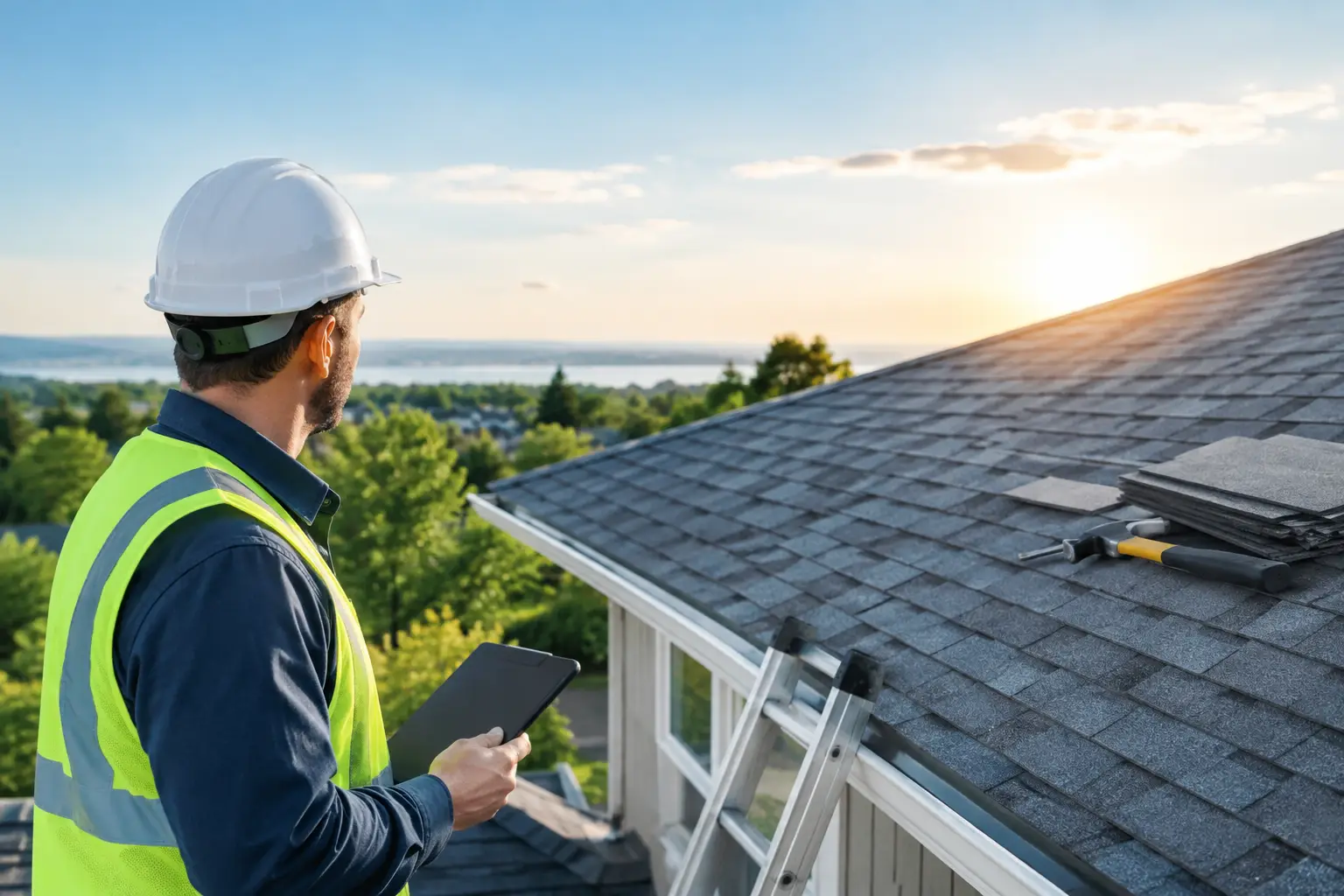
A good assessment should give you more than a sales pitch. It should explain what is on the roof, what condition the shingles are in, and what work is recommended now versus what can be monitored. Photos are especially helpful because they allow you to see areas that cannot be viewed safely from the ground.
Ask whether the contractor sees active damage, not just surface staining. Ask whether your shingles qualify for preservation treatment and what results are realistic. If cleaning is proposed, ask how the crew will protect shingles, gutters, siding, plants, and nearby hardscapes. Licensed and insured service is another basic safeguard, particularly when work involves roof access.
The best answer may be simple: clean the roof, clear the gutters, trim back branches where appropriate, and schedule periodic inspections. Some homes need a more involved plan. Either way, clear documentation and straightforward recommendations help you make the decision without pressure.
Keeping Restoration Results Longer
Once a roof has been cleaned or treated, a few ongoing habits can help reduce repeat growth and water-related stress. Keeping branches from rubbing against the roof, removing heavy leaf buildup after the fall season, and making sure gutters drain freely are all worthwhile. After severe storms, look for displaced shingles, loose flashing, fallen limbs, or new debris in valleys.
Do not wait for a ceiling stain to pay attention to the roof. By that point, water may already have traveled beyond the original entry point. Routine exterior care gives homeowners a chance to deal with smaller concerns while they are still manageable.
A roof does not have to look brand-new to be worth protecting. If staining, moss, or aging shingles have you wondering whether replacement is next, schedule a free roof assessment and get a clear answer before making a major investment.
continue reading
Related Posts
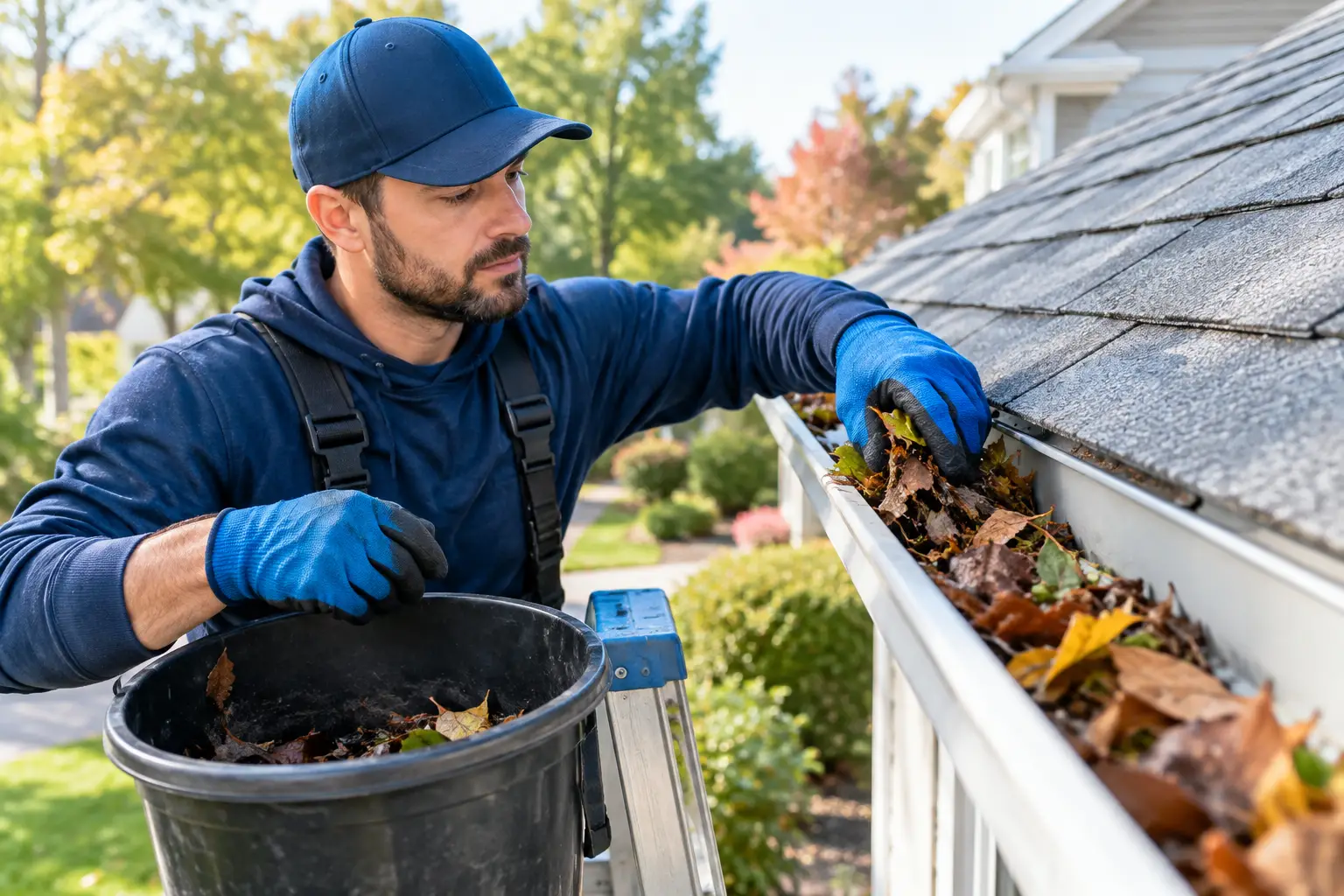
Scarsdale gutter cleaning reviews can reveal a lot. Learn which details point to safe, reliable service, fair pricing, and lasting protection for homes.
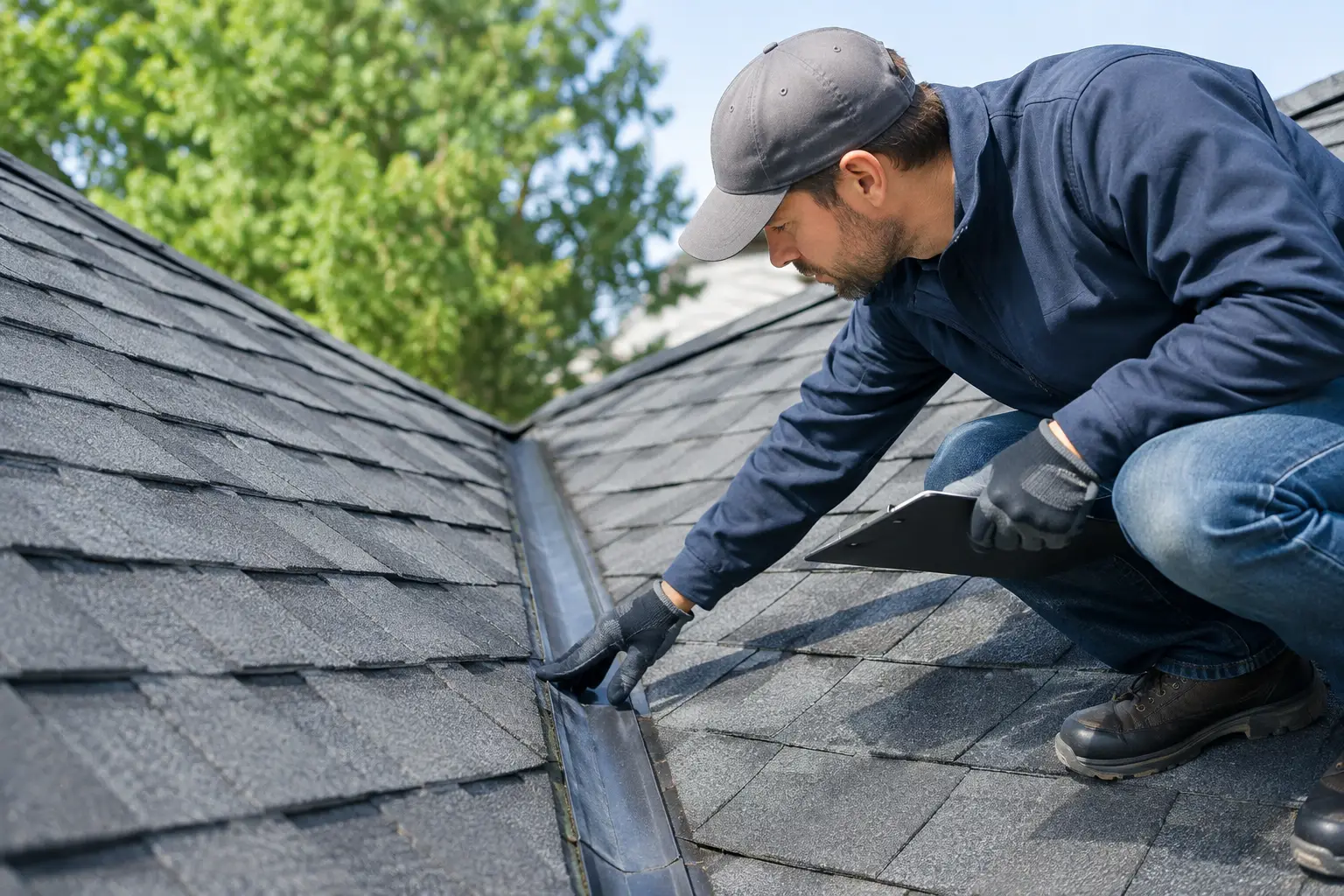
Learn how to maintain roof valleys safely, spot early trouble, protect shingles, and know when a Southern Westchester professional should step in today.
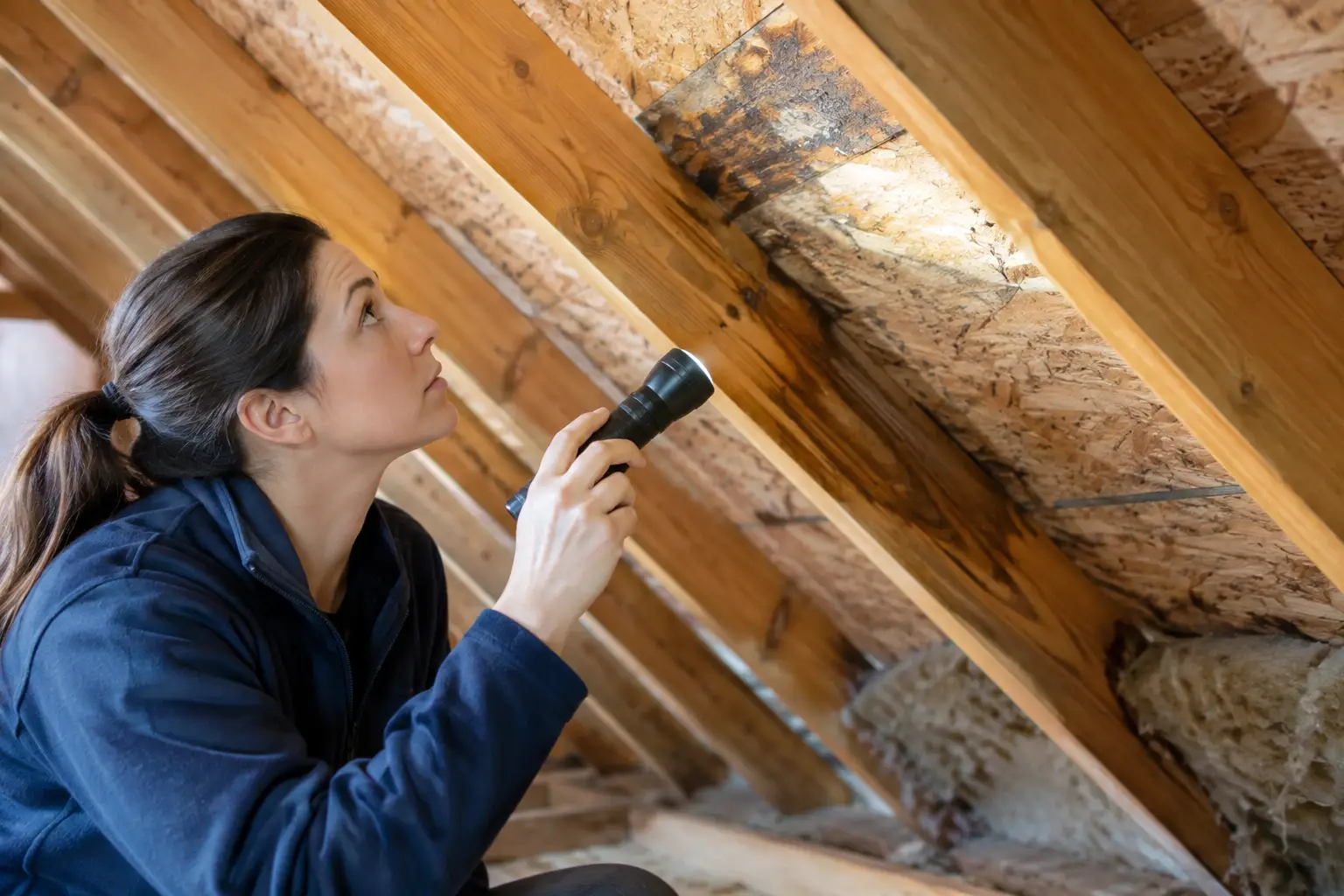
Learn how to inspect attic leaks safely, spot roof and ventilation clues, and know when a Southern Westchester homeowner needs a roofer for a clear repair plan.