
A loose gutter, a dark roof streak, or a small crack in a driveway can look like a minor weekend project. After a Westchester winter, however, those small issues can become water intrusion, damaged shingles, stained siding, or expensive repairs. A practical seasonal home maintenance checklist helps you spot trouble while it is still manageable – and protects the parts of your home that work hardest in every kind of weather.
For most homeowners, the goal is not to chase a perfect property every month. It is to stay ahead of moisture, organic growth, sun exposure, and freeze-thaw damage before they shorten the life of a roof or exterior surface. Use the schedule below as a working plan, then adjust it for your home’s age, tree cover, roof slope, and drainage conditions.
Spring: Clear Winter’s Leftovers
Spring is the right time to look for damage that was hidden by snow, ice, and long stretches of wet weather. Start from the ground. Walk around the home after a dry day and look for sagging gutters, loose downspouts, peeling paint, cracked caulk, displaced pavers, and stains below roof edges.
Pay particular attention to gutters and downspouts. Leaves, twigs, shingle grit, and roof moss can clog the system over winter. When water cannot move freely, it can overflow behind the gutter, soak fascia boards, erode planting beds, and pool near the foundation. Clean gutters thoroughly, confirm that hangers are secure, and make sure downspouts discharge well away from the house.
Your roof deserves a careful visual inspection too. Look for curled, lifted, cracked, or missing shingles, along with exposed nail heads and flashing that appears bent or separated. Dark streaks are often algae, while thicker green growth may be moss or lichen. These organisms hold moisture against shingles and can affect both appearance and long-term roof performance. Never walk on a steep, wet, or visibly deteriorated roof. A photo-documented professional assessment is safer and gives you a clearer picture of what needs attention.
Spring is also a good time to inspect siding, trim, and masonry joints. Winter movement can open small gaps around windows, vents, and utility penetrations. Recaulking early helps keep wind-driven rain out of vulnerable areas.
Summer: Protect Surfaces From Heat and Growth
Summer sun exposes weaknesses that are easy to miss in cooler months. On asphalt-shingle roofs, UV exposure gradually dries the oils that help shingles remain flexible. On driveways, patios, and walkways, heat and traffic make untreated cracks more noticeable. Meanwhile, humidity and shade encourage algae, mildew, and moss to spread.
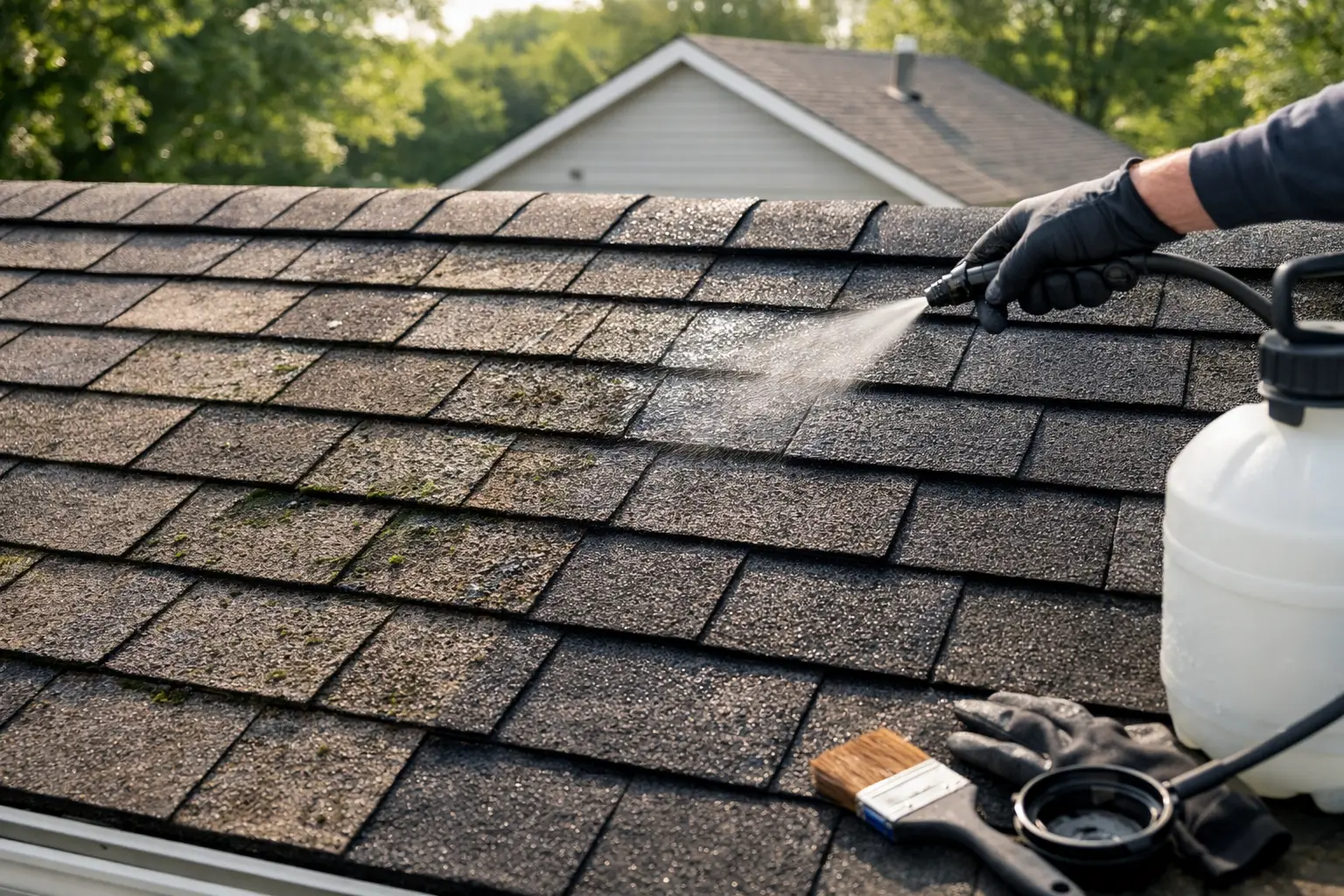
This is the season to clean exterior surfaces with the right method for the material. Pressure that is appropriate for concrete can damage siding, wood, painted surfaces, and roof shingles. Roofs should never be blasted with high pressure. Safe roof washing relies on low-pressure methods and purpose-made treatments that remove organic growth without stripping granules or forcing water beneath shingles.
If an asphalt-shingle roof is aging but still structurally sound, ask whether a preservation treatment is appropriate. A plant-based, USDA Certified Biobased shingle rejuvenation product can help replenish flexibility and improve water resistance in qualifying shingles. It is not a substitute for a roof with active leaks, major shingle loss, or failing decking. But for the right roof, preservation can be a practical way to extend usable life at a fraction of replacement cost.
Summer is also ideal for checking outdoor drainage during a hard rain. Water should flow away from the foundation, not collect near steps, patios, or garage doors. Regrade low spots where needed and keep splash blocks or extensions in place.
Fall: Prepare the Home for Heavy Rain and Leaves
Fall maintenance is largely about water control. Southern Westchester’s mature trees are beautiful, but they can send a surprising amount of debris onto roofs and into gutters. Do not wait until every leaf has fallen. A mid-season cleaning, followed by another after the heaviest leaf drop, can prevent blockages during late-fall rain.
A complete fall exterior check should include these priorities:
- Remove leaves, branches, and seed pods from gutters, valleys, roof edges, and around foundation drains.
- Test downspouts with a hose and watch for slow flow, leaks at joints, or water backing up at the gutter.
- Trim branches that rub the roof, hang over it heavily, or drop debris into valleys.
- Check chimney flashing, vent boots, skylight edges, and pipe penetrations for signs of separation or cracking.
- Seal visible cracks in clean, dry concrete or pavers when the product and weather conditions allow.
Gutter guards can reduce recurring debris buildup, especially around heavily wooded properties, but they are not maintenance-free. Fine material can still collect on top of guards or settle in channels. The best choice depends on roof pitch, nearby tree species, gutter condition, and how much debris your property receives. A guard system should improve water flow, not become an excuse to stop inspecting the gutters.
Before freezing weather arrives, disconnect and drain garden hoses, shut off exterior water supplies if your plumbing setup allows, and make sure outdoor spigots are protected. Water left in vulnerable lines can freeze and create a repair far more disruptive than a few minutes of preparation.
Winter: Monitor, Do Not Take Risks
Winter is not the time for most exterior cleaning projects, but it is a critical time for observation. After snow, wind, or freezing rain, look for ice dams at roof edges, water stains on ceilings, unusual dripping, or gutters pulled loose by ice weight. Inside the attic, if it is safely accessible, watch for damp insulation, frosty nail heads, or musty odors.
Ice dams are often blamed on the roof alone, but they can involve a combination of snow load, heat escaping into the attic, insufficient ventilation, and clogged drainage paths. Clearing gutters in fall helps, yet it does not solve every ice-dam condition. If the problem repeats, a professional should assess insulation, ventilation, flashing, and roof details rather than simply treating the visible ice.
Avoid chipping ice off shingles or using harsh chemicals that can harm roofing, landscaping, or surrounding surfaces. Also resist the temptation to climb a ladder in icy conditions. A small service call is usually less costly than an emergency caused by a fall or a damaged roof edge.
A Seasonal Home Maintenance Checklist That Fits Your Property
The most useful maintenance plan is one you will actually follow. Put two gutter cleanings, a spring roof review, a fall drainage check, and an annual exterior inspection on your calendar. Homes beneath large oaks or maples may need more frequent gutter service. Homes with broad, sunny roofs may have less moss but more UV wear. Homes surrounded by shade may need earlier attention for algae and lichen.
Keep a simple record of what you find. Take dated photos of roof stains, cracked surfaces, peeling caulk, and problem drainage areas. That record makes it easier to see whether a condition is stable or getting worse, and it helps a contractor give recommendations based on evidence rather than guesswork.
Roof Rescue Southern Westchester approaches exterior maintenance the same way: inspect carefully, explain the findings plainly, and recommend only the work that makes sense for the home. If you see roof growth, persistent gutter overflow, or signs of shingle aging, schedule your free roof assessment before the next season adds to the damage. A little preventive attention now can protect the home you have worked hard to maintain.
continue reading
Related Posts
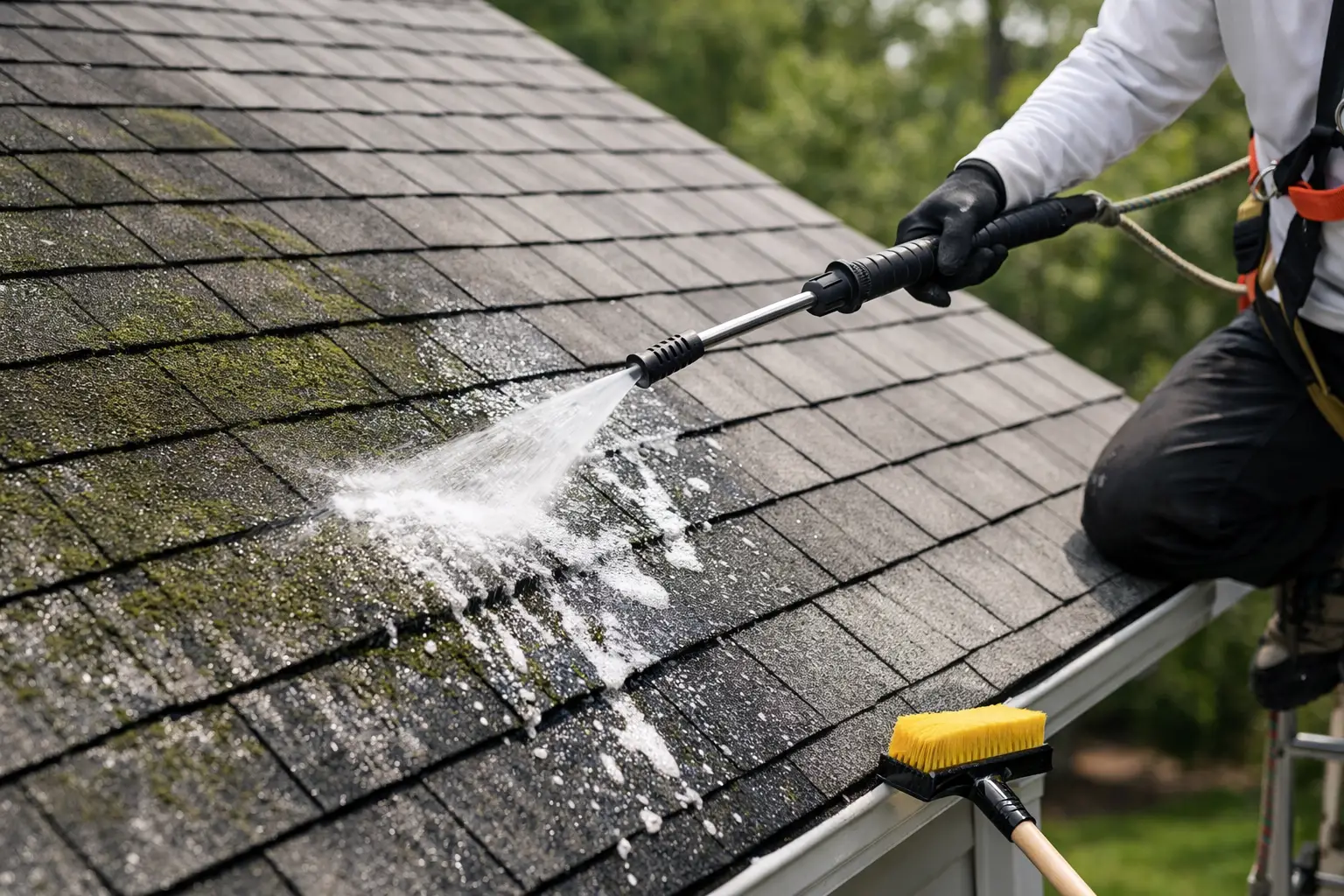
Learn how to remove algae from shingles safely, protect asphalt roofs, and avoid premature replacement with practical homeowner guidance in Westchester.
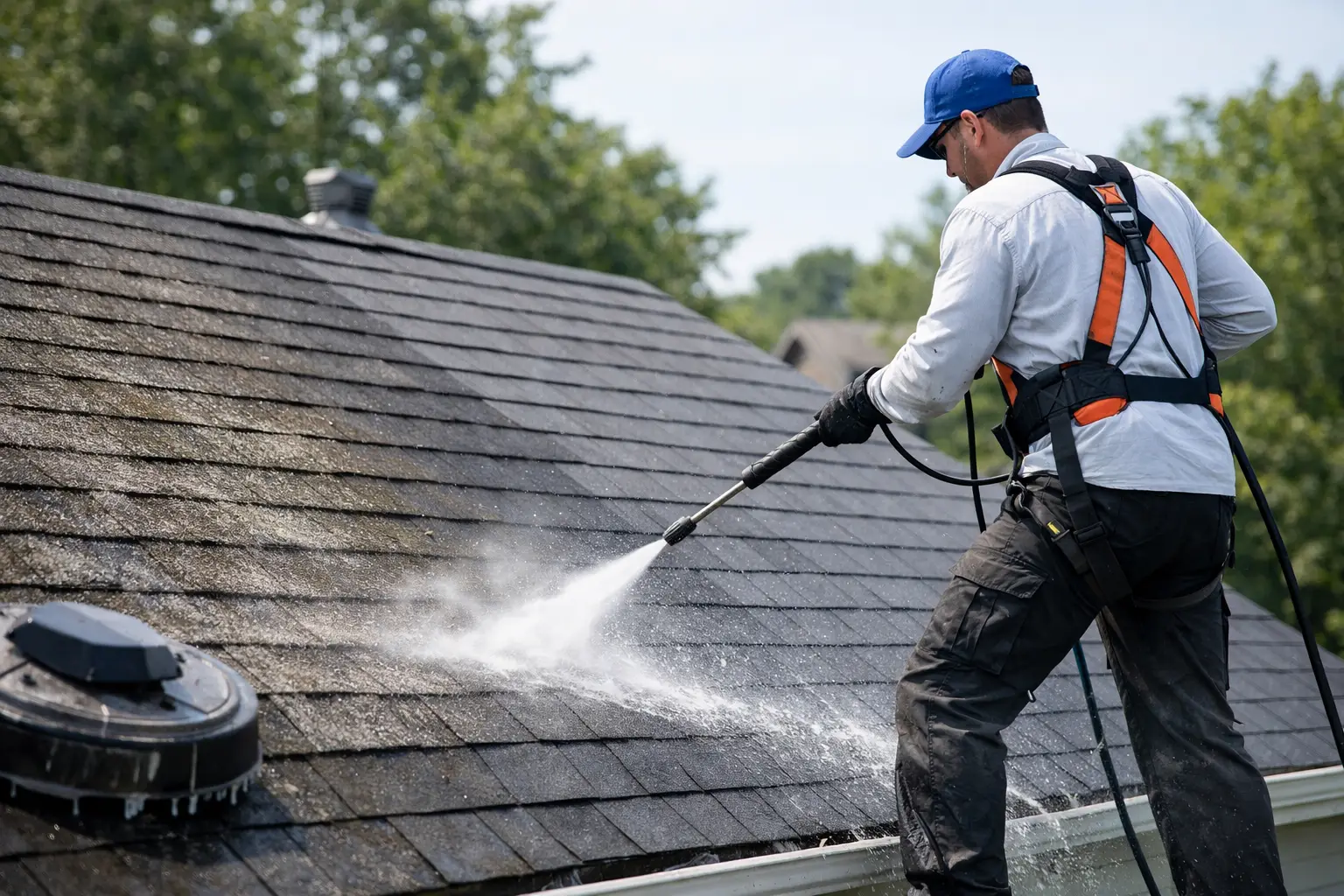
Roof cleaning removes algae, moss, and debris safely, helping Southern Westchester homeowners protect shingles, curb appeal, and roof life for years.
Learn how shingle preservation products can restore flexibility, slow roof aging, and help Westchester homeowners avoid premature replacement costs today.