A roof does not usually fail all at once. For many Southern Westchester homeowners, the first warning signs are black streaks, green moss at shaded edges, curled shingle corners, or a roof that suddenly looks older than the rest of the property. The practical shingle treatment benefits come from addressing those signs before organic growth, weather exposure, and lost flexibility turn a manageable maintenance issue into a replacement decision.
A professional assessment should always come first. Treatment can be a smart way to preserve a roof with remaining service life, but it cannot repair storm damage, widespread leaks, missing shingles, or a roof that has already reached the end of its useful life. A trustworthy recommendation starts by identifying which situation you have.
What Causes Asphalt Shingles to Age
Asphalt shingles are designed to protect a home through heat, rain, snow, wind, and changing seasons. Over time, however, sunlight dries the asphalt components that help shingles stay flexible. Temperature swings cause the roof to expand and contract. Water can linger beneath debris, while algae, moss, and lichen establish themselves in damp or shaded areas.
Those dark roof streaks are commonly algae. They may begin as an appearance problem, but unchecked growth can hold moisture and make a roof look neglected long before it is structurally worn out. Moss presents a different concern: it can grow beneath shingle edges, retain moisture, and interfere with proper water shedding. In tree-lined neighborhoods around New Rochelle, Scarsdale, Rye, and other parts of Westchester County, roof shade and leaf debris can make these conditions more likely.
Age matters, but maintenance history matters too. Two roofs installed in the same year can look and perform very differently depending on sun exposure, ventilation, nearby trees, gutter condition, and whether damaging growth has been safely removed.
Shingle Treatment Benefits for Aging Roofs
The right preservation treatment is not a cosmetic shortcut. Its purpose is to help qualifying asphalt shingles regain some of the flexibility and water resistance they lose as they weather. When paired with safe roof cleaning, it can help homeowners get more value from a roof that is still fundamentally sound.
It can extend usable roof life
Replacement is sometimes necessary, but it is not the answer to every aging-roof concern. When shingles remain intact and the roof system is otherwise healthy, a plant-based rejuvenation treatment may help replenish the oils that asphalt shingles lose through UV exposure and time. Better flexibility can help reduce brittleness, which is one factor behind cracking and premature wear.
This is not a promise that every roof will last a certain number of extra years. Results depend on the roof’s age, condition, installation quality, ventilation, exposure, and prior damage. Still, preserving a viable roof can be a sensible alternative to replacing it before its time.
It addresses the source of ugly roof staining
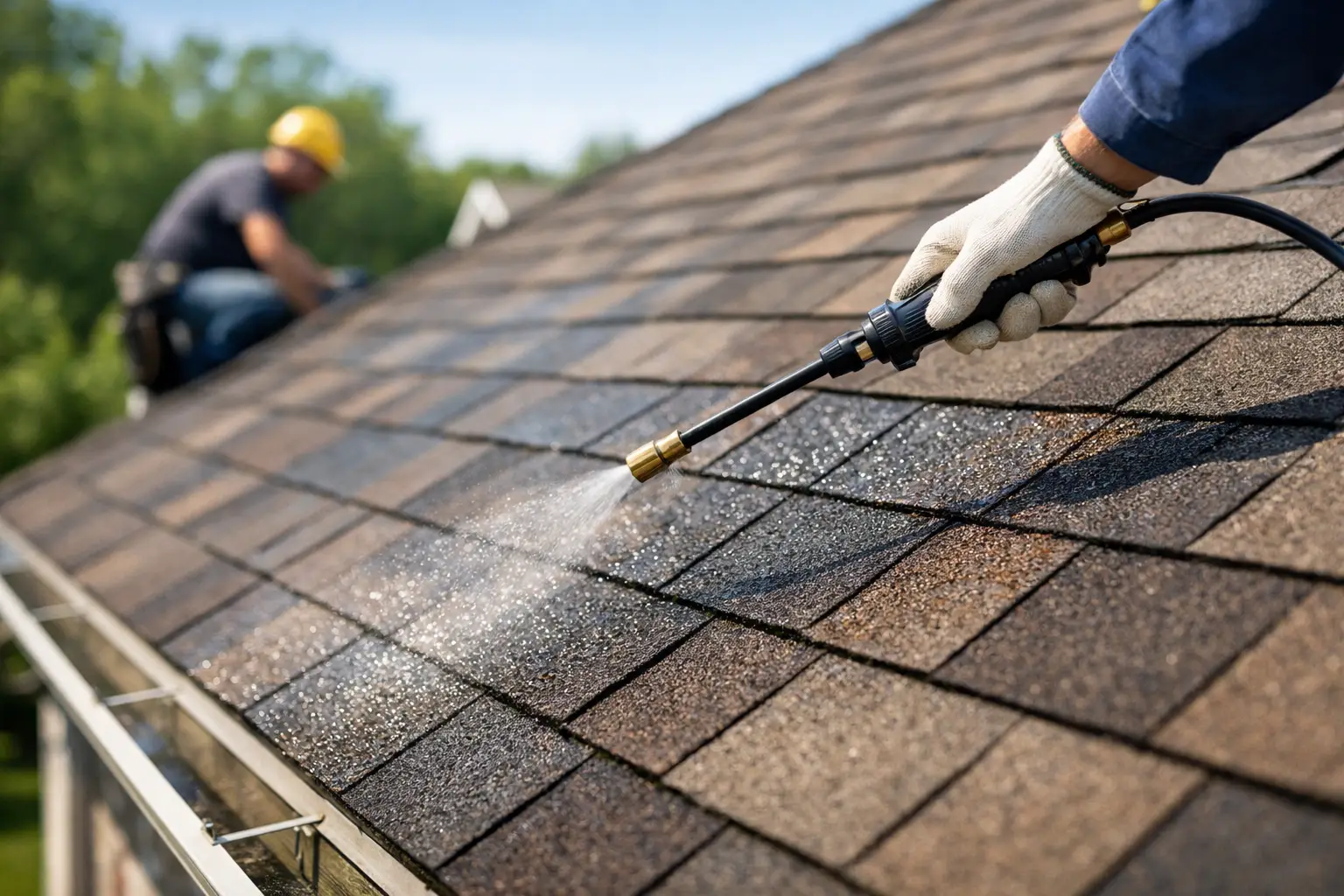
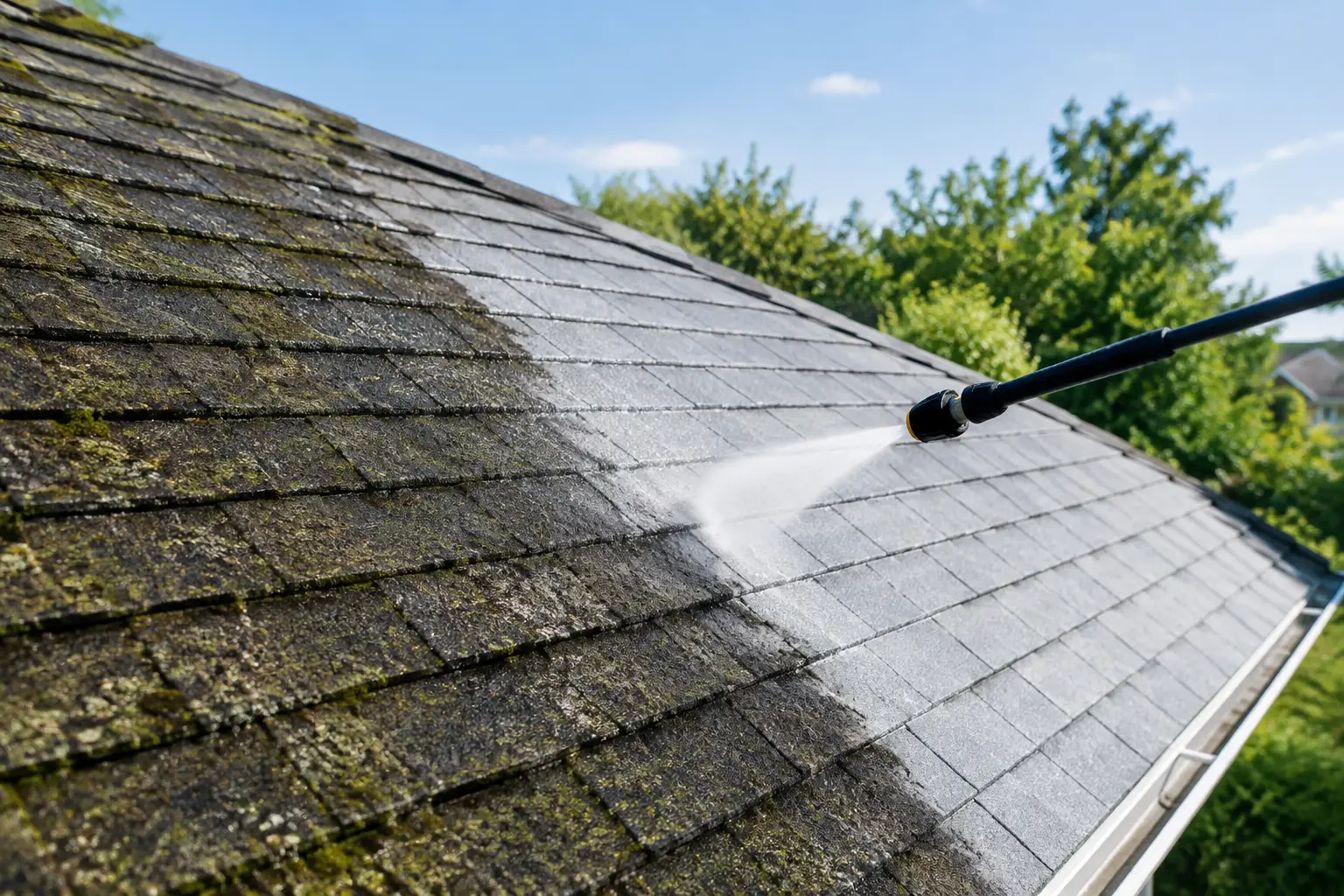
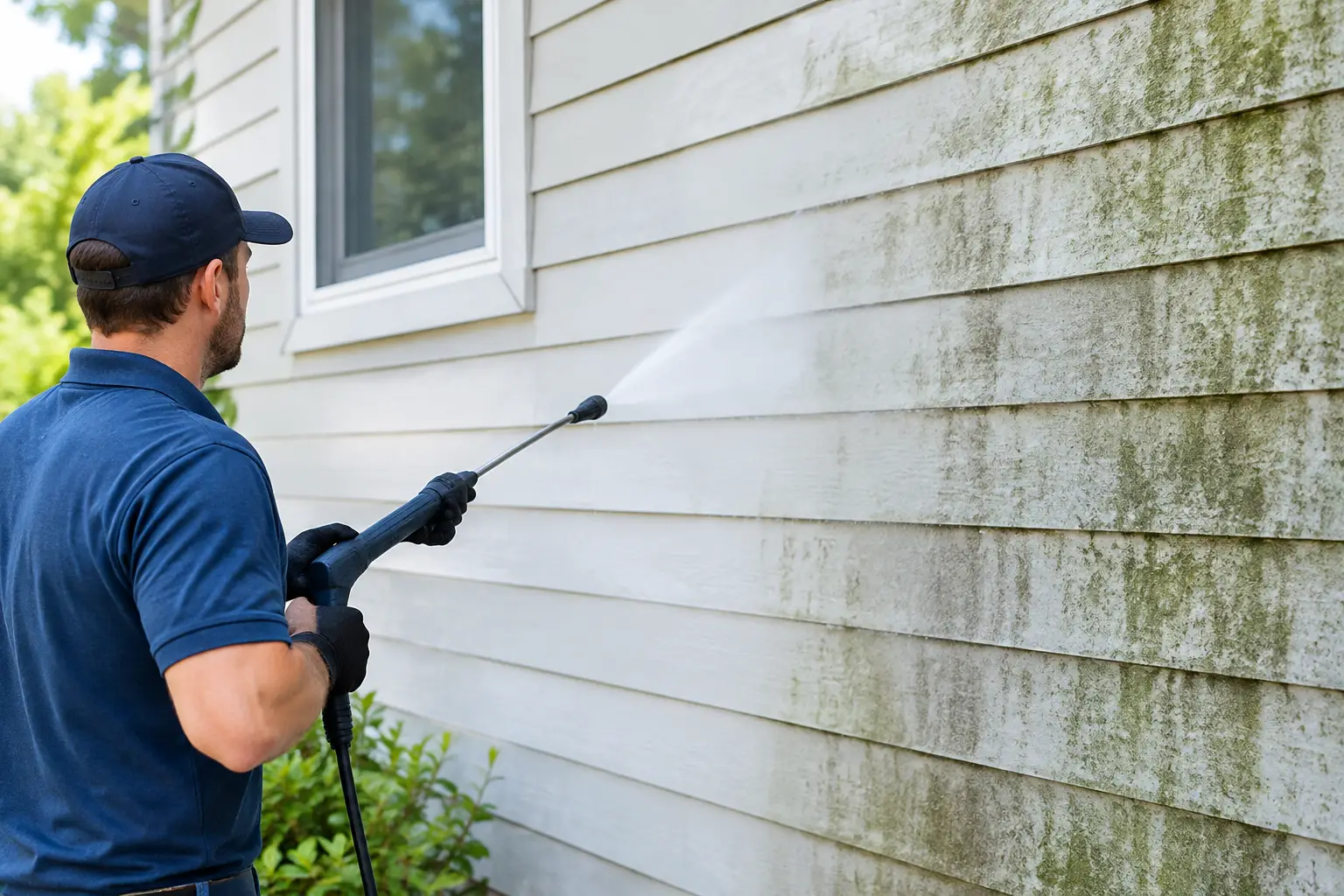
A treatment plan often begins with cleaning because algae, moss, and debris should not be sealed in or ignored. Proper soft washing uses an approach suited to the roof material and the surrounding property. High-pressure washing is not appropriate for asphalt shingles because it can dislodge protective granules and create damage where there was none before.
After organic growth is treated, the roof can look substantially cleaner and more consistent in color. That improvement matters for curb appeal, but the larger value is removing conditions that can keep moisture on the roof surface. A clean roof also makes it easier to spot lifted shingles, damaged flashing, or other issues that deserve attention.
It may help shingles resist brittleness and cracking
As shingles lose their natural oils, they can become dry and less flexible. Cold weather, summer heat, and repeated expansion and contraction place more stress on brittle materials. A USDA Certified Biobased shingle rejuvenation product is designed to penetrate and restore flexibility in eligible asphalt shingles without relying on a harsh, petroleum-heavy approach.
For a homeowner, the benefit is straightforward: preserving shingle condition may help postpone the larger expense and disruption of a full replacement. It is a maintenance decision, not a magic fix. If shingles are severely curled, bald from granule loss, torn, or leaking, treatment should not be used to avoid necessary repairs.
It can make replacement planning more deliberate
A roof replacement is a major project. It involves budget, scheduling, material selection, cleanup, and the understandable concern of protecting landscaping and the rest of the home. When a roof is eligible for preservation, treatment may give a homeowner more time to plan rather than making a rushed decision after visible deterioration has become impossible to ignore.
That additional time can be valuable, especially when a roof is not yet failing but is beginning to show its age. Treatment costs substantially less than replacement in many situations, but the real comparison is not simply price. The question is whether the existing roof has enough life and structural integrity to justify preserving it.
When Treatment Makes Sense – and When It Does Not
A good contractor should be comfortable telling you when treatment is not the right answer. Roof preservation is generally most appropriate for asphalt-shingle roofs that are aging but still serviceable, with no active leaks or major structural concerns. The roof should have enough remaining granules and shingle integrity for treatment to be worthwhile.
Treatment may not be appropriate if there is extensive storm damage, widespread missing shingles, soft decking, serious flashing failures, major granule loss, or leaks affecting the interior. In those cases, repair or replacement protects the home better than trying to stretch a roof beyond its useful life.
An assessment should include photos and a clear explanation of what is being seen. Homeowners deserve to know whether black streaks are simply algae, whether moss is lifting shingle edges, and whether visible wear is cosmetic or a sign that replacement should be scheduled. A no-pressure diagnosis is more useful than a one-size-fits-all sales pitch.
Cleaning and Preservation Work Best Together
Roof cleaning and shingle treatment solve related but different problems. Cleaning removes organic growth and surface contamination. Preservation treatment focuses on the asphalt shingles themselves, helping eligible material maintain flexibility and performance characteristics as it ages.
Neither service replaces ordinary roof care. Keep gutters clear so water can move away from the roofline. Trim branches that create constant shade or scrape against the roof. Remove leaf buildup when it is safe to do so, and address small repairs before wind and water make them larger. These steps support the value of professional cleaning and treatment.
It also helps to avoid quick fixes that create lasting damage. Bleach-heavy DIY methods can harm nearby plants if used incorrectly. Pressure washing can strip granules. Walking on a hot or brittle roof can cause unnecessary breakage. A trained, insured exterior-maintenance team has the equipment and process to evaluate the roof while protecting the home, landscaping, and people below.
What Homeowners Should Ask Before Approving Treatment
Before scheduling any roof service, ask whether the roof has been inspected for leaks, storm damage, and shingle condition. Ask what cleaning method will be used, how plants and exterior surfaces will be protected, and whether the proposed treatment is suitable for your specific roof type and age.
You should also ask what results are realistic. A professional should explain that staining may improve dramatically, while deeply embedded discoloration or existing material damage may not disappear completely. They should distinguish between extending serviceable life and guaranteeing a roof will never need replacement.
At Roof Rescue Southern Westchester, the goal is to help homeowners make the most practical decision for their property – whether that means careful cleaning and preservation, a targeted repair recommendation, or honest advice that a roof has reached the point where replacement is the safer investment.
A roof is one of the home’s largest protective systems, and small visible changes deserve a closer look before they become expensive surprises. Schedule a free roof assessment when staining, moss, debris, or aging shingles raise questions, and make the next decision with a clear picture of what your roof actually needs.
continue reading
Related Posts
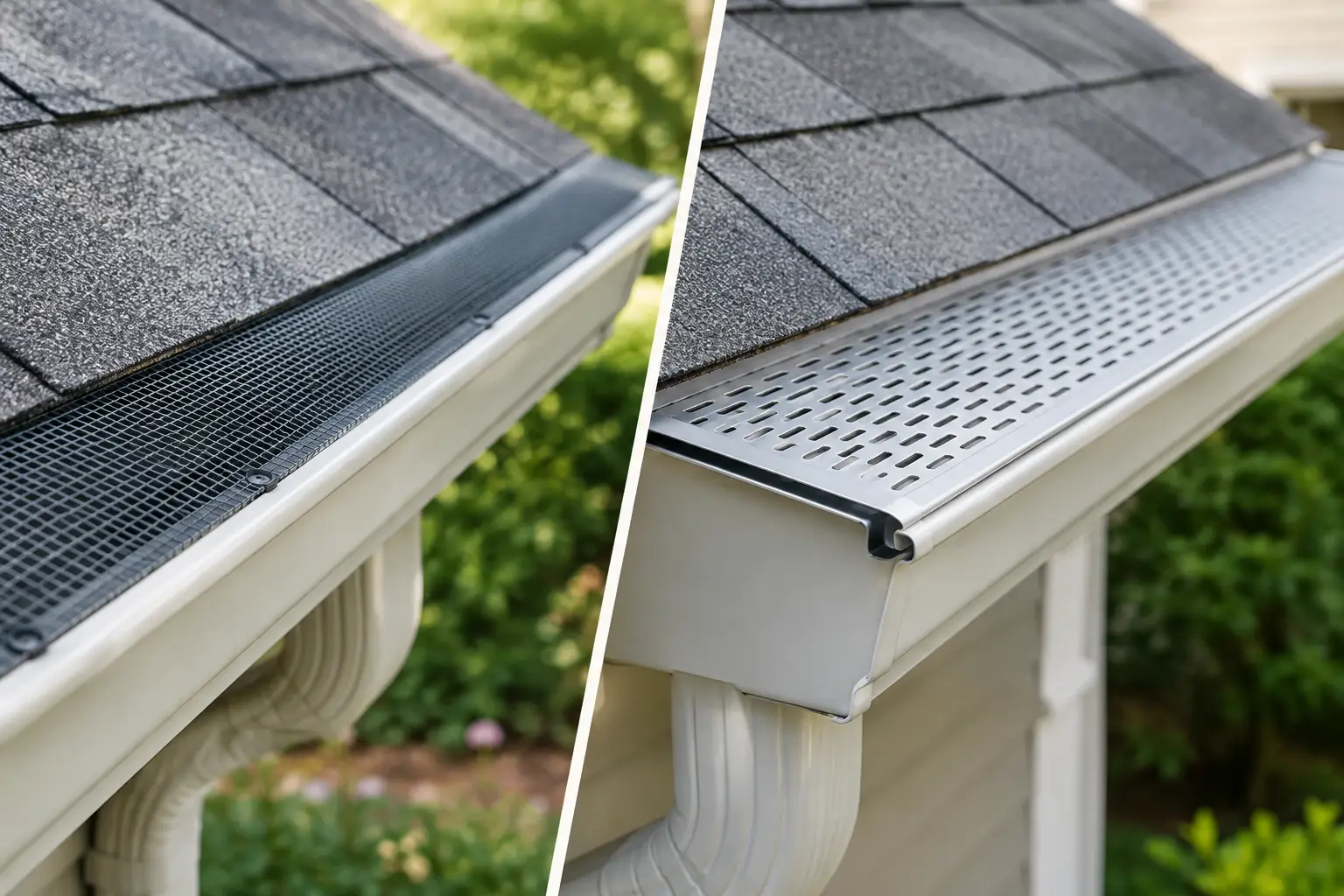
Comparing gutter screens versus guards? Learn which option fits Westchester homes, sheds leaves reliably, and reduces cleaning without trapping debris.
See what real roof cleaning results look like, how long they take, and why safe treatment can protect shingles and help avoid costly replacement bills.
Does soft washing kill mold? Learn how low-pressure cleaning removes exterior growth, when stains suggest damage, and how to protect your home safely.