A roof can look worn out long before it is ready to be replaced. Black streaks, green moss, faded shingles, and loose-looking granules often send homeowners straight to the replacement question. But the better first question is whether the roof needs cleaning, preservation treatment, repair, or a combination of services. Understanding shingle treatment versus cleaning can help you protect a major investment without paying for work your roof does not need.
For many Southern Westchester homeowners, the answer depends on two separate issues: what is growing or staining the roof today, and how much life the asphalt shingles still have left. Cleaning addresses surface contamination. A preservation treatment is designed for qualifying shingles that are aging, drying out, and losing flexibility. They are related services, but they do different jobs.
Shingle Treatment Versus Cleaning: The Core Difference
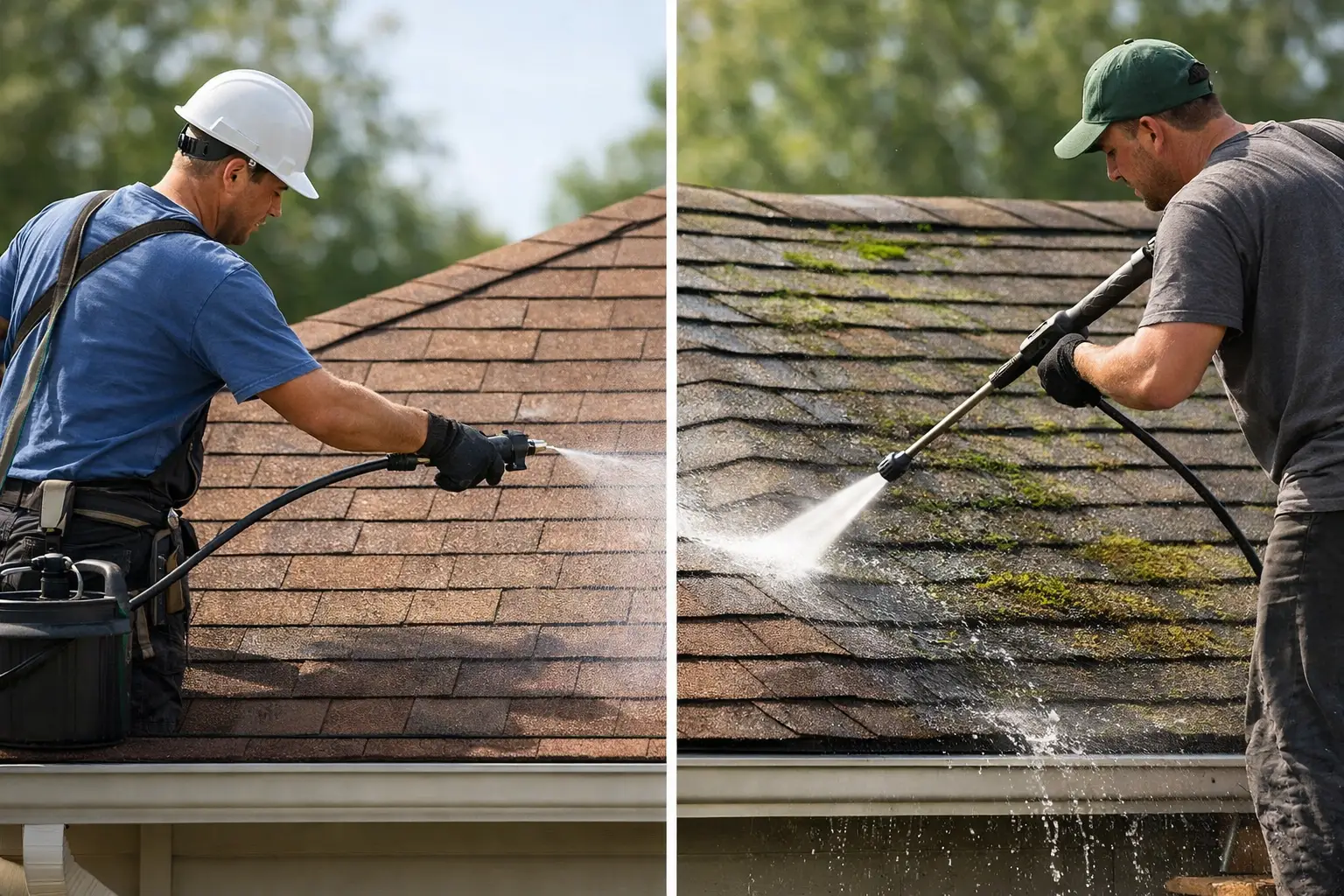
Roof cleaning removes unwanted organic growth and staining from the surface of the roof. This commonly includes algae, moss, lichen, mildew, and accumulated debris. On asphalt shingles, those black streaks are often algae that feed on the limestone filler used in many shingle products. Moss can hold moisture against the roof and may lift shingle edges as it spreads.
A professional roof wash should use a low-pressure, shingle-safe process. High-pressure washing can dislodge protective granules, damage shingle edges, and force water where it does not belong. The goal is not to blast the roof clean. It is to treat the growth carefully, rinse or allow the treatment to work as appropriate, and protect landscaping and surrounding surfaces throughout the process.
Shingle preservation treatment has a different purpose. Qualifying asphalt shingles gradually lose oils and flexibility through years of sun, heat, winter weather, and normal exposure. A plant-based, USDA Certified Biobased treatment is applied to help replenish lost oils and improve the shingles’ flexibility and water resistance. It is a preventive-maintenance option intended to help extend usable roof life when the shingles remain structurally sound.
Put simply, cleaning removes what should not be on your roof. Treatment supports the shingles themselves. One improves the roof’s condition on the surface; the other may help preserve an aging roof material from further weather-related decline.
When Roof Cleaning Is the Better Choice
Cleaning is usually the first recommendation when the roof is in good overall condition but has visible staining or organic growth. A newer or mid-life roof with black streaks does not automatically need a preservation treatment. It may simply need algae removal and a careful inspection.
Moss and lichen deserve prompt attention, especially on shaded roof sections under trees. They trap moisture, create a rough and uneven appearance, and can make it harder to see the shingles’ true condition. Removing them safely gives you a clearer picture of whether there are cracked shingles, exposed nail heads, damaged flashing, or other repair needs hiding below.
A professional cleaning can also improve curb appeal dramatically. That matters when you take pride in your home, and it can be useful before listing a property for sale. More importantly, it helps prevent a cosmetic issue from becoming a moisture-retention problem.
Cleaning alone may be the practical choice when shingles are relatively young, granule coverage is still strong, and there are no signs of widespread drying or brittleness. There is no benefit in selling a homeowner more than the roof needs. A clear assessment should explain what is present, what can be cleaned, and what should be monitored.
What cleaning cannot fix
Roof cleaning does not repair broken shingles, correct an active leak, replace missing granules, or solve worn-out flashing. It also cannot bring a roof back from the end of its service life. If shingles are curling, cracking extensively, bare in large areas, or failing across multiple roof slopes, cleaning may improve appearance without changing the replacement decision.
That is why a roof should be evaluated before any service begins. The right contractor looks beyond the stains, documents visible concerns with photos, and explains the condition in plain language.
When Shingle Preservation Treatment May Make Sense
A shingle treatment is best considered for an asphalt-shingle roof that is aging but still has enough structural life worth protecting. The roof should be free of major leaks, severe curling, widespread deterioration, and other conditions that call for repair or replacement instead.
The right candidate often has shingles that have become dry, less flexible, and weathered after years of exposure. In that stage, preservation may help the material better resist continued drying and cracking. It can be a practical alternative to replacing a roof early simply because it looks tired or has begun showing normal age-related wear.
For homeowners comparing costs, the difference can be significant. A qualified shingle preservation service can cost at least 80% less than full roof replacement. That does not mean treatment is a substitute for replacement in every situation. It means that a roof with remaining useful life deserves an honest look before a homeowner commits to one of the largest exterior expenses a home can have.
Treatment is also not a one-time excuse to ignore the roof afterward. Trees still drop debris. Gutters still need to drain properly. Algae can return in damp, shaded conditions. Continued maintenance, periodic inspections, and fast attention to small repairs give preservation work its best chance to deliver value.
Cleaning before treatment
In many cases, cleaning and treatment work best as part of the same maintenance plan, completed in the proper order. If algae, moss, lichen, or heavy debris are covering the shingles, those issues should be addressed first. A clean roof allows for a more accurate inspection and helps ensure the treatment is applied to the shingle surface as intended.
Not every cleaned roof needs treatment immediately. Likewise, not every aging roof needs an aggressive cleaning if growth is minimal. The recommendation should be based on the roof’s age, visible condition, prior maintenance, exposure to sun and shade, and whether the shingles still qualify for preservation.
What a Trustworthy Roof Assessment Should Cover
Homeowners should not have to guess based on a few dark streaks viewed from the driveway. A proper assessment looks at the roof as a working system, not just a surface that needs to look better.
The inspection should consider the shingle condition, granule loss, curling or cracking, soft areas, penetrations, flashing, ridge caps, valleys, and signs of active water intrusion. It should also look at gutters and downspouts, because water that cannot drain correctly can contribute to preventable roof-edge and fascia problems.
Environmental conditions matter, too. In communities such as New Rochelle, Scarsdale, Rye, and throughout Westchester County, mature trees and seasonal moisture often create ideal conditions for algae and moss. North-facing slopes and areas below overhanging branches commonly need more attention than open, sun-exposed sections of the same roof.
A good recommendation may be straightforward: clean the roof and keep an eye on it. It may involve cleaning plus preservation treatment. Or it may be an honest conversation that the roof has reached a point where repairs or replacement are the responsible next step. The value is in receiving a clear answer before spending money.
Safety and Product Choices Matter
Roof work carries real risks for both people and property. Walking on shingles unnecessarily can cause damage, and using the wrong equipment can turn a maintenance project into a repair bill. A licensed and insured provider should use methods suited to asphalt shingles, protect plants and exterior finishes, and avoid shortcuts that sacrifice the roof for a quick visual result.
Product choice matters as well. A plant-based, USDA Certified Biobased shingle preservation product offers homeowners an option aligned with careful property maintenance. Still, even a quality product should only be used after confirming that the roof is a suitable candidate. Responsible preservation starts with diagnosis, not a blanket promise.
Make the Decision Based on Roof Condition, Not Fear
Black staining does not automatically mean roof failure. A faded roof does not always mean replacement. At the same time, a clean-looking roof is not necessarily a healthy one. The best decision comes from separating appearance issues from material-condition issues, then addressing both only when needed.
If you are seeing streaks, moss, aging shingles, or gutters that overflow during a storm, schedule a free roof assessment with Roof Rescue Southern Westchester. A careful inspection can show whether your home needs safe cleaning, shingle preservation, a repair plan, or simply the reassurance that your roof is still doing its job.
continue reading
Related Posts
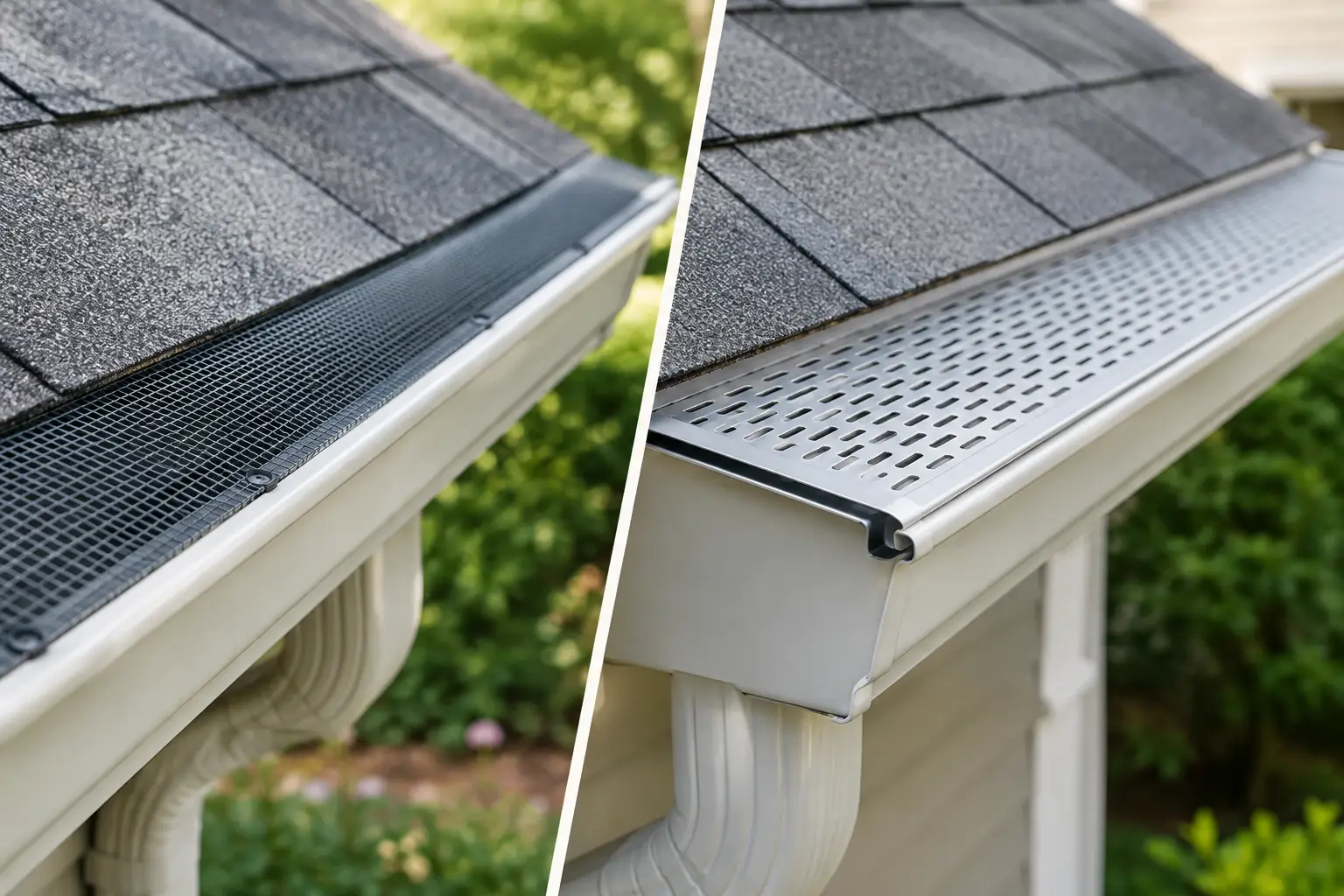
Comparing gutter screens versus guards? Learn which option fits Westchester homes, sheds leaves reliably, and reduces cleaning without trapping debris.
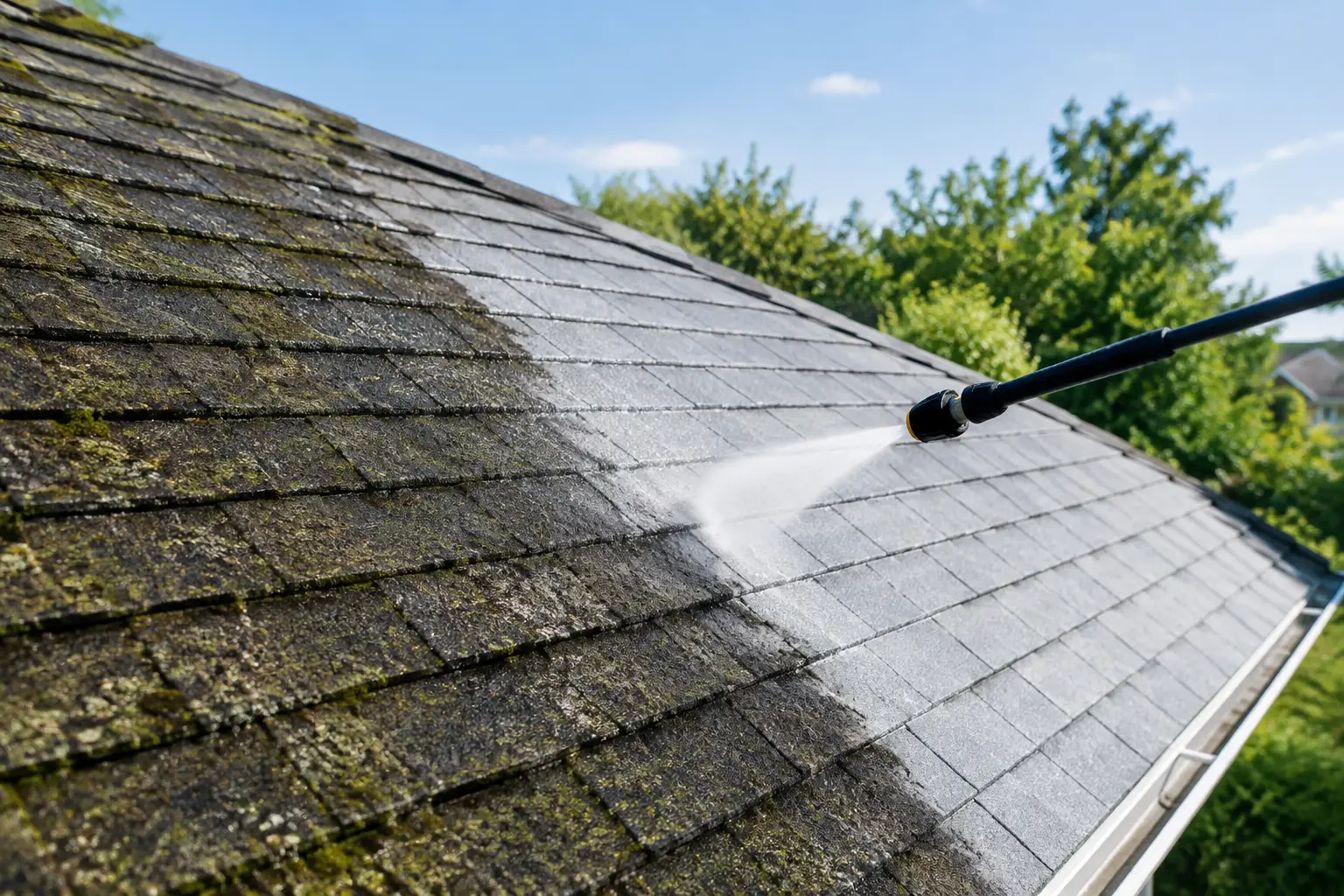
See what real roof cleaning results look like, how long they take, and why safe treatment can protect shingles and help avoid costly replacement bills.
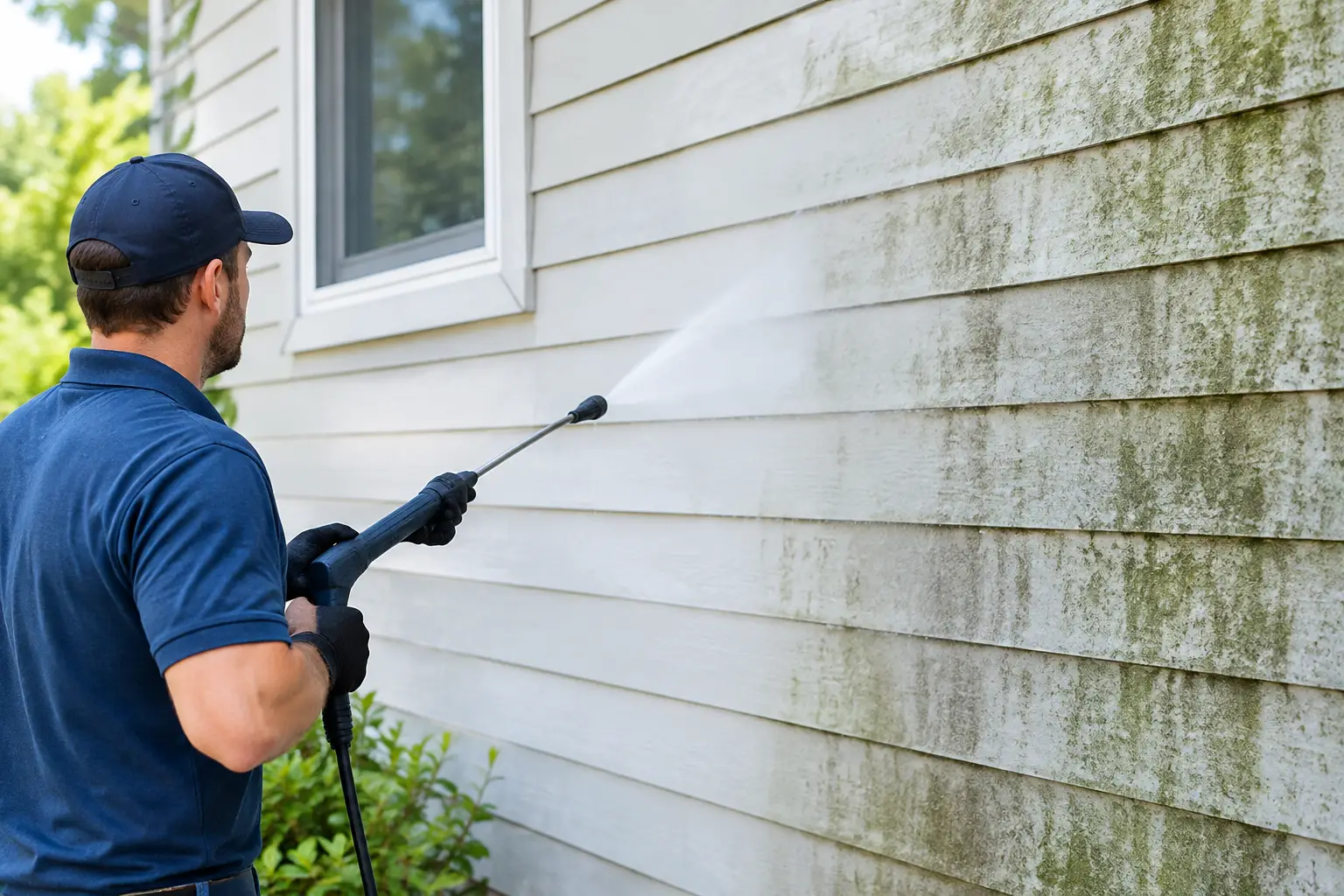
Does soft washing kill mold? Learn how low-pressure cleaning removes exterior growth, when stains suggest damage, and how to protect your home safely.