A gutter does more than carry rain away from the roofline. It protects the fascia boards behind it, keeps water off your siding, and directs runoff away from the foundation. When that system stops working, the damage often starts quietly. Knowing the signs of gutter drainage failure gives you a chance to correct a manageable maintenance issue before it becomes a roof leak, rotten wood repair, or wet basement problem.
For homeowners in Southern Westchester, gutters also have to handle heavy summer downpours, falling leaves, winter freeze-thaw cycles, and snowmelt. A system that looks fine from the ground can still be sending water exactly where it should not go.
Signs of Gutter Drainage Failure You Can See
Water spilling over the front or back of the gutter
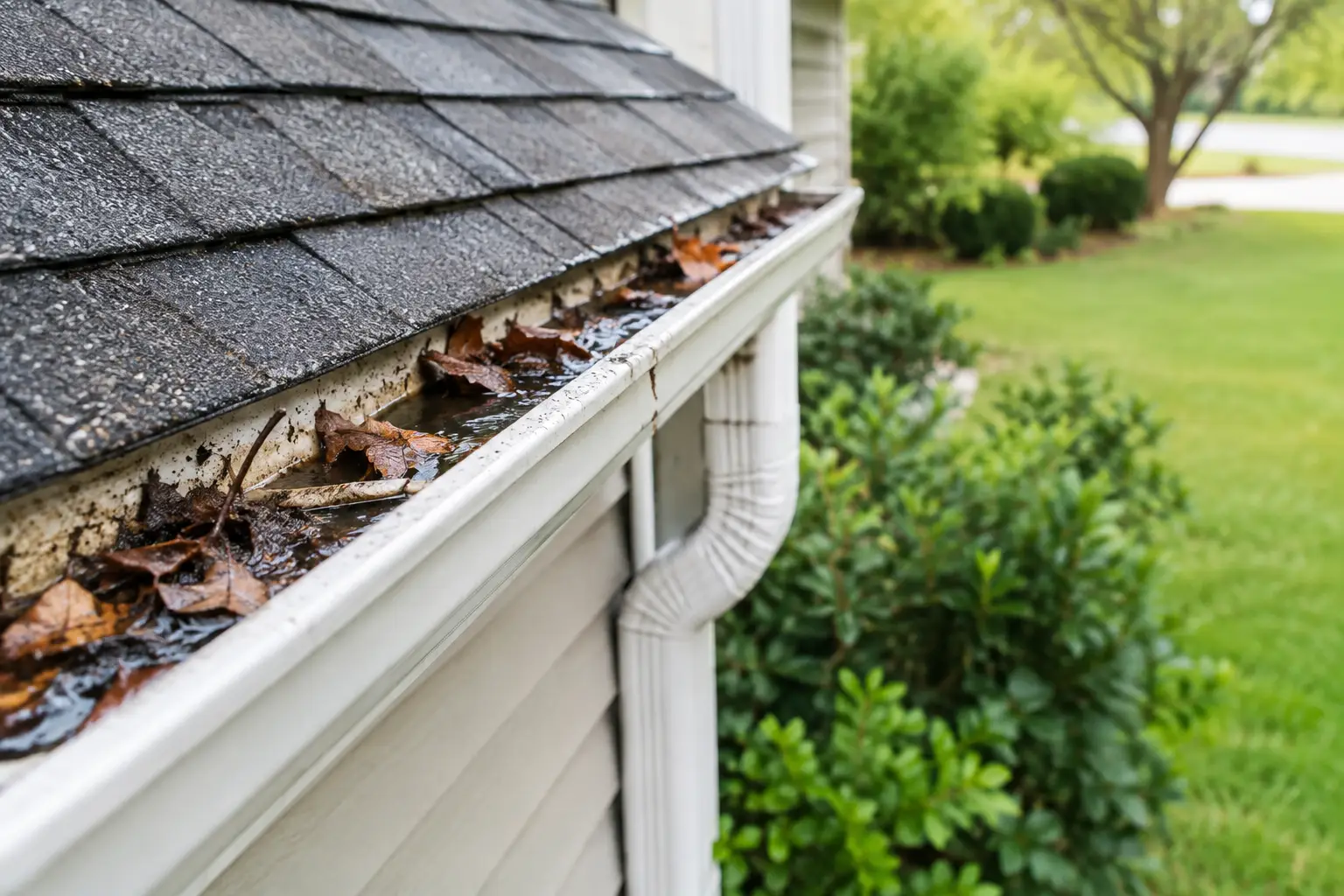
Overflow during rain is one of the clearest warnings. Leaves, twigs, shingle grit, and roof moss can create a blockage that prevents water from reaching the downspout. Water then pours over the gutter edge, soaking landscaping and splashing against siding.
Overflow does not always mean the gutter is simply full. If it happens during only a moderate rainfall, the gutter may be undersized for that roof section, pitched incorrectly, or affected by a blocked downspout. The pattern matters. A single overflowing corner often points to a localized clog or sag; overflow along an entire run may suggest a slope or capacity issue.
Water stains on fascia, soffits, or exterior walls
Brown stains, peeling paint, dark streaks, or soft-looking wood around the roof edge deserve attention. These are often signs that rainwater has been repeatedly backing up behind the gutter or escaping at a leaking seam.
Fascia boards are especially vulnerable because they sit directly behind the gutter. Once wood stays wet long enough, it can rot and lose its ability to hold gutter fasteners securely. That is when a small drainage issue can turn into a larger repair involving gutter removal, carpentry, and repainting.
Gutters pulling away, sagging, or holding standing water
A properly installed gutter should look straight and drain after rainfall. If you can see a dip, a loose section, or standing water days after a storm, the system is not moving runoff as intended.
Standing water adds weight and accelerates corrosion in metal gutters. It can also freeze in cold weather, enlarging small problems and pulling hangers loose. Sometimes a technician can correct the pitch and reinforce the fasteners. Other times, hidden rot in the fascia must be repaired before the gutter can be safely resecured.
Downspouts that drip, leak, or barely discharge
The downspout is where a drainage system either succeeds or fails. Water should move steadily from the gutter, through the downspout, and well away from the home. If water leaks from joints, sprays from seams, or trickles out weakly during a hard rain, a blockage may be trapped inside.
Look for wet streaks on the downspout itself and pooling near its base. A downspout extension that has come loose or ends too close to the house can create nearly the same risk as a complete blockage. The gutter may be clear, but the water still has nowhere safe to go.
Soil erosion and puddles near the foundation
Gutters are supposed to manage a surprising amount of water. When they fail, that water can cut channels through mulch, wash away soil, and form puddles against the foundation. You may notice exposed roots, displaced stones, or a trench beneath a roof valley where runoff concentrates.
This is more than a landscaping concern. Repeated saturation around a foundation can contribute to moisture intrusion, basement dampness, and settling issues over time. No gutter system can solve every drainage challenge on a property with poor grading, but it should never add to the problem.
Basement moisture after heavy rain
A musty odor, damp lower-wall areas, or water near basement edges after rain can have several causes. Foundation cracks, grading, and plumbing issues all need consideration. Still, failing gutters and short downspout discharge points are common contributors that homeowners overlook.
Before assuming the problem requires major waterproofing work, inspect where roof water lands. If thousands of gallons from a roof are being released beside the foundation over the course of a season, correcting the roofline drainage may be a practical first step.
Algae, moss, or debris collecting at the roof edge
Organic growth near the lower edge of an asphalt-shingle roof can signal that moisture and debris are lingering at the gutter line. Clogged gutters can keep the lower courses of shingles damp, especially under leaf cover. That prolonged moisture encourages algae and moss and can affect the roof edge over time.
The right response is not aggressive pressure washing on shingles. Asphalt shingles require a roof-safe approach that removes damaging growth without stripping protective granules or causing unnecessary wear. Clearing the gutters and evaluating the roof edge together helps address the source of the moisture instead of treating only what is visible.
Ice buildup along the eaves in winter
Icicles may look harmless, but thick or recurring ice along the gutter line can indicate drainage trouble. Clogged gutters, trapped debris, and poor water flow can worsen freeze-thaw conditions. As water refreezes, it expands and can stress gutters, loosen fasteners, and create pathways for water to back up near the roof edge.
Ice dams also involve attic insulation and ventilation, so the answer depends on the home. A gutter cleaning alone will not correct every ice issue. But keeping gutters and downspouts clear before winter removes one avoidable factor.
Cracks, holes, and rusty seams
Small holes and failed seams can send water behind siding or directly onto vulnerable trim. Rust around joints, drips at corners, and visible cracks should be repaired before a storm turns them into a bigger problem.
Temporary sealants may help in limited situations, but they are not a cure for a gutter that is badly corroded, improperly pitched, or pulling away from deteriorated fascia. An honest inspection should distinguish between a straightforward repair and a section that has reached the end of its service life.
Pest activity around the gutters
Wet leaves and standing water make gutters attractive to insects and can create sheltered nesting areas for birds and rodents. If you see frequent insect activity, birds pulling material from a gutter, or plant growth emerging from the trough, there is likely accumulated debris and retained moisture.
This is one reason regular cleaning matters even when water has not yet appeared indoors. Preventive maintenance is usually far less disruptive than responding after pests, rot, and drainage damage have already taken hold.
What to Do When You Notice Gutter Drainage Problems
Start by observing the system during or immediately after a steady rain, from a safe position on the ground. Note where water overflows, whether downspouts discharge freely, and where water collects afterward. Photos of these areas can make a professional assessment more precise.
Avoid climbing ladders or walking a roof unless you have the training, equipment, and safe conditions to do so. Wet leaves, steep roof pitches, and unstable gutter attachments create real fall hazards. A professional gutter cleaning and inspection can remove debris, flush downspouts, check hangers and seams, and identify roof-edge concerns without guesswork.
Gutter guards can reduce the amount of large debris entering the system, but they are not maintenance-free. The right guard depends on the roof, nearby tree cover, gutter condition, and the type of debris on the property. Fine debris and shingle grit can still collect, so periodic inspections remain a smart investment.
At Roof Rescue Southern Westchester, the goal is to show homeowners what is happening and recommend only the work that protects the property. A clear assessment of gutters, downspouts, roof-edge growth, and visible drainage patterns can help you prioritize repairs before water finds the expensive path into your home.
The best time to address gutter drainage is before the next heavy storm gives a small problem a chance to grow. If your gutters are overflowing, sagging, staining the exterior, or sending water toward the foundation, a timely inspection can restore proper flow and protect the parts of your home that rain should never reach.
continue reading
Related Posts
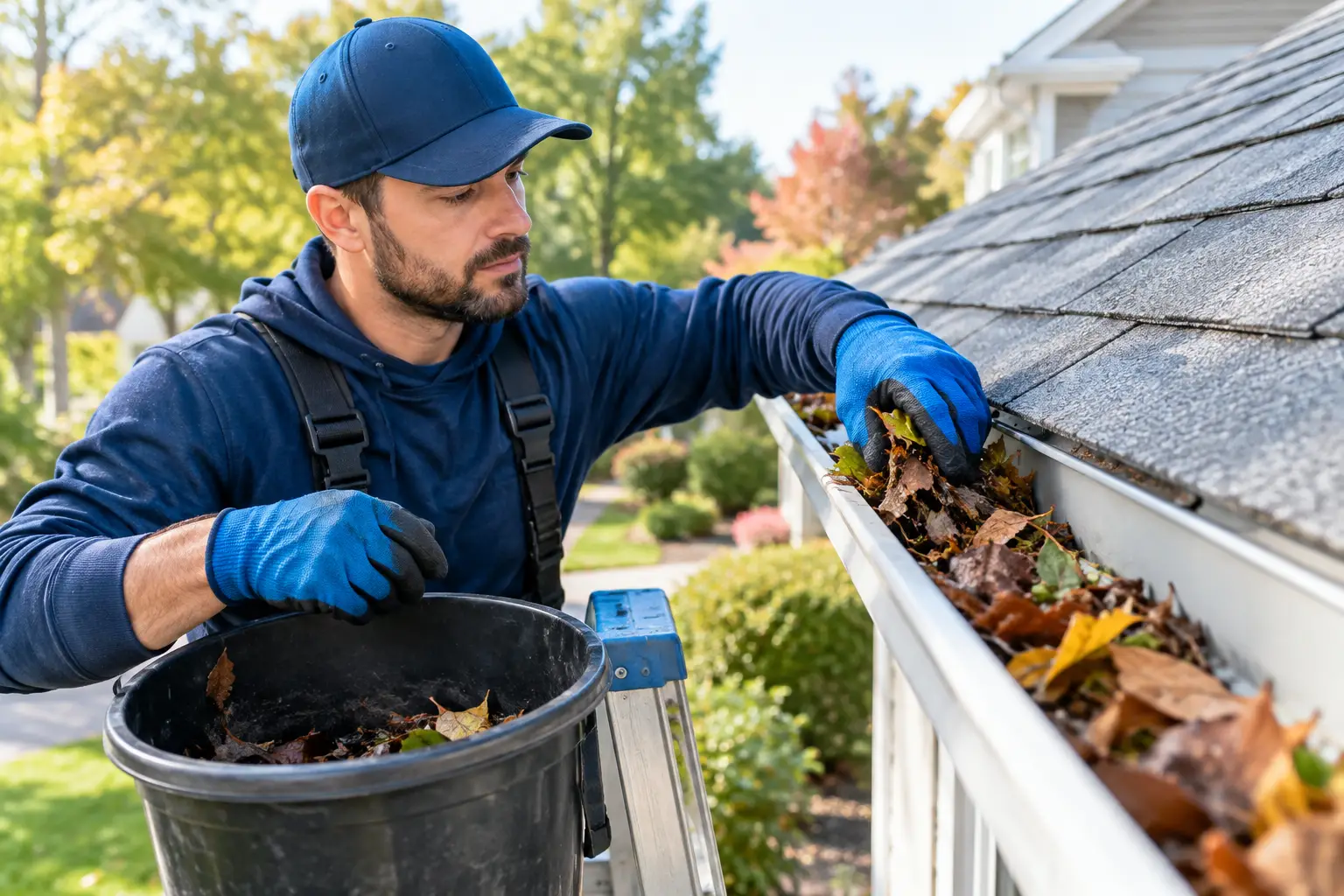
Scarsdale gutter cleaning reviews can reveal a lot. Learn which details point to safe, reliable service, fair pricing, and lasting protection for homes.

Learn how to maintain roof valleys safely, spot early trouble, protect shingles, and know when a Southern Westchester professional should step in today.

Roof restoration can clean, protect, and extend shingle life. Learn when maintenance makes sense and when replacement is the safer call for your home.