
A gutter overflowing beside the front door may look like a small maintenance issue. During a Southern Westchester downpour, it can send gallons of water against the foundation, saturate planting beds, damage walkways, and create the kind of hidden moisture problem that becomes expensive later. The top drainage fixes homeowners need are usually not complicated, but they do require looking at the entire path water takes from the roof to the street or a safe drainage area.
Good drainage protects far more than a lawn. It helps preserve shingles, gutters, siding, foundations, driveways, and landscaping. It also reduces slippery surfaces, mosquito-friendly standing water, basement moisture, and soil erosion around the house. The right repair depends on where water starts, where it collects, and whether the problem occurs during every storm or only after heavy rain.
Top Drainage Fixes Homeowners Need Around the House
The most effective approach is to start high and work down. Roof runoff should move into clean gutters, flow through properly placed downspouts, discharge well away from the home, and continue across a graded yard without returning toward the foundation. A problem in any one part of that chain can undermine the rest.
Clean and Repair Gutters First
Clogged gutters are one of the most common causes of drainage trouble because they force water over the gutter edge. That overflow can soak fascia boards, stain siding, wash out mulch, and pool directly beside the foundation. Leaves, seed pods, roof granules, moss, and shingle debris can all restrict water flow.
A thorough gutter service should do more than remove visible leaves. It should check for standing water, loose hangers, separated seams, rusted sections, improperly pitched runs, and downspout clogs. Gutters need a slight slope toward the downspout. If water sits in the middle of a gutter after rainfall, it may need adjustment rather than another quick cleaning.
Gutter guards can reduce recurring debris buildup, especially beneath mature trees, but they are not a substitute for inspection. Some guard styles perform well with leaves but allow fine debris or shingle grit to collect over time. The best choice depends on the roofline, nearby trees, and the condition of the existing gutter system.
Extend Downspouts Beyond the Foundation
A downspout that ends at the corner of the house is doing only half its job. Water should generally discharge several feet away from the foundation and onto a surface that slopes away from the home. Short extensions are often a practical first fix for wet basement walls, soggy foundation beds, and recurring puddles near entryways.
Above-ground extensions are easy to inspect and maintain, and they work well where there is enough room for water to travel safely across the yard. They can be rigid, flexible, or designed to flip up for mowing. The trade-off is appearance and the possibility of a trip hazard if the extension crosses a walkway or busy part of the yard.
Buried downspout drainage can offer a cleaner look, but it must be designed carefully. A buried pipe needs a clear outlet, adequate slope, and protection from crushing, root intrusion, or freezing. Sending roof water into an underground line with nowhere reliable to discharge it can create backups at the gutter instead of solving the problem.
Correct Grading That Sends Water Toward the Home
The soil around a house should gradually slope away from the foundation. Over the years, settled soil, landscape projects, worn mulch beds, and patio changes can reverse that slope. Water then follows gravity toward the basement wall, where it can enter through cracks, window wells, joints, or poorly sealed utility openings.
Regrading does not always mean rebuilding the entire yard. In some cases, adding and compacting soil near the foundation creates enough positive slope to move water outward. The finished grade should remain below siding and weep holes, so soil or mulch does not trap moisture against exterior materials.
This is a repair worth getting right. Raising soil carelessly can cover drainage details in masonry, bring moisture closer to wood trim, or direct water toward a neighbor’s property. For homes with tight side yards, retaining walls, or existing patios, a drainage professional may need to combine modest grading with a drain system.
Install a French Drain Where Surface Water Cannot Escape
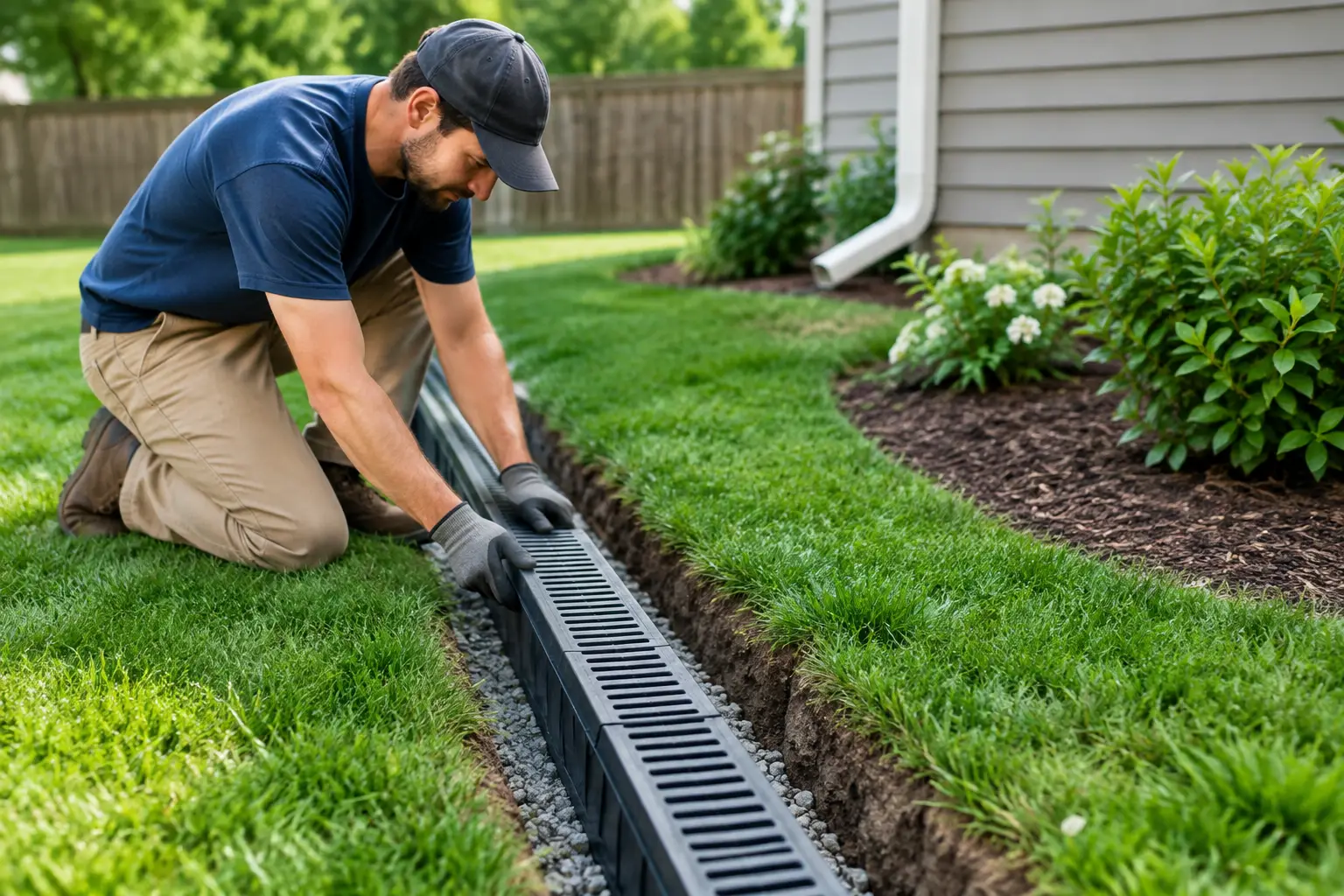
A French drain is useful when water repeatedly collects in a low area or when the yard does not have enough natural pitch to shed runoff. Typically, it consists of a gravel-filled trench with a perforated pipe that collects water below the surface and carries it to an appropriate outlet.
French drains are not a universal answer. They are most effective when there is a legitimate destination for the water, such as a lower portion of the property, an approved drainage area, or a properly designed dry well. If the pipe is installed too flat, wrapped incorrectly, or allowed to fill with sediment, it can become an expensive buried problem.
For a wet lawn, the question is whether the water is arriving from roof runoff, a neighboring grade, poor native soil drainage, or a high water table. A French drain can help with some of these conditions, but it will not correct a gutter that dumps directly beside the house or a driveway that slopes toward the garage.
Address Driveway, Patio, and Walkway Runoff
Hard surfaces move water quickly. A driveway pitched toward the garage can create flooding at the threshold. A patio that has settled toward the house can send water against siding and foundation walls. Even a small section of concrete with the wrong slope can keep a basement wall wet after every storm.
Sometimes the repair is as simple as sealing cracks and restoring a drainage gap between the patio and the house. Other times, the surface may need lifting, replacement, or a channel drain installed at the low point. Channel drains are especially useful in front of garage doors or along hardscape edges, but they need regular cleaning to prevent leaves and sediment from blocking the grate.
Paver patios deserve a close look as well. When pavers settle, water can collect at doorways or against the foundation. Re-leveling the base and restoring the intended pitch often protects both the patio and the structure more effectively than repeatedly sweeping away puddles.
Do Not Ignore Roof and Gutter Warning Signs
Drainage problems often announce themselves before major damage occurs. Look for gutter overflow during rain, splash marks on siding, mulch that washes away, muddy channels across the lawn, moss near roof edges, peeling paint on trim, damp basement odors, or cracks that seem to worsen after wet weather.
Organic growth on an asphalt-shingle roof can also contribute to drainage concerns. Moss holds moisture against shingles and can interfere with normal water shedding as it thickens. A safe roof cleaning approach removes damaging growth without blasting shingles with high pressure. Keeping the roof and gutters clear helps water move where it belongs instead of finding its way beneath materials or over their edges.
Never climb onto a wet roof or lean a ladder against a loose gutter to investigate a problem. Photograph conditions from the ground when possible, especially during or shortly after rain, and have the system inspected if you see overflow, sagging, or visible roof-edge deterioration.
Know When a Simple Fix Is Not Enough
A splash block and a gutter cleaning can solve many minor issues. But recurring basement water, foundation cracks, widespread yard flooding, or runoff crossing property lines calls for a more complete evaluation. Older homes may have aging underground drains, broken clay pipe, or additions and landscape changes that altered how water moves across the lot.
The best drainage recommendation is the one that addresses the source without creating a new problem elsewhere. That may mean cleaning and repairing gutters before investing in underground drainage, or correcting grade before adding a French drain. A homeowner should be able to see why a solution is recommended, what it will do, and where the water will go afterward.
For homeowners in Westchester County, a practical inspection after a hard rain can reveal more than a dry-day walkthrough ever will. Protecting your home starts with following the water, correcting the first failure point, and giving every gallon a safe place to go. If the cause is unclear, schedule a free roof and exterior assessment with a trusted local professional before the next storm turns a manageable fix into a larger repair.
continue reading
Related Posts
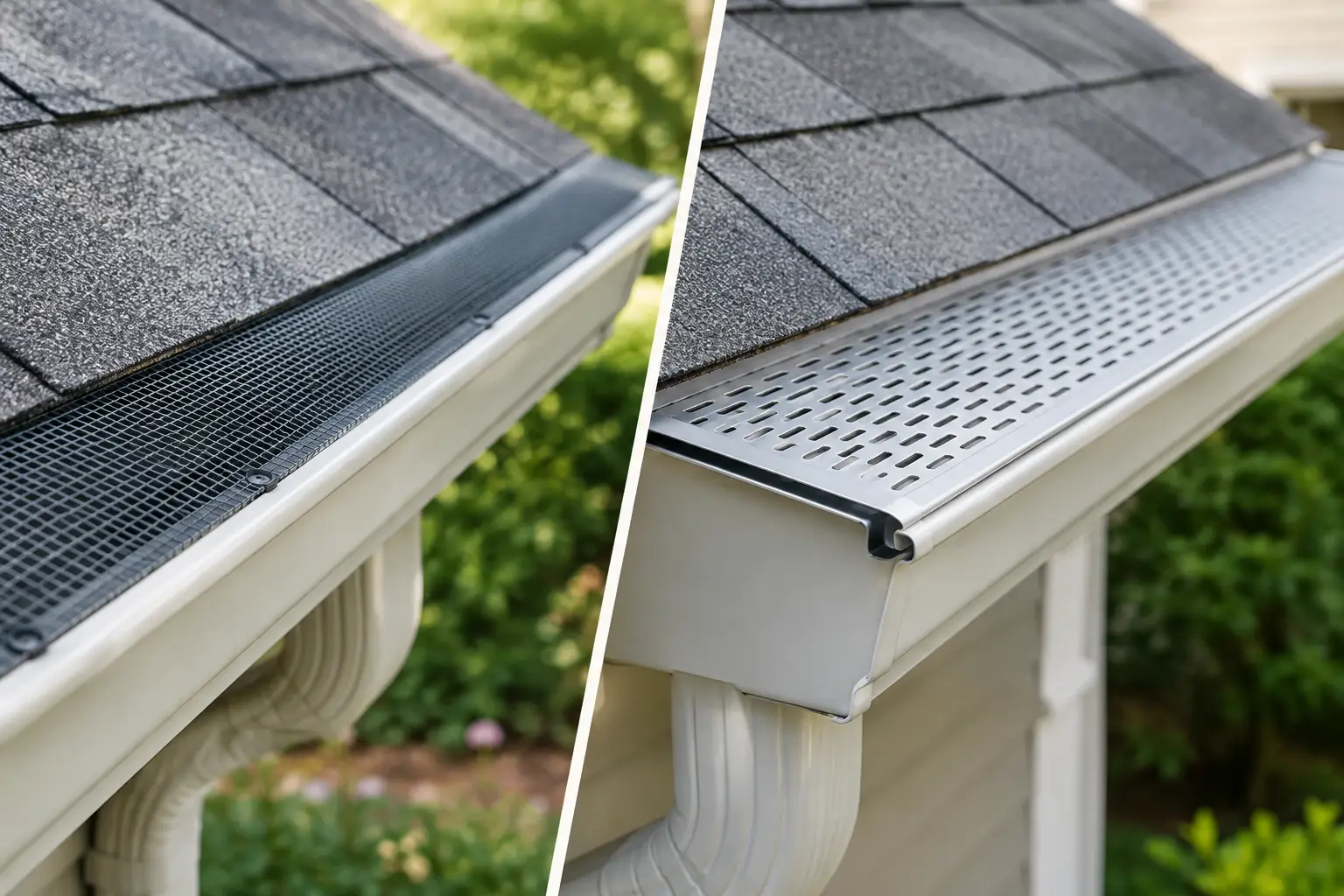
Comparing gutter screens versus guards? Learn which option fits Westchester homes, sheds leaves reliably, and reduces cleaning without trapping debris.
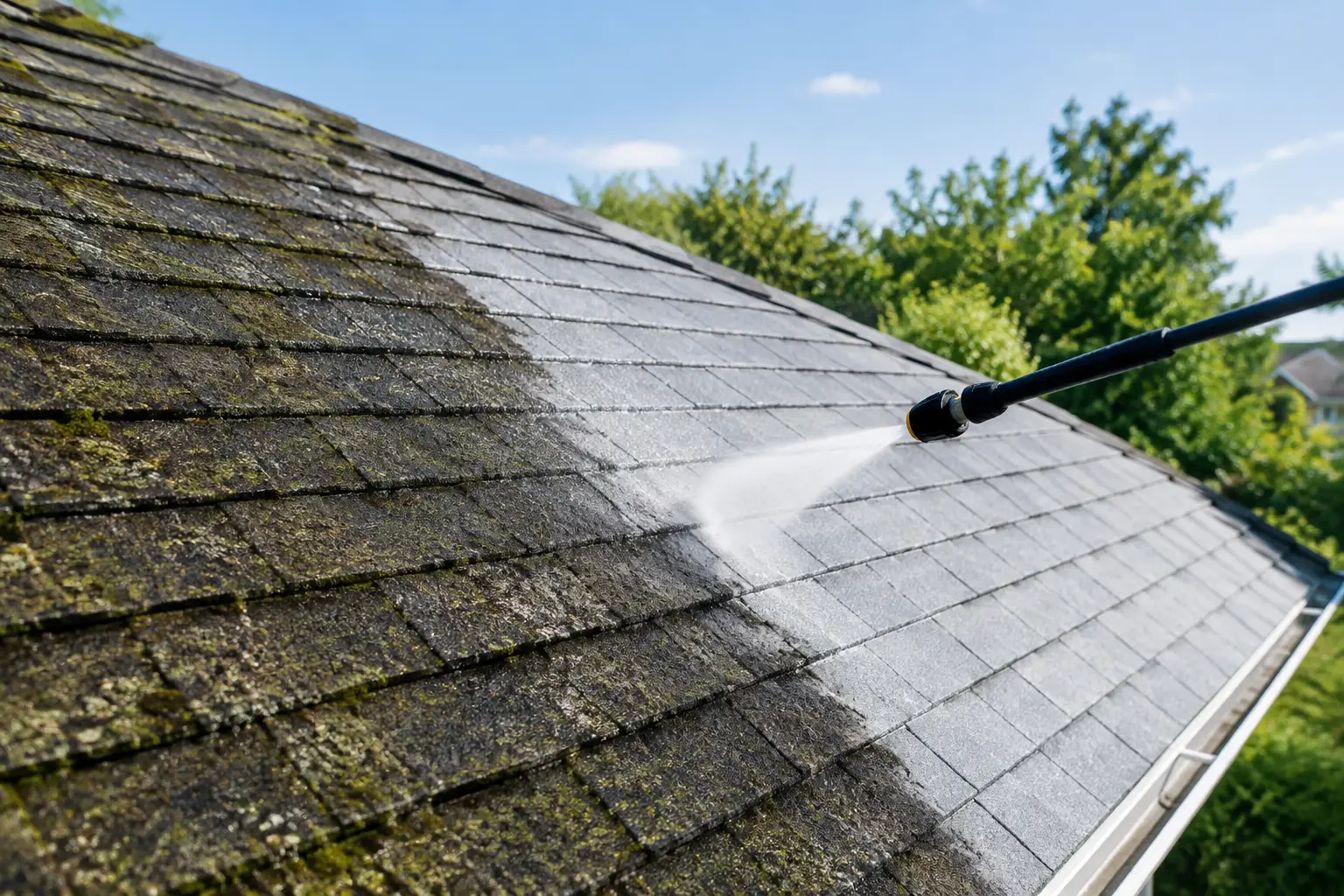
See what real roof cleaning results look like, how long they take, and why safe treatment can protect shingles and help avoid costly replacement bills.
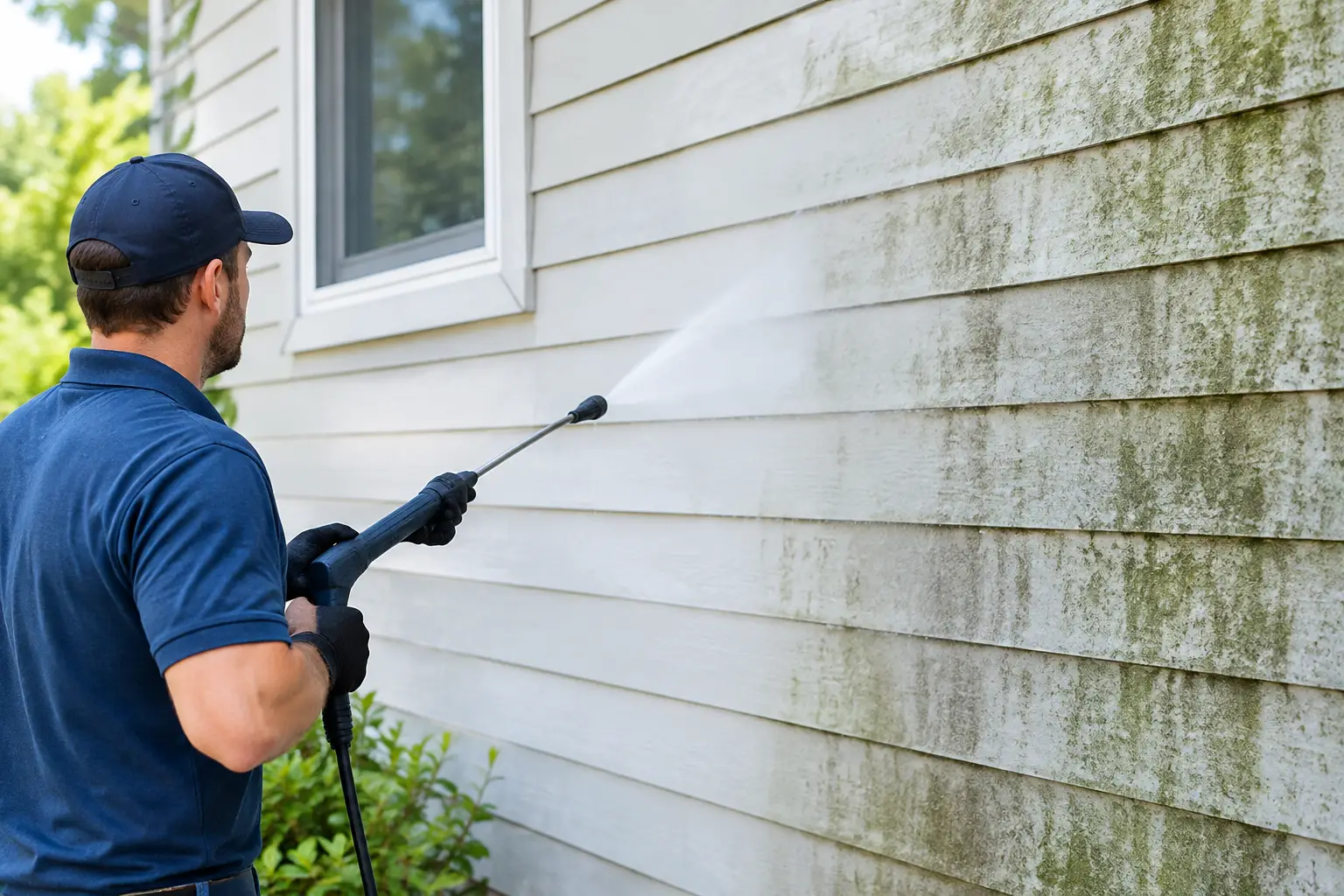
Does soft washing kill mold? Learn how low-pressure cleaning removes exterior growth, when stains suggest damage, and how to protect your home safely.