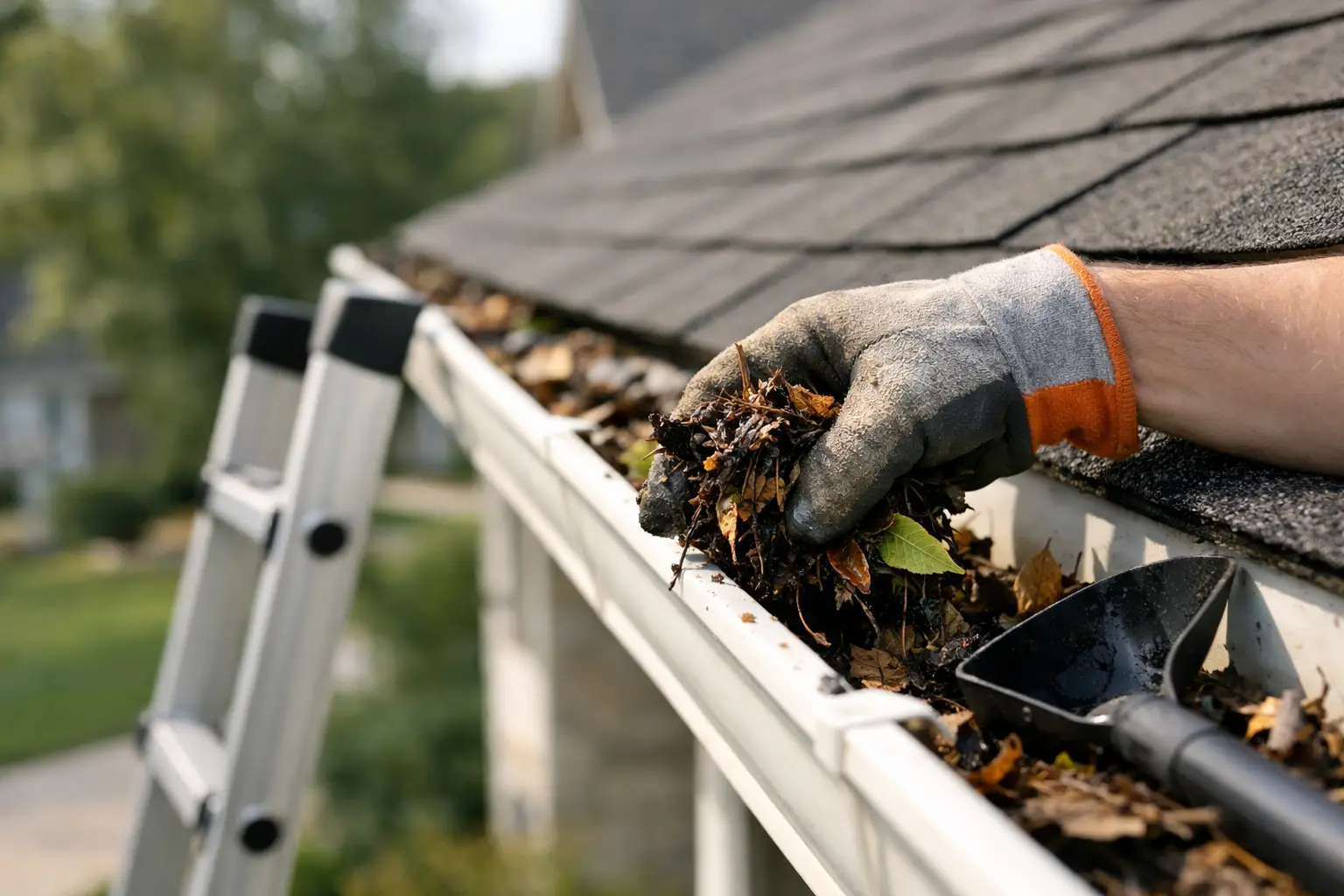
A gutter can look harmless from the ground while holding a wet mix of leaves, shingle grit, seeds, and standing water just above your roofline. So, how often should gutters be cleaned? For most Southern Westchester homes, twice a year is the right baseline: once in late spring and again after the bulk of fall leaves have dropped.
That schedule is a starting point, not a rule that fits every house. Mature trees, steep roofs, nearby pine needles, gutter guards, and recurring drainage problems can all change the answer. The goal is simple: keep rainwater moving away from the roof, siding, foundation, and landscaping before a manageable maintenance task turns into an expensive repair.
How Often Should Gutters Be Cleaned on a Typical Home?
For a typical single-family home in Westchester County, plan on professional gutter cleaning every six months. A late-spring service clears maple seeds, twigs, blossoms, and debris left from winter storms. A second cleaning in late fall removes the leaf buildup that can clog gutters just as cold, wet weather arrives.
Homes surrounded by heavy tree cover may need cleaning three or four times a year. This is especially common where oak leaves, pine needles, helicopter seeds, or moss collect quickly. A home with few nearby trees may need only one thorough annual cleaning, but the gutters and downspouts should still be checked after major storms.
The best schedule depends less on the calendar than on what is landing on your roof. A gutter that stays clear is doing its job. A gutter that fills again within a few weeks needs a more frequent maintenance plan or a closer look at whether gutter guards and roof debris management would help.
Why Clean Gutters Matter to Your Roof and Home
Gutters are part of your roof’s drainage system. When they clog, water can back up under the lower edge of shingles and soak the fascia board behind the gutter. Over time, that moisture can contribute to wood rot, peeling paint, damaged soffits, and leaks near the roof edge.
Overflowing water does not always enter the house right away. It may run down siding, stain exterior surfaces, wash out mulch, erode soil, or pool near the foundation. In winter, trapped water can freeze in gutters and downspouts, adding weight and putting extra strain on hangers and fascia.
There is also a roof-performance concern. Wet leaves and organic debris at the roof edge hold moisture against shingles. That damp environment supports moss and algae growth, which is one reason a full exterior maintenance plan should look at the roof and gutter system together rather than treating each issue separately.
Signs Your Gutters Need Attention Before the Next Scheduled Cleaning
You do not need to climb a ladder to spot every issue. Watch your home during or shortly after a steady rain. Water should enter the gutter, move through the downspout, and discharge away from the foundation without spilling over the front edge.
Call for an inspection sooner if you see any of these warning signs:
- Water spilling over the gutter during rain, even when the rainfall is not especially heavy.
- Plants, grass, or small trees growing from accumulated debris in the gutter.
- Gutters pulling away from the house, sagging, or showing visible standing water.
- Dark streaks on siding, peeling paint near the roofline, or water collecting around the foundation.
A clogged downspout can create the same symptoms as a gutter full of leaves. Professionals should clear and test the entire drainage path, not simply scoop out the visible debris. If water cannot exit through the downspout or drain extension, the system is still not protecting the home.
The Best Times of Year for Gutter Cleaning in Westchester
Late spring and late fall are practical service windows for most local homes. The late-spring cleaning comes after seed pods, pollen-heavy debris, and spring storms have had time to collect. It also gives homeowners a chance to identify loose gutters, damaged hangers, or drainage concerns before summer downpours.
The fall cleaning should generally happen after most leaves have fallen, not at the first sign of autumn color. Cleaning too early may mean the gutters fill again before winter. Waiting too long can leave wet debris in place through freeze-thaw cycles, when blockages are harder to address and ice can add unnecessary weight to the system.
There are exceptions. If a home sits under large oaks or pines, one fall cleaning may not be enough. A quick midseason check can prevent a serious blockage. Likewise, after a strong windstorm, it is wise to inspect from the ground for fallen branches, overflowing water, or downspout discharge problems.
Do Gutter Guards Mean You Can Clean Less Often?
Gutter guards can reduce the amount of large leaf debris entering a gutter, but they do not eliminate maintenance. Fine sediment, shingle granules, pollen, pine needles, and roof moss can still collect on top of or beneath guards. Downspouts can still clog.
A quality guard system may allow a home to move from several cleanings per year to one thorough annual cleaning and one inspection. The trade-off is that guards must be correctly fitted, securely attached, and appropriate for the roof and debris conditions around the home. A guard that sheds leaves well but traps pine needles or causes water to overshoot the gutter is not a good solution.
Before installing guards, it makes sense to have the gutters cleaned, flushed, and inspected. That allows existing drainage issues, loose fasteners, pitch problems, and damaged sections to be addressed first.
Why DIY Gutter Cleaning Has Limits
Cleaning gutters from a ladder is more demanding than it appears. Ladders are often placed on uneven ground, and homeowners may reach too far while handling wet debris or trying to clear a downspout. The risk increases on two-story homes, sloped lots, and roofs with difficult access.
DIY cleaning can be reasonable for a low, easily accessible gutter system when the homeowner has proper equipment and knows how to work safely. But if gutters are overflowing repeatedly, pulling away from the fascia, or showing signs of roof-edge damage, the job needs more than a bucket and a hose.
A professional visit should include safe removal of debris, downspout clearing, a controlled water test, and a visual check for drainage and attachment issues. Photo documentation is useful because it lets homeowners see the condition of areas they cannot safely inspect themselves.
Pair Gutter Care With Roof Maintenance
Gutter cleaning is preventive maintenance, not just a curb-appeal service. It is also an opportunity to catch roof concerns early. Leaves piled in valleys, moss at the roof edge, algae streaking, lifted shingles, and excess granules in gutters can all point to conditions worth evaluating before they worsen.
Avoid aggressive pressure washing on an asphalt-shingle roof. High pressure can dislodge protective granules and shorten shingle life. Roof cleaning should use an appropriate, material-safe process designed to remove organic growth without damaging the roof surface.
For homeowners who want one trusted team to look after recurring exterior needs, Roof Rescue Southern Westchester can assess the roof, gutters, and drainage areas together. The right recommendation may be a simple cleaning, a repair referral, guard installation, or a broader maintenance plan. Good service means recommending what the home needs, not pushing work it does not.
A clear gutter system gives every rainfall a safe path away from the house. Schedule cleaning before debris has the chance to sit, hold moisture, and create a problem at the very edge of the roof you depend on every day.
continue reading
Related Posts
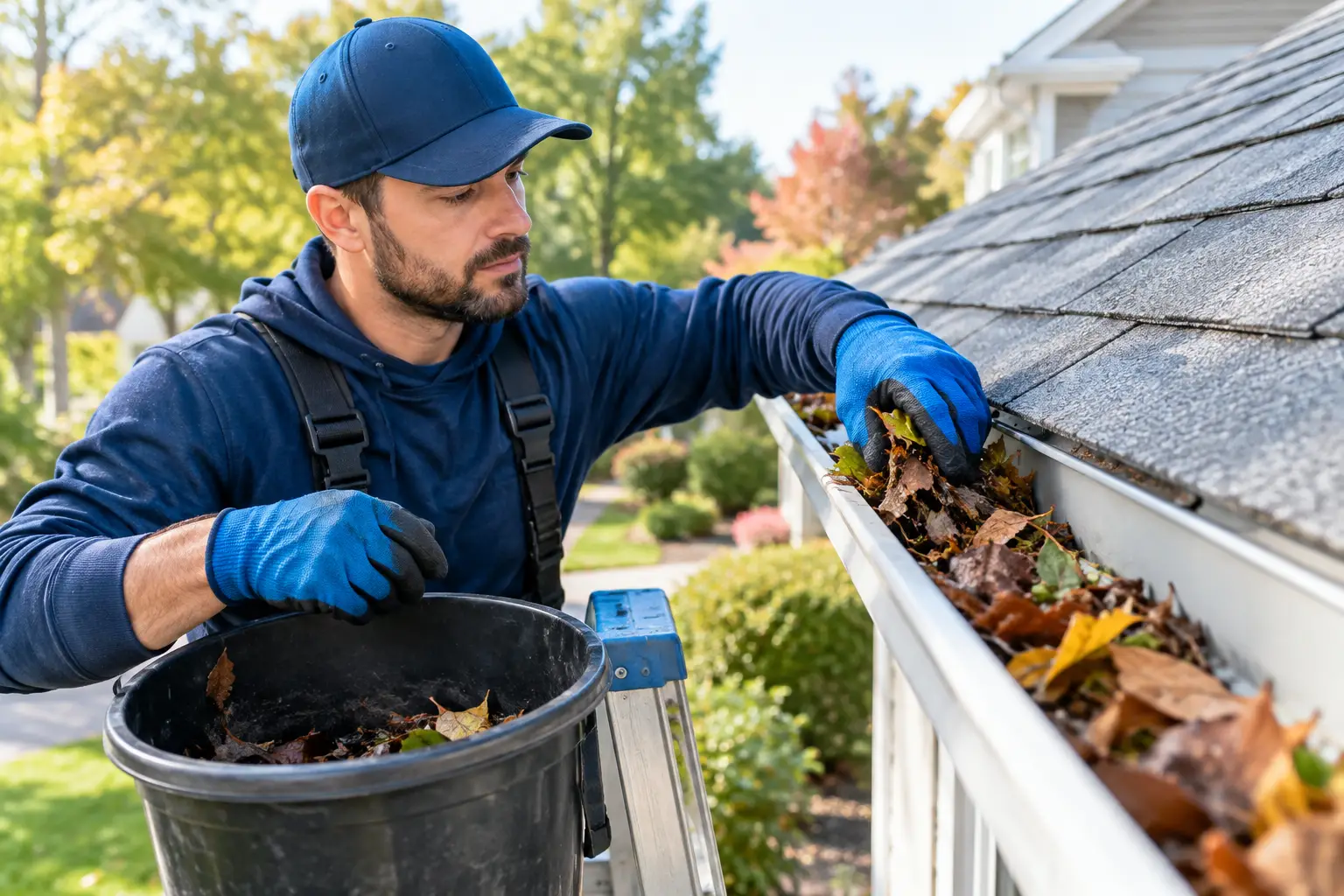
Scarsdale gutter cleaning reviews can reveal a lot. Learn which details point to safe, reliable service, fair pricing, and lasting protection for homes.

Learn how to maintain roof valleys safely, spot early trouble, protect shingles, and know when a Southern Westchester professional should step in today.

Roof restoration can clean, protect, and extend shingle life. Learn when maintenance makes sense and when replacement is the safer call for your home.