
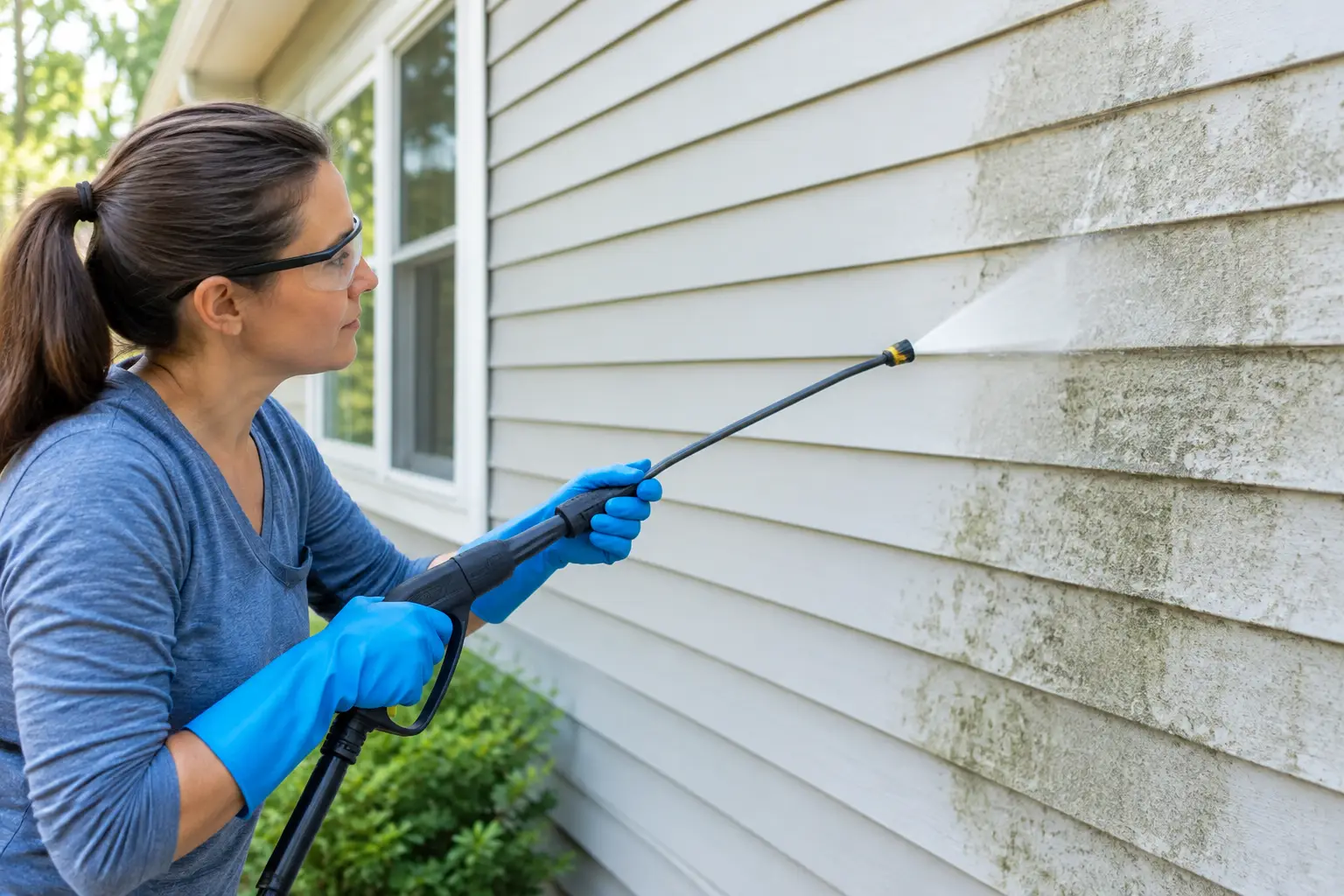
A few dark specks on shaded siding can quickly become streaks that make an otherwise well-kept home look neglected. Knowing how to clean mildew from siding safely matters because the wrong method can leave behind stains, force water behind panels, damage paint, or harm the landscaping around your foundation.
For homeowners in Southern Westchester, mildew commonly returns on the north-facing side of a home, beneath trees, near sprinklers, and anywhere morning dew lingers. The goal is not simply to make the siding look brighter for a weekend. It is to remove organic growth carefully, preserve the exterior material, and address the moisture conditions that let it come back.
First, Confirm What Is Growing on Your Siding
Homeowners often use the word mildew for nearly every dark or green stain on an exterior wall. In reality, siding can collect mildew, mold, algae, moss, dirt, pollen, and air pollution. They do not all behave the same way, but they share one thing: moisture gives them an opportunity to grow.
Mildew is typically a thin, powdery-looking growth that may appear gray, white, or black. Algae often looks green, brown, or black and can create long streaks, especially on vinyl siding. Mold may look darker and more textured. If a stain is isolated near a downspout, leaking gutter, hose spigot, or window, solve that water issue before cleaning. Otherwise, the growth will likely return.
Some discoloration is not organic at all. Oxidation on older vinyl, faded paint, rust stains, and embedded grime may need a different treatment. If you are unsure, test a small, low-visibility area first rather than applying a stronger cleaner across the entire wall.
What You Need to Clean Mildew From Siding
For a light-to-moderate mildew problem, a gentle cleaning setup is usually safer than high pressure. Gather a garden hose with an adjustable spray nozzle, a soft-bristle exterior brush, a bucket, protective gloves, eye protection, and a siding-safe cleaning solution.
A mild soap-and-water mixture can work for light surface dirt. For visible mildew, use a cleaner labeled for the siding material and follow its dilution instructions exactly. Many homeowners use diluted bleach solutions, but bleach requires extra caution. It can discolor painted surfaces, dry out nearby plants, damage certain materials, and create hazardous fumes if mixed with other cleaners.
Never mix bleach with ammonia, acids, vinegar, or any unknown cleaning product. If you choose a bleach-based cleaner, work in open air, wear appropriate protection, and thoroughly wet surrounding plants before and after the job. A professional soft wash service may be the better choice when staining covers a large area, the home is tall, or landscaping is especially valuable.
Start With a Careful Inspection
Walk around the home before you begin. Look for loose siding panels, cracked caulk, peeling paint, damaged window screens, exposed electrical fixtures, and gaps around vents or trim. These areas can allow water behind the siding, where it may cause a much bigger problem than a surface stain.
Close windows and doors. Cover or avoid delicate exterior electrical components as appropriate, and move patio furniture, grills, and decorations away from the work area. If your siding is near shrubs, perennials, or a vegetable garden, pre-rinse them with clean water. Wet leaves and soil are less likely to absorb cleaning solution.
Pay attention to the source of the dampness as well. Overflowing gutters, short downspout extensions, thick tree cover, and sprinkler heads aimed at the house all create repeat mildew conditions. Cleaning the wall without correcting those issues is only a temporary fix.
A Safe Process for Washing Siding
Work on a cool, overcast day when possible. Direct sun can dry cleaner too quickly, leaving residue or uneven results. Avoid washing during strong winds, before heavy rain, or when temperatures are near freezing.
Begin by rinsing a manageable section of siding from the bottom upward. This helps prevent dirty runoff from creating drip marks on dry panels. Apply your cleaning solution according to the product directions, then allow it to dwell for the recommended time. Do not let it dry on the surface.
Use a soft brush with light pressure on stubborn areas. Scrub in the direction of the siding panels rather than aggressively across seams. The point is to loosen growth, not grind grit into the finish or force moisture behind the material.
Rinse thoroughly from the top down. That final direction lets clean water carry loosened debris away and reduces the chance of residue settling into laps and joints. Keep the hose stream angled downward, never upward beneath siding panels.
Continue in small sections until the wall is clean. Rinse plants again when you finish, especially if any cleaning solution splashed onto leaves or soil.
Why High Pressure Can Create Expensive Problems
A pressure washer can be useful for some exterior surfaces, but it is often misused on siding. Too much pressure, the wrong nozzle, or a spray angle pointed upward can drive water behind vinyl, fiber-cement, wood, or composite siding. That hidden moisture can contribute to mold, rot, insulation damage, and interior leaks.
High pressure can also crack older vinyl, strip paint, scar wood, disturb caulk, and remove protective finishes. The risk increases around windows, trim, soffits, utility penetrations, and aging siding.
Professional exterior cleaning is not just about owning a pressure washer. It means choosing the right cleaning chemistry, flow rate, pressure level, application method, and rinse technique for the home’s material and condition. In many cases, a low-pressure soft wash is the safer and more effective method for removing mildew and algae.
Material-Specific Cautions
Vinyl siding is durable, but it can warp under excessive heat or become brittle with age. Use gentle pressure and avoid abrasive pads. Be especially careful on older siding that has become chalky or faded.
Painted wood siding needs a lighter touch. Saturating seams or damaged paint can allow moisture into the wood. If mildew keeps returning on wood, inspect for failed paint, open joints, and drainage problems. Cleaning alone will not repair a failing coating system.
Fiber-cement siding can handle washing, but manufacturers generally recommend low-pressure methods. Avoid directing water into joints and follow the finish manufacturer’s care instructions.
Stucco and textured masonry can hold growth in small pores. Harsh scrubbing may damage the surface, while too much pressure can create visible etching. A controlled treatment and gentle rinse are usually more reliable than brute force.
How to Keep Mildew From Returning
Once the siding is clean, prevention is mostly about reducing prolonged dampness. Trim back branches that block sun and airflow, but avoid removing healthy trees without a plan. Sometimes a modest amount of pruning is enough to help the wall dry faster after rain.
Clean gutters regularly so water does not spill over the edge and run down the siding. Confirm that downspouts discharge away from the foundation and that splash blocks or extensions are doing their job. Adjust irrigation so sprinklers do not repeatedly wet the house.
Annual exterior maintenance makes stains easier to manage before they spread. A quick seasonal inspection of gutters, roof edges, siding, caulk lines, and drainage can prevent a small cleaning task from becoming a repair project.
When It Is Time to Call a Professional
Consider professional help when staining covers multiple sides of the home, reaches second-story areas, keeps returning quickly, or appears alongside roof algae and clogged gutters. It is also wise to bring in an insured exterior-care team if you see loose siding, water intrusion, peeling paint, rot, or suspected mold behind panels.
A qualified provider should inspect the surface first, explain the recommended method, protect landscaping, and avoid treating every exterior problem as a high-pressure job. At Roof Rescue Southern Westchester, the same practical approach used for roof and gutter care applies to siding: diagnose the cause, protect the property, and recommend only what the home needs.
A clean exterior does more than improve curb appeal. It gives you a clearer view of the condition of your home, makes small maintenance issues easier to spot, and helps protect the investment you have worked hard to build.
continue reading
Related Posts
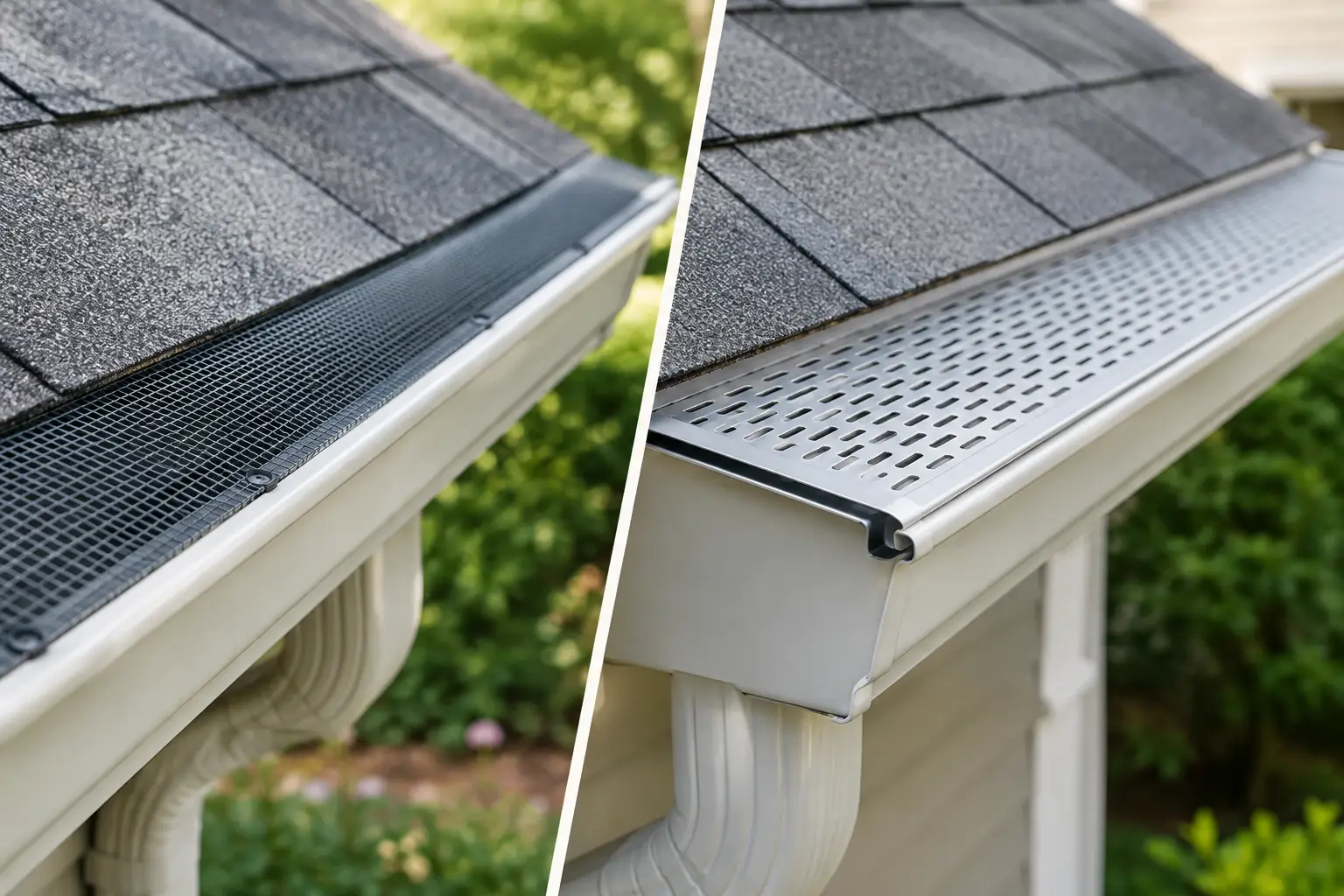
Comparing gutter screens versus guards? Learn which option fits Westchester homes, sheds leaves reliably, and reduces cleaning without trapping debris.
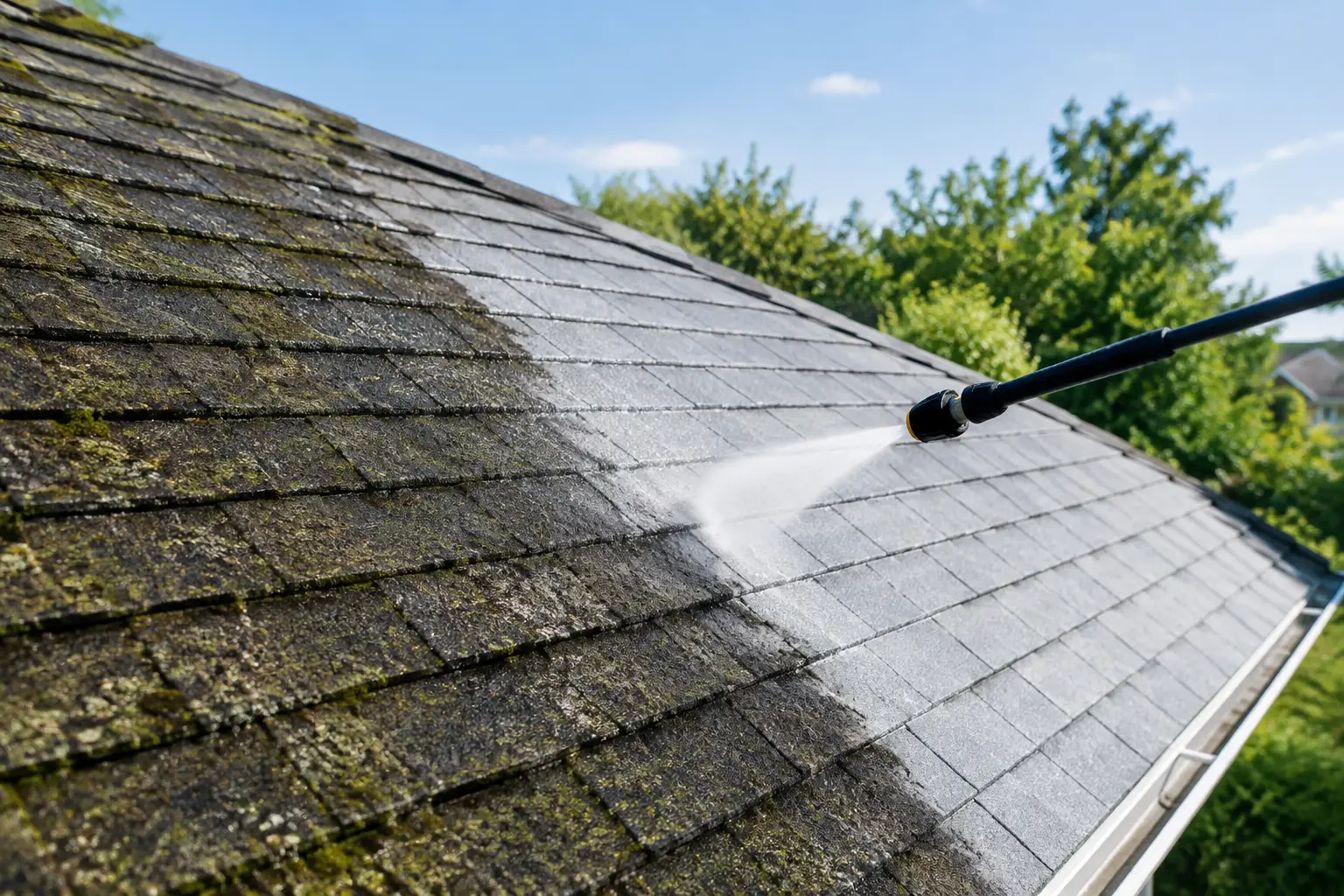
See what real roof cleaning results look like, how long they take, and why safe treatment can protect shingles and help avoid costly replacement bills.
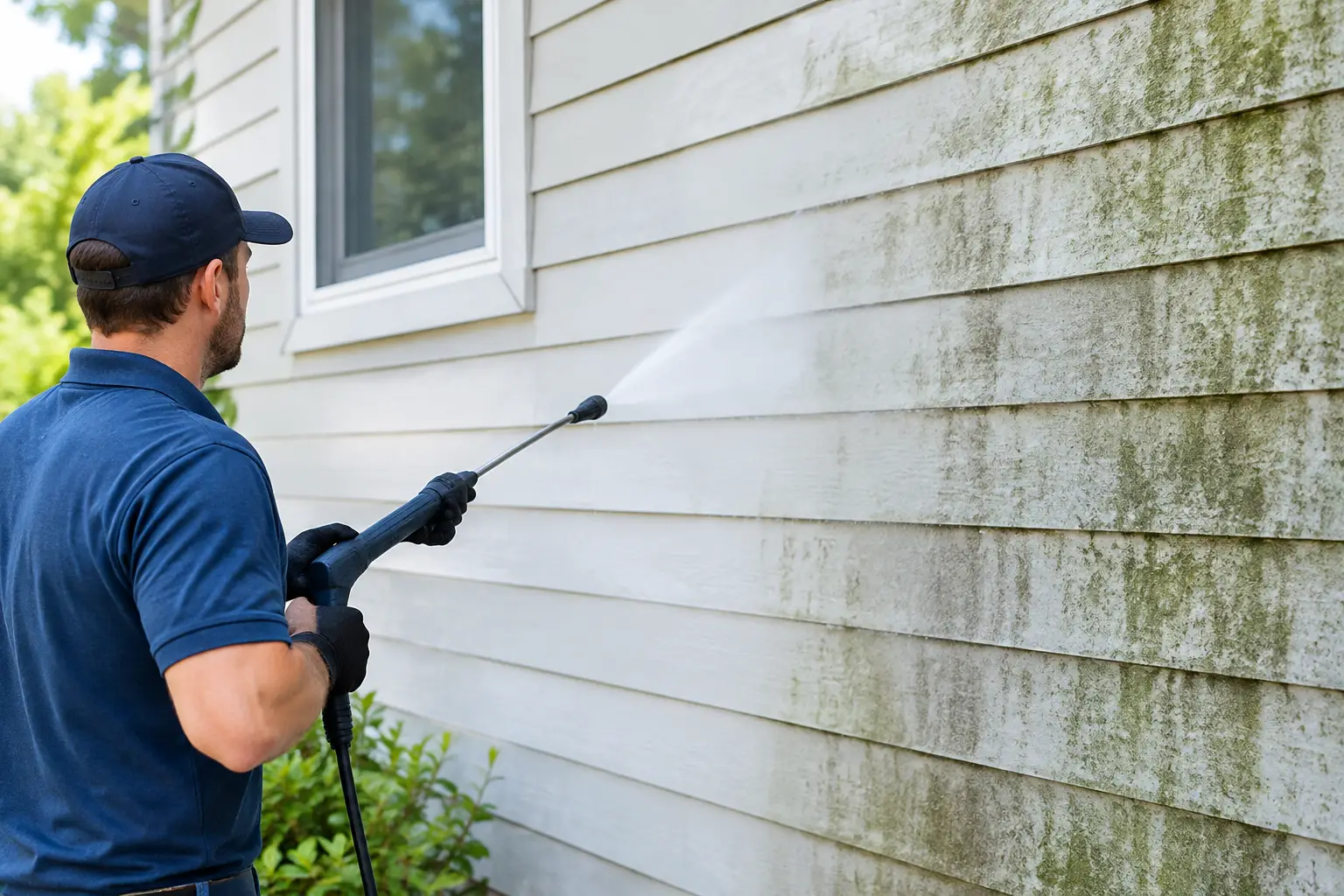
Does soft washing kill mold? Learn how low-pressure cleaning removes exterior growth, when stains suggest damage, and how to protect your home safely.