Black roof streaks can make a well-kept home look older than it is. More importantly, the roof cleaning results behind those streaks are not just cosmetic. When algae, moss, and lichen are treated correctly, homeowners can see a cleaner roof surface, better curb appeal, and fewer conditions that contribute to premature shingle wear.
For Southern Westchester homeowners, the right expectation is not that cleaning makes every roof look brand new. A professional assessment should be honest about what cleaning can restore, what it cannot repair, and whether shingle preservation is a practical next step. That clarity helps protect both your roof and your budget.
What Good Roof Cleaning Results Look Like
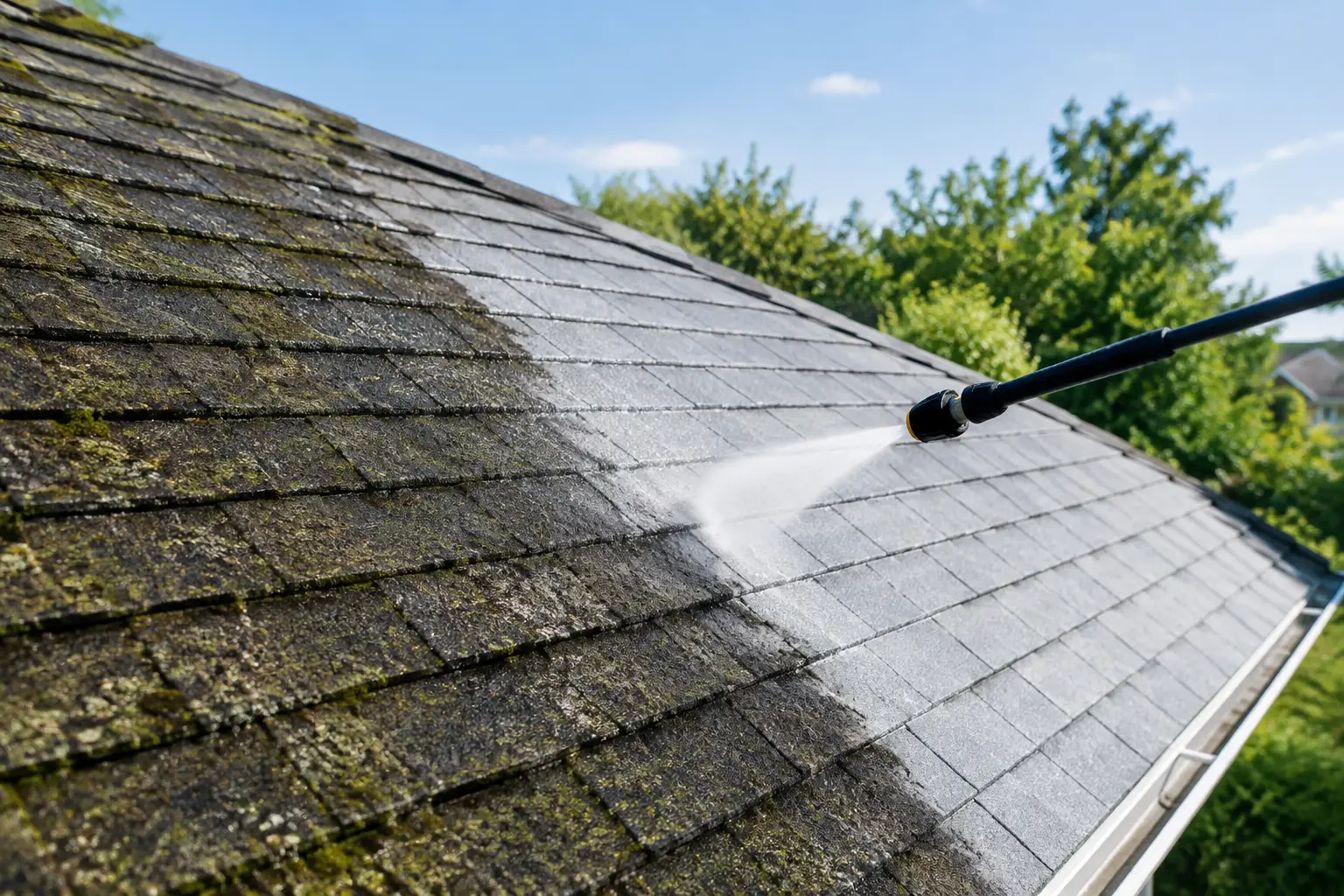
The most visible result is usually the removal of dark discoloration. Those black streaks are commonly caused by algae, which thrives in humid areas and on shaded roof slopes. After proper treatment, the roof color often appears more even and the original shingle tone becomes easier to see.
Moss and lichen can also improve significantly, but they behave differently from algae. Moss holds moisture against the roof and can lift shingle edges as it grows. Lichen attaches tightly to the shingle surface. A safe cleaning process treats these organisms without aggressively scraping or blasting them off, which means some remnants may take time to release naturally.
A clean roof also changes how the rest of the property looks. Siding, gutters, trim, driveways, and landscaping often look better once the roof is no longer carrying dark stains or green growth. That can make a meaningful difference for homeowners preparing to sell, welcoming guests, or simply taking pride in a home they have worked hard to maintain.
Roof Cleaning Results Are Not Always Instant
Algae staining may lighten quickly after a professional soft wash treatment. In many cases, the visual change is immediate or noticeable within a day or two. That is often the before-and-after homeowners expect when they see dark streaks across an asphalt-shingle roof.
Moss and lichen require more patience. The treatment kills the organic growth first. Weather, rainfall, and normal seasonal conditions then help loosen and wash away the dead material. Depending on how established the growth is, the roof can continue improving over several weeks or months.
That slower process is a sign of a careful approach, not poor work. Trying to force every piece of moss or lichen off in one visit can pull granules from shingles, damage the surface, or shorten the roof’s usable life. The goal is to remove the cause safely, not chase an instant result at the expense of the roof.
What Cleaning Can and Cannot Fix
Roof cleaning removes biological growth and surface staining. It does not repair cracked shingles, missing tabs, exposed nail heads, storm damage, or active leaks. It also cannot replace granules that have already worn away from age, sun exposure, or improper past cleaning.
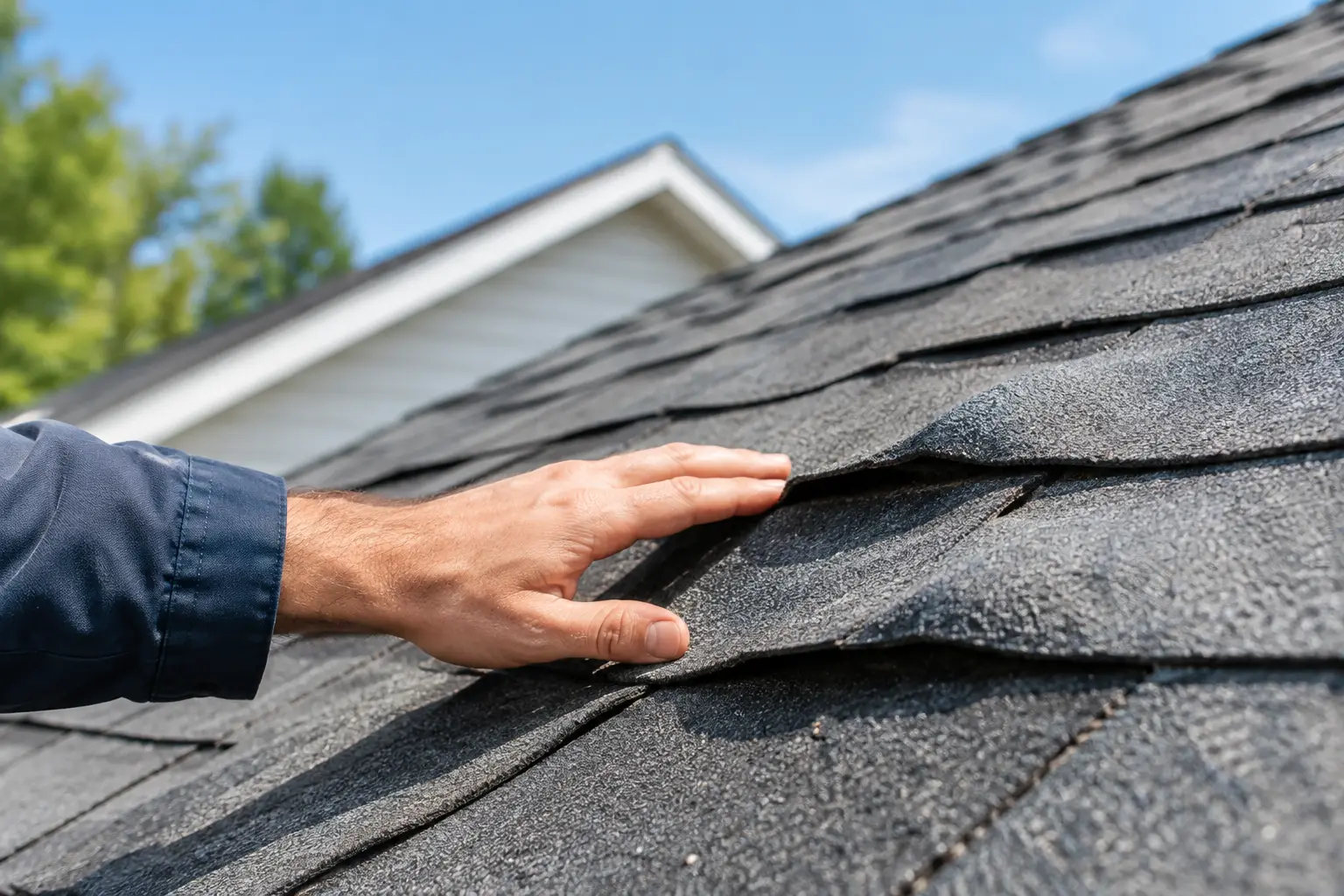
This distinction matters when a roof is nearing the end of its service life. Cleaning an aging roof may still improve appearance and make a closer inspection easier, but it should not be presented as a substitute for needed repairs or replacement. A trustworthy contractor will document concerns with photos and explain whether the roof is a good candidate for cleaning, preservation treatment, repair, or a roofing consultation.
The same is true for stubborn discoloration. Some staining may remain when it is tied to permanent material weathering rather than active algae. Honest roof cleaning results account for the roof’s age, its existing condition, how much organic growth is present, and whether there has been prior damage.
Why Method Matters More Than a Bright After Photo
Asphalt shingles are designed to shed water, not withstand high-pressure washing. Pressure can dislodge the protective granules that help shield shingles from ultraviolet exposure. It can also force water beneath shingles or damage seals and edges, creating problems that may not appear until later.
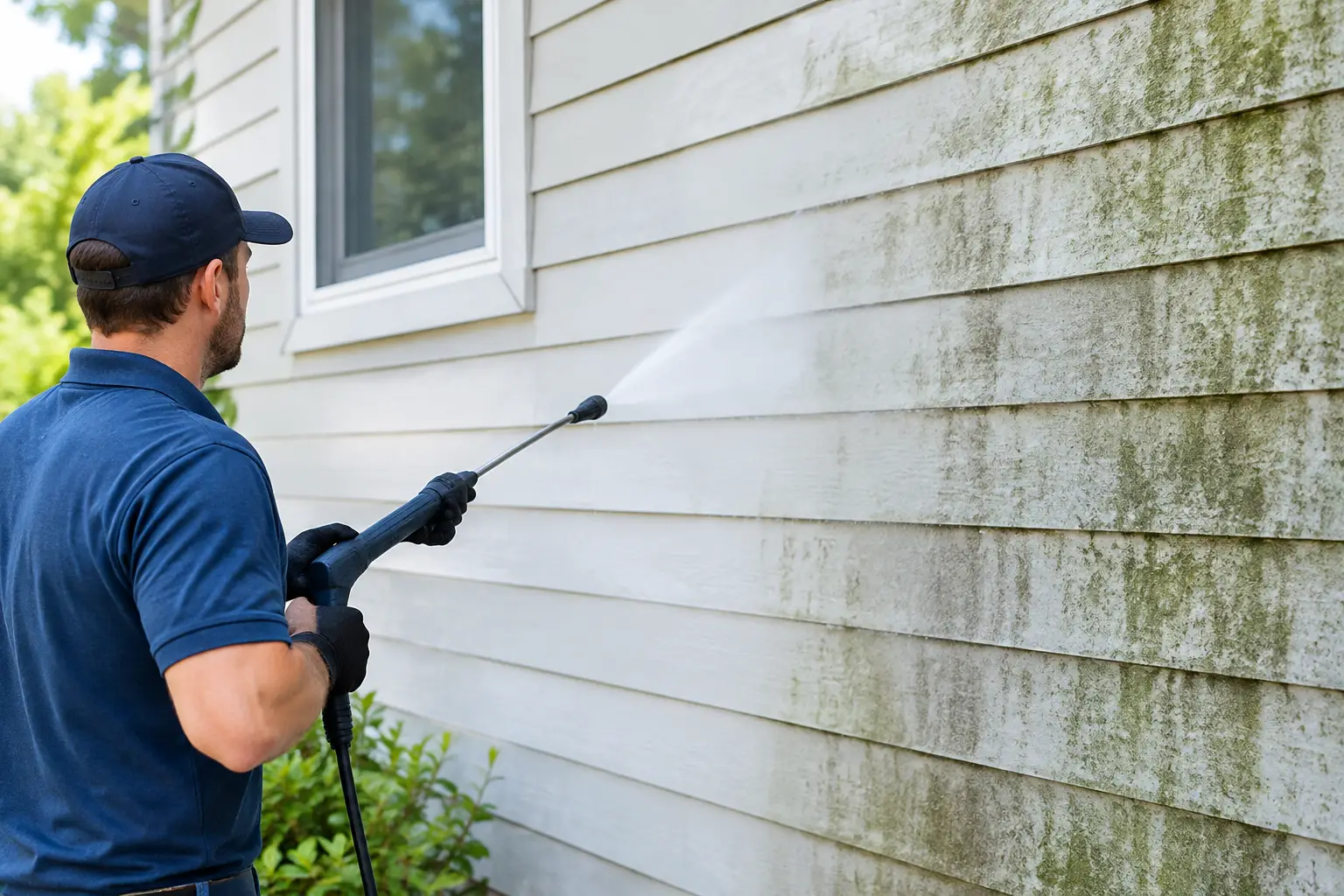
A roof-safe soft washing method applies an appropriate cleaning solution at low pressure. The treatment addresses algae, moss, and lichen while minimizing physical abrasion. Nearby plants, siding, windows, and outdoor surfaces should be protected before work begins and rinsed throughout the process.
This is one reason an unusually cheap roof wash can become expensive. If the service relies on high pressure, vague chemical practices, or no preparation for landscaping, the initial savings may not be worth the risk. Good work is not just about a dramatic photograph. It is about leaving the roof, surrounding property, and landscaping in better condition.
Cleaning and Shingle Preservation Work Differently
Once organic growth is addressed, some asphalt-shingle roofs may benefit from a plant-based preservation treatment. Cleaning removes the contaminants on the roof. Preservation treatment is intended to replenish lost flexibility in shingles that have dried and become more brittle over time.
For a qualifying roof, this can help improve water resistance and extend usable life without the cost and disruption of premature replacement. Roof Rescue Southern Westchester uses a USDA Certified Biobased treatment designed for asphalt shingles, offering homeowners a practical option when the roof is aged but still structurally suitable for preservation.
There is an important trade-off: treatment is not appropriate for every roof. Shingles that are severely curled, missing, leaking, or damaged beyond serviceable condition need a different recommendation. The value comes from identifying eligible roofs early, before a preventable maintenance issue turns into a full replacement project.
How to Get Results That Last
The roof should not be treated as an isolated surface. Clogged gutters, overhanging branches, poor drainage, and heavy shade can create the damp conditions that allow algae and moss to return. Addressing those factors gives a cleaning longer-lasting value.
Homeowners can help by keeping gutters clear, trimming branches that trap moisture over the roof, and watching for recurring stains in shaded areas. Annual exterior checkups are particularly useful after severe weather and through the wet seasons common in Westchester County.
A professional should also inspect the roof before beginning. The inspection helps confirm the roof material, identify fragile areas, note visible damage, and set realistic expectations. It is better to hear that a roof needs repair before cleaning than to learn it after a service has started.
When It Is Time to Schedule an Assessment
Consider a roof assessment when black streaks are spreading, moss is visible along shingle edges, gutters are overflowing, or the roof looks weathered years before its expected replacement date. These signs do not automatically mean you need a new roof. They do mean the roof deserves a closer look.
Ask for clear answers about the cleaning method, plant protection, expected timing, and any visible shingle concerns. A reliable provider will explain the work in plain language and recommend only what the roof actually needs.
Your home does not need a sales pitch when its roof starts showing age. It needs a careful set of eyes, a safe plan, and a practical path toward protecting the investment over your head. Schedule your free roof assessment before stains and moisture-loving growth have more time to settle in.
continue reading
Related Posts
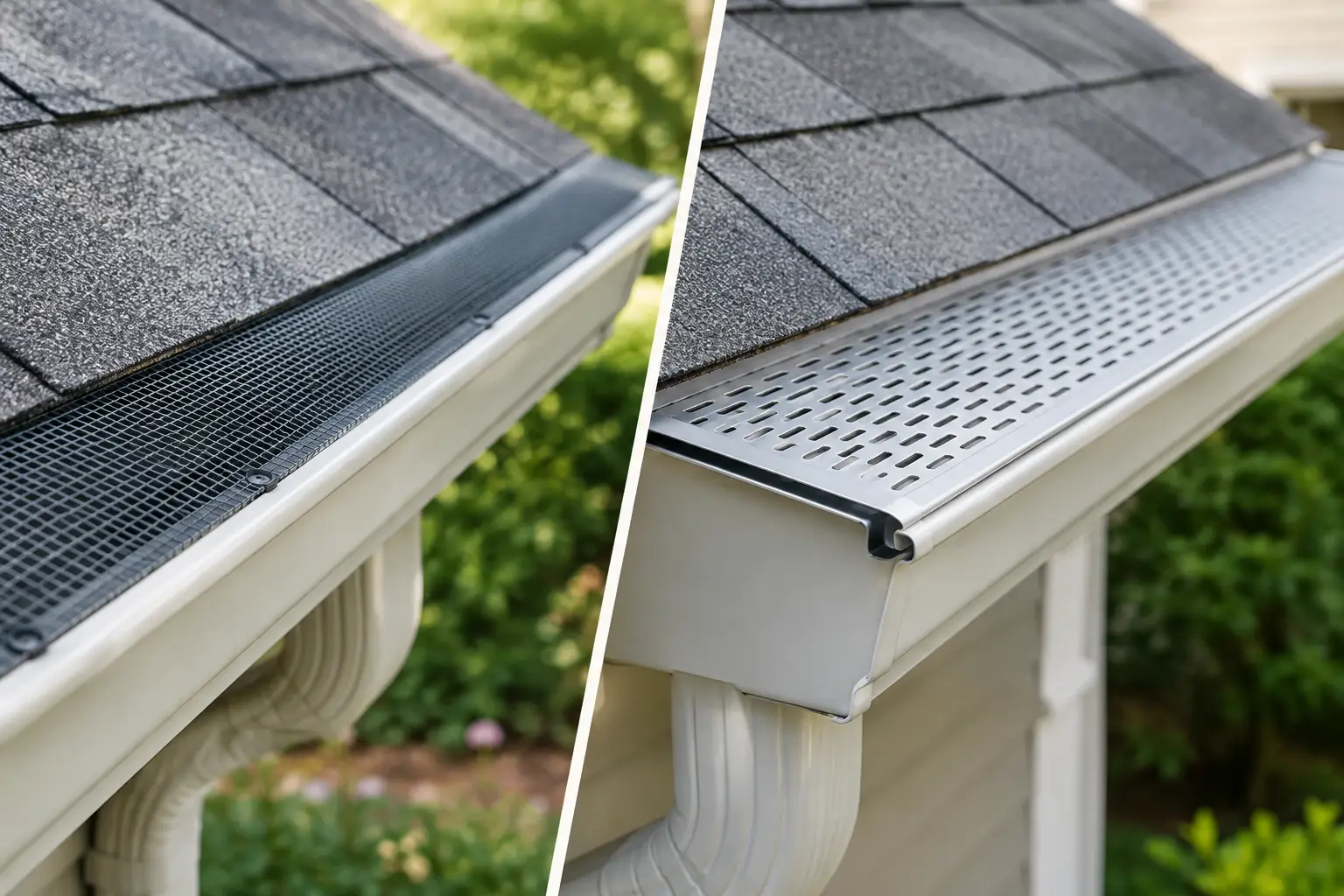
Comparing gutter screens versus guards? Learn which option fits Westchester homes, sheds leaves reliably, and reduces cleaning without trapping debris.
Does soft washing kill mold? Learn how low-pressure cleaning removes exterior growth, when stains suggest damage, and how to protect your home safely.
Why roofs blister, what heat and moisture do to asphalt shingles, and when a professional inspection can protect your home from costly repairs later on.