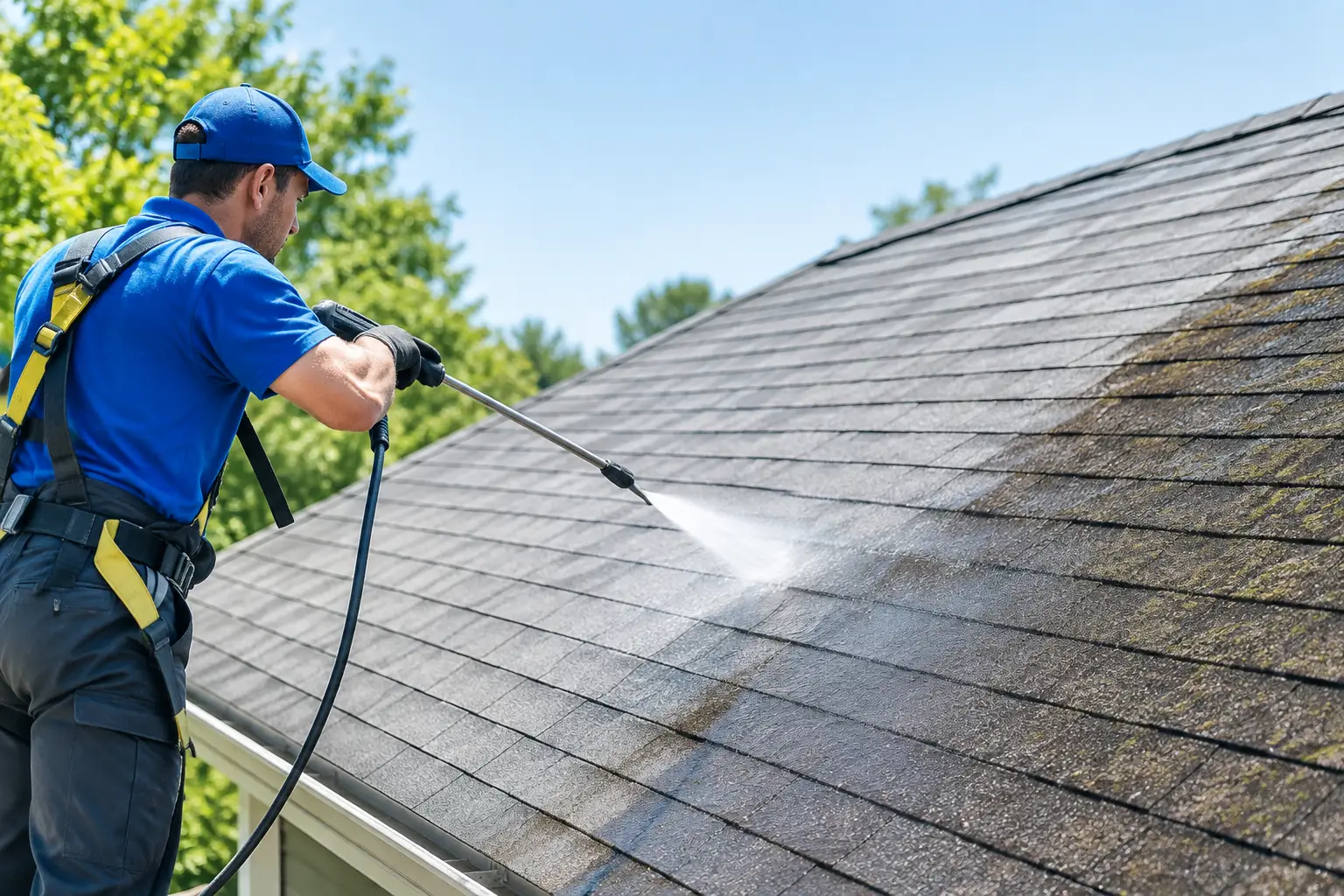
Those dark streaks running down an asphalt-shingle roof are not simply a cosmetic problem. In many Westchester neighborhoods, they are a sign that algae, moisture, and organic debris have found a place to stay. Left alone, that buildup can hold moisture against shingles, contribute to moss growth, and make a roof look older than it is.
Professional roof washing is a practical form of preventive maintenance. Done with the right method, it removes damaging growth without blasting or scarring the shingle surface. For homeowners trying to protect a major investment and avoid an unnecessary roof replacement, the difference between cleaning a roof correctly and aggressively washing it matters.
What Is Growing on Your Roof?
Most black roof streaks are caused by algae, commonly Gloeocapsa magma. This organism thrives in humid conditions and feeds on limestone filler found in many asphalt shingles. It spreads easily, particularly on shaded roof sections, beneath overhanging trees, and along areas where moisture dries slowly.
Moss is a more serious concern. Unlike algae, moss has a root-like structure that can work its way beneath shingle edges. As it holds water, it can keep the roof surface damp longer after rain or snow. Lichen, the crusty pale-green growth that can appear on older roofs, is also stubborn and should never be scraped off by hand.
A roof can have staining without structural damage, and it can have a deeper issue that cleaning alone will not solve. That is why a proper assessment should look beyond the discoloration. Missing shingles, exposed nail heads, active leaks, heavy granule loss, and brittle or curling shingles may call for a roofing repair or replacement discussion instead.
Why Roof Washing Is More Than Curb Appeal
A clean roof improves the appearance of the whole property. Dark stains can make even a well-maintained home look neglected, while a properly cleaned roof often restores contrast and color homeowners forgot their shingles had.
The bigger benefit is maintenance. Organic growth traps moisture and creates conditions that are harder on shingles and roof components over time. Clearing leaves, branches, moss, and algae helps the roof shed water as intended and makes it easier to spot damaged areas before a small issue becomes an expensive one.
There is also a practical financial reason to act early. A roof replacement is one of the largest maintenance expenses a homeowner will face. Roof washing cannot turn a worn-out roof into a new one, but it can help a sound roof stay cleaner, function better, and remain serviceable longer. The right recommendation depends on the roof’s current condition, not just how dirty it looks.
Roof Washing Should Not Mean Pressure Washing Shingles
High-pressure washing has its place on certain exterior surfaces, but asphalt shingles are not one of them. Strong water pressure can dislodge protective granules, lift shingle edges, force water where it does not belong, and shorten the life of an otherwise serviceable roof.
The safer approach is soft washing. A professional applies an appropriate cleaning solution at low pressure, allowing it to treat algae, moss, and other organic growth without mechanical abrasion. The roof is not scrubbed with harsh brushes or hit with a powerful pressure washer. Growth is treated at its source, then breaks down over time as rain naturally rinses away the remaining residue.
This approach requires care around landscaping, siding, windows, and outdoor living areas. Plants should be protected and rinsed thoroughly, gutters should be considered as part of the runoff plan, and the technician should understand how the roof’s pitch, drainage, and material affect the job. A quick rinse from someone with a pressure washer is not the same as a roof-specific cleaning process.
Why DIY Roof Cleaning Can Create Bigger Problems
The temptation to clean visible stains yourself is understandable. But roof work combines slippery surfaces, ladders, cleaning chemicals, and fragile shingles. A homeowner can get hurt, damage the roof, or accidentally harm nearby plants with the wrong solution or application rate.
Even walking on an asphalt-shingle roof can cause trouble when shingles are hot, brittle, wet, or nearing the end of their useful life. For most homeowners, professional cleaning is the safer choice because it starts with a condition check rather than assuming every roof should be treated the same way.
When Should You Schedule Roof Washing?
The best time is before organic growth becomes thick and established. If black streaks are becoming noticeable from the street, moss is appearing along shingle edges, or tree debris is collecting in valleys, it is worth scheduling an assessment. Waiting until moss forms dense mats can make the cleanup slower and may reveal damage that was hidden underneath.
In Southern Westchester County, roofs often need closer attention after seasons with heavy rain, wind, falling leaves, and shade-driven moisture. Homes near mature trees may need more frequent service than homes with open sun exposure. North-facing roof planes also tend to stay damp longer, so they commonly show staining first.
There is no single cleaning schedule for every house. Some roofs remain clear for years, while others need periodic maintenance because of shade, tree cover, roof design, or surrounding humidity. An honest inspection should recommend cleaning based on what is actually present, not a one-size-fits-all calendar.
Cleaning and Shingle Preservation Work Best Together
Cleaning addresses the organic growth on the roof surface. Preservation treatment addresses another part of the aging process: shingles gradually lose oils and flexibility through weather exposure, UV rays, and temperature changes. As asphalt shingles dry out, they can become more vulnerable to cracking and granule loss.
For qualifying asphalt-shingle roofs, a plant-based shingle preservation treatment may help restore flexibility and slow the drying process. Roof Rescue Southern Westchester uses a USDA Certified Biobased product designed for this purpose. It is not a replacement for needed repairs, and it cannot repair shingles that are already severely damaged. But for a roof that is structurally sound and beginning to show age, preservation can be a sensible alternative to premature replacement.
The value is straightforward: maintenance and rejuvenation cost far less than installing a new roof. In suitable situations, treatment can cost at least 80% less than full replacement. The key phrase is suitable situations. A responsible contractor should explain whether your roof qualifies, document what they see, and tell you plainly if replacement is the better path.
What a Professional Roof Assessment Should Include
Before any work begins, a homeowner deserves a clear picture of the roof’s condition. A useful assessment considers visible algae and moss, shingle wear, granule loss, flashing condition, valleys, ridge areas, gutters, and signs of poor drainage. Photos are especially helpful because they let you see concerns without climbing a ladder.
A good provider should also explain the cleaning method, how landscaping will be protected, and what results to expect. Some staining may disappear quickly, while heavier moss or lichen can release gradually after treatment. Promising an instant, perfect result without discussing the roof’s age or condition is not a sign of careful service.
It also helps to look at connected maintenance needs. Clogged gutters can spill water onto fascia and siding. Overhanging limbs can drop debris and keep the roof shaded. Dirty siding, walkways, or patios may be part of the same exterior-care plan. Addressing these issues together can protect the home more effectively and reduce repeat work.
A Cleaner Roof Starts With a Straight Answer
Your roof does not need an aggressive wash. It needs the right diagnosis and a careful plan that protects the shingles, your landscaping, and your budget. If stains, moss, or debris are becoming part of the view from your driveway, schedule a free roof assessment and get a clear recommendation before a manageable maintenance issue becomes a major expense.
continue reading
Related Posts
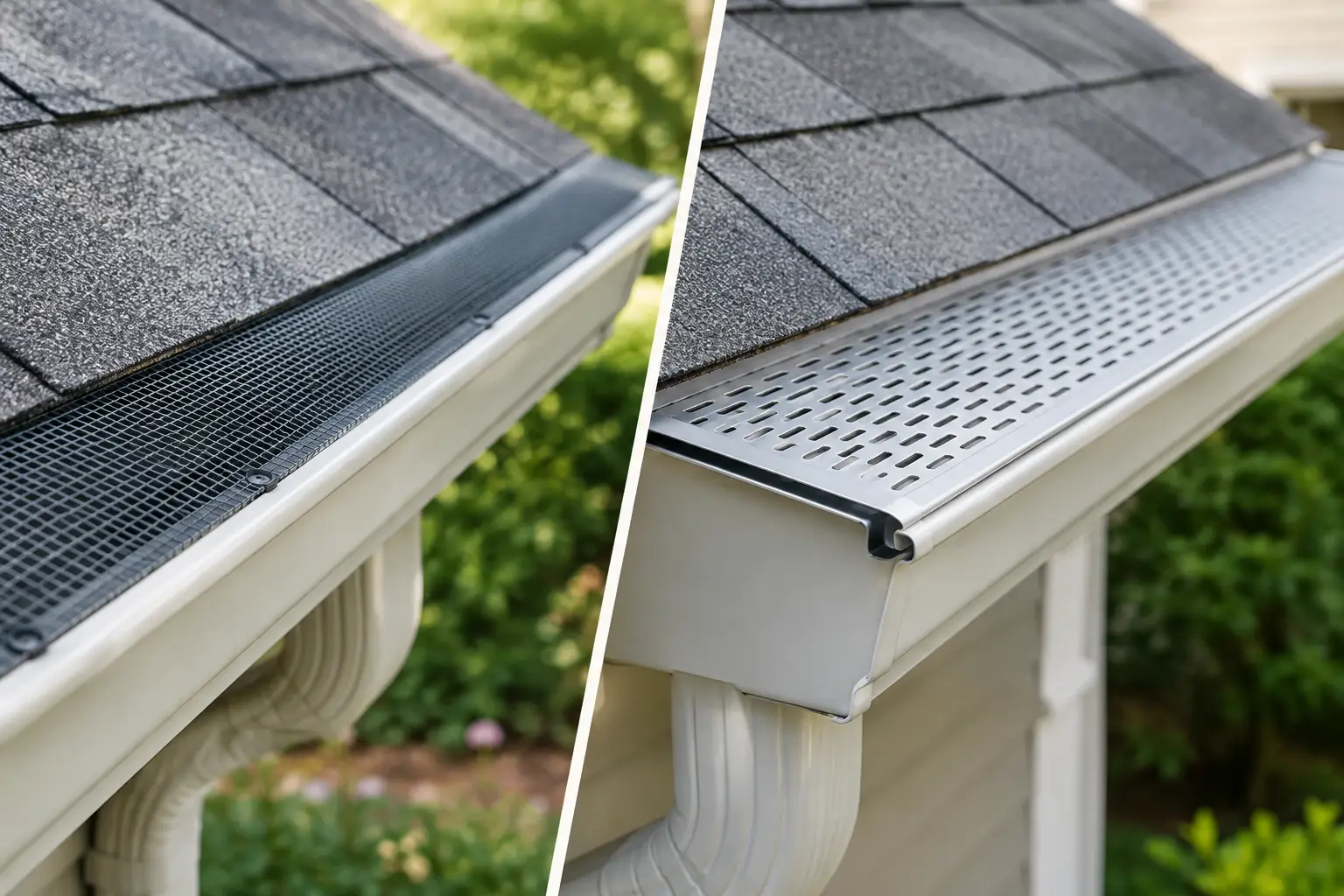
Comparing gutter screens versus guards? Learn which option fits Westchester homes, sheds leaves reliably, and reduces cleaning without trapping debris.
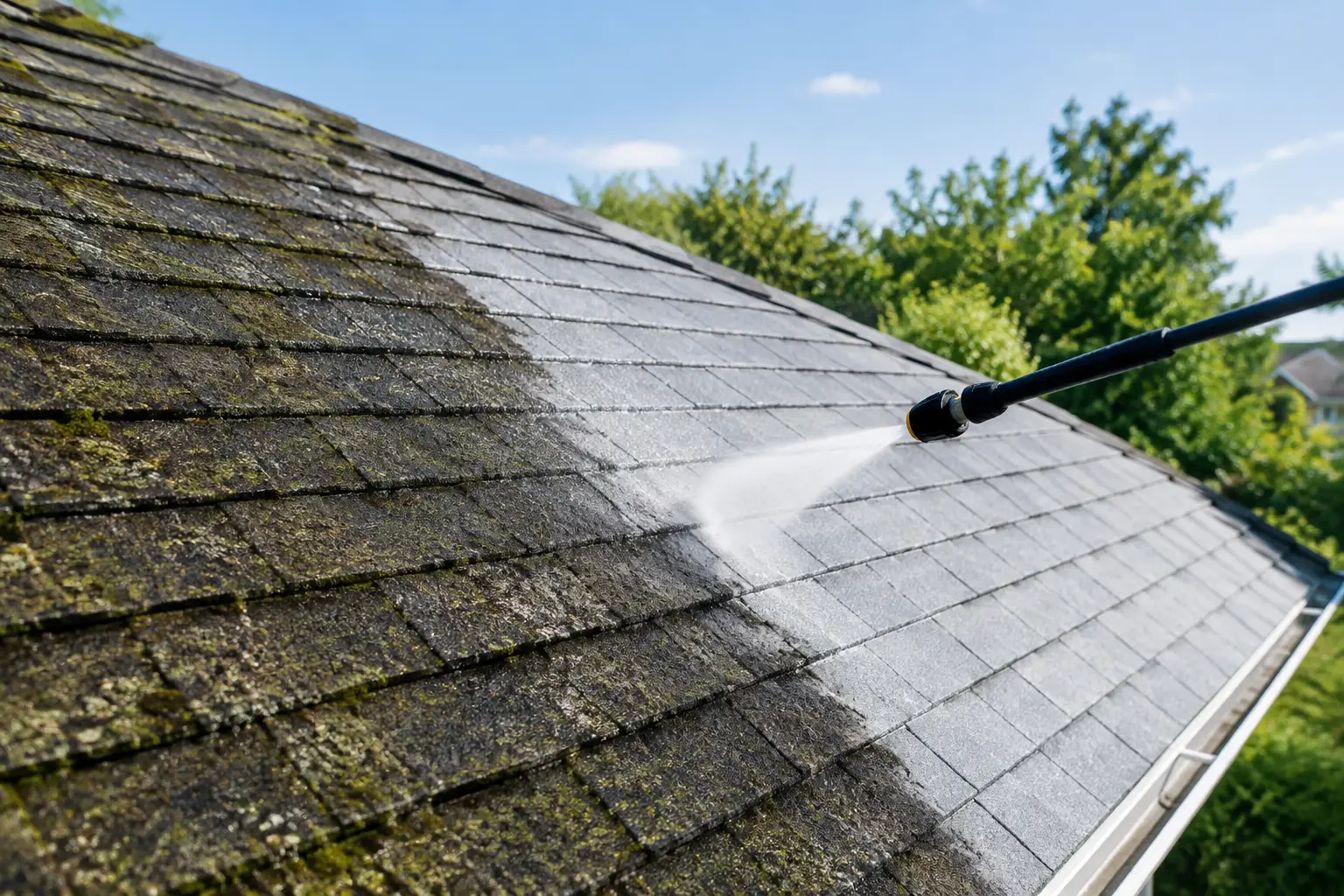
See what real roof cleaning results look like, how long they take, and why safe treatment can protect shingles and help avoid costly replacement bills.
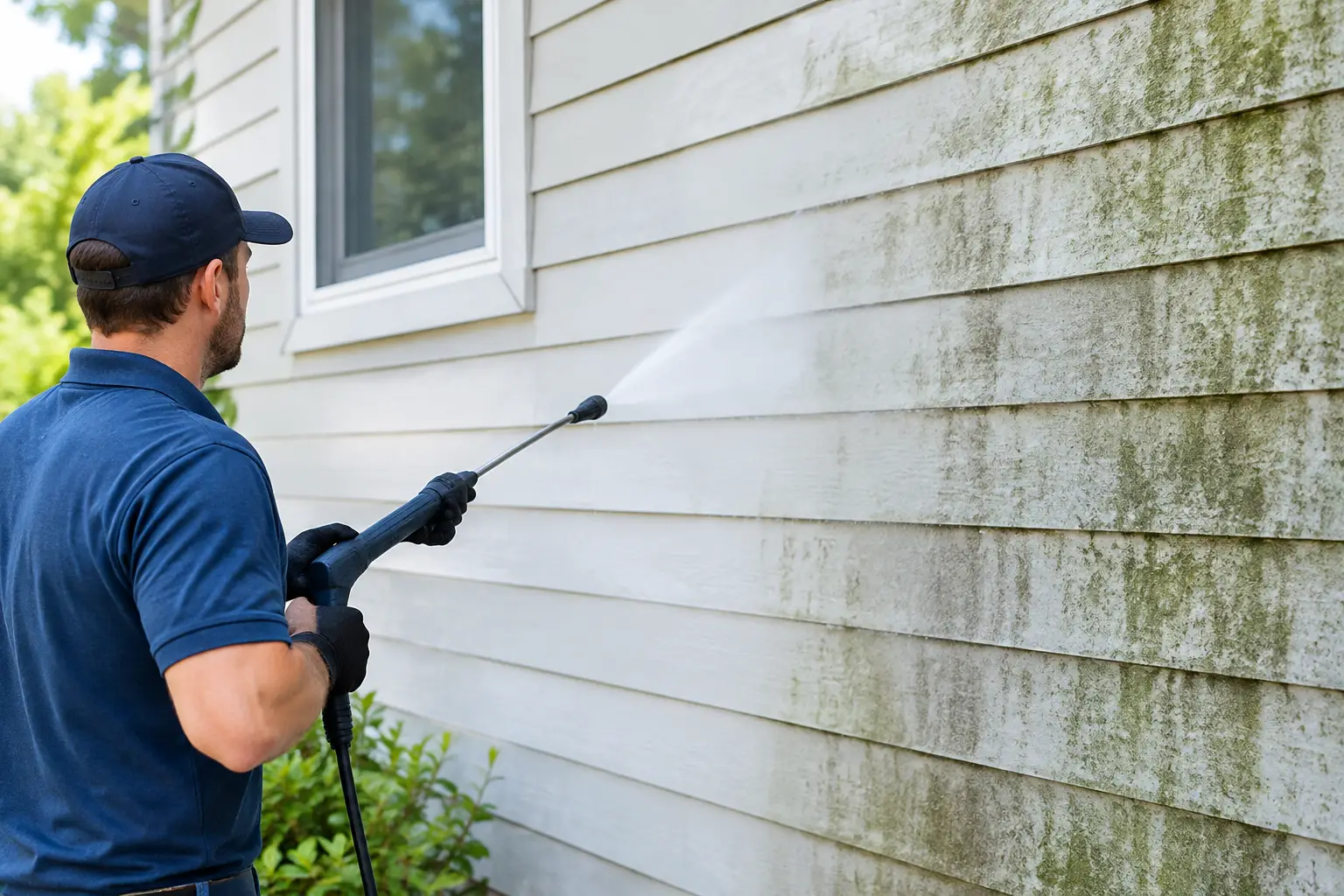
Does soft washing kill mold? Learn how low-pressure cleaning removes exterior growth, when stains suggest damage, and how to protect your home safely.